


Space Brief 10 Dec 2025
Today's brief covers China's intense launch schedule, a new Arctic military constellation, Muon Space's defense innovations, and SpaceX's classified NROL-77 mission.



Launch Date
February 14, 1972
Launch Site
Launch Pad
LC81/24
Launch Vehicle
Proton-K/D
NORAD ID
05841
International Designator
N/A
Decay Date
2/21/1972
Name
LUNA 20 DEB
Alternative Name
Luna-20 KT
Type
Status
Owner
IKI/BABTS
Country
USSR
Constellation
N/A
Related Satellites
Major Events
N/A
Length
1.5
Diameter
3.5
Span
5
Dry Mass
1360
Launch Mass
3180
Shape
Irr + 4 Leg
Radar Cross Section
Unknown
Visual Magnitude
Unknown
Color
Unknown
Material Composition
Unknown
Payload
E-8-5 No. 408
Purpose
Unknown
Mission
Unknown
Manufacturer
NPOL
Life Expectancy
Unknown
Bus
Luna E-8
Configuration
Unknown
Motor
KTDU-417
Equipment
Unknown
Power System
Unknown
ADCS
Unknown
Transmitter Frequency
Unknown
Learn more about satellites and other related topics.
Today's brief covers China's intense launch schedule, a new Arctic military constellation, Muon Space's defense innovations, and SpaceX's classified NROL-77 mission.

SpaceX successfully launched the NROL-48 mission, growing the National Reconnaissance Office's satellite fleet. Additionally, NASA introduced ten new astronaut candidates, increasing female representation in its ranks.

SpaceX successfully launched 29 Starlink satellites on November 14, marking the first of two rapid-fire Falcon 9 missions from Florida's Space Coast in under four hours.
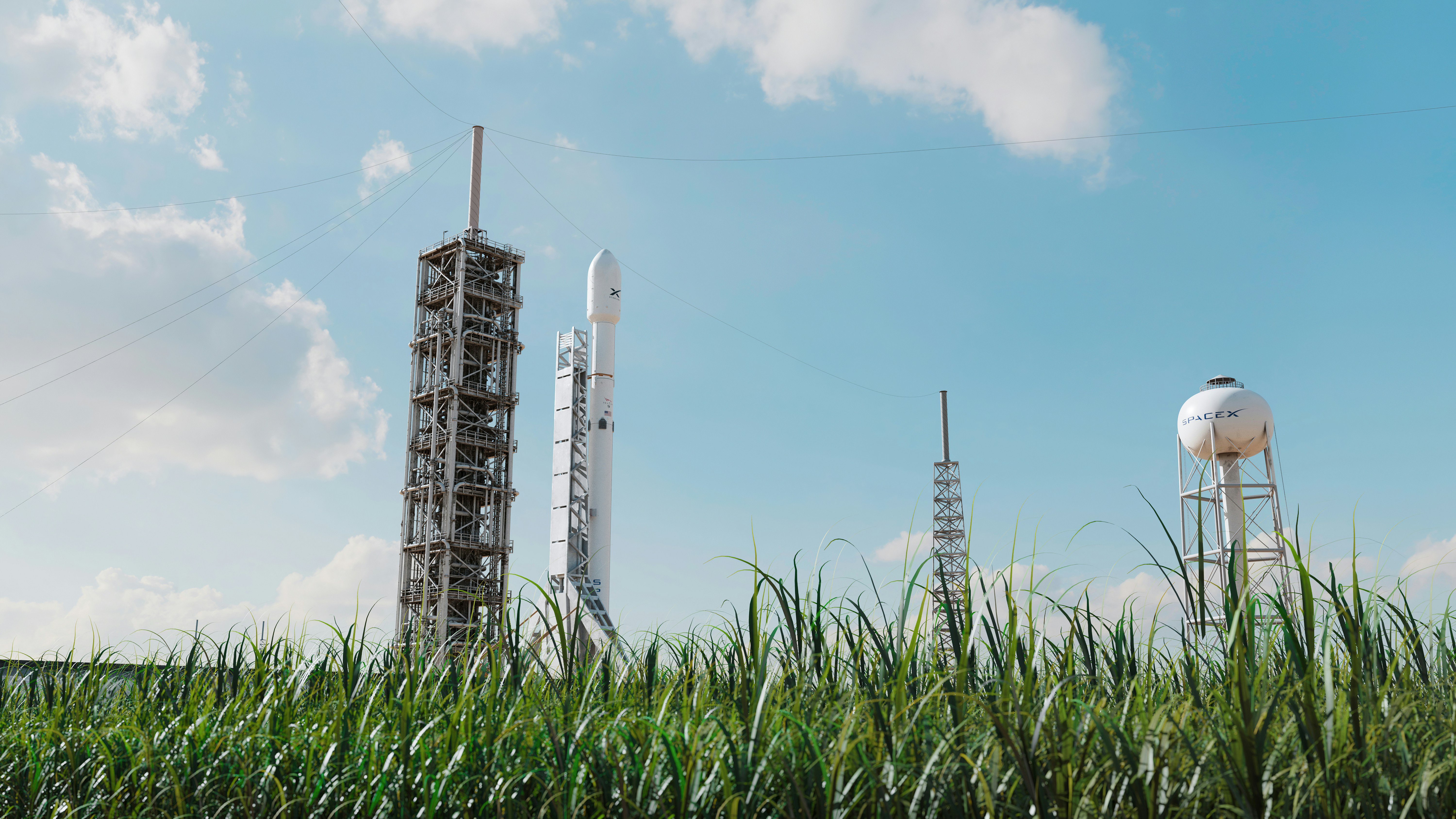
SpaceX wraps up 2024 with successful Starlink and Astranis launches, while reflecting on a monumental year for the Starship program.

As the International Space Station nears retirement, private companies are stepping up to fill the void with their own space stations. Discover the key players and the potential impact on space exploration.

Blue Origin's New Glenn successfully reused its first stage booster for the first time on Mission 3, launching April 19. Booster reuse accelerates operational tempo.
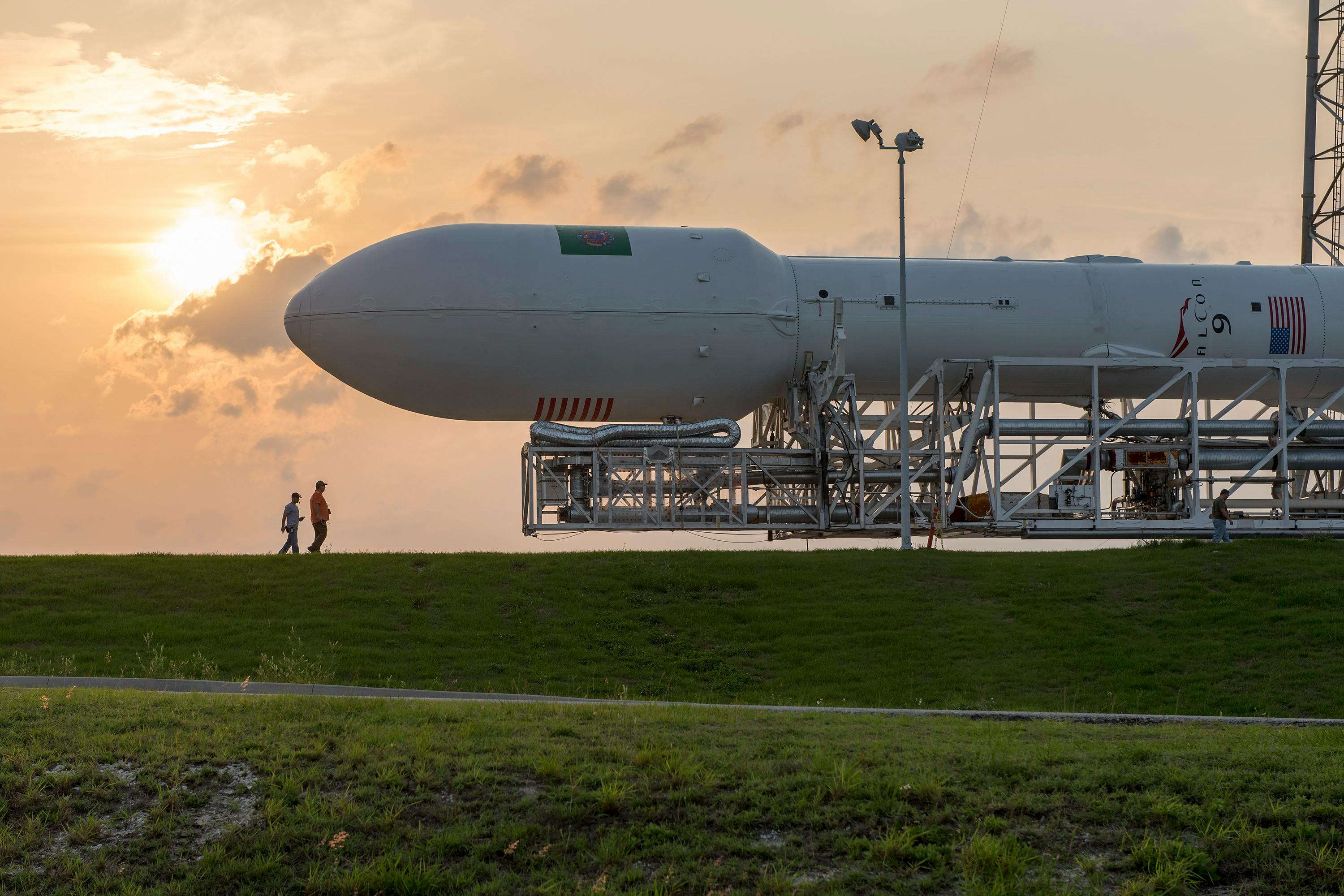
SpaceX's Falcon 9 delivered Northrop Grumman's second Cygnus XL — carrying over 5 tons of cargo — to the ISS on April 11, 2026.
Sixty-three years ago, the Soviet Union selected the world's first female cosmonaut training group, launching a new era in human spaceflight that would transform our understanding of gender equality in space exploration