


X Report 7 Jun 2025
SpaceX successfully launched the SXM-10 satellite for SiriusXM and prepares for the Ax-4 mission to the ISS amid political tensions involving Elon Musk and President Trump.


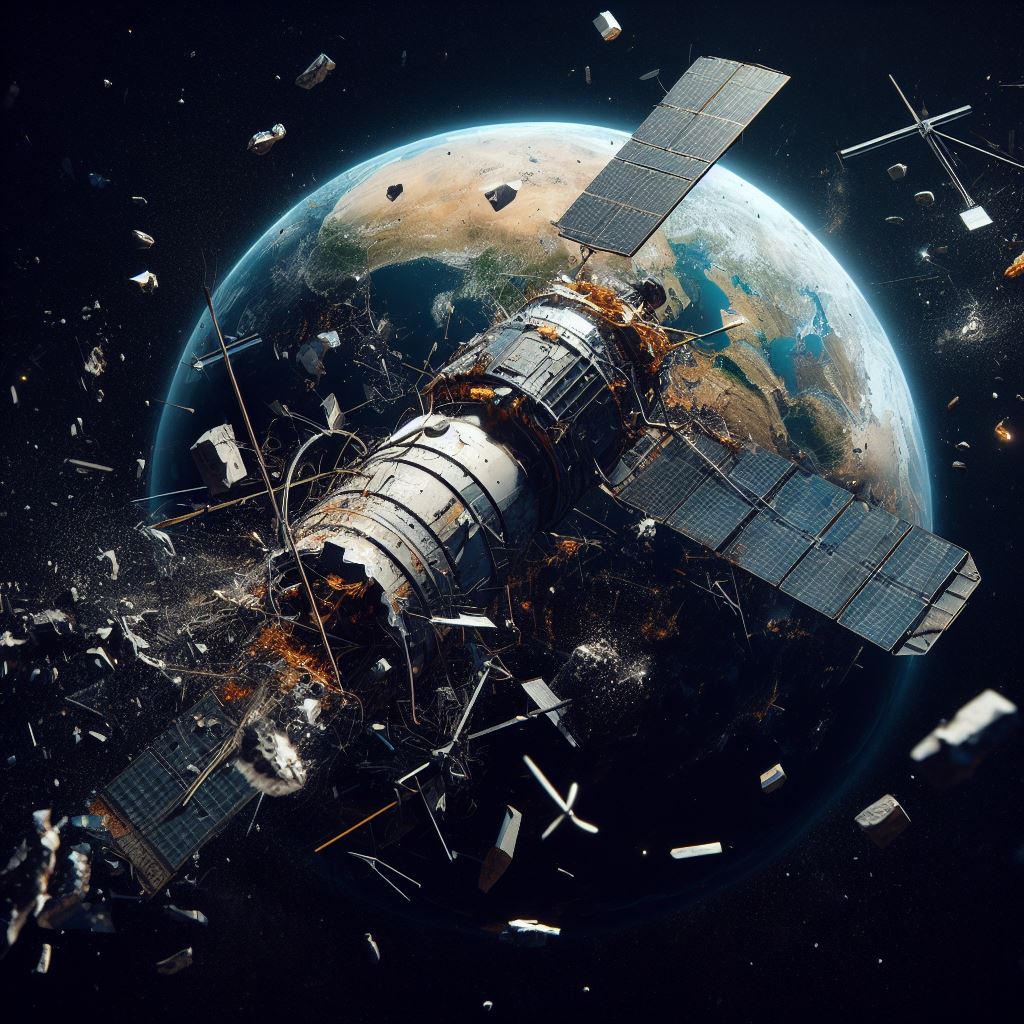
Launch Date
October 30, 1970
Launch Site
Launch Pad
LC90/20
Launch Vehicle
Tsiklon-2
NORAD ID
04826
International Designator
1970-091AD
Decay Date
8/5/1981
Name
COSMOS 375 DEB
Alternative Name
deb Kosmos-375 [*]
Type
Status
Owner
PKO
Country
USSR
Constellation
N/A
Related Satellites
Major Events
N/A
Length
0
Diameter
0
Span
0
Dry Mass
0
Launch Mass
0
Shape
N/A
Radar Cross Section
0.0168
Visual Magnitude
Unknown
Color
Unknown
Material Composition
Unknown
Payload
Unknown
Purpose
Unknown
Mission
Unknown
Manufacturer
Unknown
Life Expectancy
Unknown
Bus
Unknown
Configuration
Unknown
Motor
Unknown
Equipment
Unknown
Power System
Unknown
ADCS
Unknown
Transmitter Frequency
Unknown
Learn more about satellites and other related topics.
SpaceX successfully launched the SXM-10 satellite for SiriusXM and prepares for the Ax-4 mission to the ISS amid political tensions involving Elon Musk and President Trump.

Blue Origin's New Glenn successfully reused its first stage booster for the first time on Mission 3, launching April 19. Booster reuse accelerates operational tempo.

Space Force procures second Otter spacecraft for satellite repositioning. Momentus and NASA sign Space Act Agreement for orbital servicing tests. Pentagon delays contractor review.

This edition highlights SpaceX's ambitious plans for Starship in light of recent developments, a busy launch week featuring multiple missions, and the latest updates on Starlink's operational status.
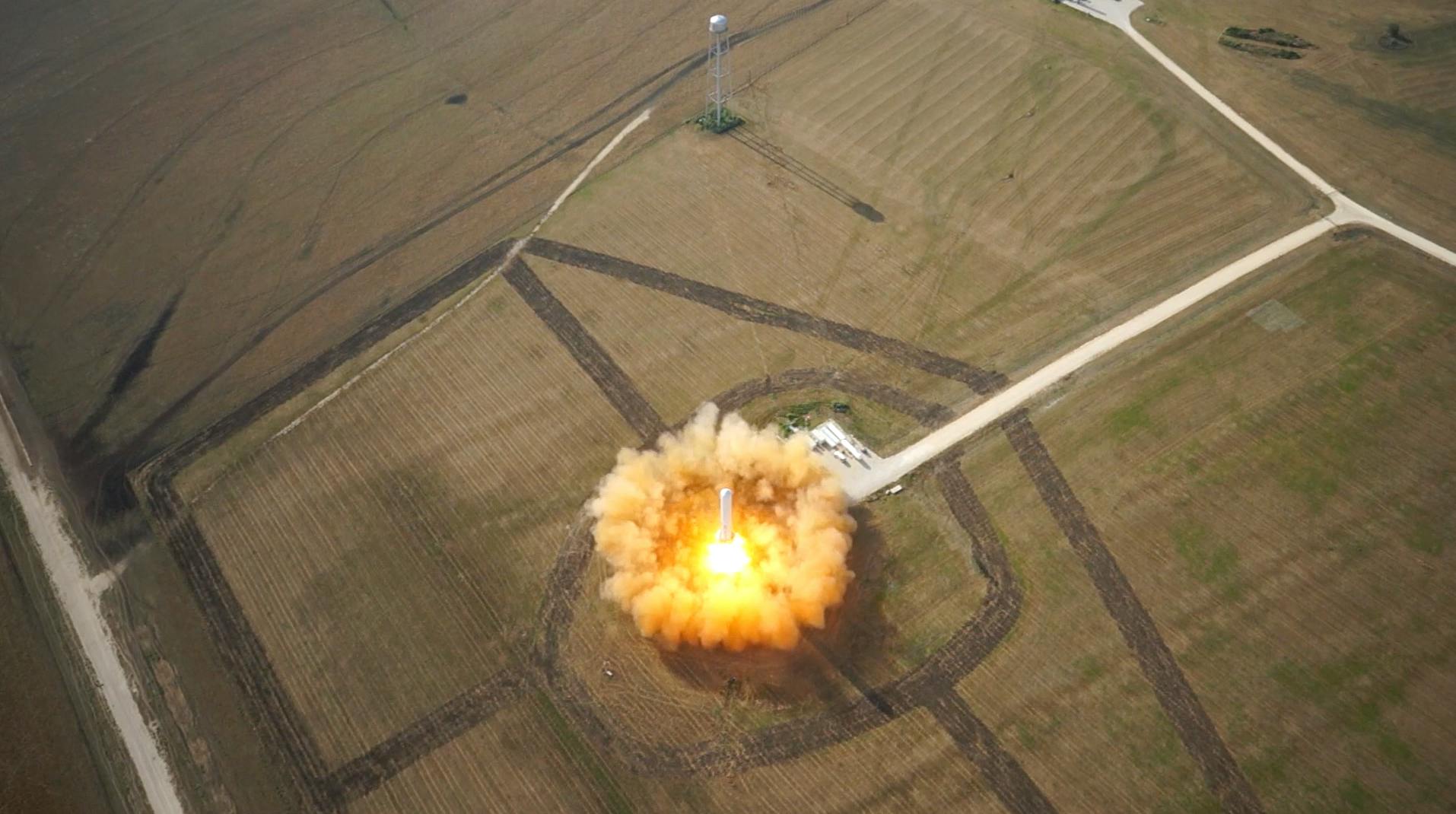
SpaceX surged 19% on Nasdaq debut as Falcon 9 B1093 deployed 24 Starlink satellites — the 1,500th launched in 2026 — while Dragon CRS-34 heads home.
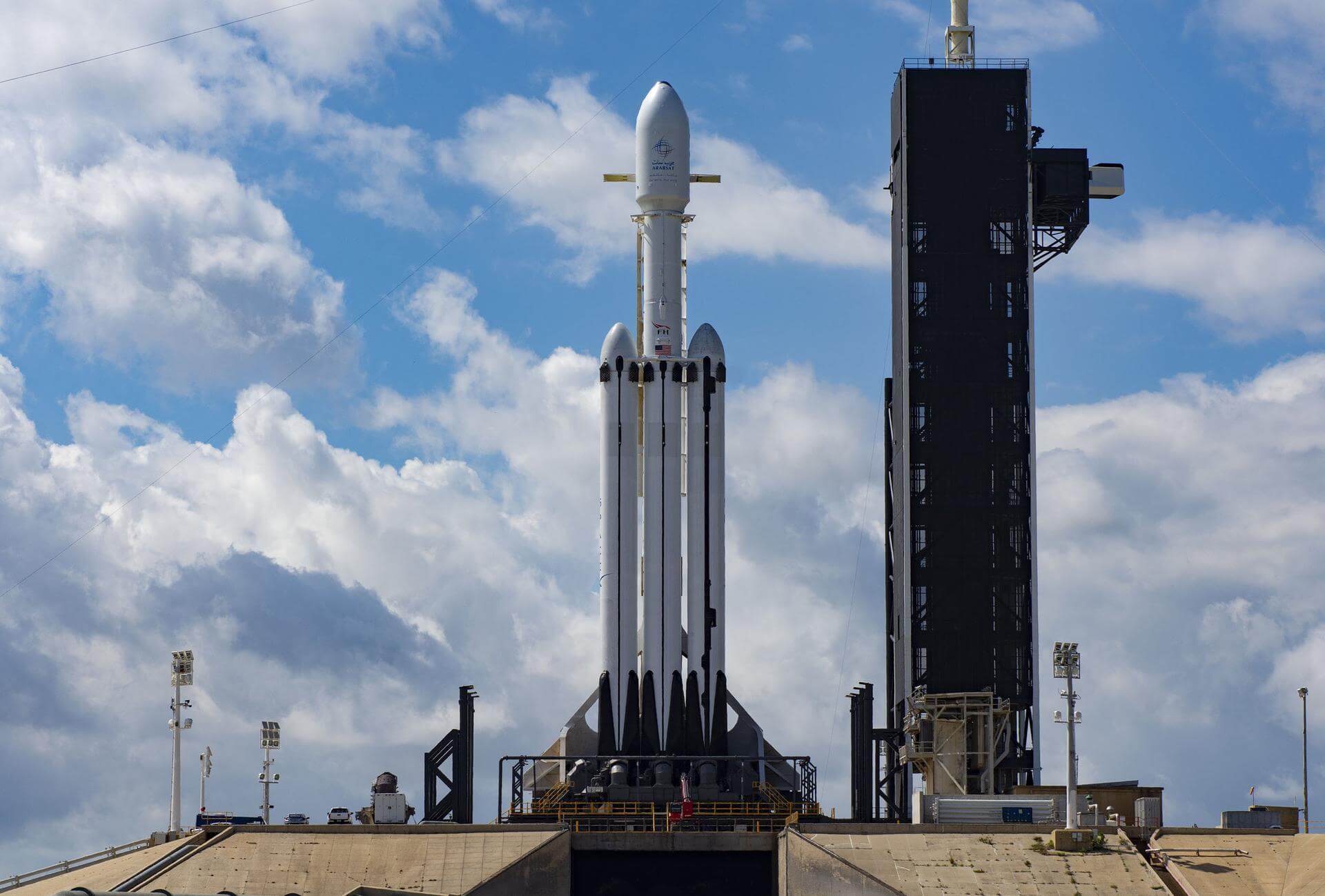
Pentagon requests $8 billion for space-based moving target tracking constellation in FY2027 budget. New NORAD IDs expected as Space Force expands orbital ISR capabilities.
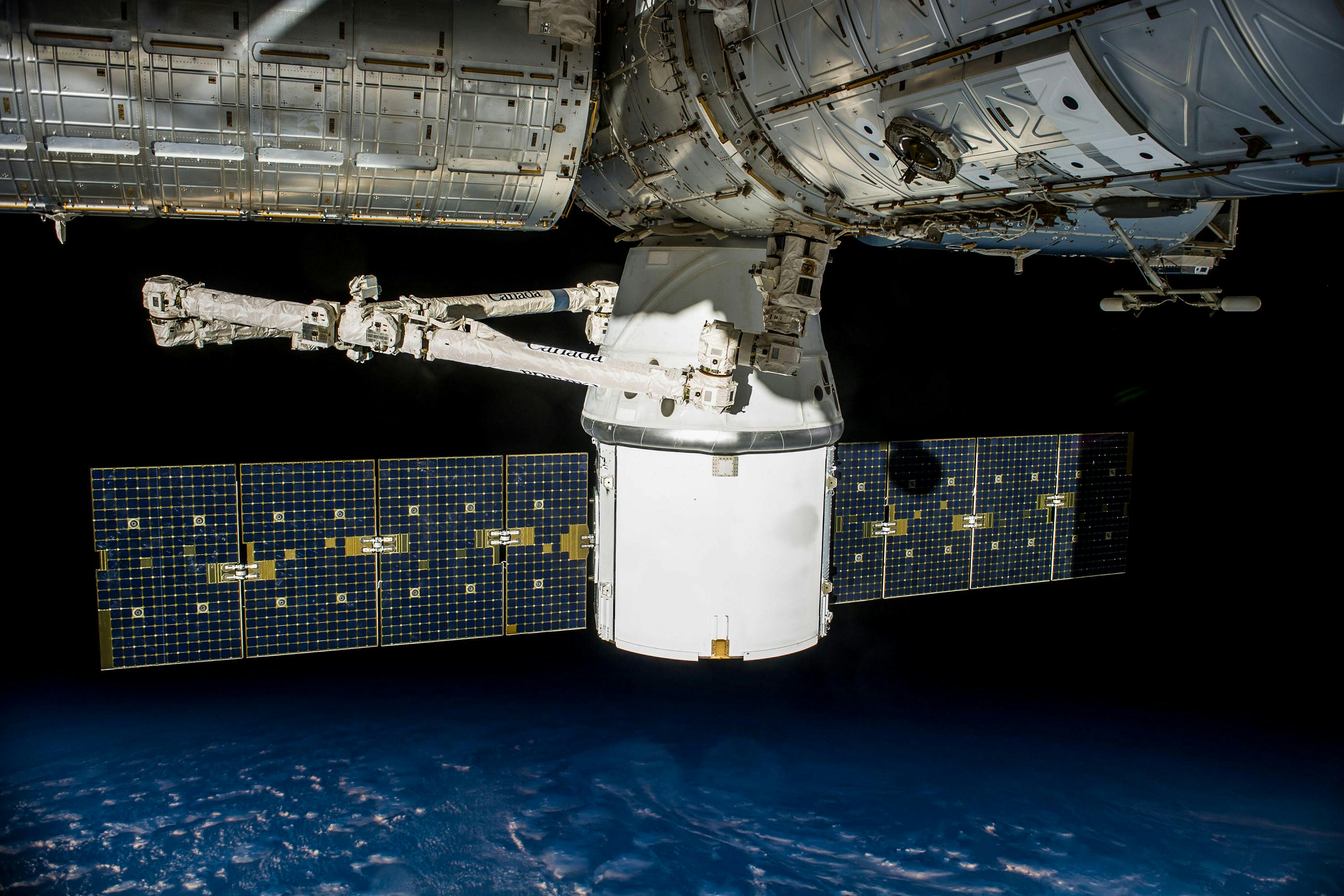
SpaceX attempts its 600th Falcon 9 booster landing during the Starlink 17-22 mission, adding 25 satellites from Vandenberg SFB.
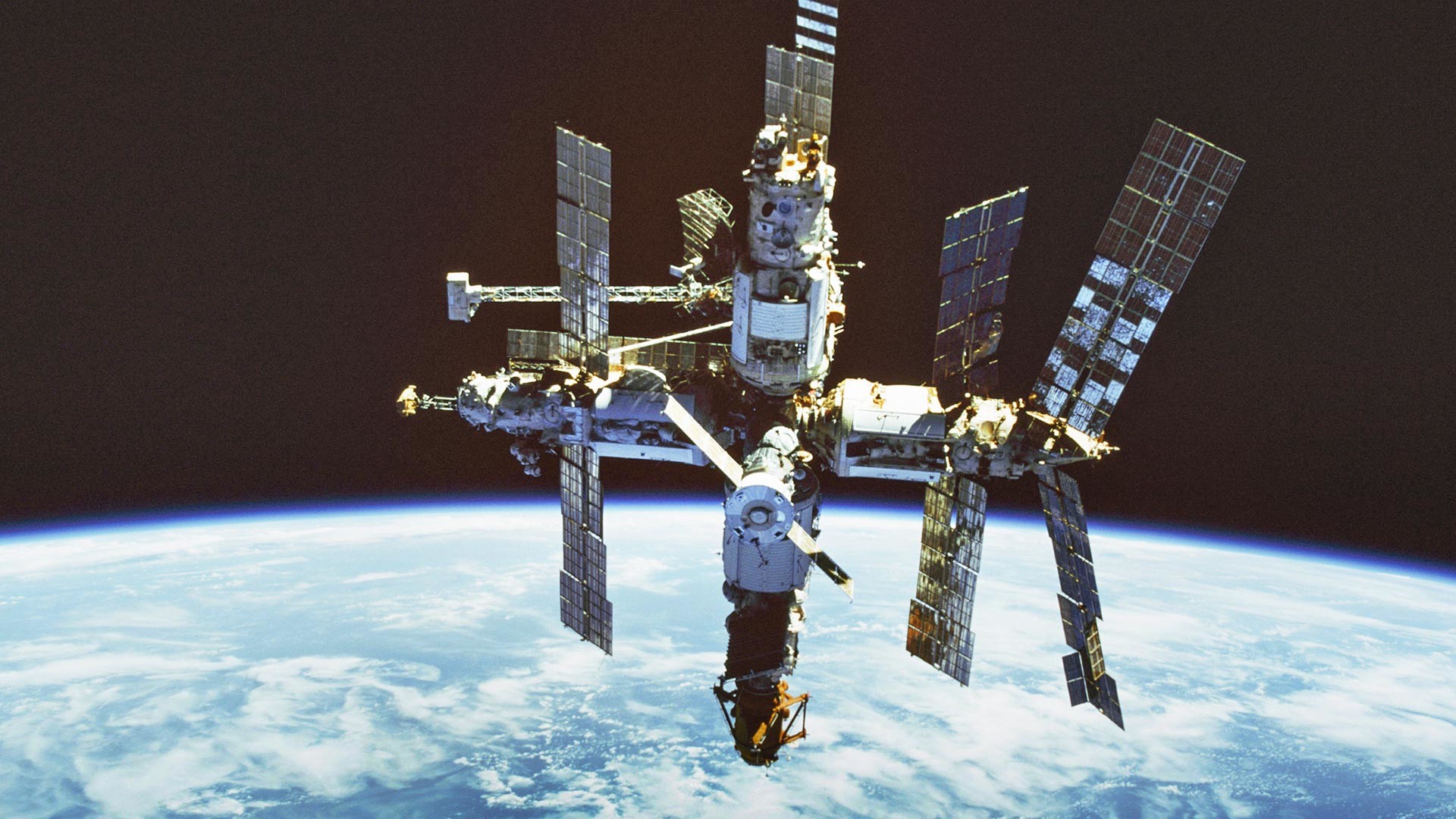
Forty years ago today, the USSR launched a 20-ton aluminum cylinder into low Earth orbit and called it 'Peace.' Over the next 15 years, Mir would host 104 people from 12 countries, survive a fire and a collision, and quietly teach humanity how to live in space.