


X Report 18 Jun 2025
SpaceX successfully launched 28 Starlink satellites while preparing for the upcoming Ax-4 mission to the ISS. Significant progress continues in their ongoing space endeavors.


Launch Date
March 24, 1969
Launch Site
Launch Pad
LC31
Launch Vehicle
Voskhod 11A57
NORAD ID
03834
International Designator
1969-028B
Decay Date
3/29/1969
Name
SL-3 R/B
Alternative Name
Voskhod (N89) Blok-I
Type
Status
Owner
RVSN
Country
USSR
Constellation
N/A
Related Satellites
Major Events
N/A
Length
9.4
Diameter
2.7
Span
9.4
Dry Mass
3000
Launch Mass
3000
Shape
Cyl
Radar Cross Section
Unknown
Visual Magnitude
Unknown
Color
Unknown
Material Composition
Unknown
Payload
11A57I
Purpose
Unknown
Mission
Unknown
Manufacturer
PROG
Life Expectancy
Unknown
Bus
Blok-I
Configuration
Unknown
Motor
Unknown
Equipment
Unknown
Power System
Unknown
ADCS
Unknown
Transmitter Frequency
Unknown
Learn more about satellites and other related topics.
SpaceX successfully launched 28 Starlink satellites while preparing for the upcoming Ax-4 mission to the ISS. Significant progress continues in their ongoing space endeavors.
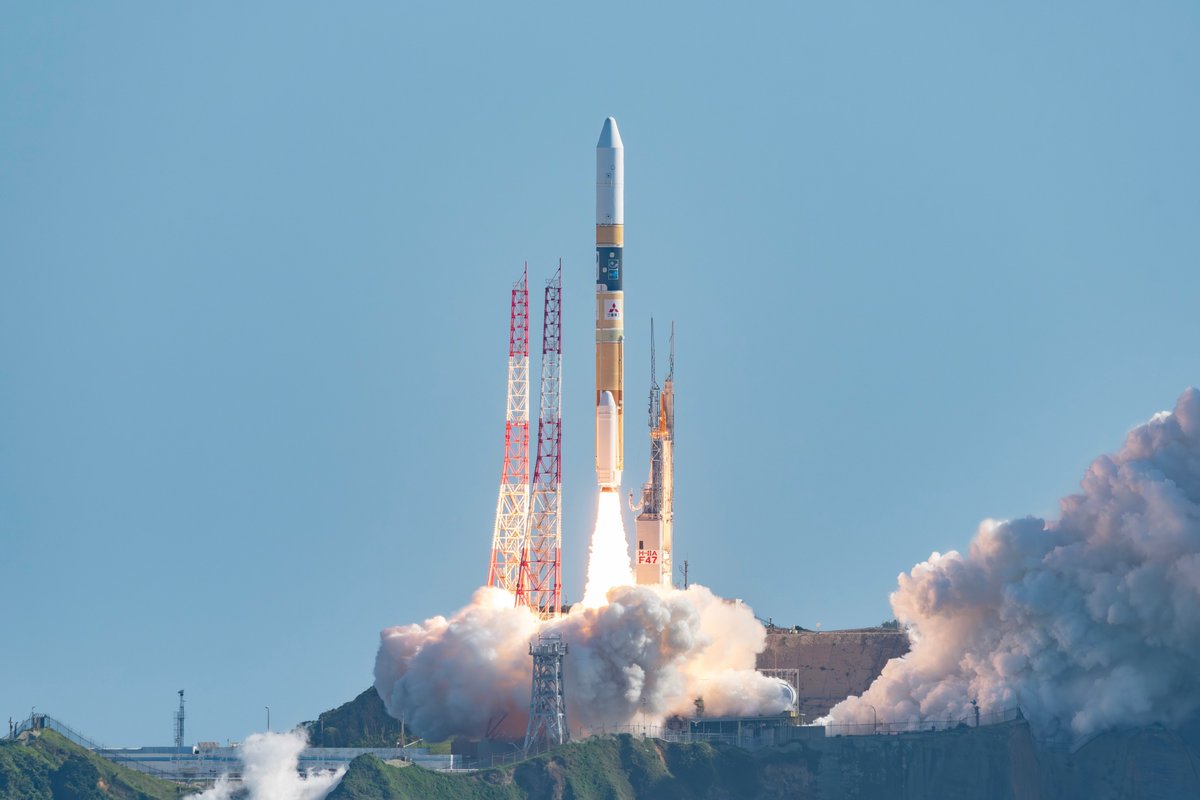
Today’s highlights focus on the launch preparations for the Dragoon Mission, China’s seismo-electromagnetic satellite launch, NASA budget cut impacts, and a major expansion by American Pacific Corporation.
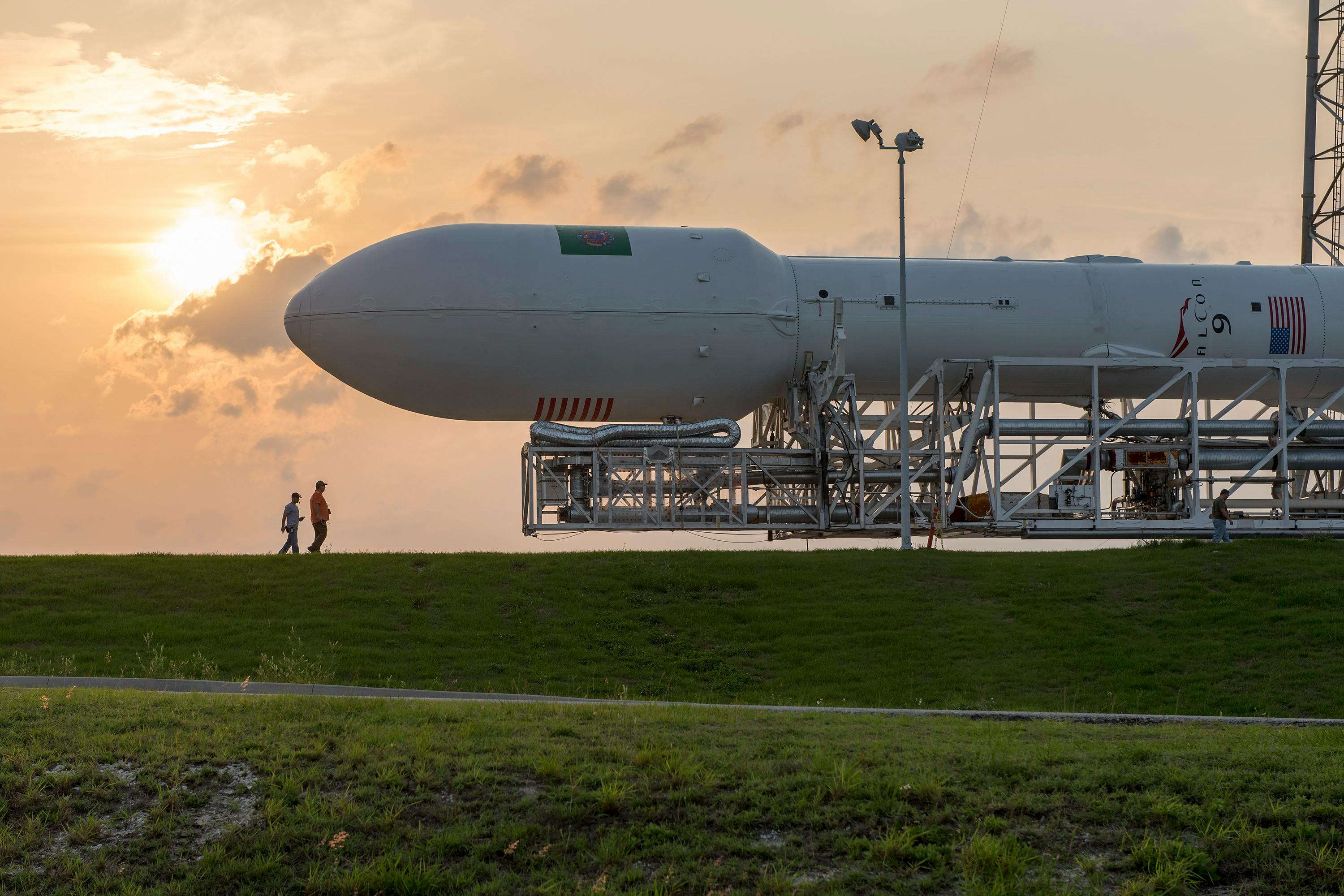
Today's Space Brief highlights SpaceX Crew-8's return, Intelsat-33e satellite breakup, SpaceX's upcoming Starship tests, and notable launches including China's new mega-constellation.

Space Force projects 30,000-satellite orbital architecture by 2040 amid combat integration revelations. Gen. Saltzman confirms space operations were critical in Iran conflict.

Today's brief highlights the maiden flight of Blue Origin's Blue Ring spacecraft with a new AI-driven space sensor, debates on asteroid defense responsibilities, and updates on the U.S. Space Force's missile shield leadership.
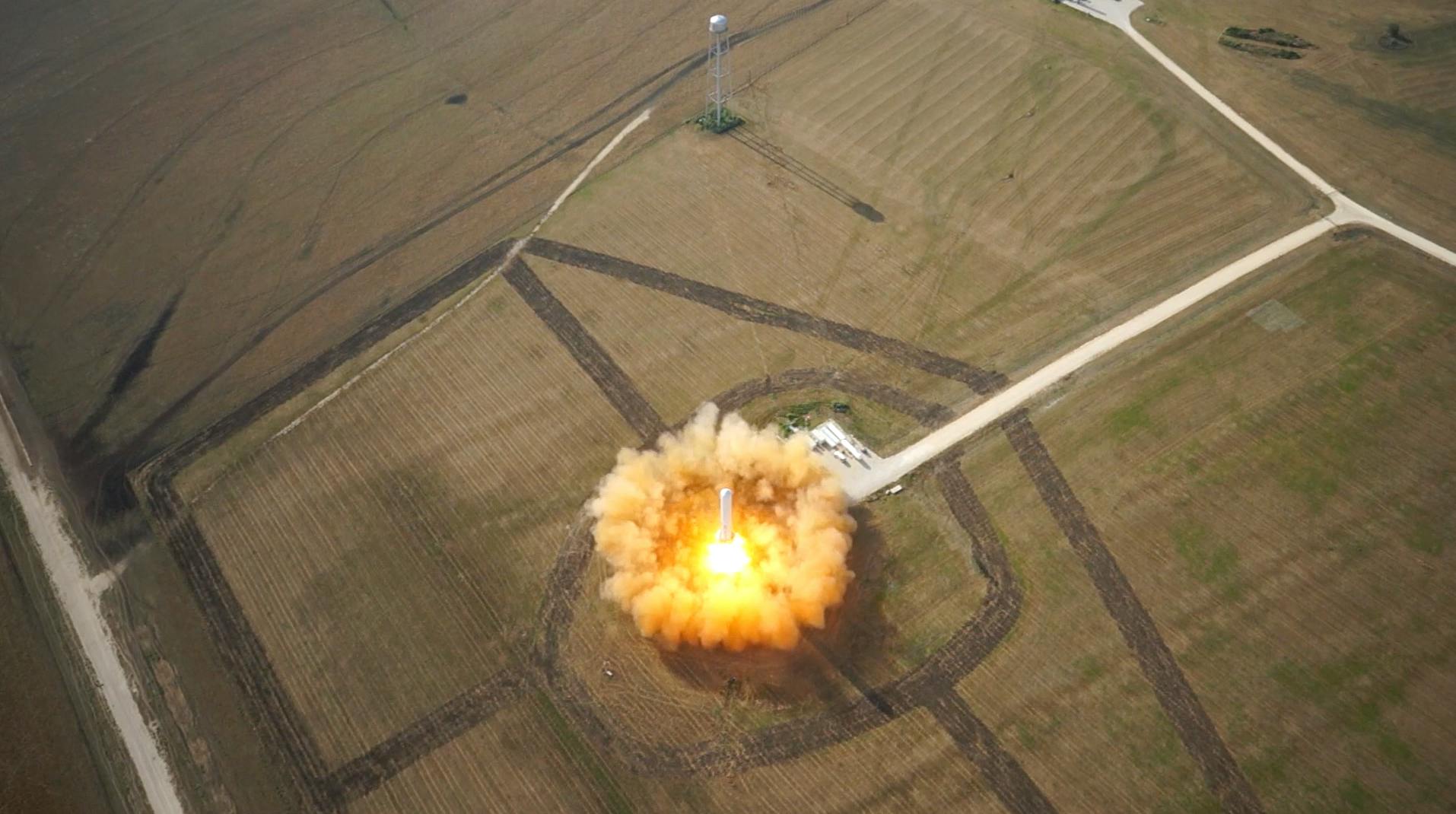
SpaceX surged 19% on Nasdaq debut as Falcon 9 B1093 deployed 24 Starlink satellites — the 1,500th launched in 2026 — while Dragon CRS-34 heads home.
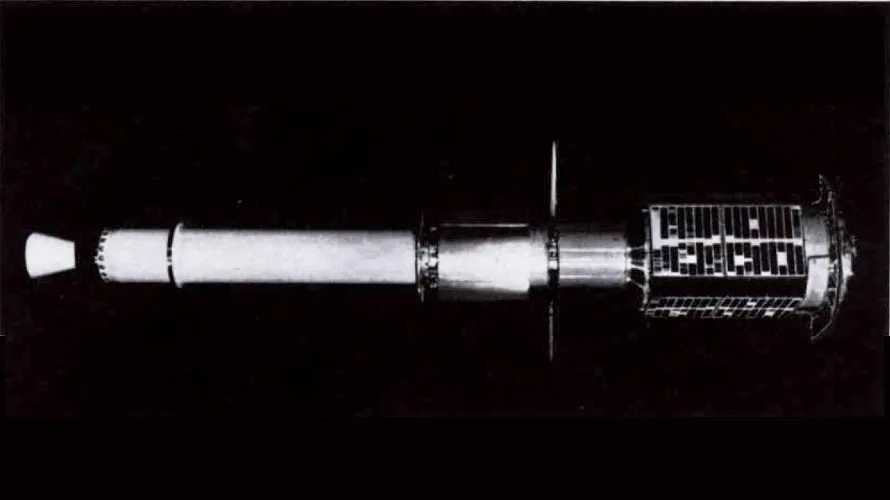
On April 27, 1961, a Scout rocket lifted a 37-kilogram NASA satellite into orbit from Wallops Island carrying the first serious instrument for detecting cosmic gamma rays. Explorer 11 operated for seven months before its tape recorder failed. In that time it registered 22 gamma-ray photons - a pitiful number by modern standards, but enough to launch an entire branch of astronomy.
Key highlights include the launch of a Navy SEAL astronaut to the ISS, multi-billion dollar contracts awarded by the US Space Force, advancements in secure GPS technology, and a strategic ISR arrangement.