SL-8 DEB (01351)

COSPAR: 1965-020W | Alt Name: deb Kosmos 65S3 No. 4L
DECAYED

Image
SL-8 DEB Satellite Image
Additional Sources
Launch Details

Launch Date

March 15, 1965

Launch Pad

LC41/15

Launch Vehicle

Kosmos 65S3

Orbital Elements

NORAD ID

01351

International Designator

1965-020W

Decay Date

8/6/1972

Explore in the Catalog
Basic Satellite Info

Name

SL-8 DEB

Alternative Name

deb Kosmos 65S3 No. 4L

Type

Debris

Status

Space Junk

Owner

RVSN

Country

USSR

Constellation

N/A

Related Satellites

Major Events

N/A

Summary
Space debris, also known as space junk, encompasses all non-functional objects orbiting Earth such as defunct satellites, spent rocket stages, and fragments from collisions or disintegrations. Over time, this debris can accumulate and create an increasingly hazardous environment in orbit. Even tiny fragments, traveling at extremely high velocities, can inflict significant damage on operational satellites and spacecraft. If left unmanaged, the density of debris raises the risk of catastrophic collisions and further fragmentation, compounding the problem and threatening the safety and sustainability of space activities.
Physical Characteristics

Length

0

Diameter

0

Span

0

Dry Mass

0

Launch Mass

0

Shape

N/A

Radar Cross Section

Unknown

Visual Magnitude

Unknown

Color

Unknown

Material Composition

Unknown

Technical Details

Payload

Unknown

Purpose

Unknown

Mission

Unknown

Manufacturer

Unknown

Life Expectancy

Unknown

Bus

Unknown

Configuration

Unknown

Motor

Unknown

Equipment

Unknown

Power System

Unknown

ADCS

Unknown

Transmitter Frequency

Unknown

Satellite Articles

View All Posts »

Learn more about satellites and other related topics.

Voyager 1

Voyager 1

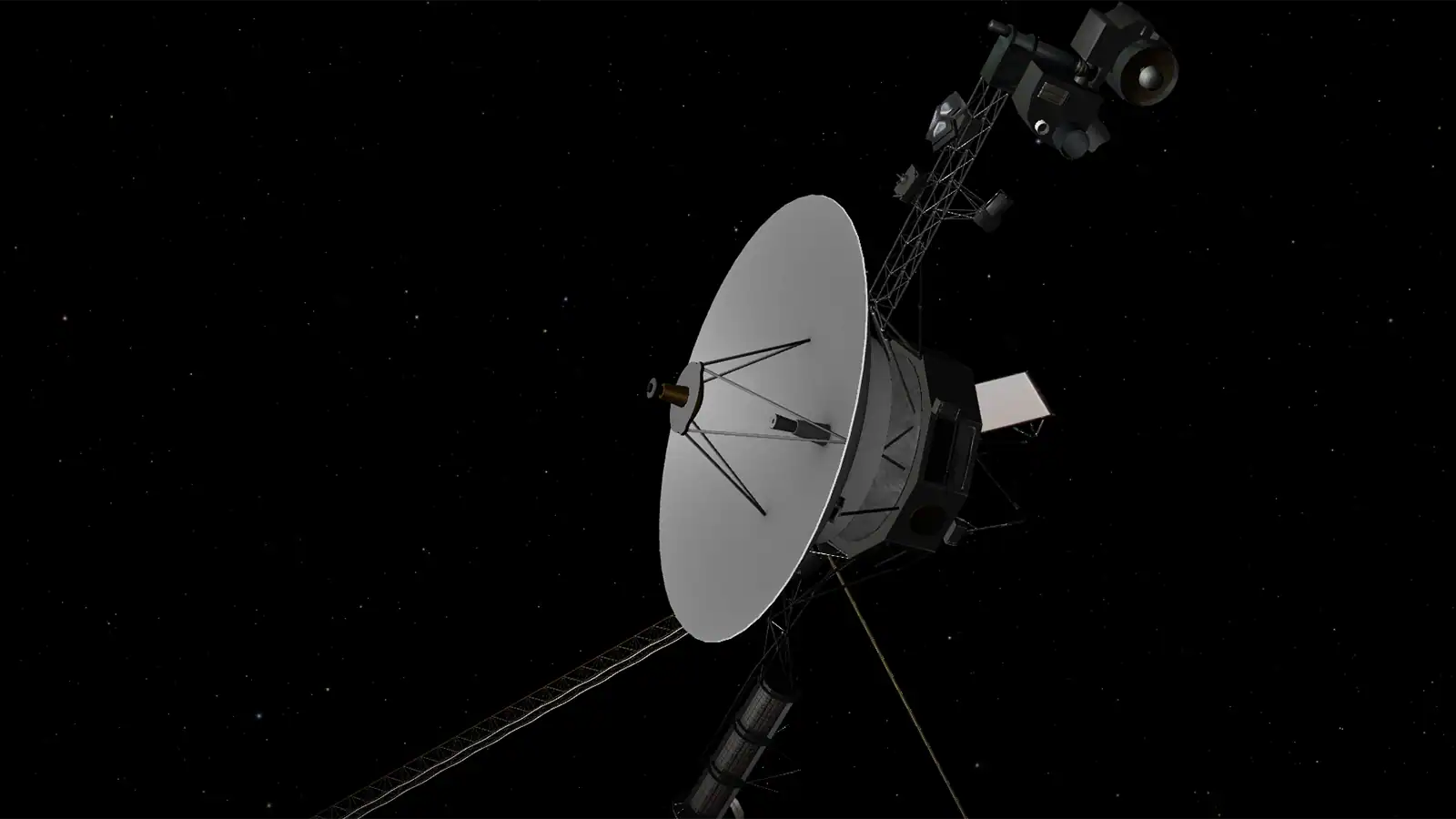
In November 2023, Earth's most distant spacecraft started speaking gibberish. Five months, one dead memory chip, and 30 billion miles of round-trip troubleshooting later, engineers got it talking again - using code written before most of them were born.

X Report 18 Jun 2025

X Report 18 Jun 2025

SpaceX successfully launched 28 Starlink satellites while preparing for the upcoming Ax-4 mission to the ISS. Significant progress continues in their ongoing space endeavors.

Starship Flight 13 to Deploy First Starlink V3 Sats | KeepTrack X Report

Starship Flight 13 to Deploy First Starlink V3 Sats | KeepTrack X Report

Starship Flight 13 launches first Starlink V3 satellites as SpaceX nears 10,839 working satellites in orbit across the Starlink fleet.

X Report 25 Jun 2025

X Report 25 Jun 2025

SpaceX successfully launched the historic Axiom-4 mission to the ISS, marking a significant milestone in private space travel, while also expanding Starlink's reach into Vietnam's healthcare sector.

Space Brief 25 Jul 2025

Space Brief 25 Jul 2025

Today's briefing covers Spire Global's new intelligence products, a significant military buildup in the Pacific, Space Force organizational changes, and more.

The Pentagon's Mystery Spaceplane Takes Off

The Pentagon's Mystery Spaceplane Takes Off

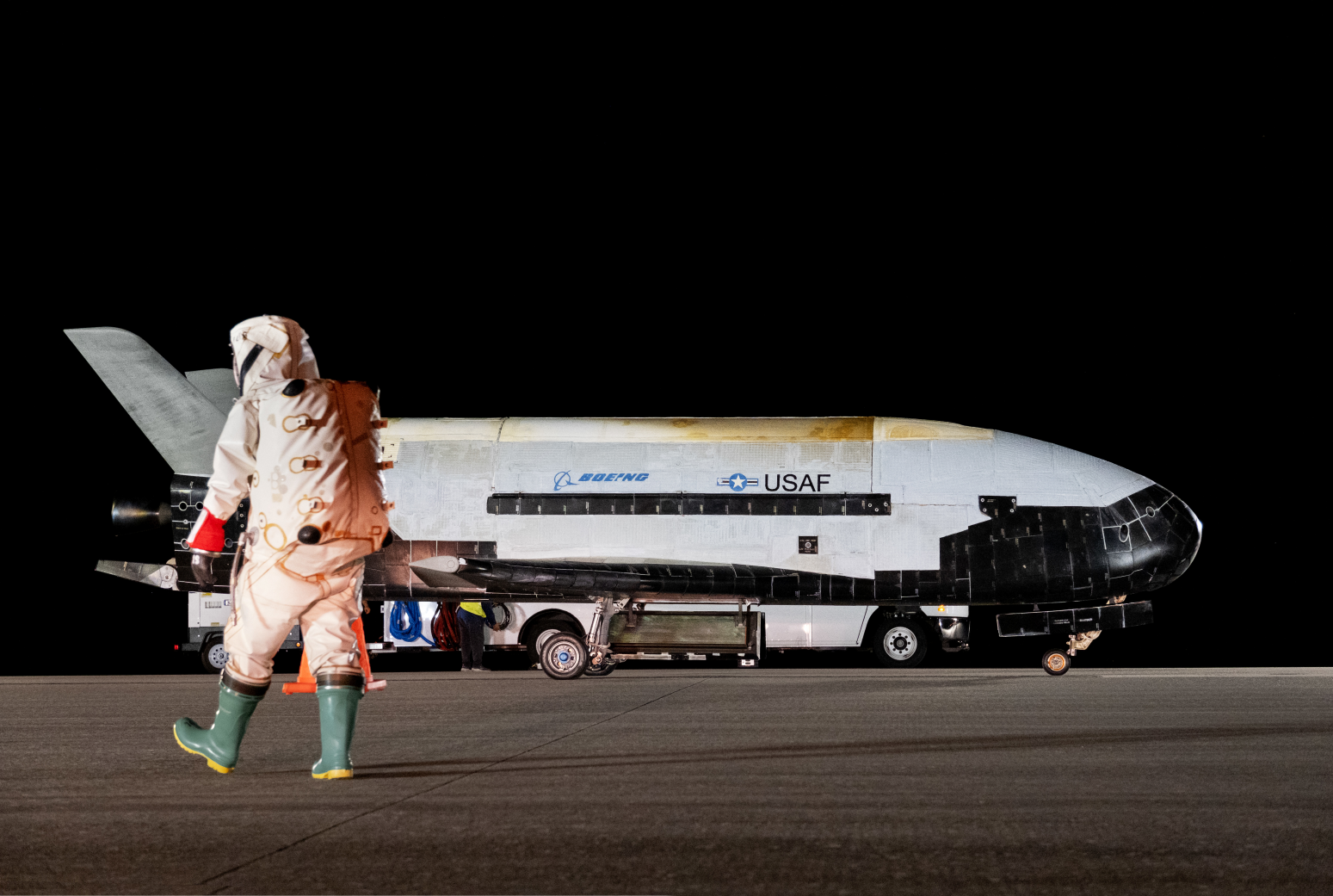
On April 22, 2010, an Atlas V lifted off from Cape Canaveral carrying a reusable robotic spaceplane so secret that the Air Force would not even confirm its mission duration. It came back 224 days later, lighter, quieter, and more operational than anyone outside Washington had expected. Fifteen years later, the X-37B is still flying, and the military still will not say what it does.

SpaceX Launches 21 SDA Missile-Tracking Satellites | KeepTrack Week in Review

SpaceX Launches 21 SDA Missile-Tracking Satellites | KeepTrack Week in Review

This week: SpaceX launched 21 SDA missile-tracking satellites, Soyuz MS-29 carried a new crew to the ISS, and Europe's space spending rose 12%.

The Satellites the Size of a Studio Apartment

The Satellites the Size of a Studio Apartment

AST SpaceMobile's BlueBird constellation is a bet that raw aperture size wins. Each satellite unfolds a 64-square-meter phased-array antenna in orbit, the largest commercial antenna ever deployed. The company claims a stock smartphone on the ground can connect directly to it. The competition says the physics doesn't support that. Seventeen satellites in and a contract with AT&T, Verizon, and Vodafone, somebody's math is wrong.