

X Report 24 Oct 2025
SpaceX achieves a new milestone with its record 139th launch of the year while competition heats up in satellite communications.


Launch Date
September 21, 1976
Launch Site
PLMSC
Launch Pad
LC43/3
Launch Vehicle
Soyuz-U
NORAD ID
09434
International Designator
1976-095B
Decay Date
10/2/1976
Name
SL-4 R/B
Alternative Name
Soyuz-U 26-862 Blok-I
Type
Status
Owner
RVSN
Country
USSR
Constellation
N/A
Related Satellites
Major Events
N/A
Length
6.7
Diameter
2.7
Span
6.7
Dry Mass
2350
Launch Mass
2350
Shape
Cyl
Radar Cross Section
Unknown
Visual Magnitude
Unknown
Color
Unknown
Material Composition
Unknown
Payload
11S510
Purpose
Unknown
Mission
Unknown
Manufacturer
PROG
Life Expectancy
Unknown
Bus
Blok-I
Configuration
Unknown
Motor
Unknown
Equipment
Unknown
Power System
Unknown
ADCS
Unknown
Transmitter Frequency
Unknown
Learn more about satellites and other related topics.
SpaceX achieves a new milestone with its record 139th launch of the year while competition heats up in satellite communications.

SpaceX's Starship gains military attention, a feather-light achievement, and a busy week for Falcon 9.

Today's brief highlights key developments in space technology, military space activities, and satellite refueling initiatives. Discover the latest on GEO satellite refueling, Blue Origin's New Glenn, and more.
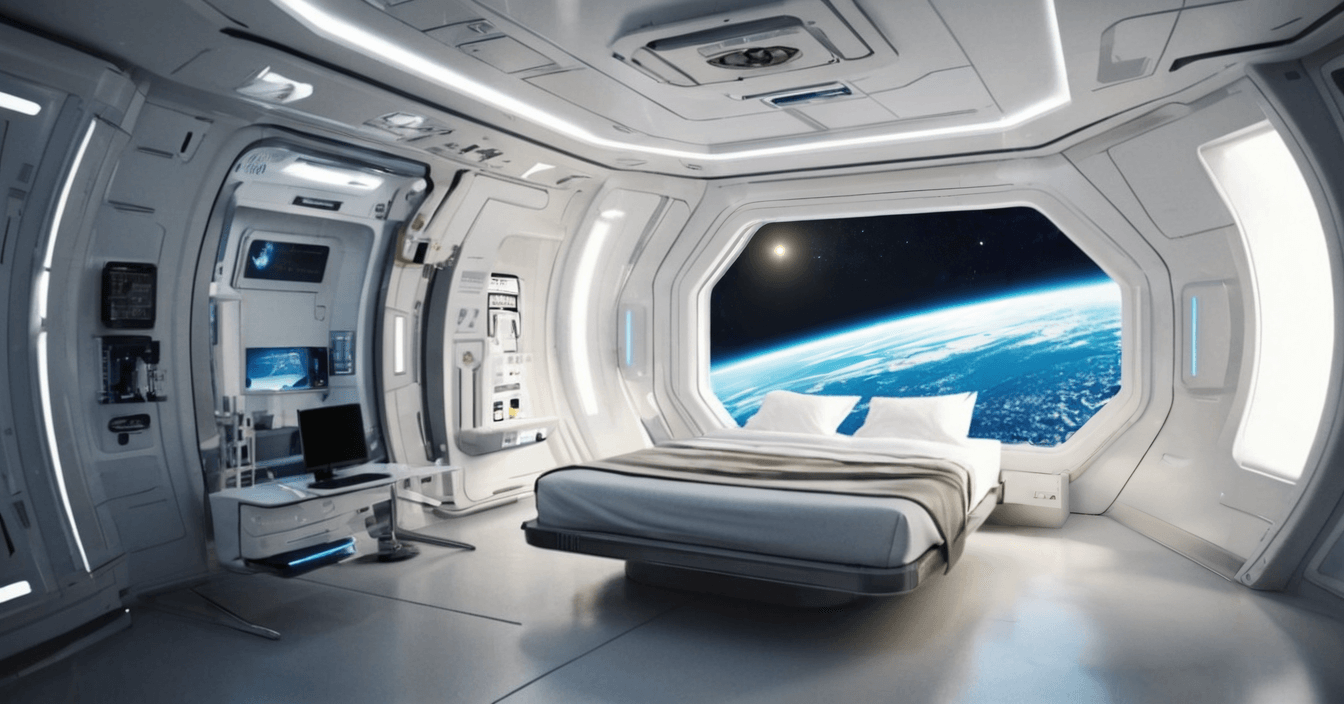
As the International Space Station nears retirement, private companies are stepping up to fill the void with their own space stations. Discover the key players and the potential impact on space exploration.

Launch of 21 new Starlink satellites, featuring cell phone connectivity, and updates on NASA and SpaceX collaborative missions.

Hanwha Systems in talks with MDA Space and Telesat for South Korean defense satellite constellation. SpaceX preps GPS satellite launch for Space Force. Seismic networks now track space junk reentry.

Rocket Lab Neutron's first launch is targeted for Q4 2026 after a tank test failure, backed by a new 5-launch deal. Plus Globalstar's 1,410 km refresh.
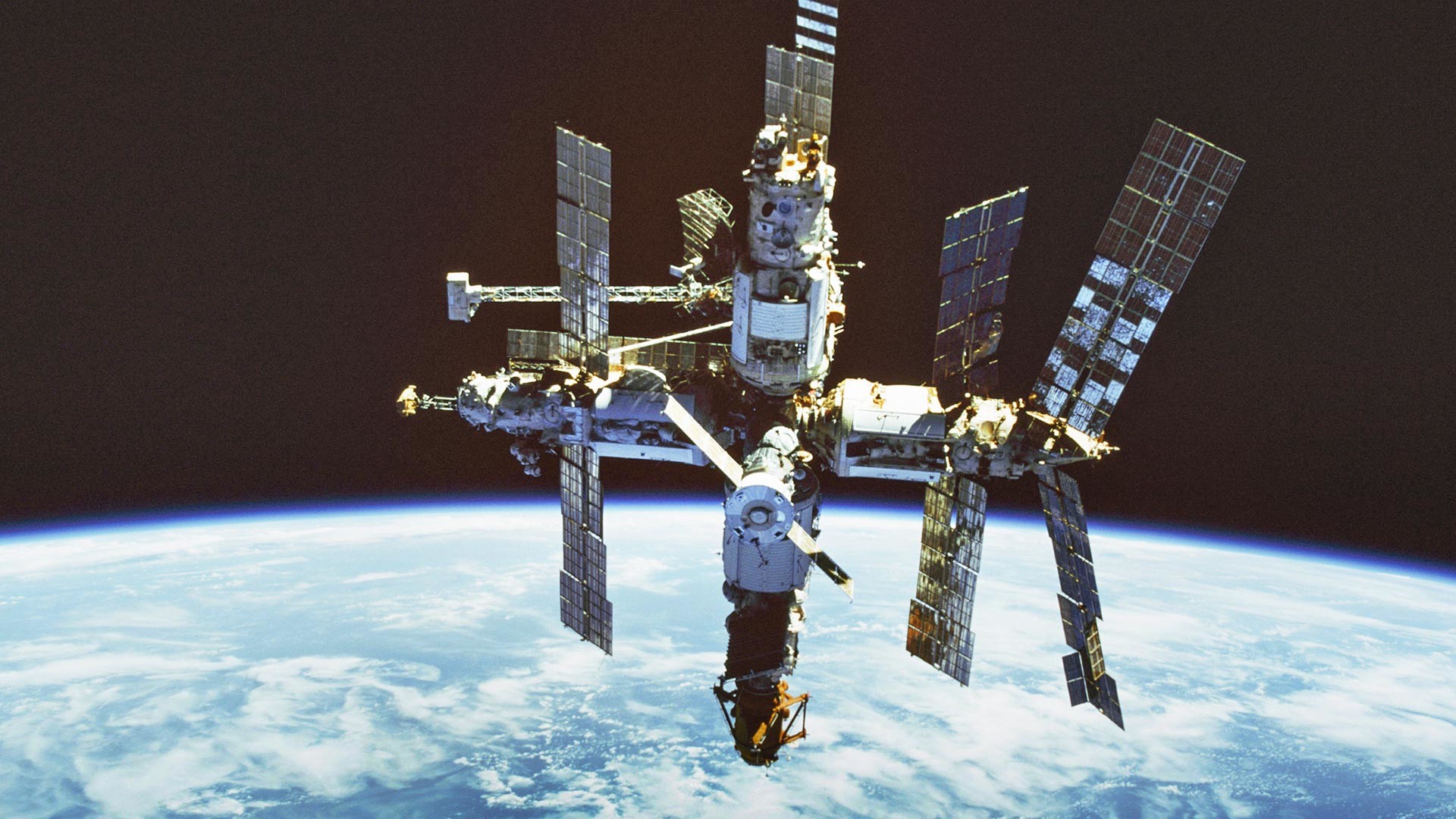
Forty years ago today, the USSR launched a 20-ton aluminum cylinder into low Earth orbit and called it 'Peace.' Over the next 15 years, Mir would host 104 people from 12 countries, survive a fire and a collision, and quietly teach humanity how to live in space.