COSMOS 844 DEB (09139)

COSPAR: N/A | Alt Name: deb Kosmos-844
DECAYED

Image
COSMOS 844 DEB Satellite Image
Additional Sources
Launch Details

Launch Date

July 22, 1976

Launch Site

PLMSC

Launch Pad

Unknown

Launch Vehicle

Unknown

Orbital Elements

NORAD ID

09139

International Designator

N/A

Decay Date

8/2/1976

Basic Satellite Info

Name

COSMOS 844 DEB

Alternative Name

deb Kosmos-844

Type

Debris

Status

Space Junk

Owner

TSSKB

Country

USSR

Constellation

N/A

Related Satellites

Major Events

N/A

Summary
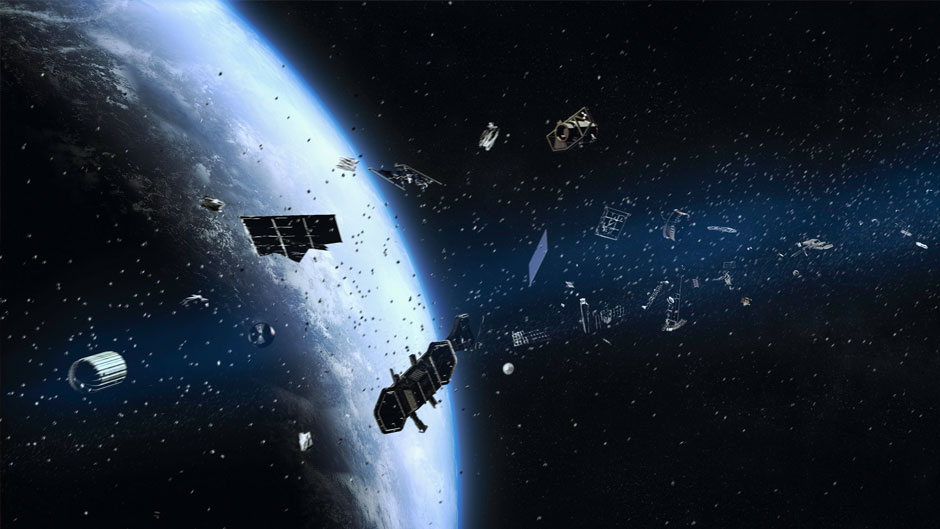
Space debris, also known as space junk, encompasses all non-functional objects orbiting Earth such as defunct satellites, spent rocket stages, and fragments from collisions or disintegrations. Over time, this debris can accumulate and create an increasingly hazardous environment in orbit. Even tiny fragments, traveling at extremely high velocities, can inflict significant damage on operational satellites and spacecraft. If left unmanaged, the density of debris raises the risk of catastrophic collisions and further fragmentation, compounding the problem and threatening the safety and sustainability of space activities.
Physical Characteristics

Length

0

Diameter

0

Span

0

Dry Mass

0

Launch Mass

0

Shape

N/A

Radar Cross Section

Unknown

Visual Magnitude

Unknown

Color

Unknown

Material Composition

Unknown

Technical Details

Payload

Unknown

Purpose

Unknown

Mission

Unknown

Manufacturer

Unknown

Life Expectancy

Unknown

Bus

Unknown

Configuration

Unknown

Motor

Unknown

Equipment

Unknown

Power System

Unknown

ADCS

Unknown

Transmitter Frequency

Unknown

Satellite Articles

View All Posts »

Learn more about satellites and other related topics.

NASA Postpones Spacewalk Over Medical Concern, Sierra Space Delivers SDA Satellites Early | KeepTrack Space Brief

NASA Postpones Spacewalk Over Medical Concern, Sierra Space Delivers SDA Satellites Early | KeepTrack Space Brief

NASA delays first 2026 spacewalk due to ISS crew medical issue. Sierra Space completes SDA Tranche 2 satellite structures ahead of schedule. Space Force advances Handle 2.0 standardization.

Aurora 7 and the Day NASA Almost Lost Scott Carpenter

Aurora 7 and the Day NASA Almost Lost Scott Carpenter

Exactly 64 years ago today, Scott Carpenter became the fourth American to orbit the Earth aboard Aurora 7. His five-hour flight produced new science, a tense reentry, and 39 minutes of silence in which the country wondered if it had just lost its astronaut.

The Day Space Station Crews Gained Their Window on the World

The Day Space Station Crews Gained Their Window on the World

Fifteen years ago, Space Shuttle Endeavour launched on a mission that would give International Space Station astronauts their most spectacular view of Earth through the innovative Cupola observatory

Space Brief 24 Jun 2025

Space Brief 24 Jun 2025

Today's top space events include a new military satellite launch by York Space, advancements in phased array antennas by Space Force, and the debut of Denmark's Arctic satellite. Also covered are developments in Starlink's services in Vietnam.

X Report 22 May 2025

X Report 22 May 2025

SpaceX successfully launched 23 Starlink satellites on a brand-new Falcon 9 rocket, while preparations ramp up for Starship Flight 9 and a pioneering commercial docking mission approaches.

SpaceX IPO Raises $75B, SPCX Surges 20% on Day One | KeepTrack X Report

SpaceX IPO Raises $75B, SPCX Surges 20% on Day One | KeepTrack X Report

SpaceX debuted on Nasdaq as SPCX at $135/share, raising a record $75B and pushing Elon Musk's net worth past $1 trillion for the first time.

The Kessler Syndrome

The Kessler Syndrome

The Kessler Syndrome threatens humanity's future in space as cascading satellite collisions create exponential debris growth. With 36,000+ tracked objects and recent incidents accelerating risks, we face a critical juncture: implement solutions now or potentially lose access to low Earth orbit forever.

X Report 7 Dec 2025

X Report 7 Dec 2025

SpaceX receives approval for a new Starship launch complex, while Blue Origin capitalizes on potential challenges faced by SpaceX in lunar missions.