


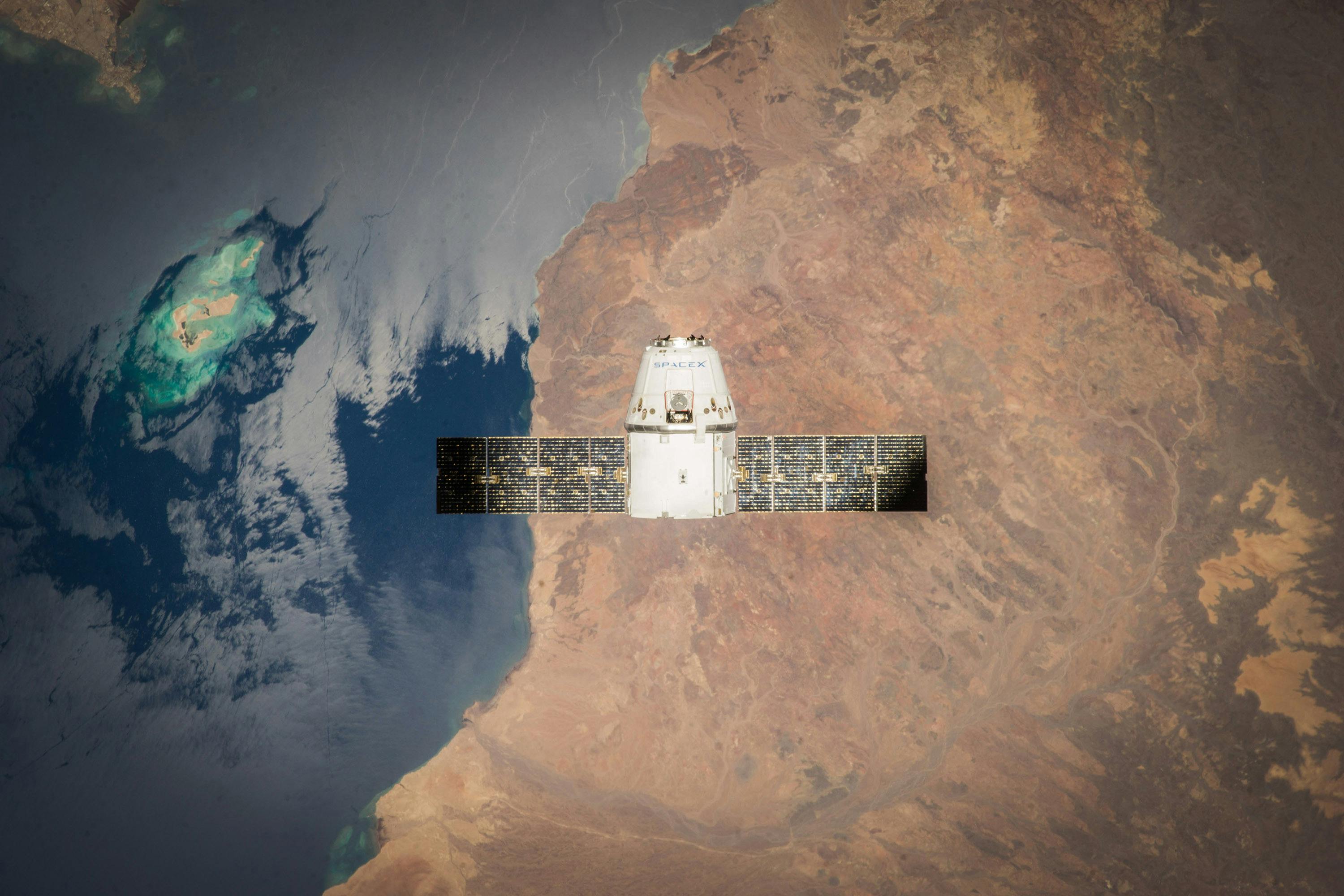
FAA Grounds Starship V3 for Mishap Probe, X Report 29 May 2026
FAA grounds Starship pending a mishap investigation into the V3 debut flight; return to flight hinges on FAA sign-off. Starlink 10-53 added 29 sats.


Launch Date
December 10, 2014
Launch Site
JSC
Launch Pad
LC603
Launch Vehicle
Chang Zheng 4C
NORAD ID
69731
International Designator
2014-080L
Epoch
Sun, 19 Jul 2026 17:06:17 GMT
Apogee
Calculating...
Perigee
Calculating...
Inclination
63.37°
Right Ascension
211.36°
Eccentricity
Calculating...
Argument of Perigee
8.65°
Period
105.56 min
Mean Motion
13.64 rev/day
Latitude
Calculating...
Longitude
Calculating...
Altitude
Calculating...
Velocity
Calculating...
Name
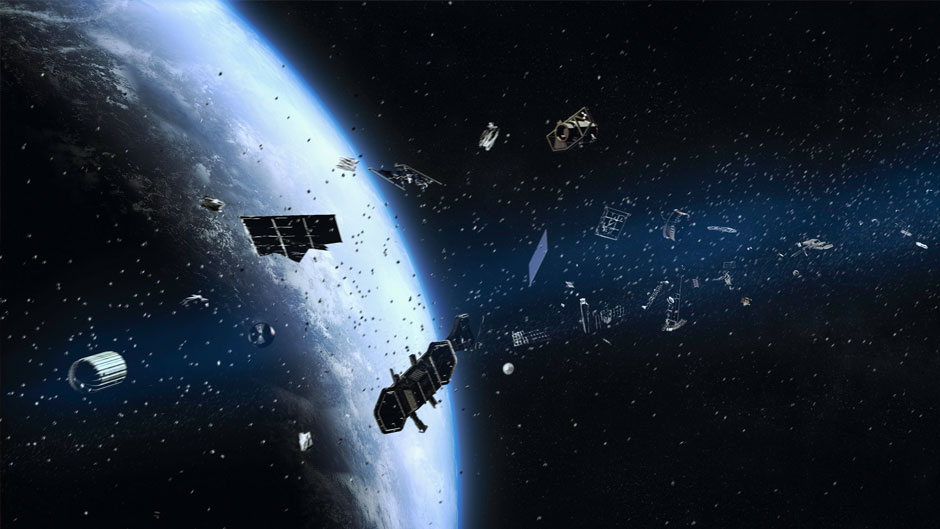
YAOGAN 25C DEB
Alternative Name
N/A
Type
Status
Owner
ZZB
Country
China
Constellation
N/A
Related Satellites
Major Events
N/A
1 69731U 14080L 26200.71270028 .00010495 00000+0 90054-2 0 9994
2 69731 63.3678 211.3597 0337292 8.6514 352.0138 13.64089733 35261
Source: Celestrak
Length
0.0
Diameter
0.0
Span
0.0
Dry Mass
0
Launch Mass
0
Shape
N/A
Radar Cross Section
Unknown
Visual Magnitude
Unknown
Color
Unknown
Material Composition
Unknown
Payload
Unknown
Purpose
Unknown
Mission
Unknown
Manufacturer
CAST
Life Expectancy
Unknown
Bus
Unknown
Configuration
Unknown
Motor
Unknown
Equipment
Unknown
Power System
Unknown
ADCS
Unknown
Transmitter Frequency
Unknown
Learn more about satellites and other related topics.
FAA grounds Starship pending a mishap investigation into the V3 debut flight; return to flight hinges on FAA sign-off. Starlink 10-53 added 29 sats.

Today's Space Brief covers a Soyuz launch mishap that damaged Baikonur pad, Varda Space's AFRL test flights, ION vehicles aboard SpaceX Transporter-15, and more.

SpaceX IPO paperwork stokes Tesla merger predictions: the amended S-1 sank Tesla stock 5% in a day. Starlink stands at 10,492 working satellites.

Starship Flight 7 scheduled for Jan 13, SpaceX sets Falcon 9 record, and NRO expands spy satellite constellation.
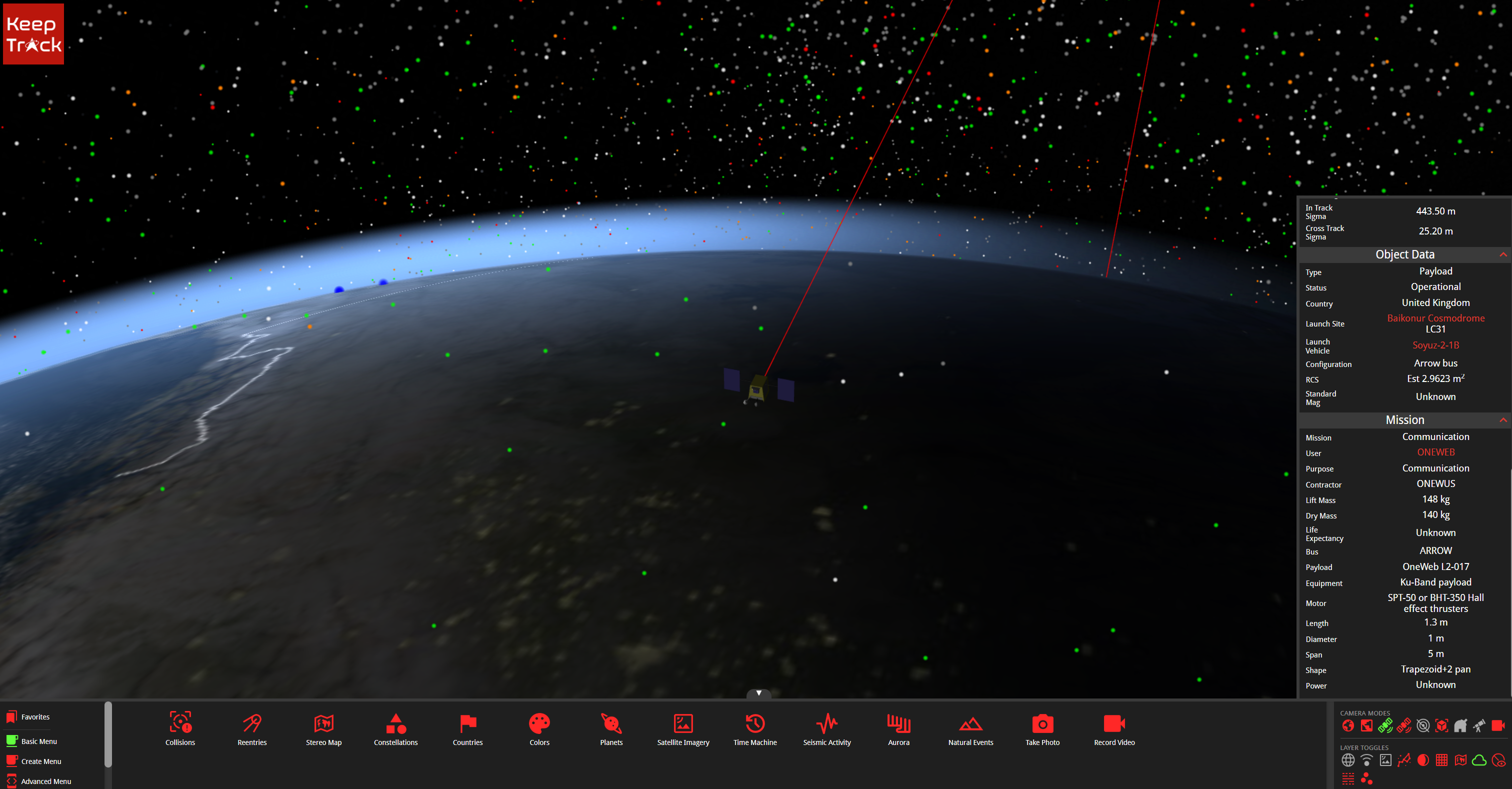
The evolution from simply tracking objects in orbit to understanding the full strategic picture of who is doing what in space, and why
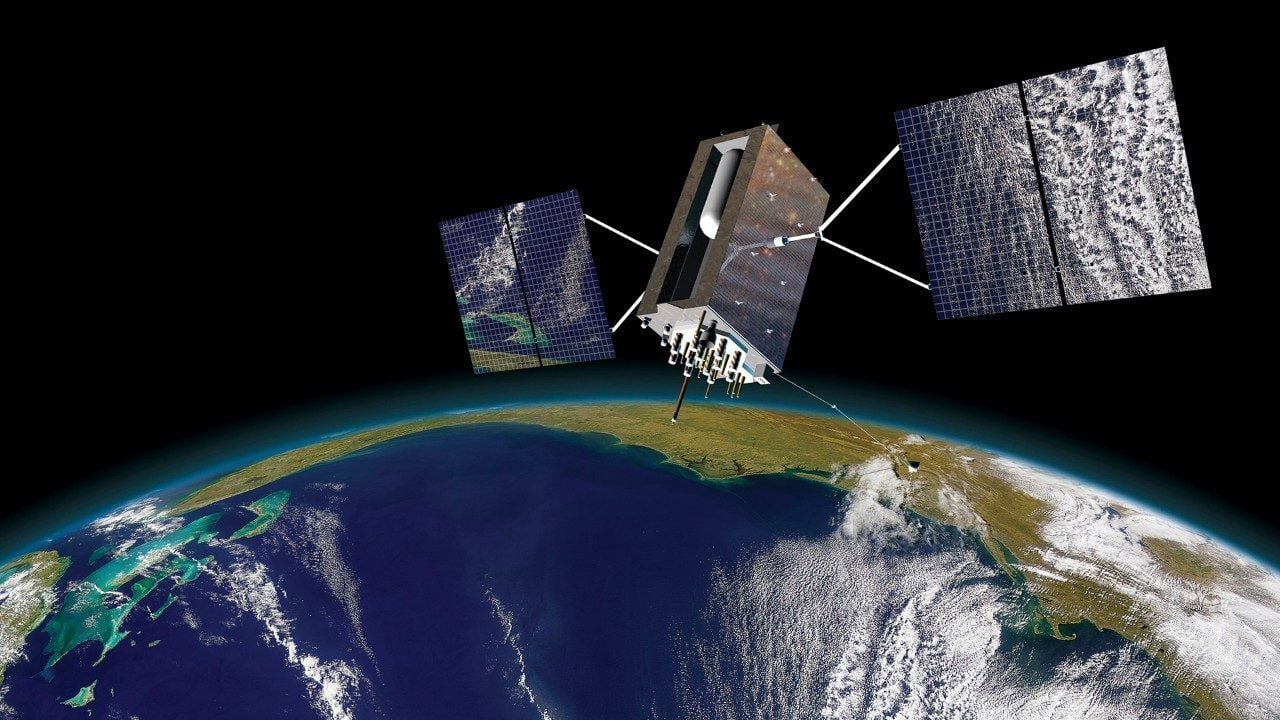
On April 17, 2026, the U.S. Space Force officially cancelled the Next Generation Operational Control System after sixteen years of development, cost overruns, and testing failures. The $8 billion program was supposed to unlock the military's encrypted GPS signal. Instead, the satellites are flying with capabilities the ground can't command.

Today's highlights include China's launch of Shijian-25 for on-orbit refueling tests, Pentagon's investment in defense technologies, and key military upgrades.
Today's brief covers a groundbreaking national security mission for ULA's Vulcan, NASA's collaboration with LeoLabs for enhanced collision avoidance, and SEOPS' new satellite tracking services, among other key developments.