


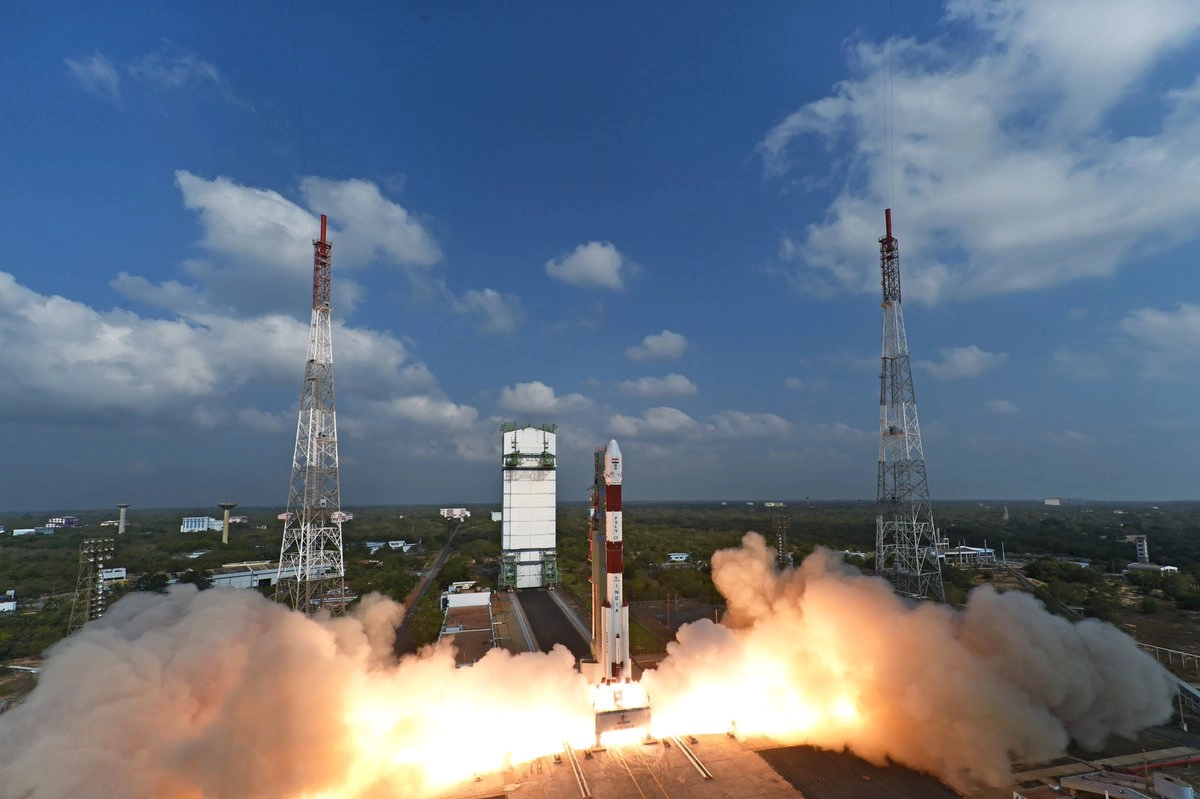
The Day Space Became Crowded
Eight years ago, a single Indian rocket launched 104 satellites into orbit, marking a pivotal moment when space tracking professionals realized the dawn of a new, congested era in orbital operations



Launch Date
May 1, 2026
Launch Site
Launch Pad
LC40
Launch Vehicle
NORAD ID
68967
International Designator
2026-099S
Epoch
Sun, 19 Jul 2026 16:25:58 GMT
Apogee
Calculating...
Perigee
Calculating...
Inclination
53.16°
Right Ascension
9.21°
Eccentricity
Calculating...
Argument of Perigee
137.22°
Period
93.90 min
Mean Motion
15.34 rev/day
Latitude
Calculating...
Longitude
Calculating...
Altitude
Calculating...
Velocity
Calculating...
Name
STARLINK-36671
Alternative Name
N/A
Type
Status
Owner
SPXS
Country
United States
Constellation
N/A
Related Satellites
Major Events
N/A
1 68967U 26099S 26200.68471029 .00011992 00000+0 37514-3 0 9993
2 68967 53.1589 9.2100 0001602 137.2181 222.8946 15.33566944 12263
Source: Celestrak
Length
0.3
Diameter
4.1
Span
29.0
Dry Mass
530
Launch Mass
575
Shape
Box + pan
Radar Cross Section
Unknown
Visual Magnitude
Unknown
Color
Unknown
Material Composition
Unknown
Payload
Starlink Group 10-38-17
Purpose
Unknown
Mission
Unknown
Manufacturer
SPXS
Life Expectancy
Unknown
Bus
Starlink V2MO
Configuration
Unknown
Motor
Unknown
Equipment
Unknown
Power System
Unknown
ADCS
Unknown
Transmitter Frequency
Unknown
Learn more about satellites and other related topics.
Eight years ago, a single Indian rocket launched 104 satellites into orbit, marking a pivotal moment when space tracking professionals realized the dawn of a new, congested era in orbital operations
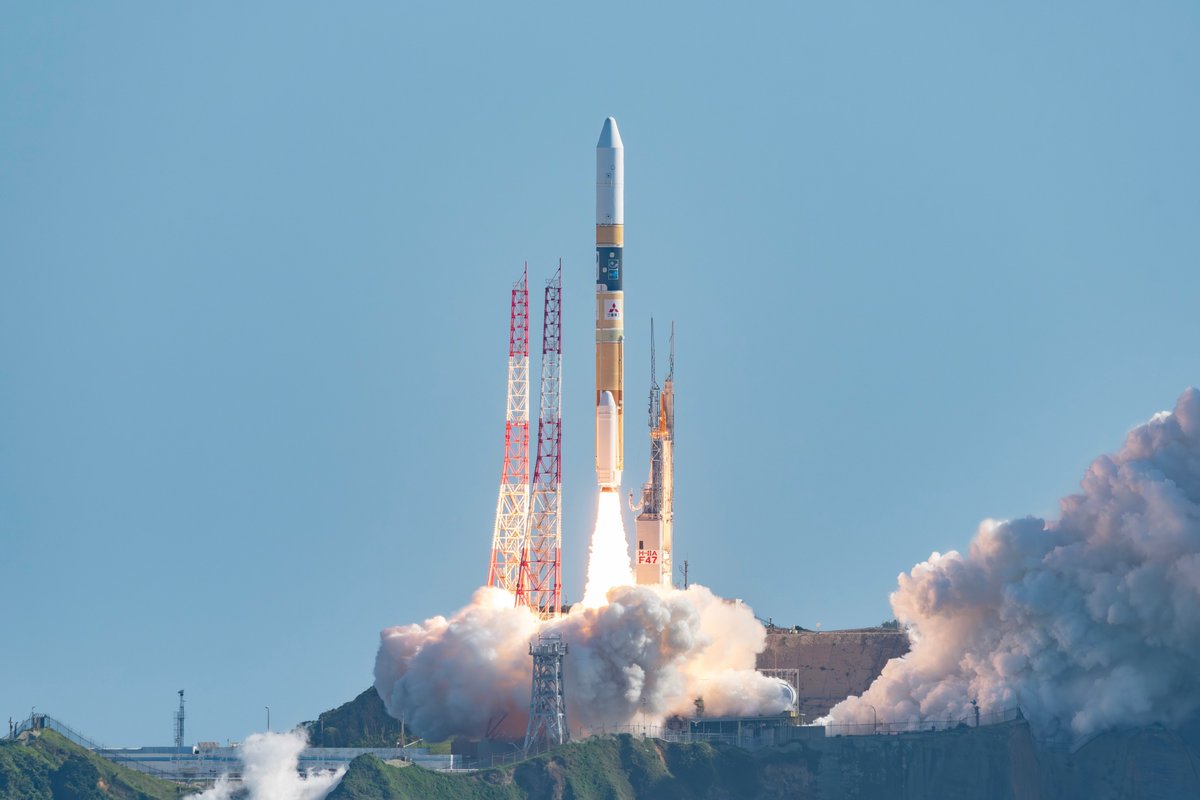
Today's updates cover crucial developments in satellite licensing reforms, defense cybersecurity, and AI integration within government sectors.
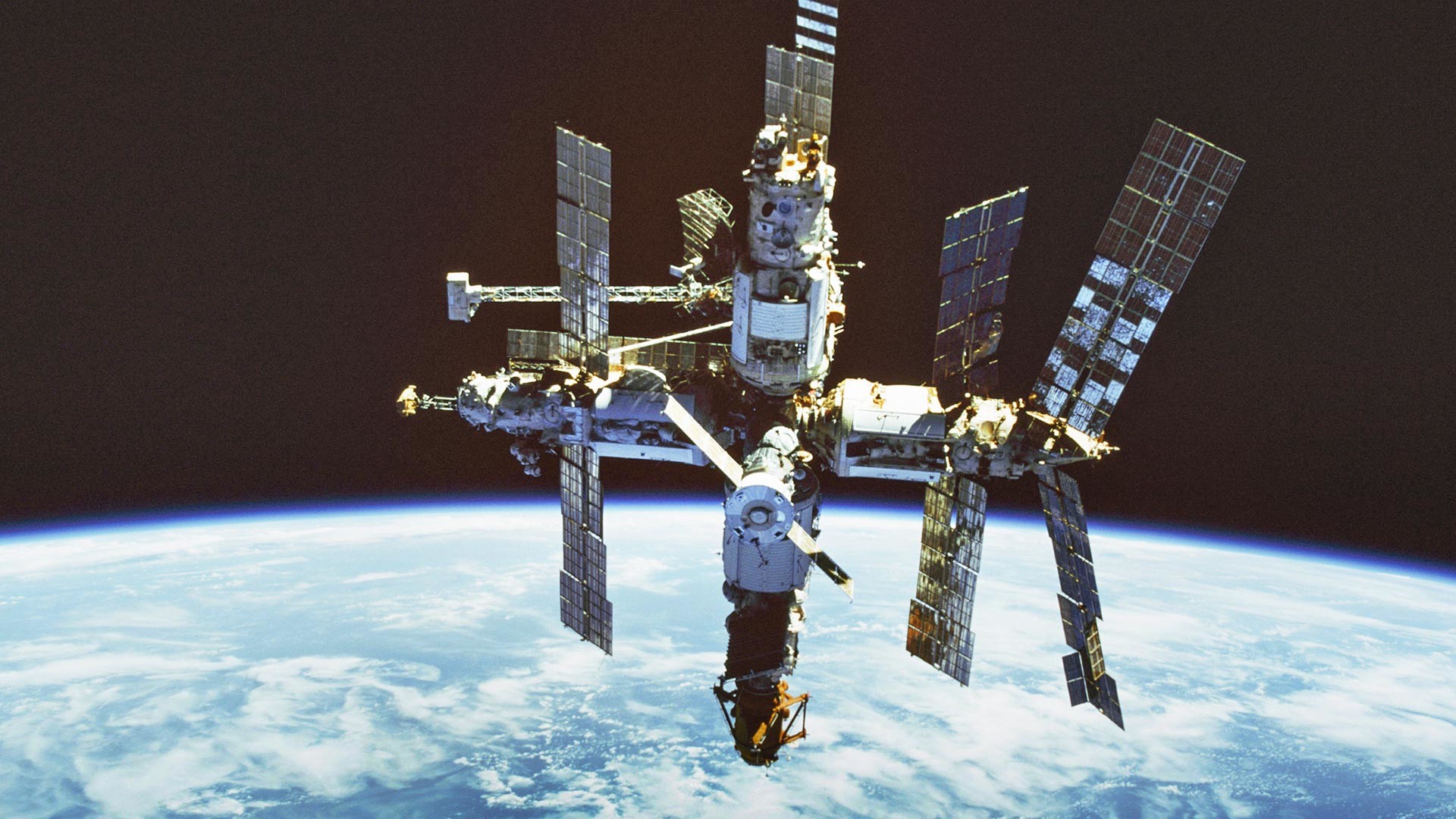
Forty years ago today, the USSR launched a 20-ton aluminum cylinder into low Earth orbit and called it 'Peace.' Over the next 15 years, Mir would host 104 people from 12 countries, survive a fire and a collision, and quietly teach humanity how to live in space.
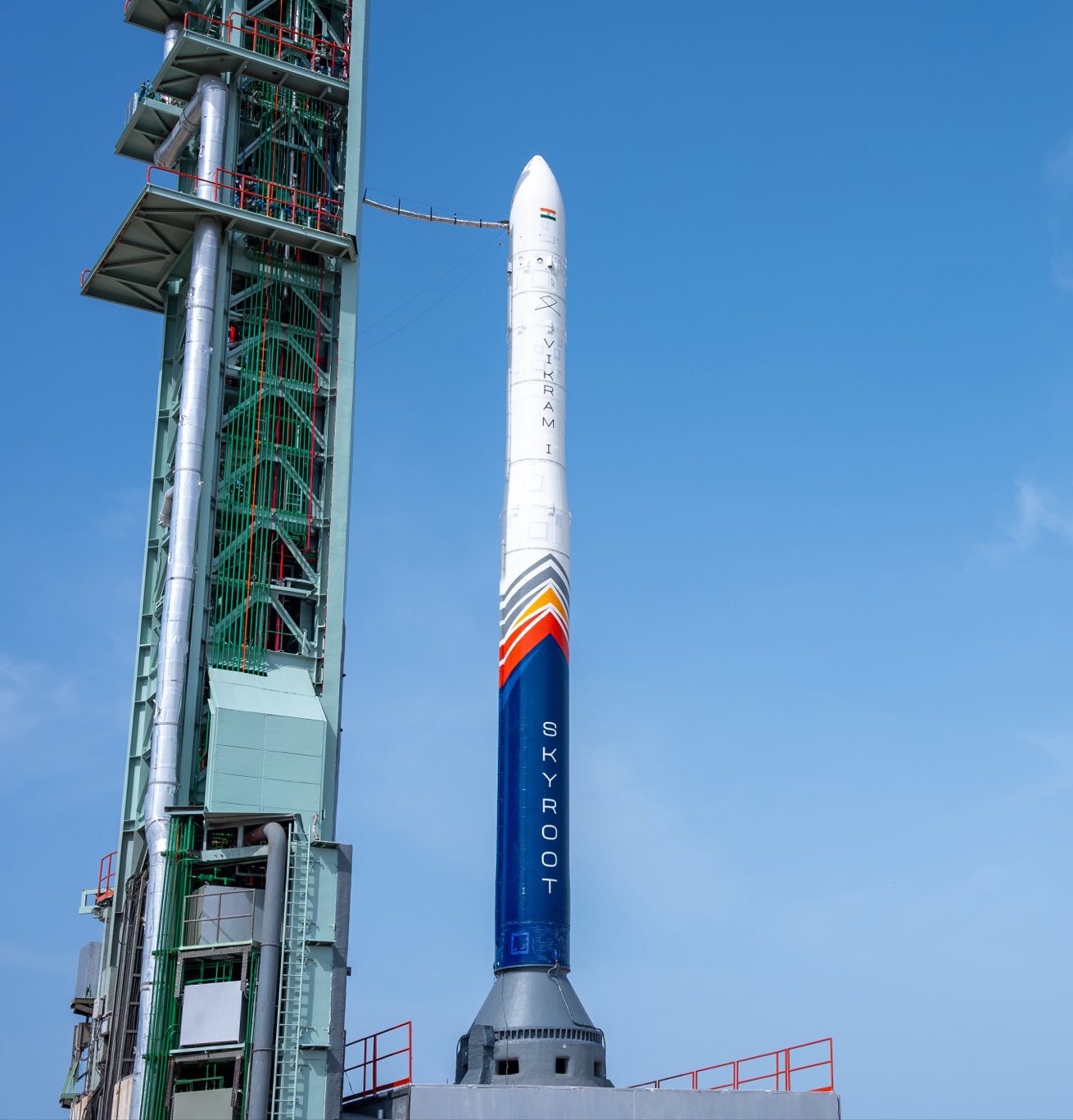
SpaceX launched 21 York Space Systems satellites for Space Development Agency's Tranche 1 Transport Layer, bringing SDA's military data-relay constellation to roughly half its planned size.
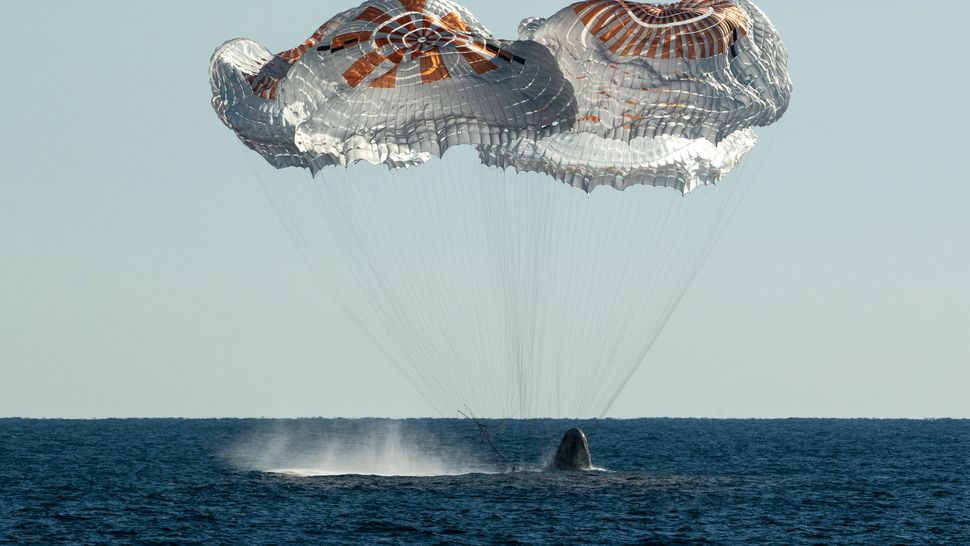
Today's highlights include Crew-8's return amid weather delays, new space tourism announcements by Deep Blue Aerospace, and Europe's efforts to combat space debris. Plus, another successful SpaceX launch and the ESA backed Zero Debris Charter gains international traction.
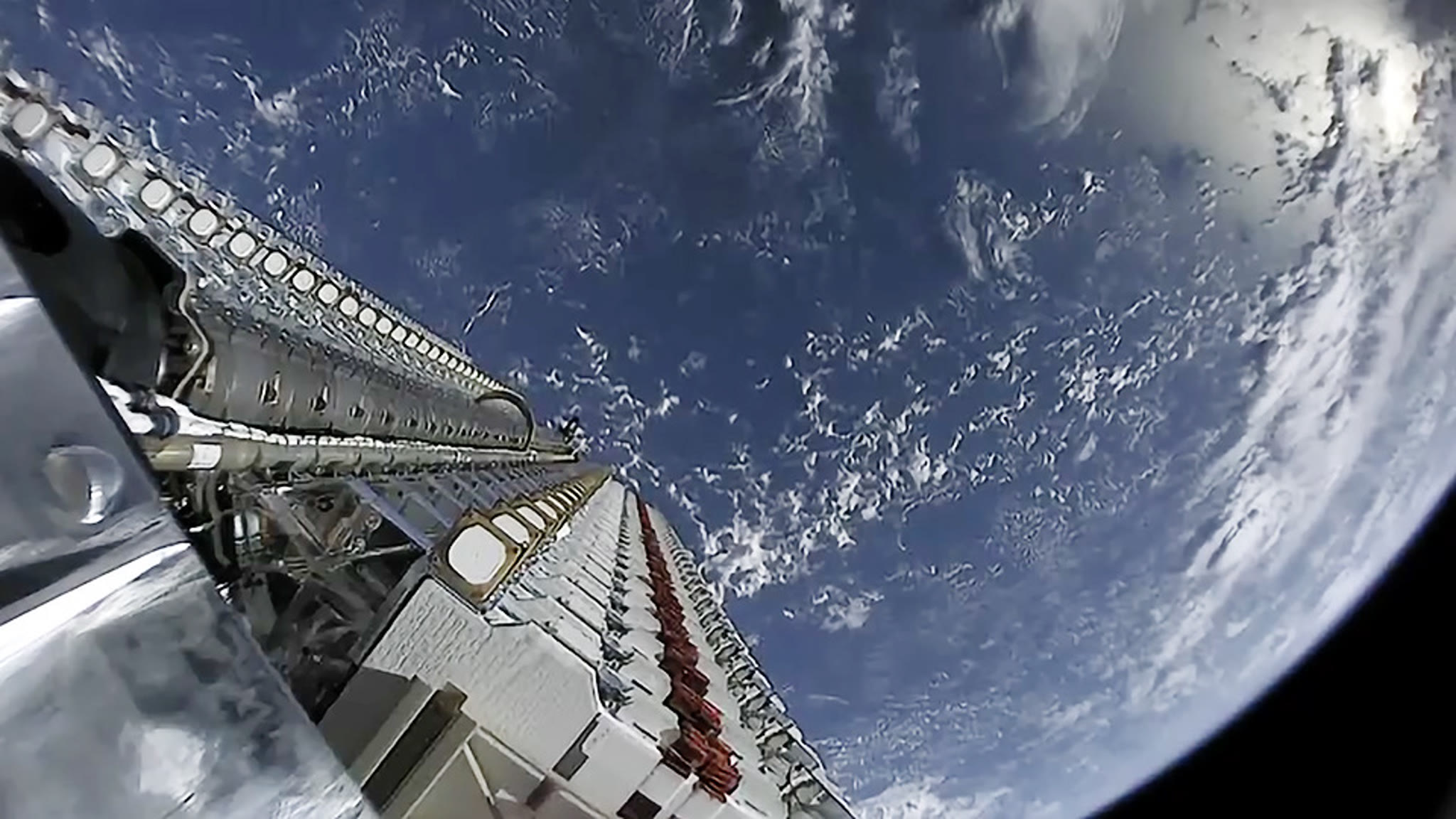
Starlink satellites fired their thrusters to dodge a collision roughly 300,000 times in 2025, about 822 times a day. Behind that number is a fragile, half-automated system of warnings, probabilities, and judgment calls that decides which close approaches are worth a maneuver and which are just noise.
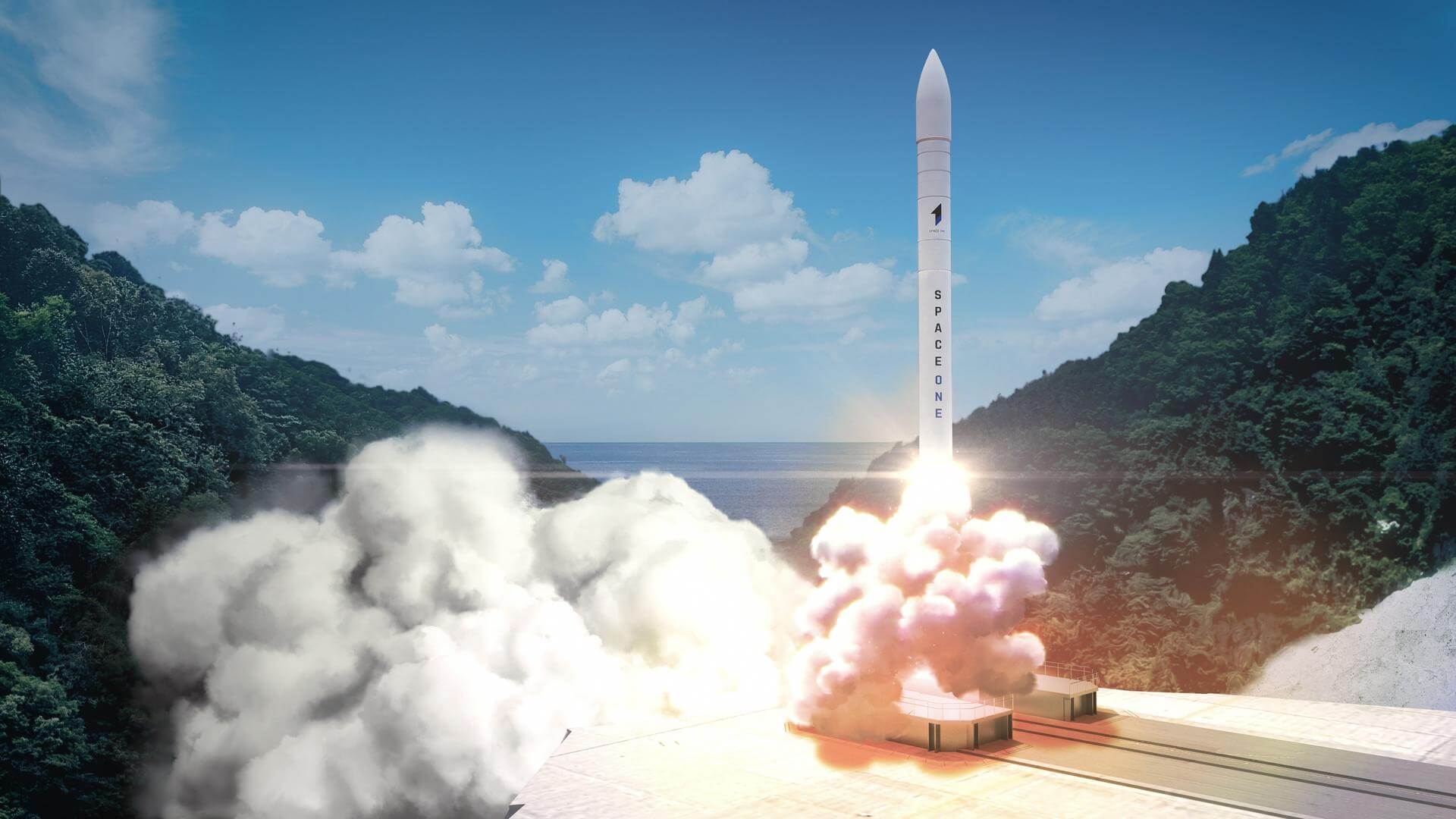
SpaceX reaches 600th Falcon 9 launch with Starlink 17-13 from Vandenberg. NASA SLS hydrogen leak repairs only partially successful. New book explores forces shaping space.
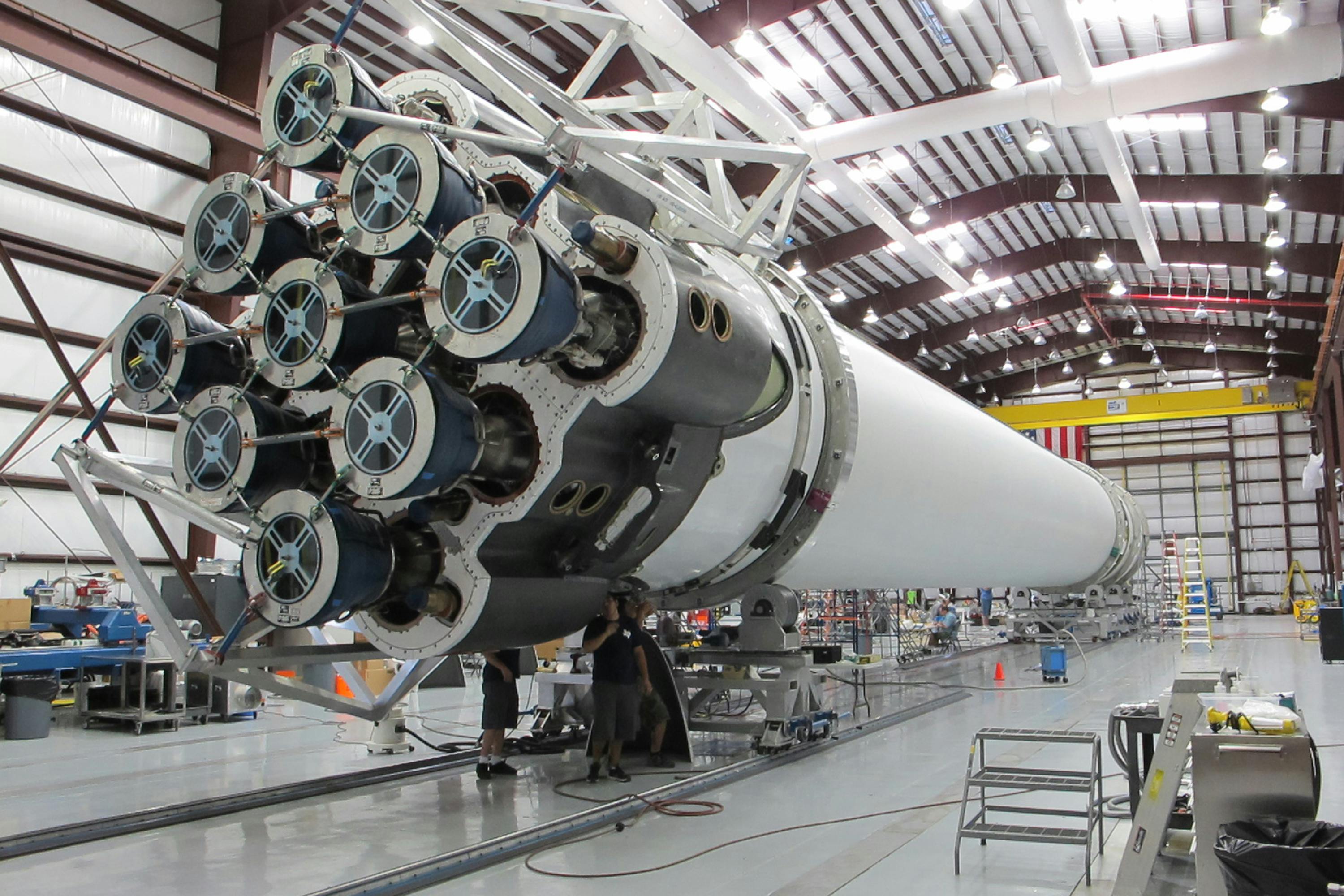
SpaceX faces setbacks with Starship Flight 8 amid debris fallout, achieves regulatory win for smartphone connectivity, and prepares for upcoming ISS missions.