


Space Brief 15 Apr 2025
Today's Space Brief covers Blue Origin's historic all-female spaceflight, the selection of companies for nuclear microreactor development by DIU, and NATO's adoption of AI technology for military planning.


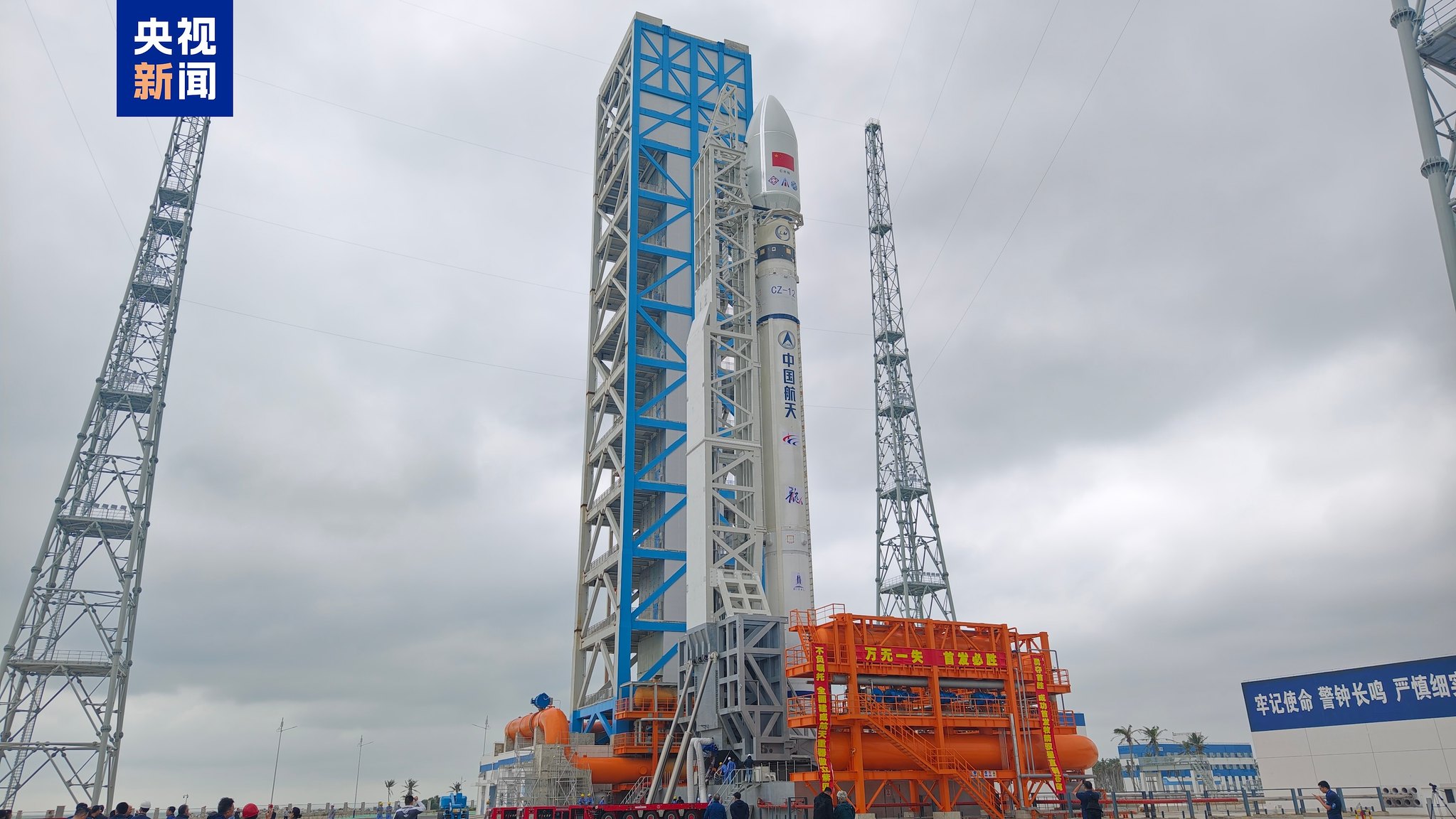
Launch Date
January 19, 2026
Launch Site
WSC
Launch Pad
LC2
Launch Vehicle
Chang Zheng 12
NORAD ID
67526
International Designator
2026-013E
Epoch
Sun, 19 Jul 2026 10:39:51 GMT
Apogee
Calculating...
Perigee
Calculating...
Inclination
50.00°
Right Ascension
239.80°
Eccentricity
Calculating...
Argument of Perigee
235.80°
Period
108.33 min
Mean Motion
13.29 rev/day
Latitude
Calculating...
Longitude
Calculating...
Altitude
Calculating...
Velocity
Calculating...
Name
HULIANWANG DIGUI-150
Alternative Name
N/A
Type
Status
Owner
ZXW
Country
China
Constellation
N/A
Related Satellites
Major Events
N/A
1 67526U 26013E 26200.44434400 -.00000173 00000+0 -10493-3 0 9993
2 67526 50.0034 239.7970 0001204 235.8022 124.2736 13.29324667 24369
Source: Celestrak
Apologies, there is no summary for this satellite yet. I am working to generate these for every object in the catalog, but it is going to take time.
Length
3.0
Diameter
1.0
Span
10.0
Dry Mass
800
Launch Mass
800
Shape
Box + 2 Pan
Radar Cross Section
Unknown
Visual Magnitude
Unknown
Color
Unknown
Material Composition
Unknown
Payload
Xingwang Digui 19-05
Purpose
Unknown
Mission
Unknown
Manufacturer
YINNT
Life Expectancy
Unknown
Bus
Xingwang Y
Configuration
Unknown
Motor
Unknown
Equipment
Unknown
Power System
Unknown
ADCS
Unknown
Transmitter Frequency
Unknown
Learn more about satellites and other related topics.
Today's Space Brief covers Blue Origin's historic all-female spaceflight, the selection of companies for nuclear microreactor development by DIU, and NATO's adoption of AI technology for military planning.

Space Force modernization stalls over workforce gaps. Deutsche Telekom targets 2028 for Starlink Mobile V2 across 10 EU nations. Iran ops strain US munition stocks.
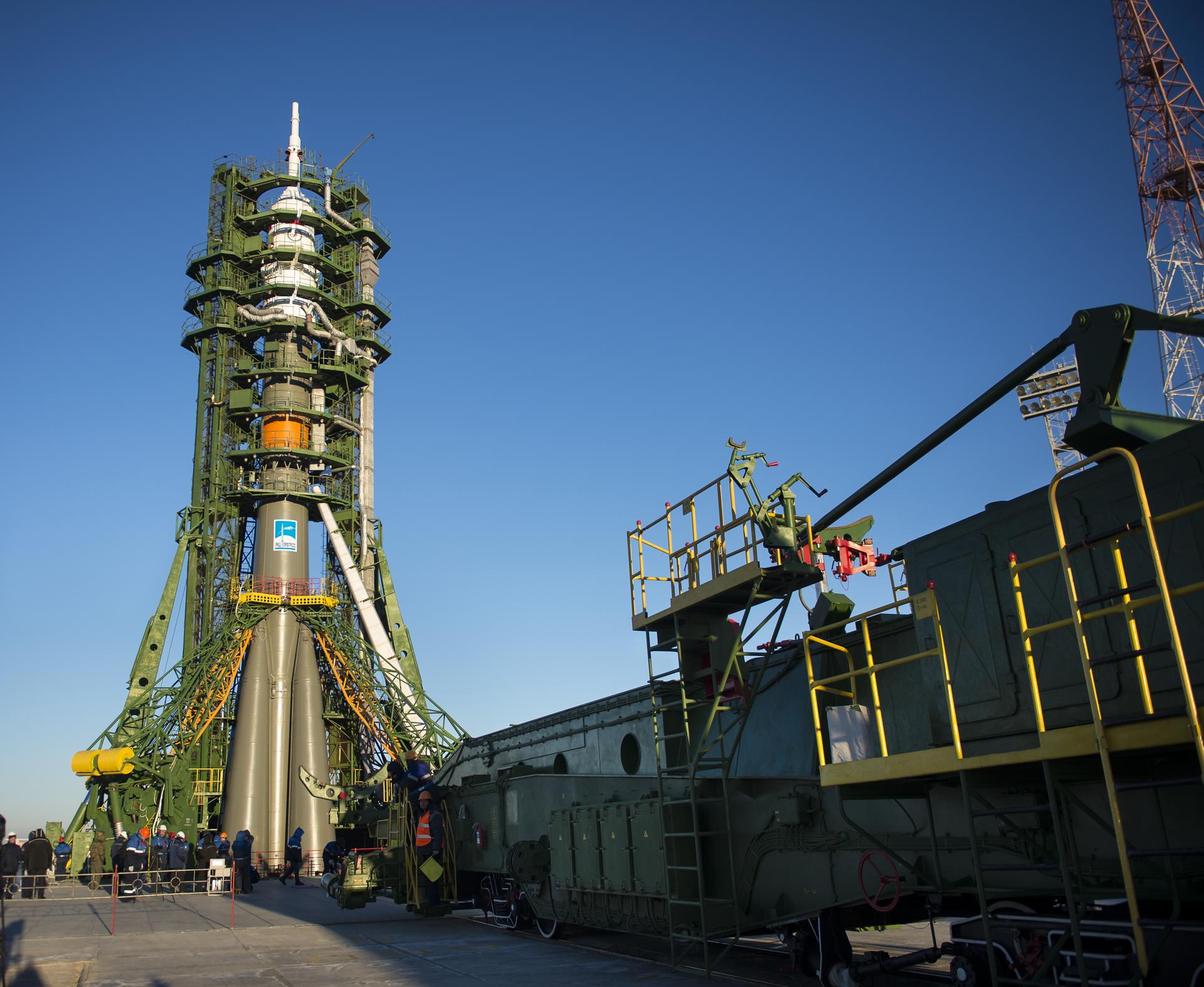
Iran calls Kowsar 1.5 a private-sector farming satellite. Its 3.45-meter camera, its sun-synchronous orbit, and the Russian rocket that carried it point somewhere else entirely.
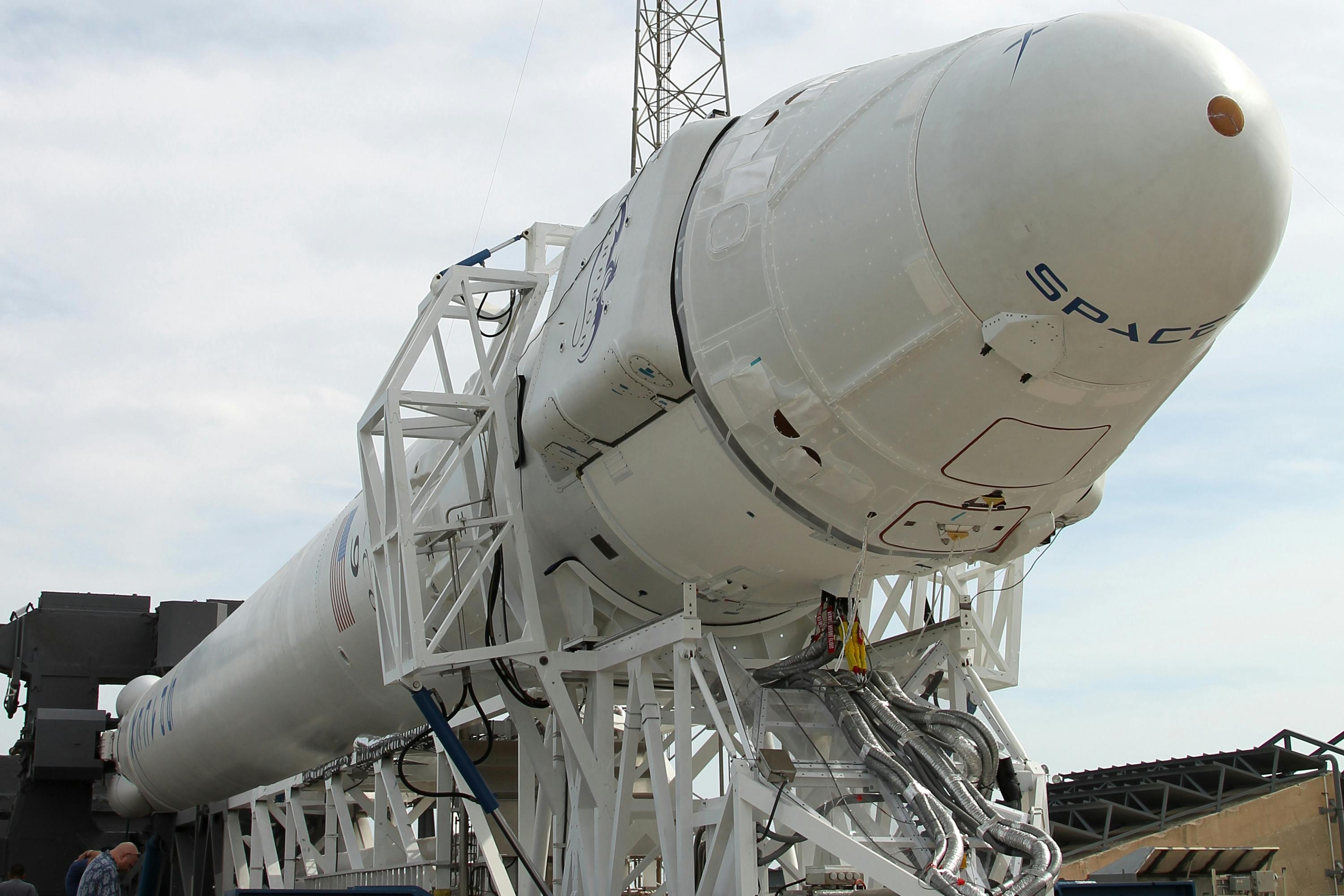
SpaceX's 13th NRO proliferated-arch mission lifted off May 11 as Starlink shuts its GPS-rival feature ahead of a looming IPO.

Vietnam approves Starlink with up to 600,000 terminals and 4 gateway stations. SpaceX hits 600th Falcon 9 launch. NASA's Isaacman plans Roscosmos meeting and Soyuz visit.

How a catastrophic fire in 1967 fundamentally altered NASA's approach to human spaceflight and continues to influence modern spacecraft design
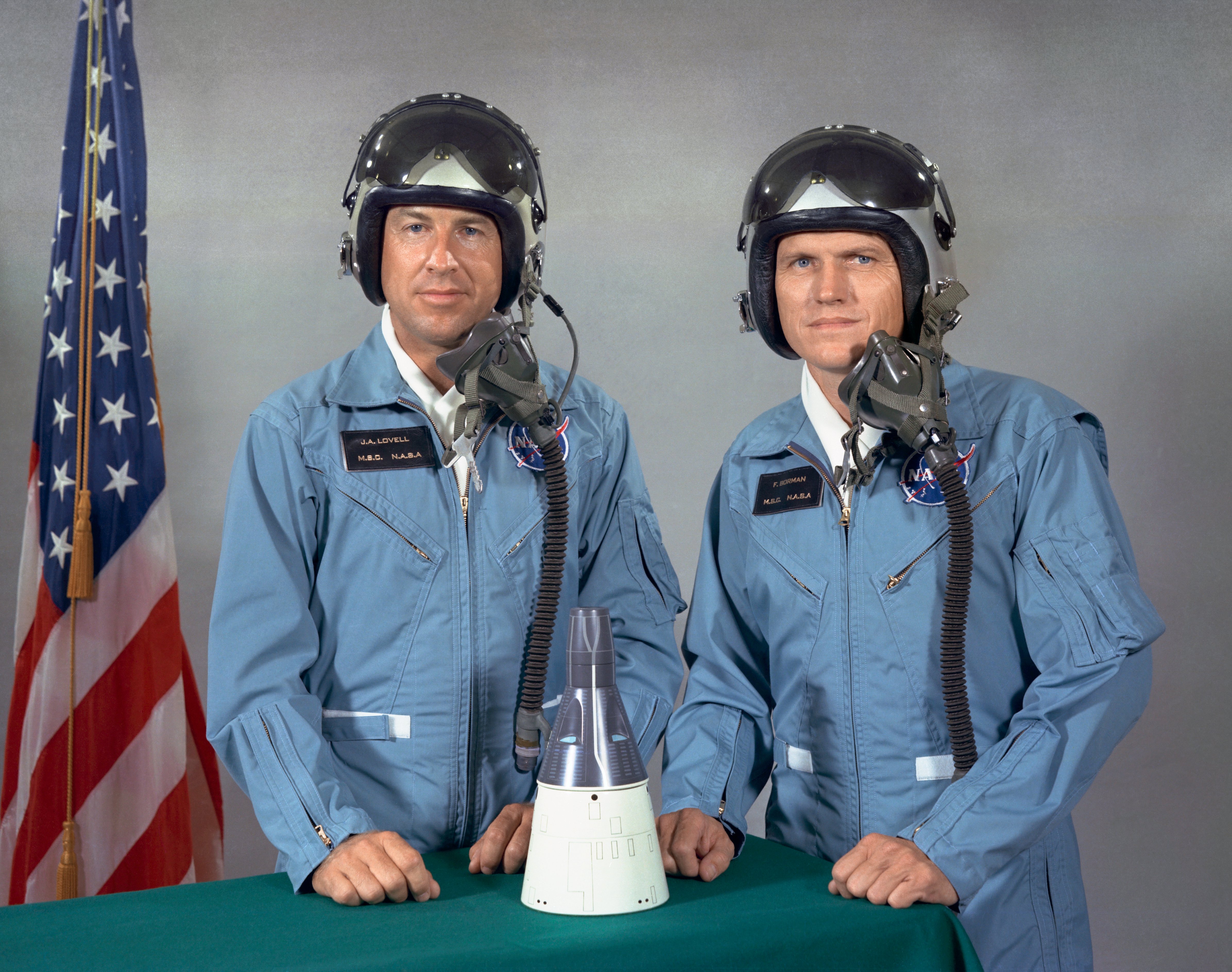
Sixty years ago, Frank Borman and James Lovell launched aboard Gemini 7 for a grueling 14-day mission that would prove humans could endure the journey to the moon and achieve the first true rendezvous in space

Falcon Heavy flew for the first time in eighteen months on April 29, 2026, expending its center core to push Viasat's final ViaSat-3 satellite toward geostationary orbit. The mission is a flagship rocket doing what only it can still do, for an operator betting six tons of high-throughput hardware on a market Starlink is rapidly redefining.