


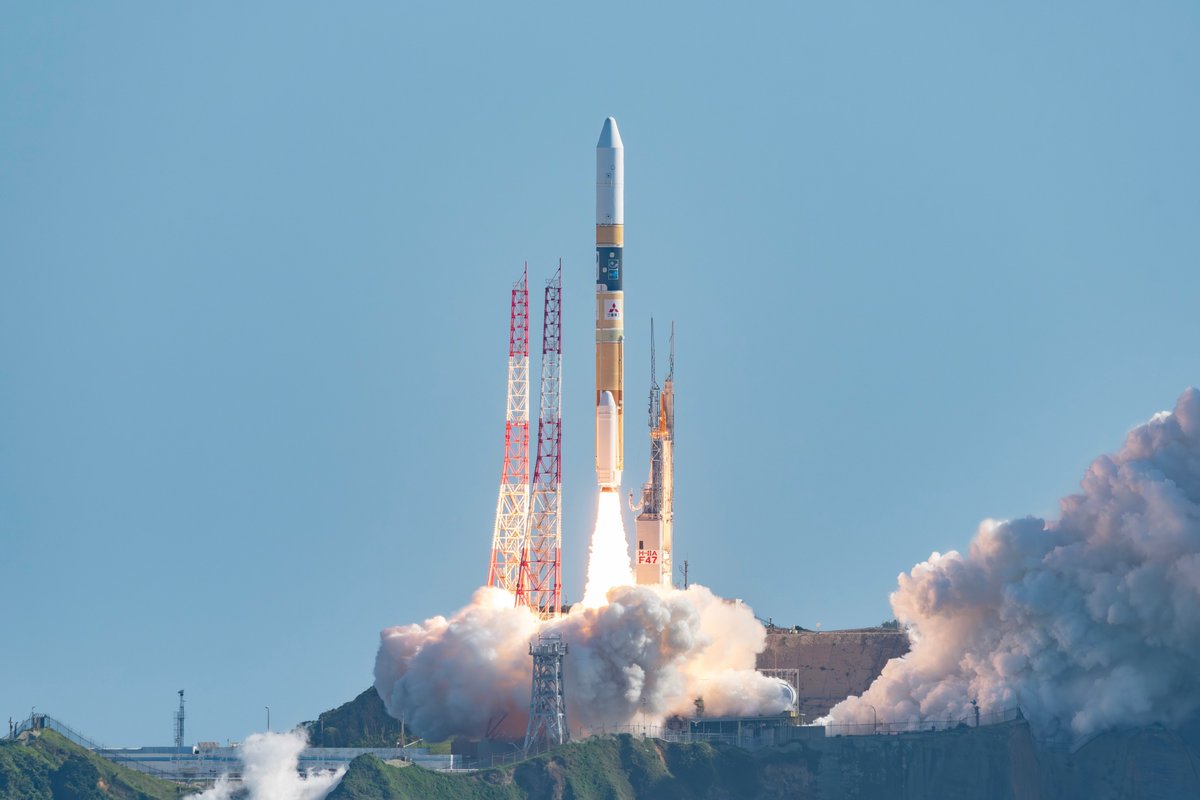
Space Brief 2 Jun 2025
Today's edition covers SpaceX's Starlink launch delay, a breakthrough in ceramic manufacturing for space, and Momentus's orbital tech demo, among other headlines.



NORAD ID
67087
International Designator
2025-298N
Epoch
Sun, 19 Jul 2026 20:11:34 GMT
Apogee
Calculating...
Perigee
Calculating...
Inclination
70.00°
Right Ascension
41.22°
Eccentricity
Calculating...
Argument of Perigee
271.35°
Period
96.11 min
Mean Motion
14.98 rev/day
Latitude
Calculating...
Longitude
Calculating...
Altitude
Calculating...
Velocity
Calculating...
Name
STARLINK-35842
Alternative Name
N/A
Type
Status
Owner
SPXS
Country
United States
Constellation
N/A
Related Satellites
Major Events
N/A
1 67087U 25298N 26200.84137519 .00002647 00000+0 22948-3 0 9998
2 67087 70.0011 41.2236 0002948 271.3509 88.7312 14.98336676 33016
Source: Celestrak
Length
0.3
Diameter
4.1
Span
29.0
Dry Mass
530
Launch Mass
575
Shape
Box + pan
Radar Cross Section
Unknown
Visual Magnitude
Unknown
Color
Unknown
Material Composition
Unknown
Payload
Starlink Group 15-12-13
Purpose
Unknown
Mission
Unknown
Manufacturer
SPXS
Life Expectancy
Unknown
Bus
Starlink V2MO
Configuration
Unknown
Motor
Unknown
Equipment
Unknown
Power System
Unknown
ADCS
Unknown
Transmitter Frequency
Unknown
Learn more about satellites and other related topics.
Today's edition covers SpaceX's Starlink launch delay, a breakthrough in ceramic manufacturing for space, and Momentus's orbital tech demo, among other headlines.
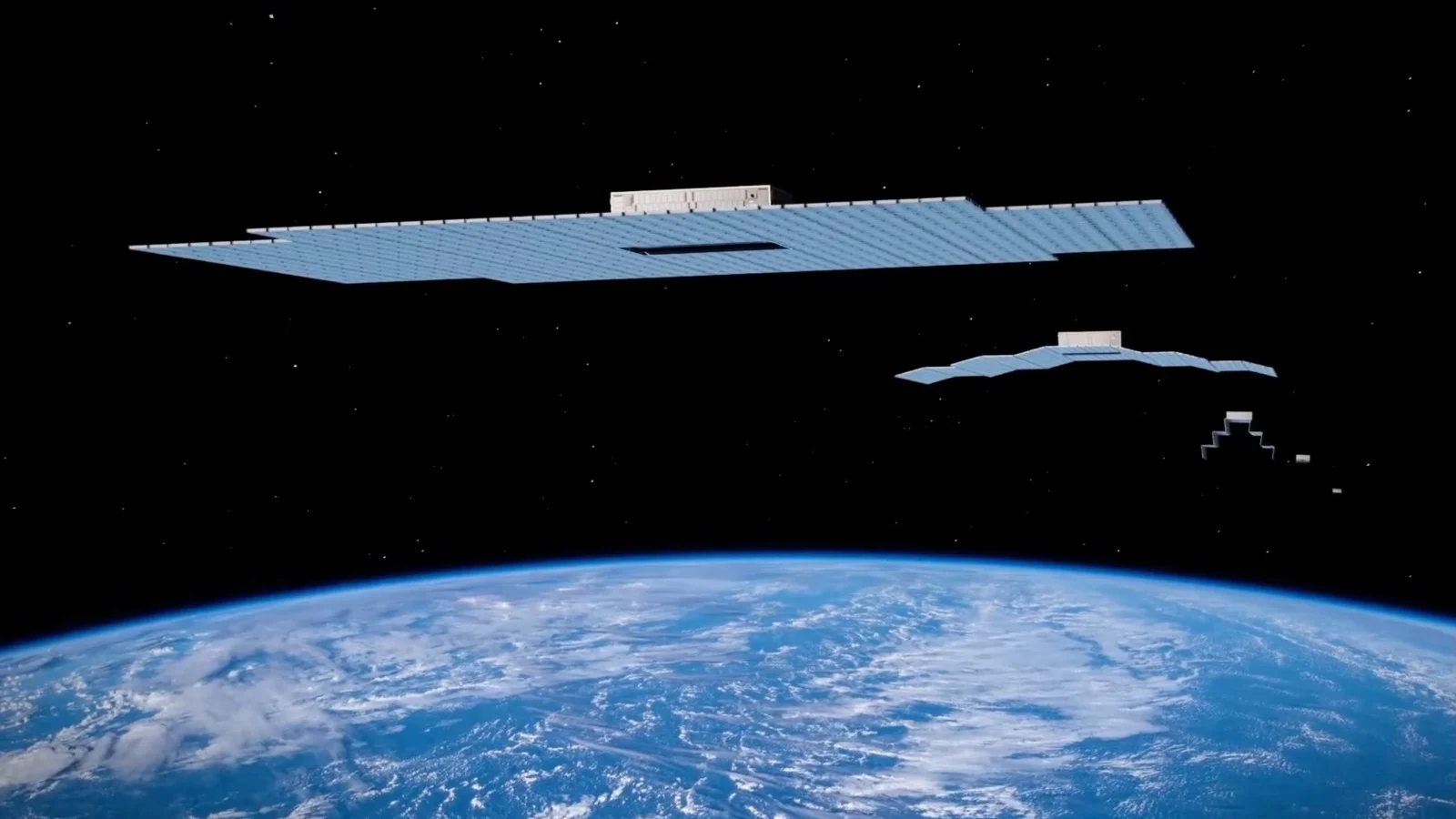
The largest commercial antenna ever deployed in low Earth orbit belongs to a company most people have never heard of. AST SpaceMobile's BlueBird 6 is either the future of cellular connectivity or the most ambitious overreach in telecom history - and it just finished unfolding.
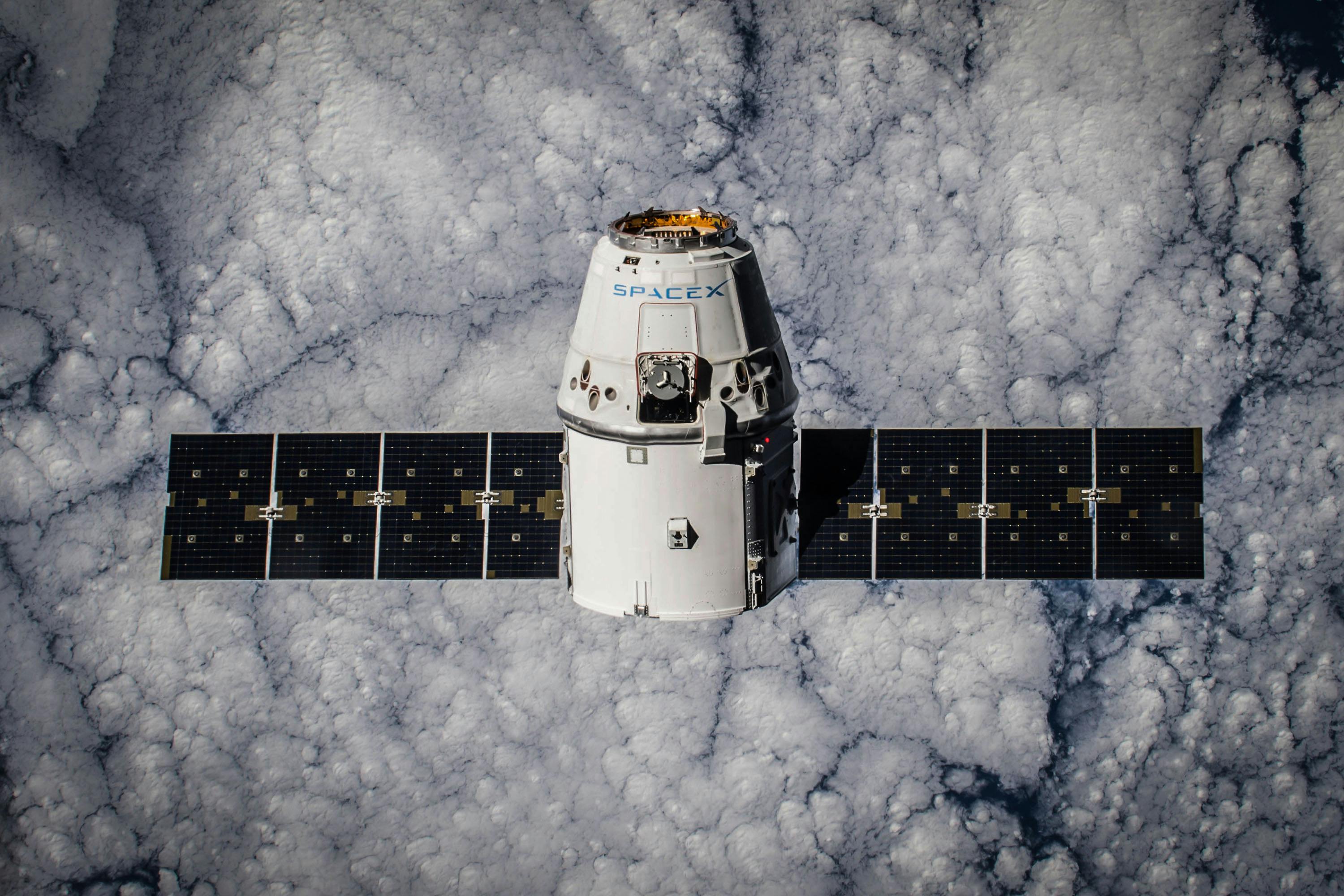
Today's brief highlights the U.S. Space Force's upcoming modular satellite mission, increased military reliance on commercial space intelligence, and the demand for expanded commercial reserve support. Learn more about these advancements alongside our Satellite Spotlight on Yaogan-30 B.
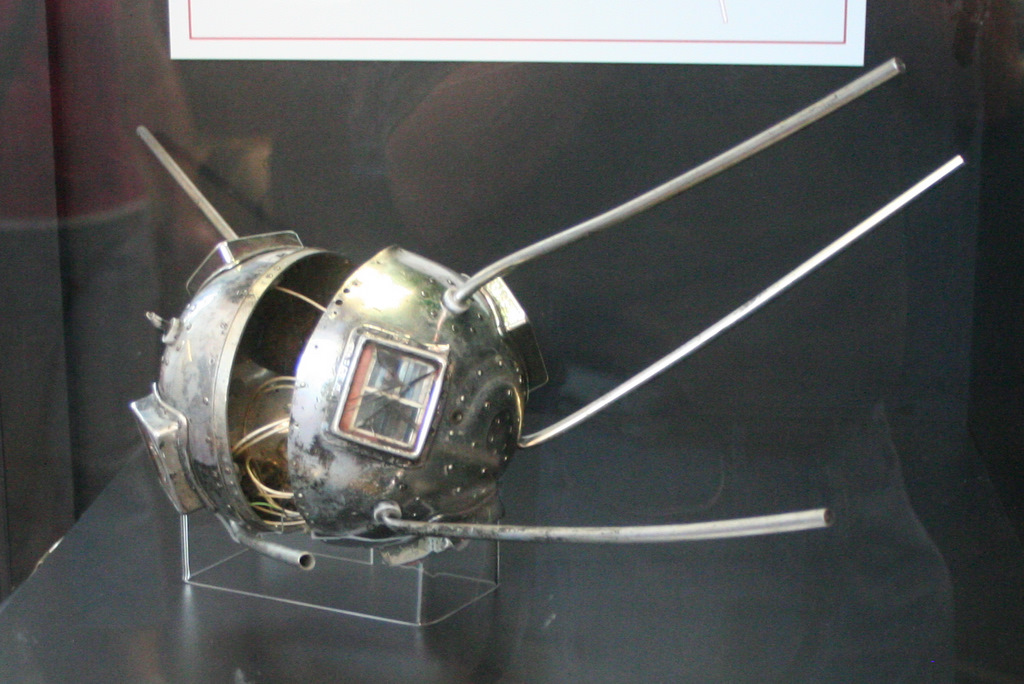
Sixty-eight years ago, America's first satellite exploded on the launchpad in front of the entire world. But from the ashes of Vanguard TV-3 came the determination that would eventually win the Space Race.
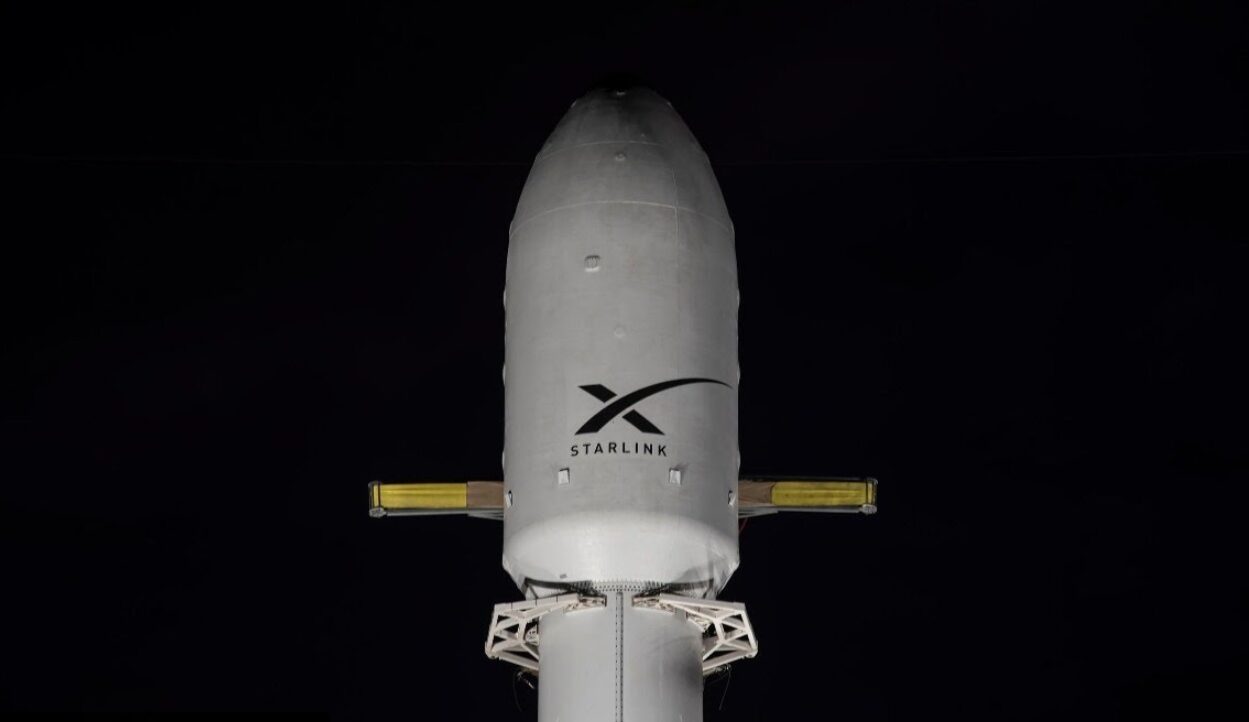
This week: SpaceX launched 21 SDA missile-tracking satellites, Soyuz MS-29 carried a new crew to the ISS, and Europe's space spending rose 12%.

Sentinel-2C sealed in Vega rocket fairing, ULA sale tidbit, Polaris Dawn mission updates, Norway's Andøya Spaceport ready for action, Harris commits to space leadership, NASA's latest smallsat launch partners, new members join NASA composite initiative, Mynaric's manufacturing hiccups, Rocket Factory Augsburg's turbopump snag, and Amazon boosts satellite deployment infrastructure.
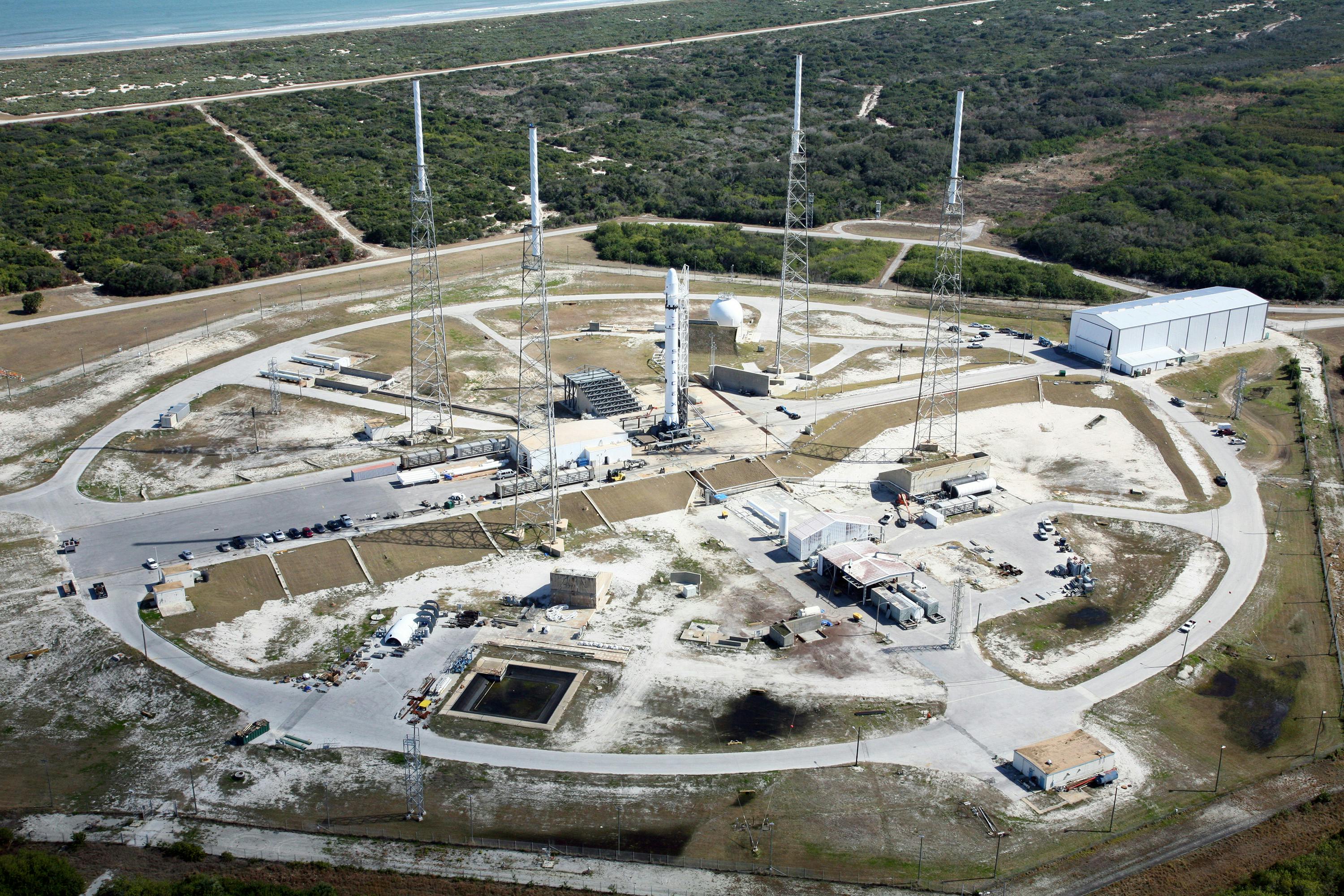
The FAA has approved an increase in Falcon 9 launches while reviewing the environmental impacts of Starship launches in Florida, amidst growing community concerns on noise and other issues related to the Starship program.
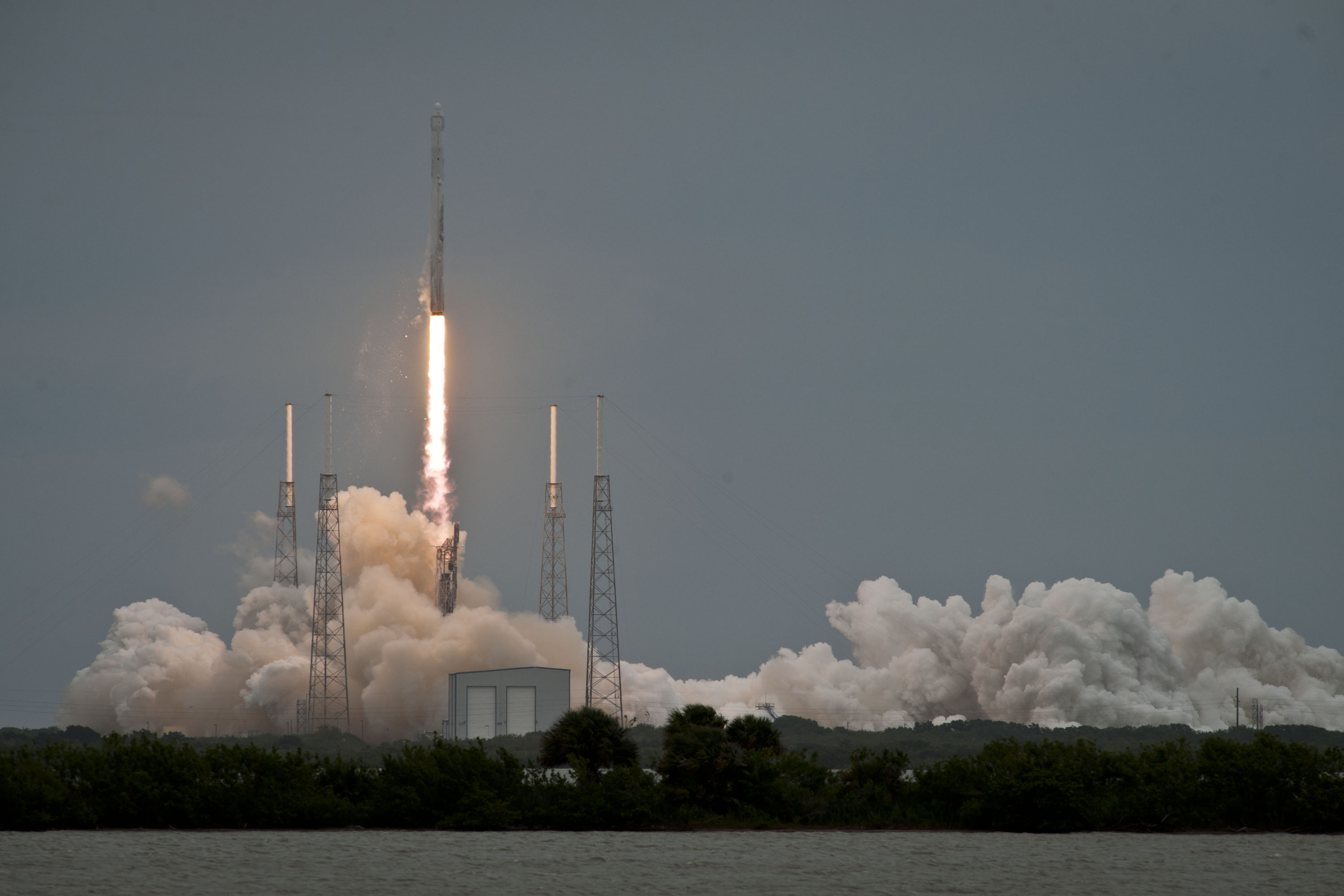
On April 18, 2014, a Falcon 9 first stage did something no orbital rocket had ever done before. It fired its engines on the way down, steered itself through the atmosphere using grid fins that did not yet exist, and touched the Atlantic Ocean softly enough to survive the impact. Nobody recovered it. The data was the whole point.