


X Report 8 May 2025
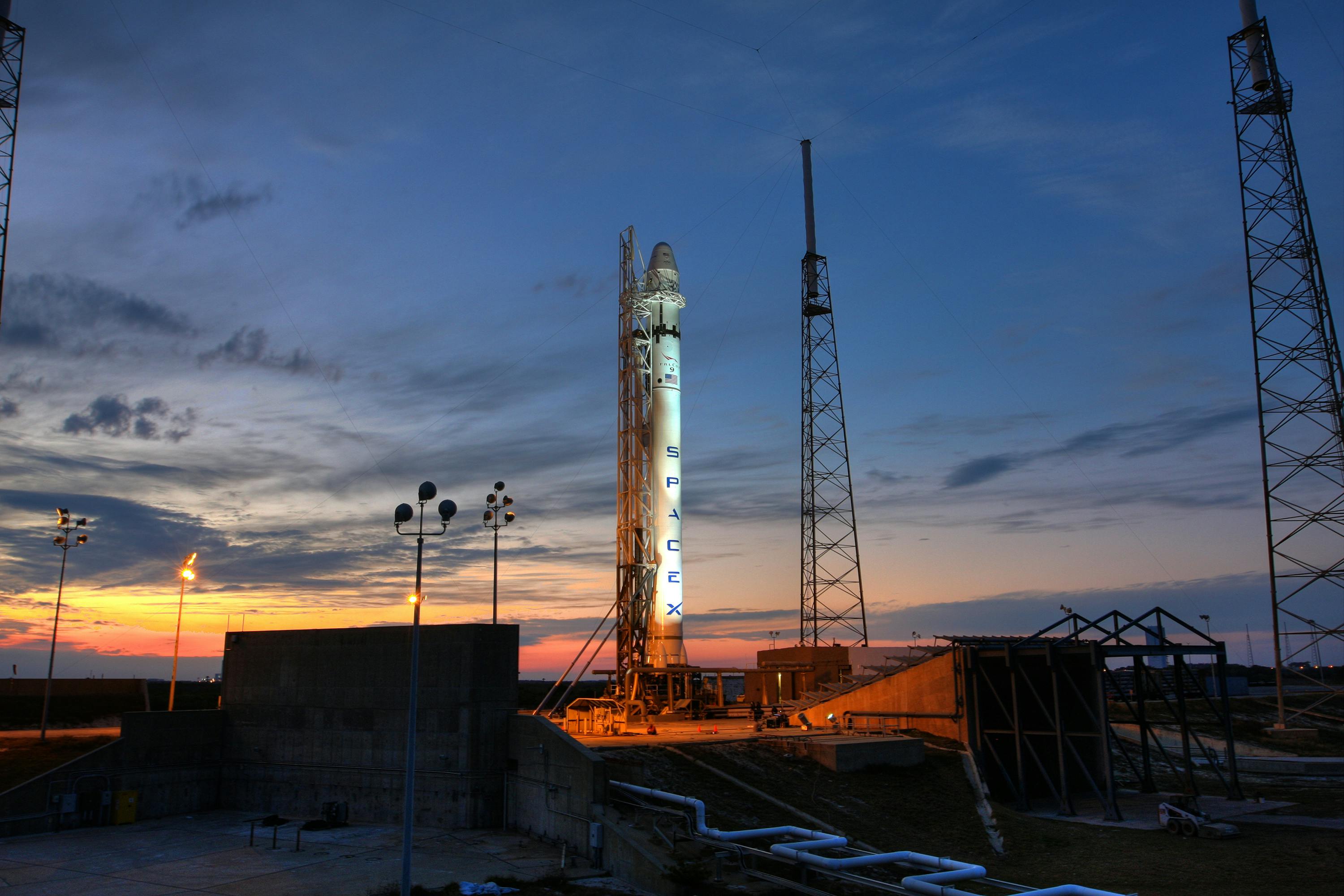
SpaceX launches 28 more Starlink satellites while addressing conflicts of interest and expanding home connectivity with a new router.


Launch Date
December 11, 2025
Launch Site
WSC
Launch Pad
LC2
Launch Vehicle
Chang Zheng 12
NORAD ID
67068
International Designator
2025-295K
Epoch
Sun, 19 Jul 2026 21:05:22 GMT
Apogee
Calculating...
Perigee
Calculating...
Inclination
49.99°
Right Ascension
143.02°
Eccentricity
Calculating...
Argument of Perigee
202.44°
Period
99.91 min
Mean Motion
14.41 rev/day
Latitude
Calculating...
Longitude
Calculating...
Altitude
Calculating...
Velocity
Calculating...
Name
CZ-12 R/B
Alternative Name
N/A
Type
Status
Owner
CNSA
Country
China
Constellation
N/A
Related Satellites
Major Events
N/A
1 67068U 25295K 26200.87872772 -.00000092 00000+0 22983-4 0 9997
2 67068 49.9924 143.0152 0056789 202.4406 157.4029 14.41225090 31713
Source: Celestrak
Length
10.0
Diameter
3.8
Span
10.0
Dry Mass
6000
Launch Mass
6000
Shape
Cyl
Radar Cross Section
Unknown
Visual Magnitude
Unknown
Color
Unknown
Material Composition
Unknown
Payload
CZ-12 Stage 2
Purpose
Unknown
Mission
Unknown
Manufacturer
SAST
Life Expectancy
Unknown
Bus
CZ-12 Stage 2
Configuration
Unknown
Motor
YF-115
Equipment
Unknown
Power System
Unknown
ADCS
Unknown
Transmitter Frequency
Unknown
Learn more about satellites and other related topics.
SpaceX launches 28 more Starlink satellites while addressing conflicts of interest and expanding home connectivity with a new router.

As humanity increasingly relies on satellites, the escalating space junk problem poses a dire threat to our space-based infrastructure. With debris counts reaching alarming levels, urgent action is needed to prevent a cascade of collisions that could make key orbits unusable.
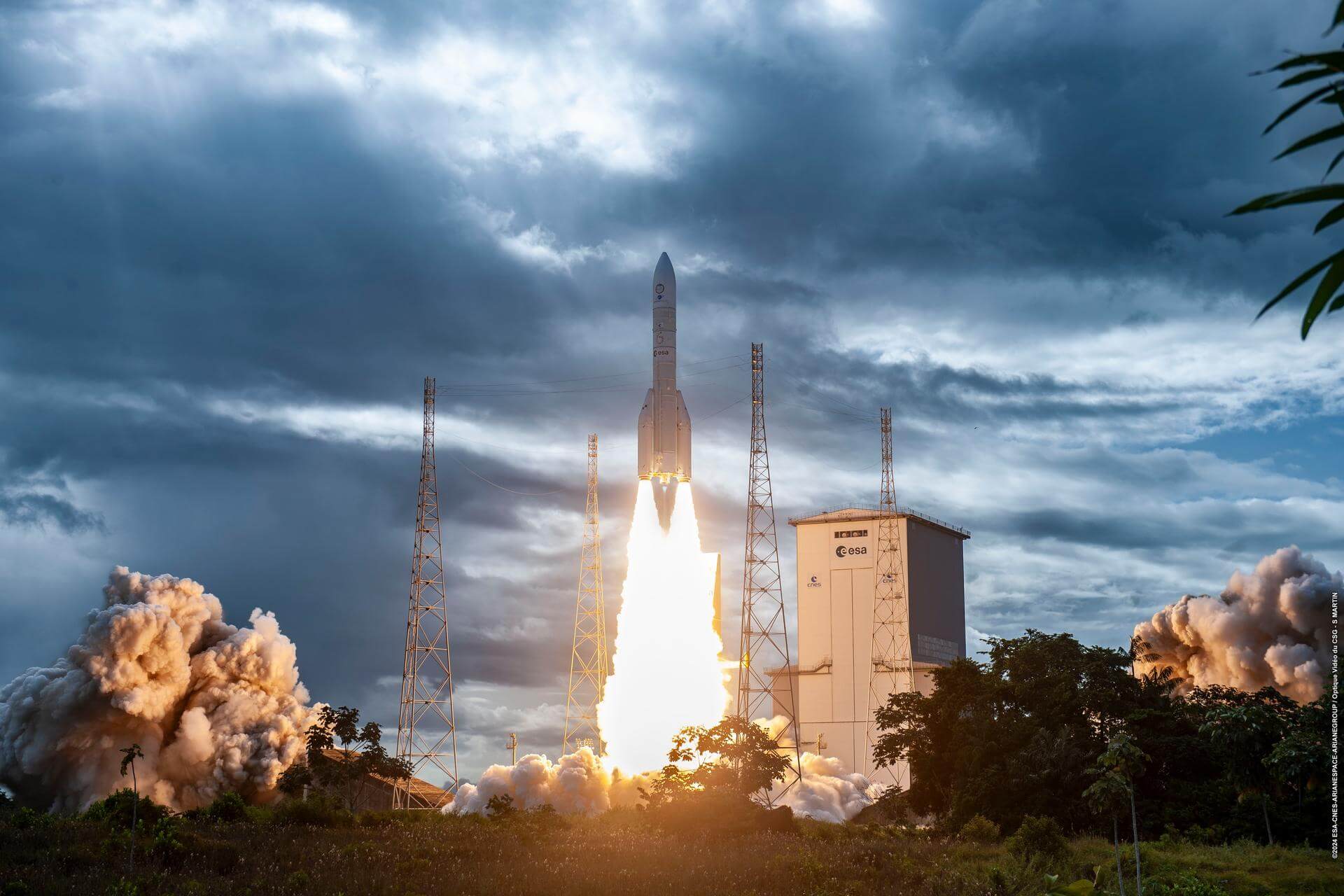
Highlights include US military astronaut rescue drills, China's commercial involvement in lunar missions, ESA's budget proposals, global opposition to space advertising, and NASA lunar landers.
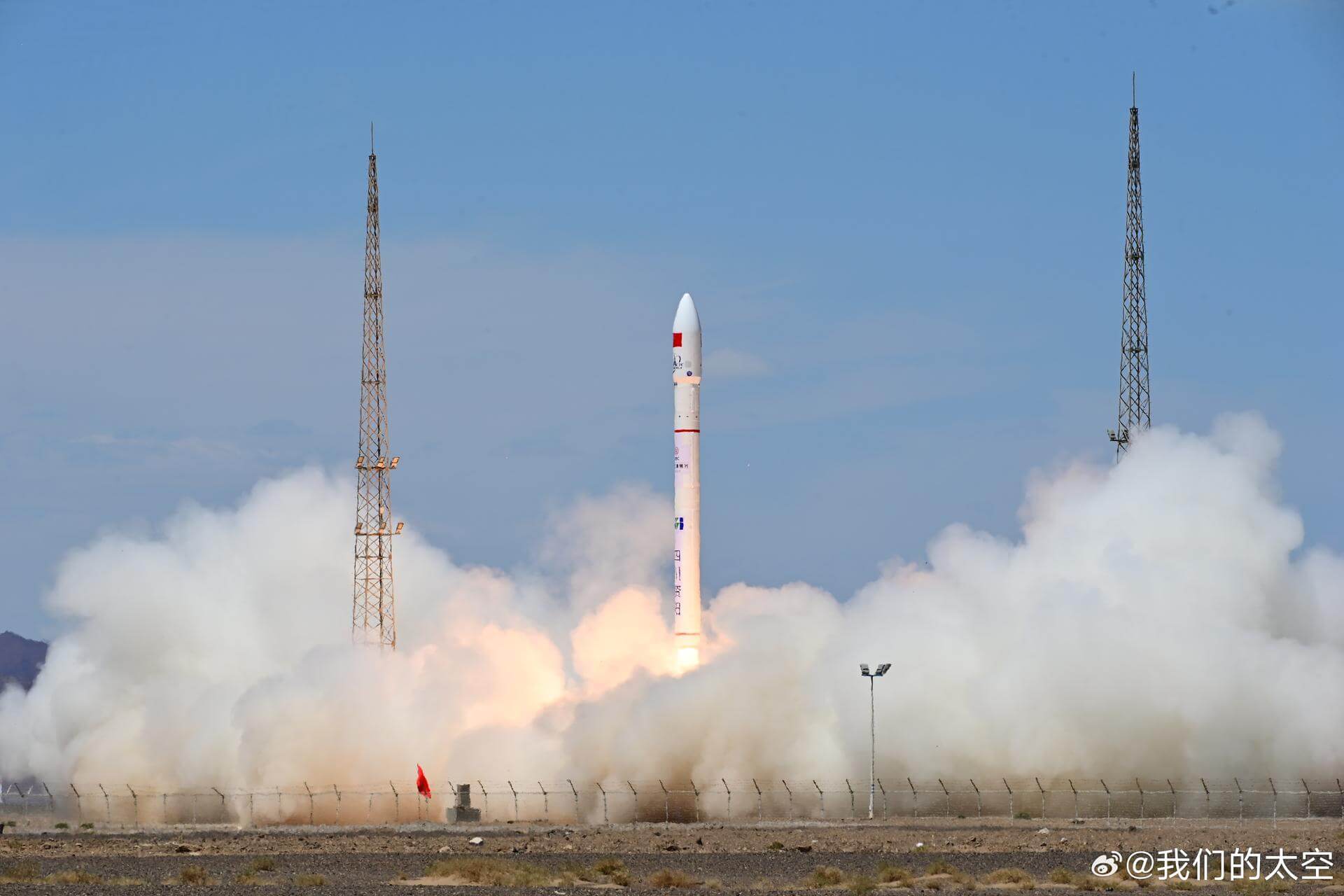
Today's brief covers developments in US military space initiatives, advancements in missile technology, and notable military contractor activities.
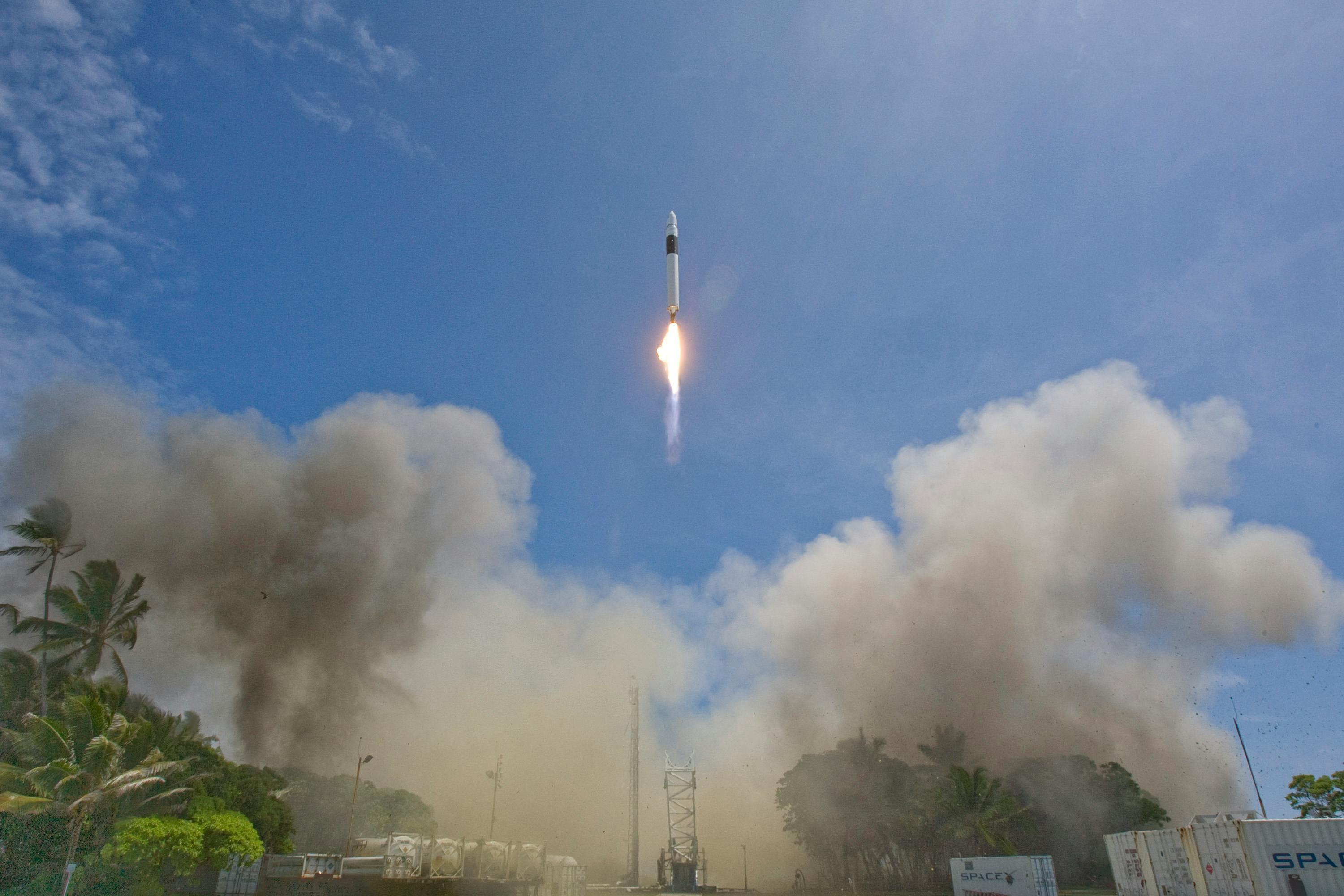
SpaceX is pushing to launch Starship from Cape Canaveral before end of 2026, with contractors ramping work at LC-39A.
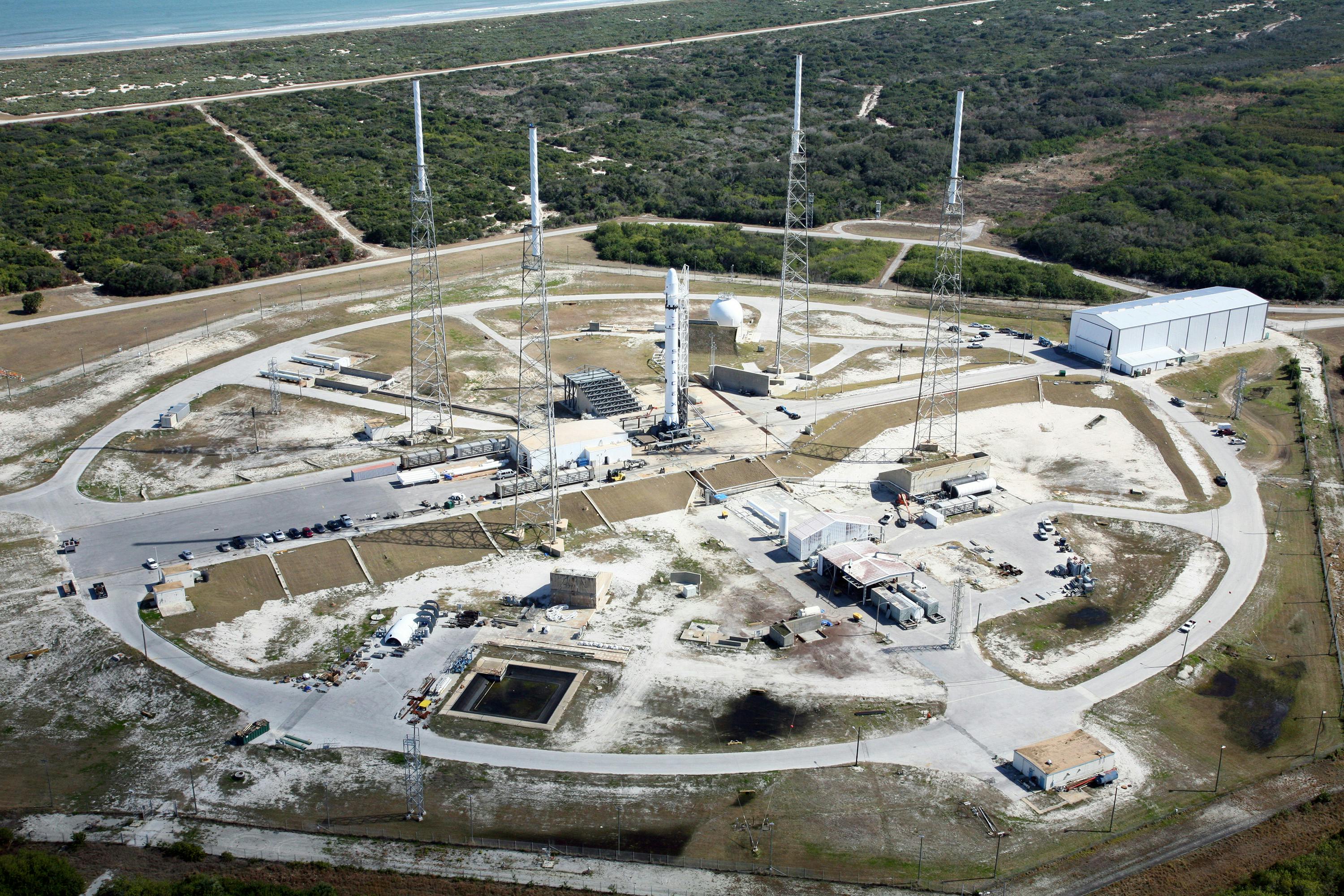
SpaceX successfully launched 29 new Starlink satellites today, further expanding its satellite internet constellation amidst growing competition in the space broadband market.
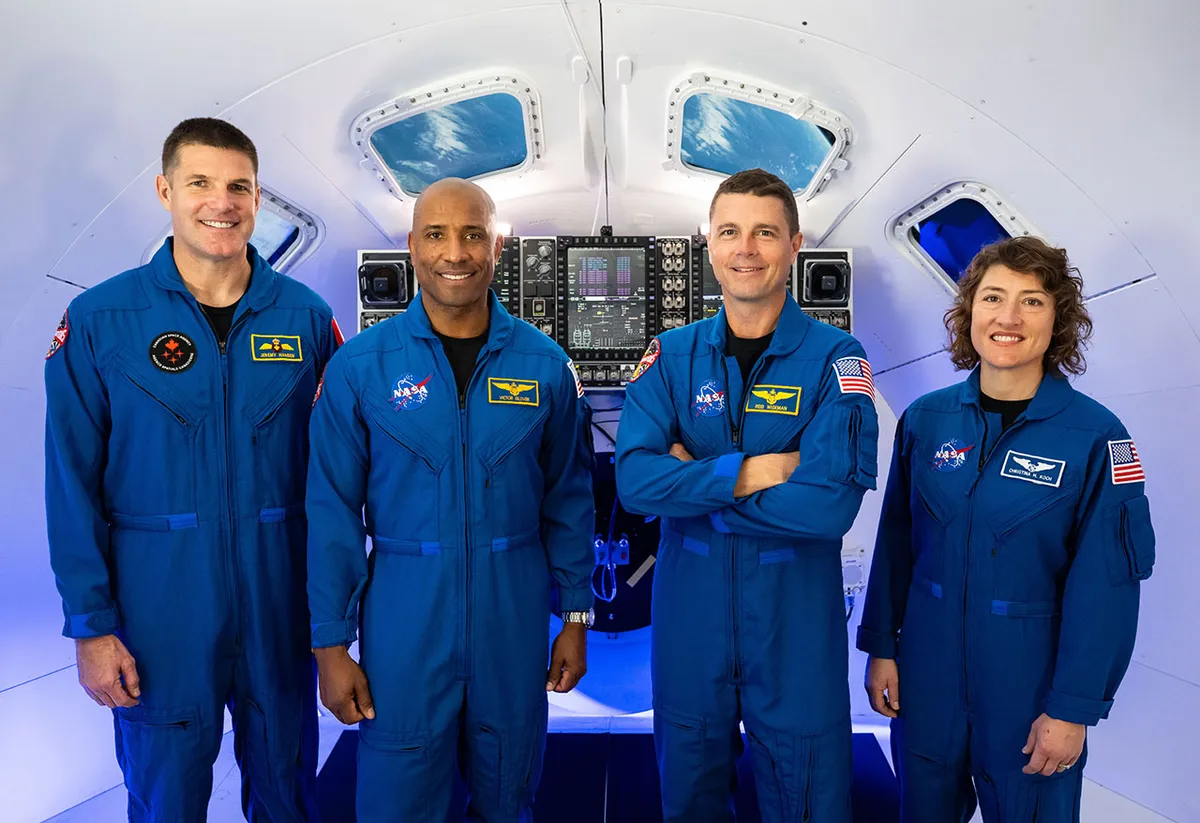
Four astronauts, a patched-together heat shield, and a $50 billion question: whether NASA can still send humans beyond low Earth orbit. Tomorrow, we find out.

Artemis 2 Orion carries first humans toward the Moon in 53 years. Spacecraft in good health after trans-lunar injection; lunar flyby observation plan due April 6.