


Apophis 2029 Flyby: ESA-JAXA Joint Mission Locked In | KeepTrack Space Brief
ESA and JAXA finalize collaboration for asteroid Apophis 2029 flyby at 32,000 km—closer than geostationary orbit. Historic near-Earth encounter being heavily observed.


Launch Date
November 28, 2025
Launch Site
AFWTR
Launch Pad
SLC4E
Launch Vehicle
Chang Zheng 3B
NORAD ID
66667
International Designator
2025-276B
Epoch
Sun, 19 Jul 2026 17:52:03 GMT
Apogee
Calculating...
Perigee
Calculating...
Inclination
97.41°
Right Ascension
275.72°
Eccentricity
Calculating...
Argument of Perigee
39.35°
Period
93.94 min
Mean Motion
15.33 rev/day
Latitude
Calculating...
Longitude
Calculating...
Altitude
Calculating...
Velocity
Calculating...
Name
PELICAN-5 300C
Alternative Name
N/A
Type
Status
Owner
PLAN
Country
United States
Constellation
N/A
Related Satellites
Major Events
N/A
1 66667U 25276B 26200.74448735 .00009682 00000+0 30701-3 0 9993
2 66667 97.4117 275.7240 0002024 39.3452 320.7937 15.32907150 35500
Source: Celestrak
Apologies, there is no summary for this satellite yet. I am working to generate these for every object in the catalog, but it is going to take time.
Length
2.3
Diameter
0.6
Span
3.0
Dry Mass
146
Launch Mass
160
Shape
Box+2 pan
Radar Cross Section
Unknown
Visual Magnitude
Unknown
Color
Unknown
Material Composition
Unknown
Payload
Pelican 300c
Purpose
Unknown
Mission
Unknown
Manufacturer
PLAN
Life Expectancy
Unknown
Bus
Pelican
Configuration
Unknown
Motor
Xe AOCS
Equipment
Unknown
Power System
Unknown
ADCS
Unknown
Transmitter Frequency
Unknown
Learn more about satellites and other related topics.
ESA and JAXA finalize collaboration for asteroid Apophis 2029 flyby at 32,000 km—closer than geostationary orbit. Historic near-Earth encounter being heavily observed.

On April 22, 2026, the FAA published a final rule implementing per-launch user fees for commercial space transportation — the first time the U.S. government has charged payload-based fees for rocket launches. Starting at 25 cents per pound with a $30,000 cap, the fees are modest today. By 2033, they won't be.

Space Force sees strategic value in asteroid mining. Congress pushes back on R-GPS phase-out over jamming risks. BlackSky expands Gen 3 defense contracts.

Johns Hopkins researchers use seismic networks to track space debris in near real-time. Pentagon faces Golden Dome production scale challenges. SpaceX launches 25 Starlink sats in seventh 2026 mission.
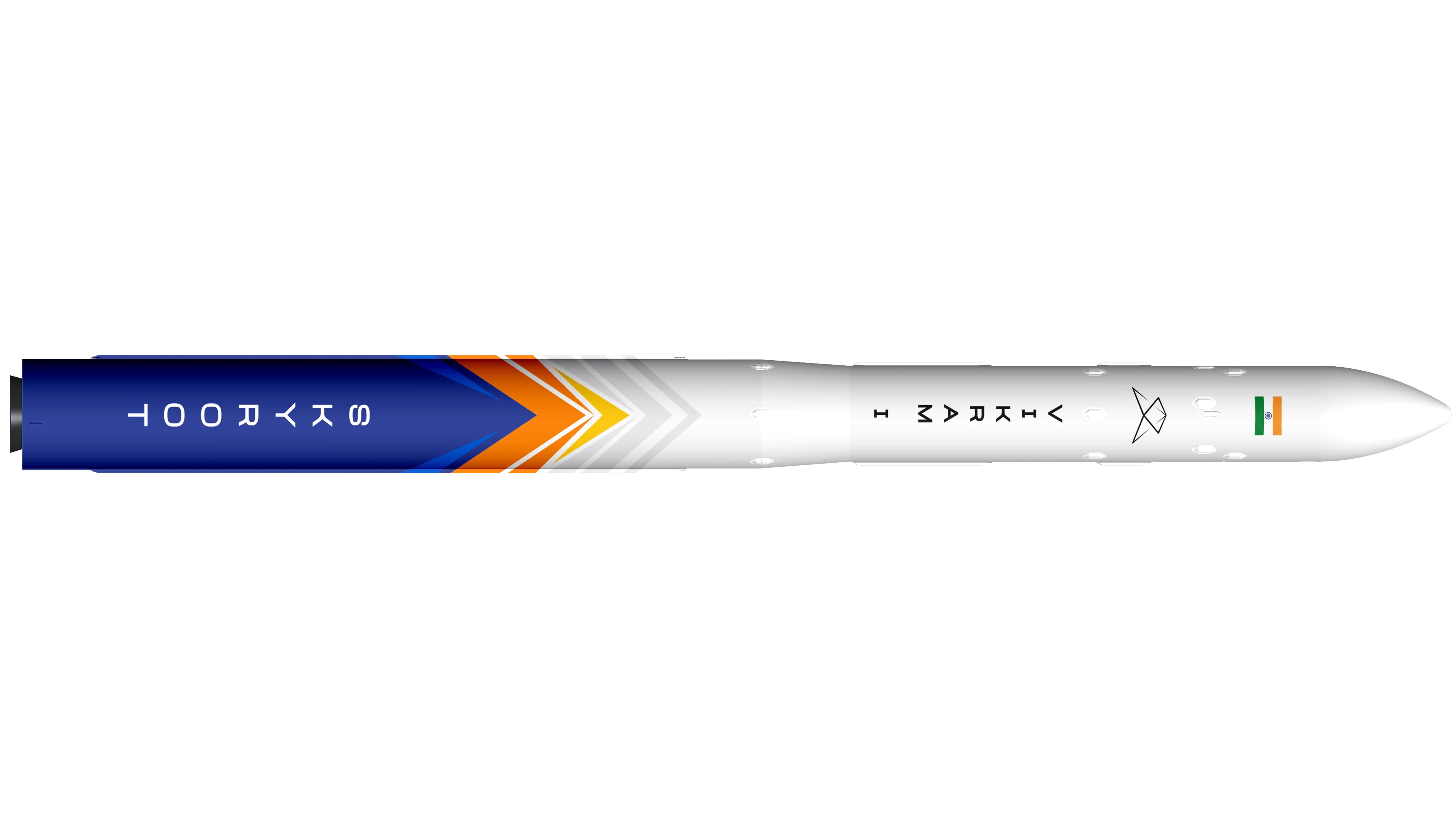
SpaceX rideshare Falcon 9 deployed 81 payloads including military tech demos to sun-synchronous orbit. China's Long March 10B and India's Vikram-I both debut this week among 6 scheduled launches.
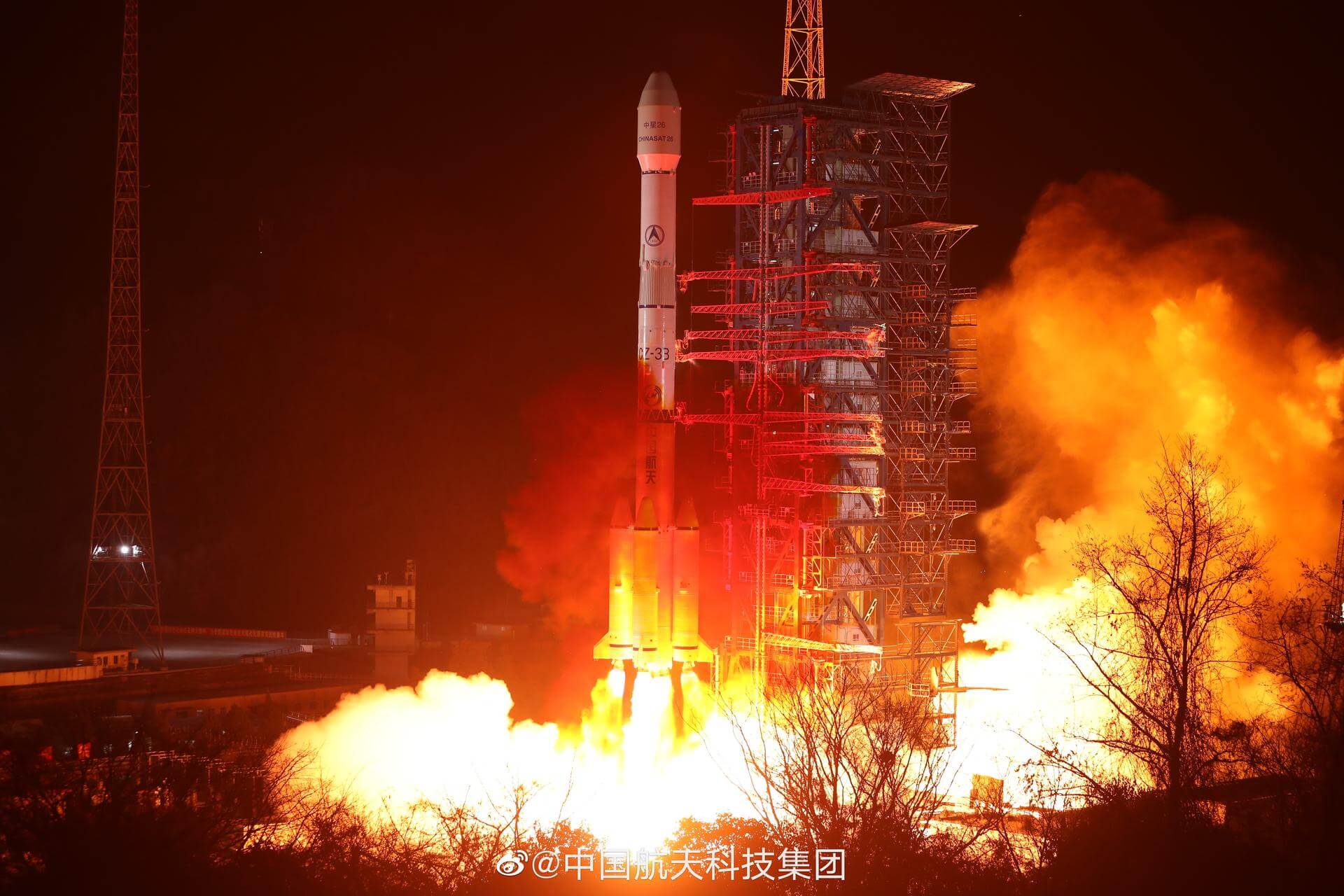
Focusing on military satellite initiatives, defense strategies, and advancements in air and cyber capabilities
Today's briefing covers Chinese satellite launches, military defense strategies in space, increasing launch activity at the Space Coast, and potential rivals to SpaceX's Starlink.

In today's briefing: China accelerates its satellite megaconstellation. A comprehensive ESA-led optical data network is in the works, marking a key step in satellite communications. NASA's Artemis II crew visits Ohio in preparation for their lunar journey. SpaceX's record-breaking rocket launches continue. Plus, insights into nuclear rockets that could drastically shorten Mars missions.