



Space Brief 22 Jul 2025
Today's highlights include ExoMars' successful parachute test, developments in military satellite systems, and leadership changes at NASA Goddard.


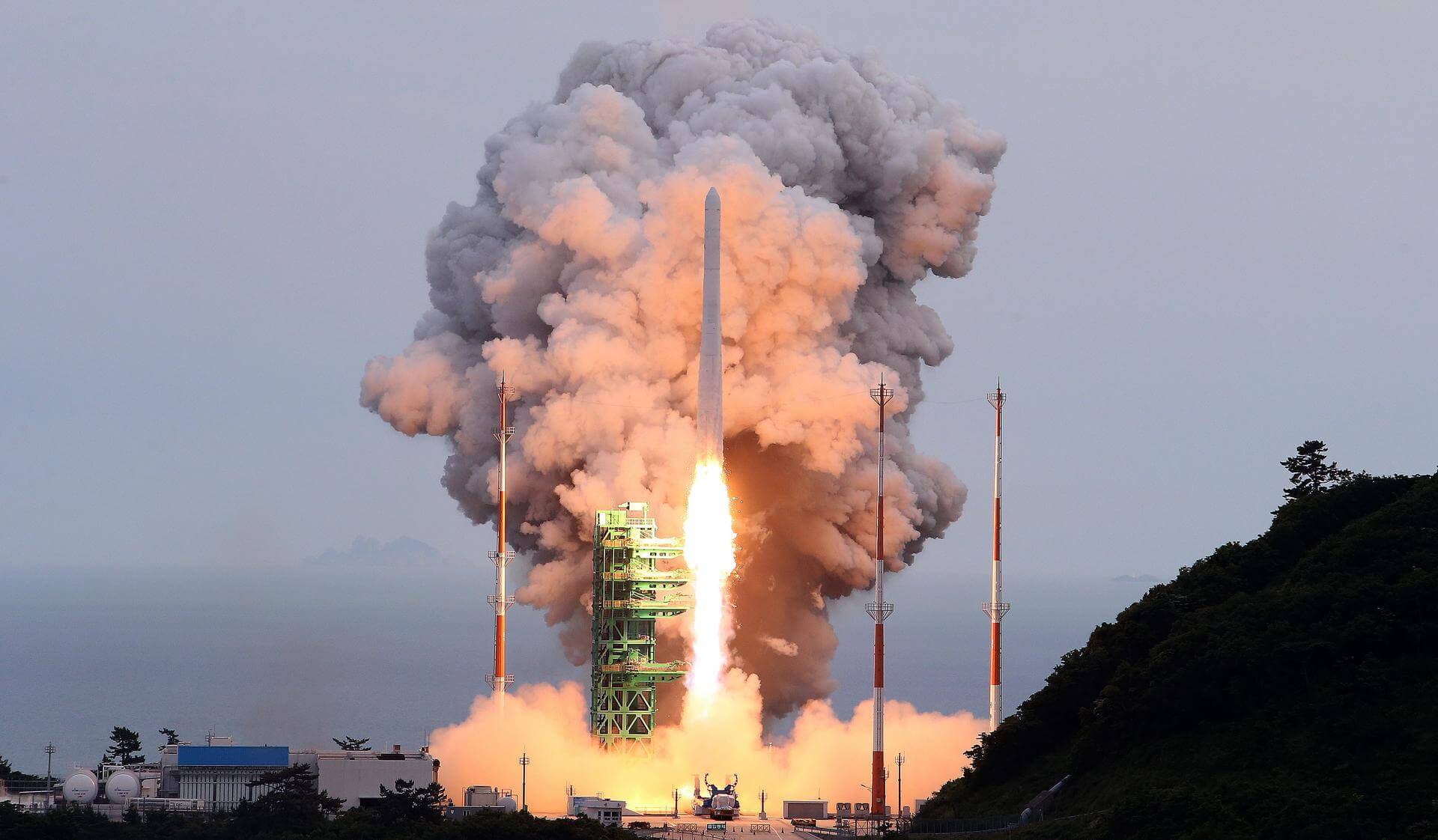
Launch Date
November 26, 2025
Launch Site
NSC
Launch Pad
LC2
Launch Vehicle
Nuri
NORAD ID
66657
International Designator
2025-274H
Epoch
Sun, 19 Jul 2026 17:55:14 GMT
Apogee
Calculating...
Perigee
Calculating...
Inclination
97.75°
Right Ascension
129.57°
Eccentricity
Calculating...
Argument of Perigee
265.82°
Period
96.41 min
Mean Motion
14.94 rev/day
Latitude
Calculating...
Longitude
Calculating...
Altitude
Calculating...
Velocity
Calculating...
Name
OBJECT H
Alternative Name
N/A
Type
Status
Owner
SEJU
Country
South Korea
Constellation
N/A
Related Satellites
Major Events
N/A
1 66657U 25274H 26200.74669987 .00001203 00000+0 11916-3 0 9992
2 66657 97.7471 129.5746 0010357 265.8239 94.1797 14.93661944 35082
Source: Celestrak
Apologies, there is no summary for this satellite yet. I am working to generate these for every object in the catalog, but it is going to take time.
Length
0.3
Diameter
0.1
Span
0.3
Dry Mass
2
Launch Mass
2
Shape
Box
Radar Cross Section
Unknown
Visual Magnitude
Unknown
Color
Unknown
Material Composition
Unknown
Payload
SPIRONE
Purpose
Unknown
Mission
Unknown
Manufacturer
SEJU
Life Expectancy
Unknown
Bus
Cubesat 2U
Configuration
Unknown
Motor
Unknown
Equipment
Unknown
Power System
Unknown
ADCS
Unknown
Transmitter Frequency
Unknown
Learn more about satellites and other related topics.
Today's highlights include ExoMars' successful parachute test, developments in military satellite systems, and leadership changes at NASA Goddard.

Today's highlights include Rocket Lab's progress on the Space Force's VICTUS HAZE mission, BlackSky's new government contract, and AEI's policy recommendations for Space Force restructuring.
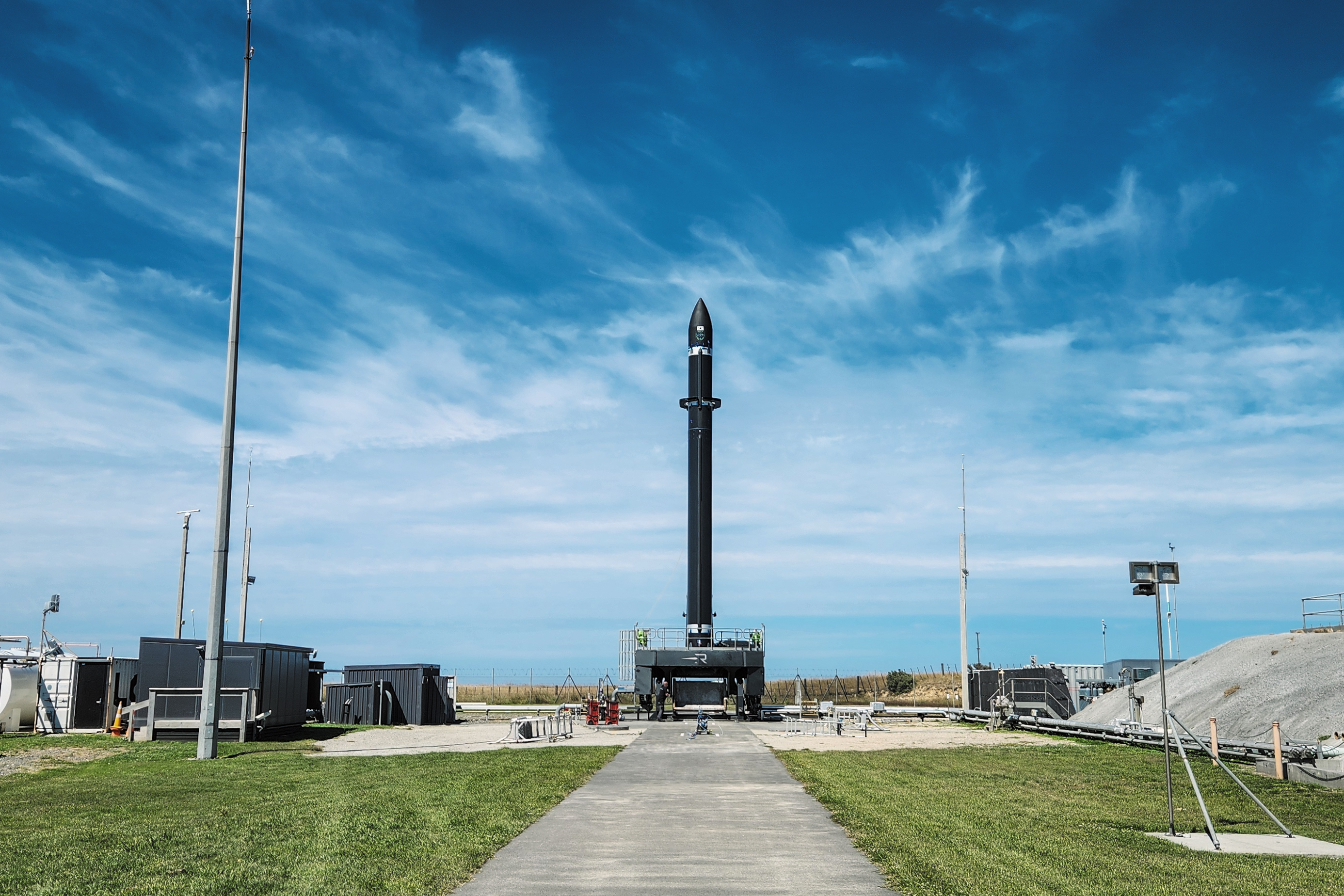
SDA awards $3.5B in contracts for 72 Tracking Layer satellites to Lockheed Martin and Rocket Lab. Terran Orbital selected for satellite bus production. Israel eyes 2026 defense growth.
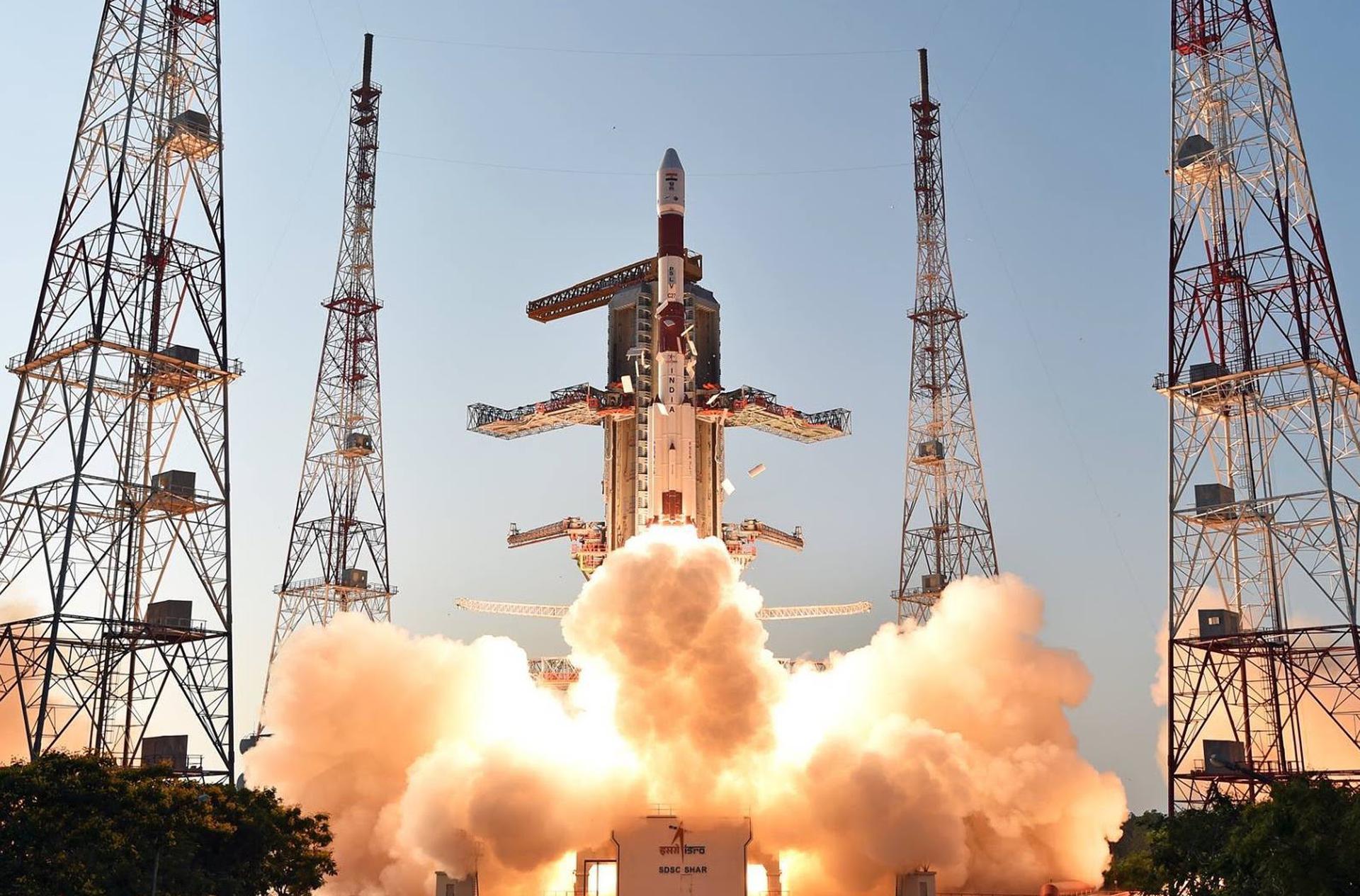
Highlighting ExLabs' Space Force contract, Starlink advances, and developments in orbital communication tech.
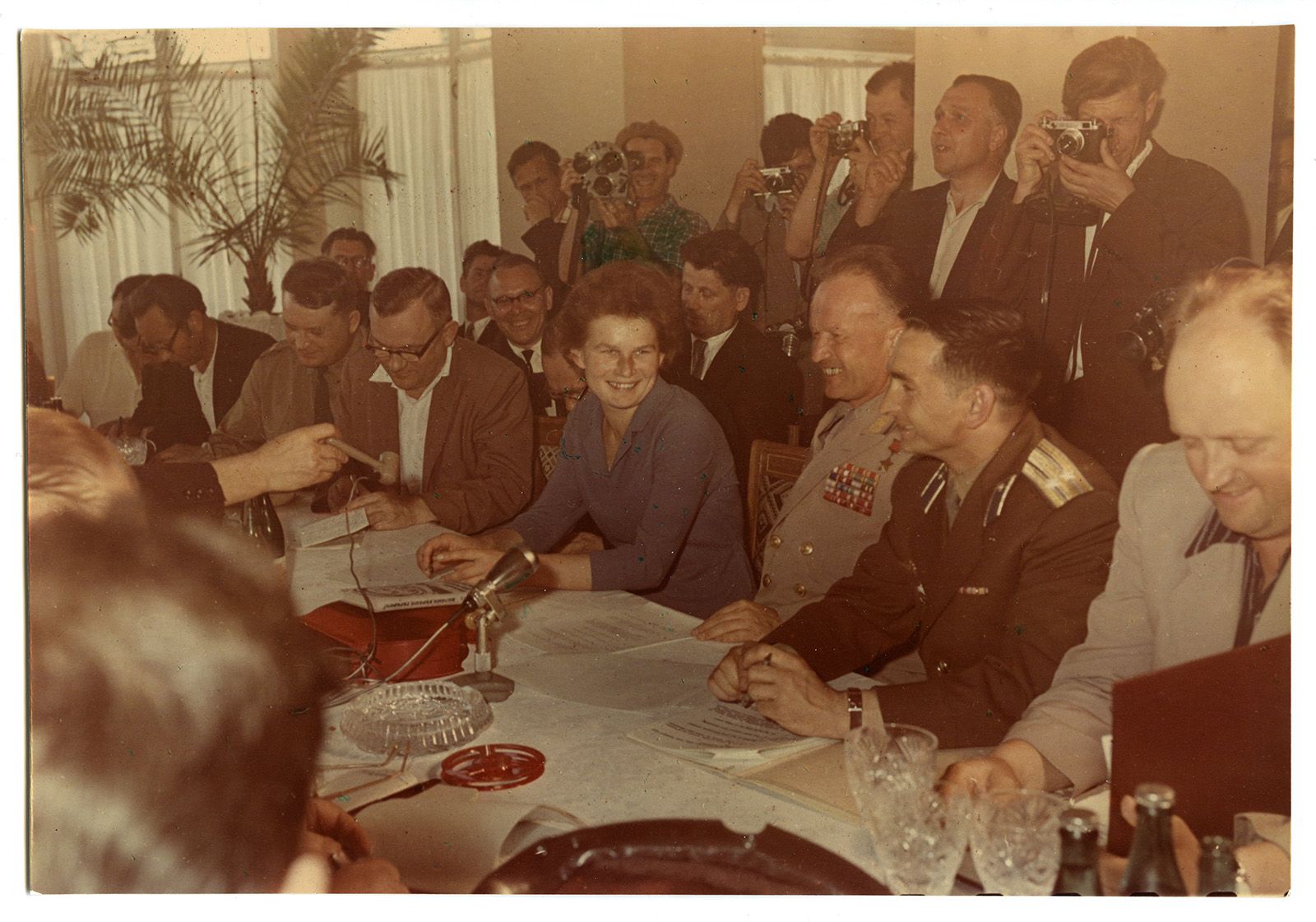
On 16 June 1963, a 26-year-old former textile worker named Valentina Tereshkova launched aboard Vostok 6 and spent nearly three days alone in orbit. She flew 48 times around the Earth, longer than every American astronaut combined, and spotted a dangerous flaw in her descent program that ground controllers had missed.

Key insights on Starship development challenges and latest Starlink satellite status.
NASA officially ended the MAVEN Mars orbiter mission after months of radio silence following an anomaly. Space Force assessing Eastern Range damage from separate incident affecting launch cadence.

On April 22, 2026, the FAA published a final rule implementing per-launch user fees for commercial space transportation — the first time the U.S. government has charged payload-based fees for rocket launches. Starting at 25 cents per pound with a $30,000 cap, the fees are modest today. By 2033, they won't be.