YAOGAN-46 (66313)

COSPAR: 2025-250A | Alt Name: N/A

Image
YAOGAN-46 Satellite Image
Additional Sources
Launch Details

Launch Date

November 3, 2025

Launch Site

WSC

Launch Pad

LC201

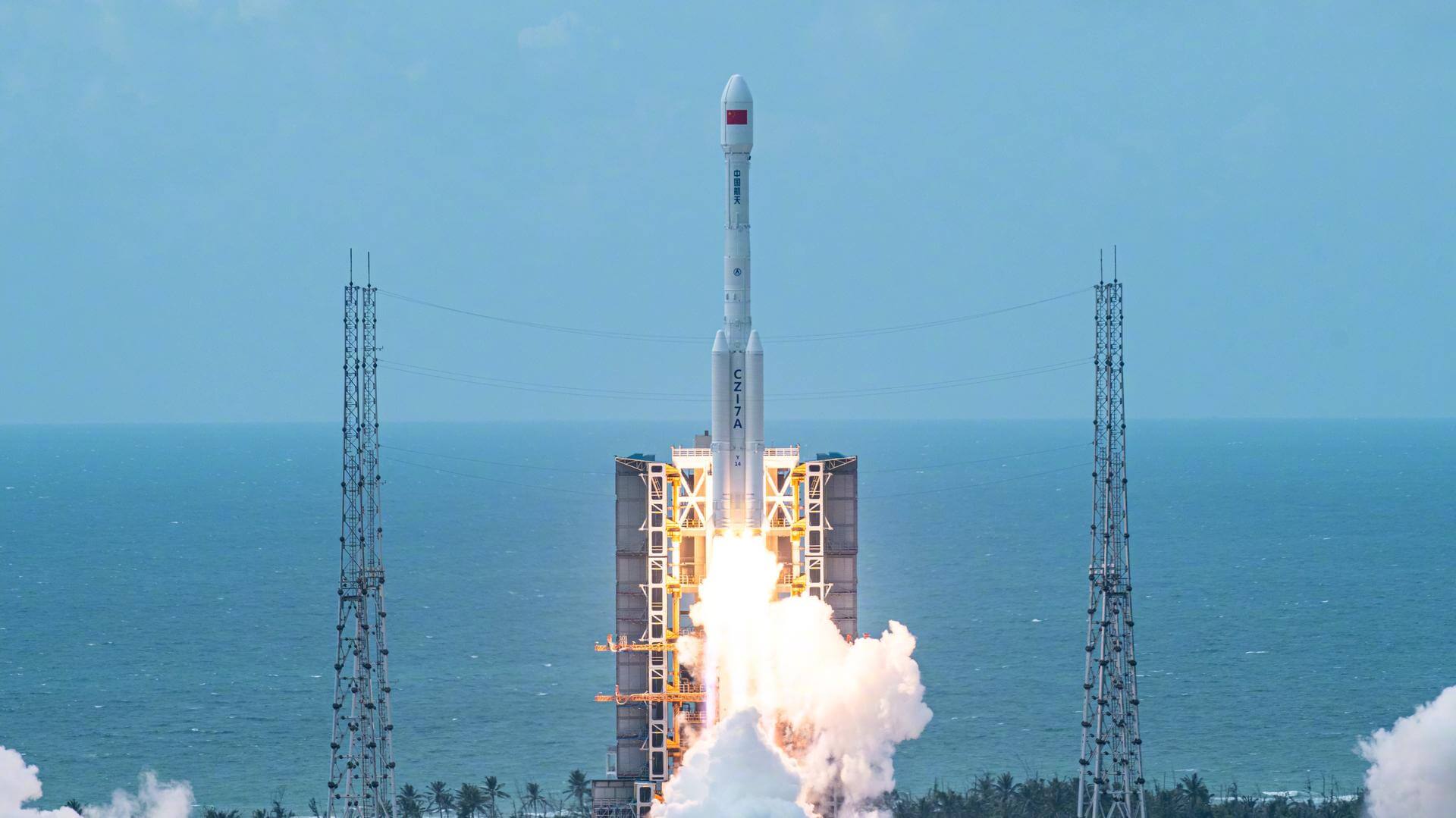
Launch Vehicle

Chang Zheng 7A

Orbital Elements

NORAD ID

66313

International Designator

2025-250A

Epoch

Fri, 17 Jul 2026 06:16:21 GMT

Apogee

Calculating...

Perigee

Calculating...

Inclination

20.08°

Right Ascension

319.21°

Eccentricity

Calculating...

Argument of Perigee

175.89°

Period

271.08 min

Mean Motion

5.31 rev/day

Latitude

Calculating...

Longitude

Calculating...

Altitude

Calculating...

Velocity

Calculating...

Polar Plot
3D Visualization
Basic Satellite Info

Name

YAOGAN-46

Alternative Name

N/A

Type

Payload

Status

Operational

Owner

ZLZB

Country

China

Constellation

N/A

Related Satellites

Major Events

N/A

Latest TLEs
1 66313U 25250A   26198.26135984 -.00000035  00000+0  00000+0 0  9994
2 66313  20.0795 319.2054 0004808 175.8938 184.1362 05.31209465 13698

Source: Celestrak

Summary

Apologies, there is no summary for this satellite yet. I am working to generate these for every object in the catalog, but it is going to take time.

Physical Characteristics

Length

5.0

Diameter

2.5

Span

30.0

Dry Mass

2500

Launch Mass

4000

Shape

Box + 2 Pan

Radar Cross Section

Unknown

Visual Magnitude

Unknown

Color

Unknown

Material Composition

Unknown

Technical Details

Payload

Yaogan 46

Purpose

Unknown

Mission

Unknown

Manufacturer

CAST

Life Expectancy

Unknown

Bus

YG46

Configuration

Unknown

Motor

LAE

Equipment

Unknown

Power System

Unknown

ADCS

Unknown

Transmitter Frequency

Unknown

Map
This tool will help you track the satellite's position and predict its upcoming passes over your location. Simply input the coordinates or click the geolocation button to get started.
Next Pass
Azimuth Elevation Time (Local)
Start Azimuth
Max Elevation
Stop Azimuth
Time Until
Pass Duration

Satellite Articles

View All Posts »

Learn more about satellites and other related topics.

Neil Gehrels Swift Observatory

Neil Gehrels Swift Observatory

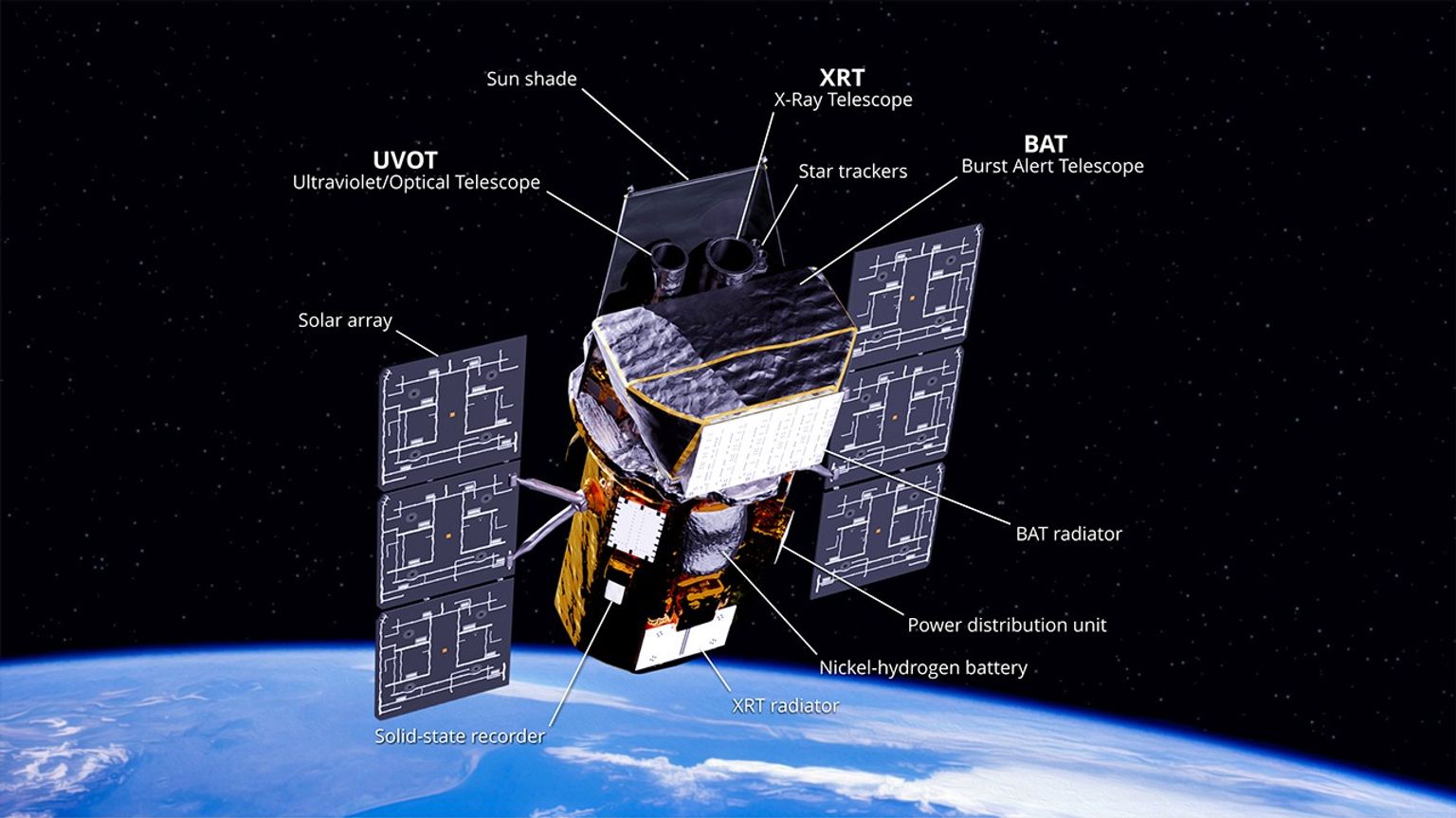
Designed for a two-year mission to catch gamma-ray bursts in the act, Swift is now 21 years old, slowly falling out of the sky, and the subject of an unprecedented private rescue mission. Nobody planned for it to be this hard to let go.
Starlink V2: 100x Faster, 5G Direct-to-Phone for Europe | KeepTrack X Report

Starlink V2: 100x Faster, 5G Direct-to-Phone for Europe | KeepTrack X Report

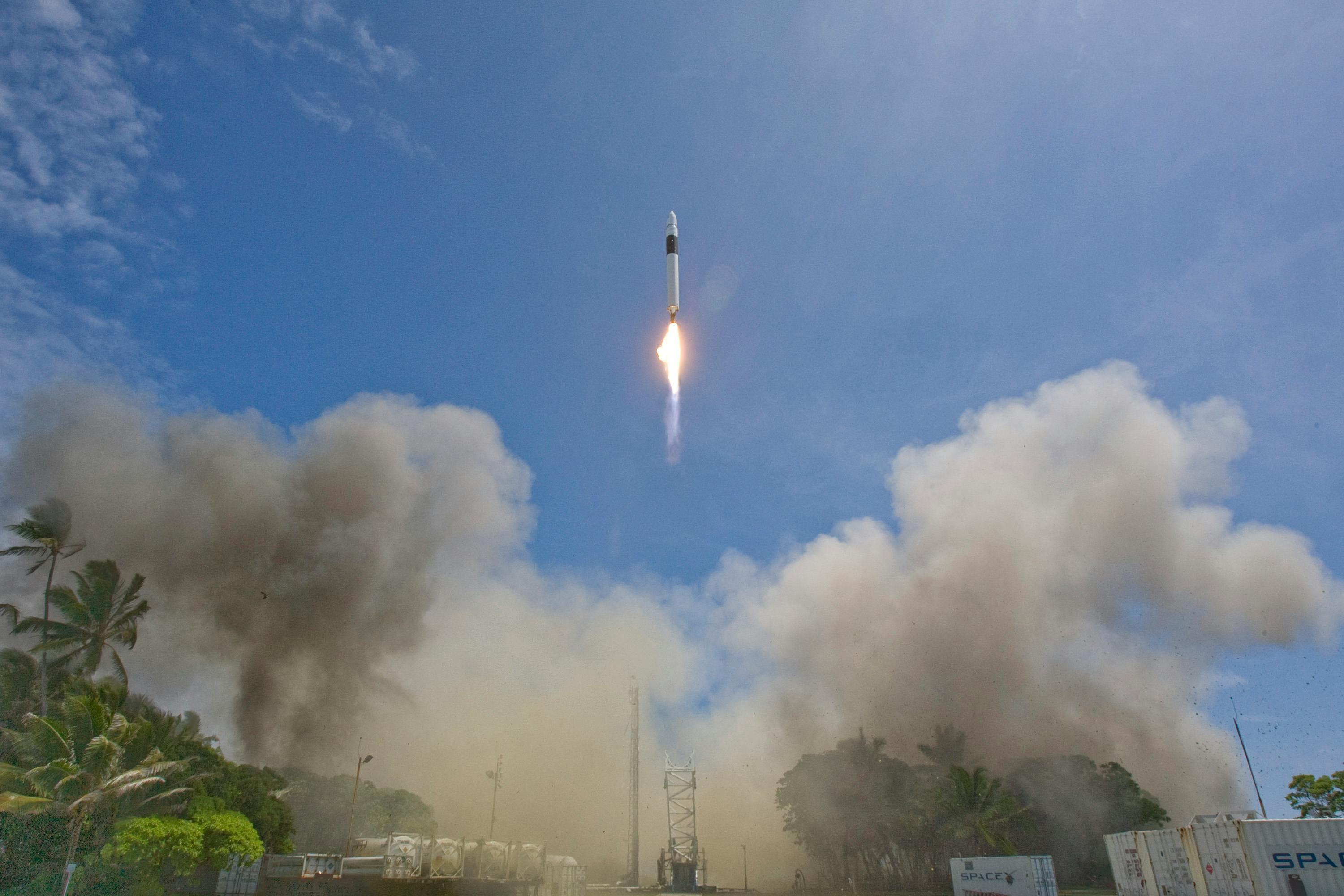
SpaceX's Starlink V2 promises 100x data density for 5G direct-to-phone service. Deutsche Telekom targets 10 European countries by 2028.

SpaceX Targets 600th Falcon Booster Landing, X Report 19 Apr 2026

SpaceX Targets 600th Falcon Booster Landing, X Report 19 Apr 2026

SpaceX targets its 600th Falcon 9 booster landing on Starlink 17-22, lofting 25 satellites from Vandenberg. Plus a 2028 SpaceX ride for ESA's Mars rover.

X Report 21 May 2025

X Report 21 May 2025

SpaceX successfully launched 23 Starlink satellites using a new Falcon 9 rocket, marking a significant milestone for the company as it expands its satellite internet constellation.

FAA Approves Starship Launches from LC-39A, FCC Accepts Orbital Data Center Filing | KeepTrack X Report

FAA Approves Starship Launches from LC-39A, FCC Accepts Orbital Data Center Filing | KeepTrack X Report

FAA approves SpaceX Starship launches from Kennedy Space Center LC-39A. FCC accepts 1-million satellite orbital data center filing. Canada ranks as 5th largest Starlink market.

Mike Melvill, 124 Meters, and the Morning Space Went Private

Mike Melvill, 124 Meters, and the Morning Space Went Private

On 21 June 2004, a 63-year-old test pilot rode a homebuilt rocket plane to 100,124 meters above the Mojave Desert, clearing the edge of space by about the length of a city block. He came down the first private astronaut in history, holding a sign that read 'SpaceShipOne, GovernmentZero.'

Space Brief 6 Dec 2024

Space Brief 6 Dec 2024

Today's brief covers various military applications of climate-monitoring satellites, new defense strategies against unmanned threats, and the potential impacts of geopolitical tensions on orbit.

How a Parachutist Named Seagull Became the First Woman in Space

How a Parachutist Named Seagull Became the First Woman in Space

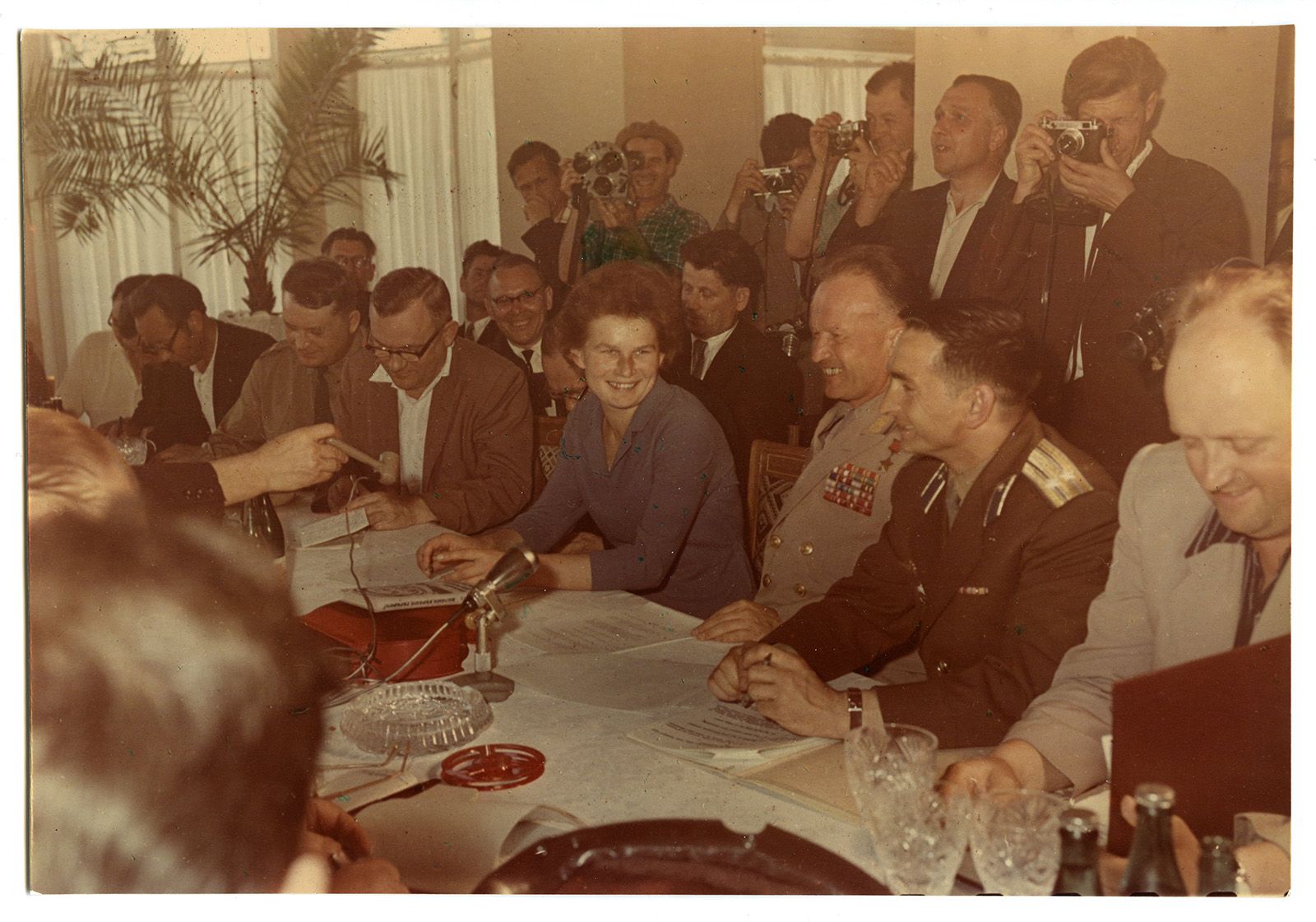
On 16 June 1963, a 26-year-old former textile worker named Valentina Tereshkova launched aboard Vostok 6 and spent nearly three days alone in orbit. She flew 48 times around the Earth, longer than every American astronaut combined, and spotted a dangerous flaw in her descent program that ground controllers had missed.