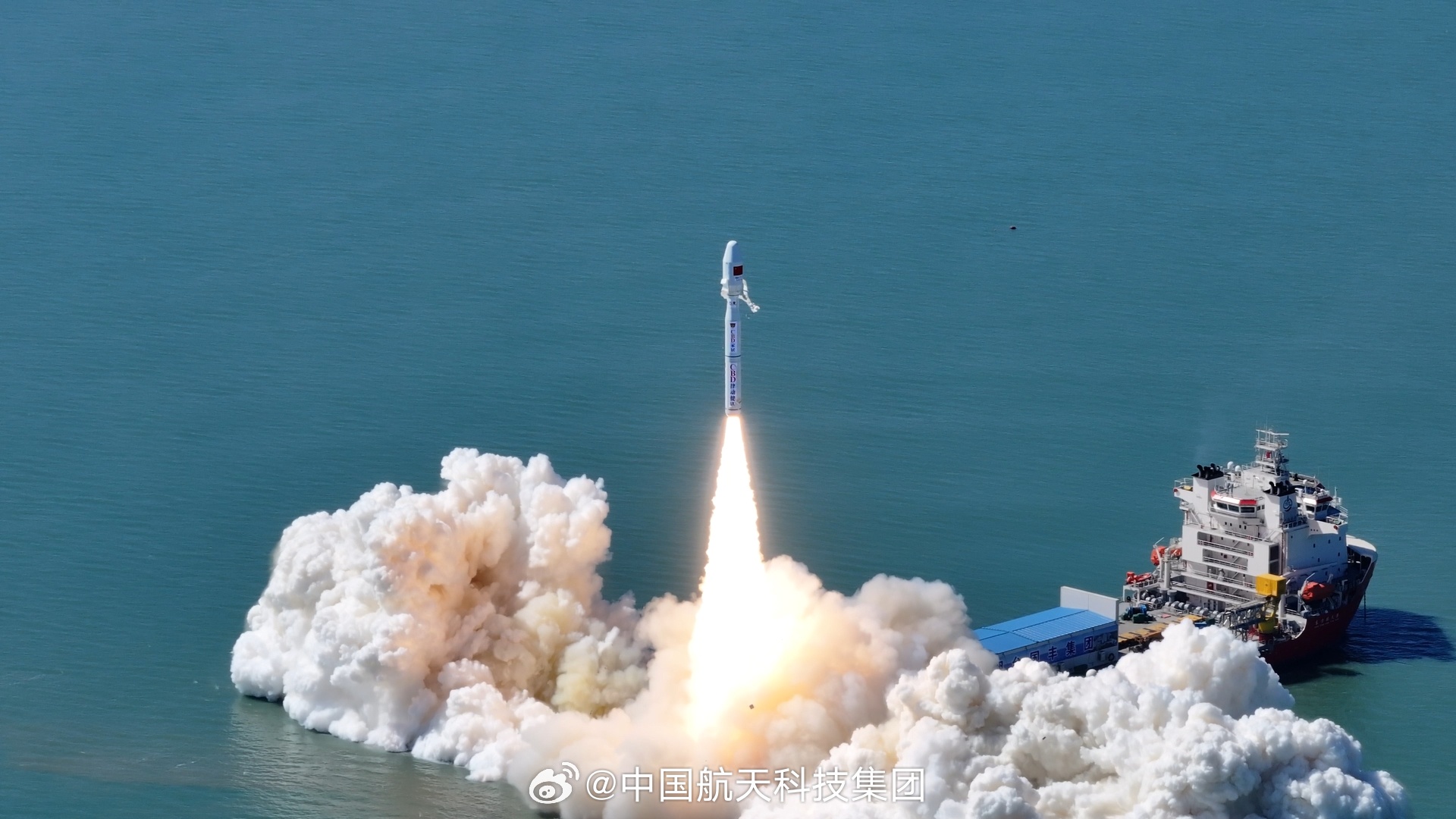
GEESAT 6-11 (65723)

COSPAR: 2025-214M | Alt Name: N/A

Image
GEESAT 6-11 Satellite Image
Additional Sources
Launch Details

Launch Date

September 24, 2025

Launch Site

YSLA

Launch Pad

LP6

Launch Vehicle

Jielong-3

Orbital Elements

NORAD ID

65723

International Designator

2025-214M

Epoch

Sun, 19 Jul 2026 21:01:11 GMT

Apogee

Calculating...

Perigee

Calculating...

Inclination

49.98°

Right Ascension

156.45°

Eccentricity

Calculating...

Argument of Perigee

347.73°

Period

97.07 min

Mean Motion

14.83 rev/day

Latitude

Calculating...

Longitude

Calculating...

Altitude

Calculating...

Velocity

Calculating...

Polar Plot
3D Visualization
Basic Satellite Info

Name

GEESAT 6-11

Alternative Name

N/A

Type

Payload

Status

Operational

Owner

GEESP

Country

China

Constellation

N/A

Related Satellites

Major Events

N/A

Latest TLEs
1 65723U 25214M   26200.87583031  .00000808  00000+0  12474-3 0  9998
2 65723  49.9825 156.4471 0010366 347.7336  12.3349 14.83441552 44365

Source: Celestrak

Summary

Apologies, there is no summary for this satellite yet. I am working to generate these for every object in the catalog, but it is going to take time.

Physical Characteristics

Length

1.0

Diameter

0.5

Span

2.0

Dry Mass

130

Launch Mass

130

Shape

Box + 2 pan

Radar Cross Section

Unknown

Visual Magnitude

Unknown

Color

Unknown

Material Composition

Unknown

Technical Details

Payload

GeeSAT 6 Test

Purpose

Unknown

Mission

Unknown

Manufacturer

GWCG

Life Expectancy

Unknown

Bus

GPS100

Configuration

Unknown

Motor

Unknown

Equipment

Unknown

Power System

Unknown

ADCS

Unknown

Transmitter Frequency

Unknown

Map
This tool will help you track the satellite's position and predict its upcoming passes over your location. Simply input the coordinates or click the geolocation button to get started.
Next Pass
Azimuth Elevation Time (Local)
Start Azimuth
Max Elevation
Stop Azimuth
Time Until
Pass Duration

Satellite Articles

View All Posts »

Learn more about satellites and other related topics.

X Report 24 Aug 2025

X Report 24 Aug 2025

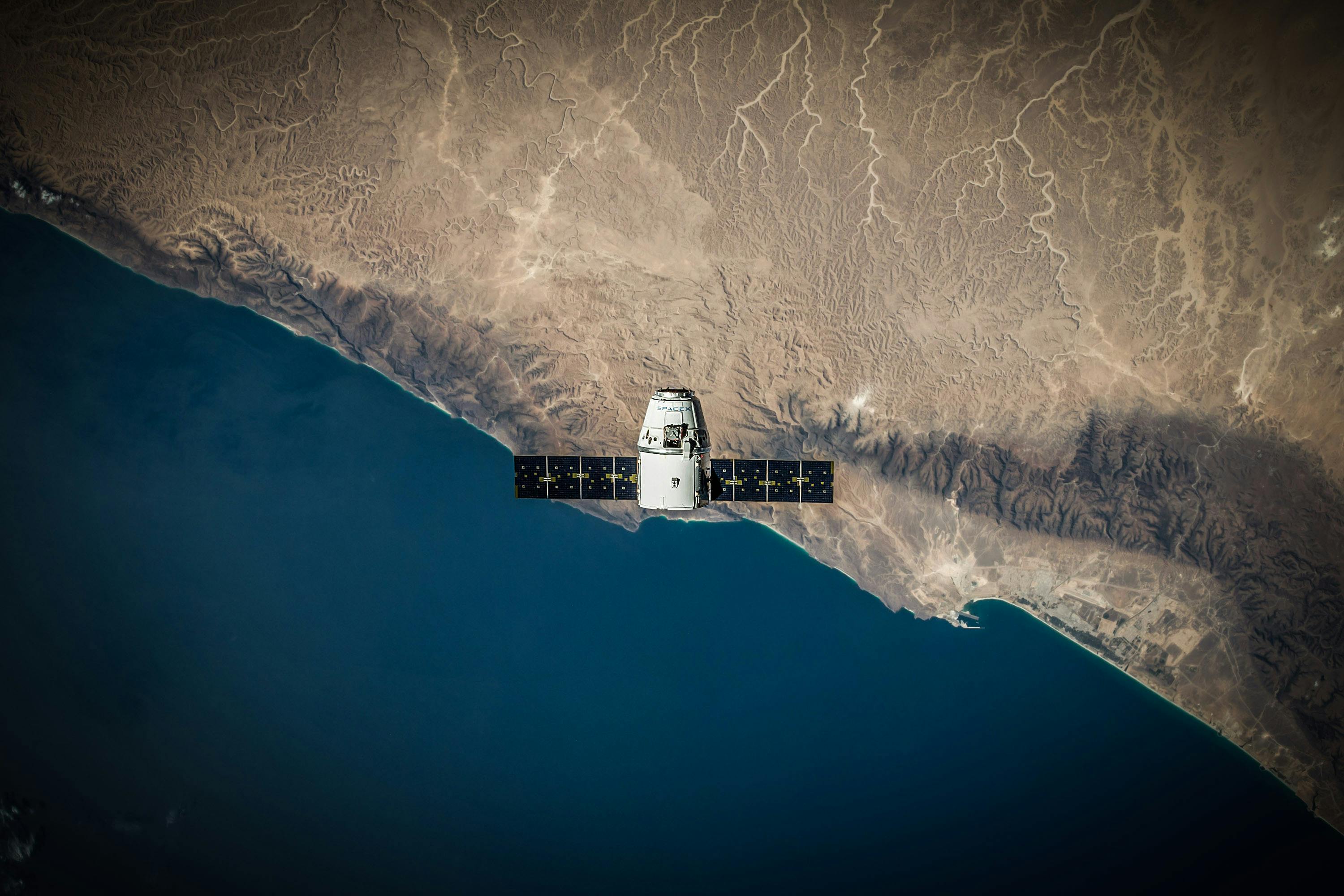
SpaceX successfully launched its CRS-33 Dragon cargo mission to the ISS, while preparations for the upcoming Starship Flight 10 continue, highlighting significant advancements in both cargo operations and test flight reliability.

Space Brief 24 Aug 2024

Space Brief 24 Aug 2024

Blue Origin prepares for New Shepard flight, SpaceX completes second launch tower, Supreme Court ruling impacts space debris regulations, and updates on lunar habitats and NASA personnel. Plus, featuring CAPELLA-13 (ACADIA) as our Satellite of the Day.

Starship Florida Launch Targeting 2026 | KeepTrack X Report

Starship Florida Launch Targeting 2026 | KeepTrack X Report

SpaceX is pushing to launch Starship from Cape Canaveral before end of 2026, with contractors ramping work at LC-39A.

X Report 7 Feb 2025

X Report 7 Feb 2025

DIU explores SpaceX Starship's in-space refueling; Investors advise startups against competing or emulating SpaceX.

Space Brief 2 Sep 2025

Space Brief 2 Sep 2025

Today's brief covers key topics such as SpaceX's latest Starlink launch, the European Space Agency's new initiatives, and Space Force's integration of AI into its operations.

Pentagon Orders 30,000 One-Way Drones; Sierra Space Raises $550M | KeepTrack Space Brief

Pentagon Orders 30,000 One-Way Drones; Sierra Space Raises $550M | KeepTrack Space Brief

Pentagon to order 30,000 attritable drones within days via Gauntlet competition. Meanwhile, Sierra Space closes $550M Series C funding round for national security spaceplane applications.

Space Force Opens Secret Tracking Data to Commercial Firms | KeepTrack Space Brief

Space Force Opens Secret Tracking Data to Commercial Firms | KeepTrack Space Brief

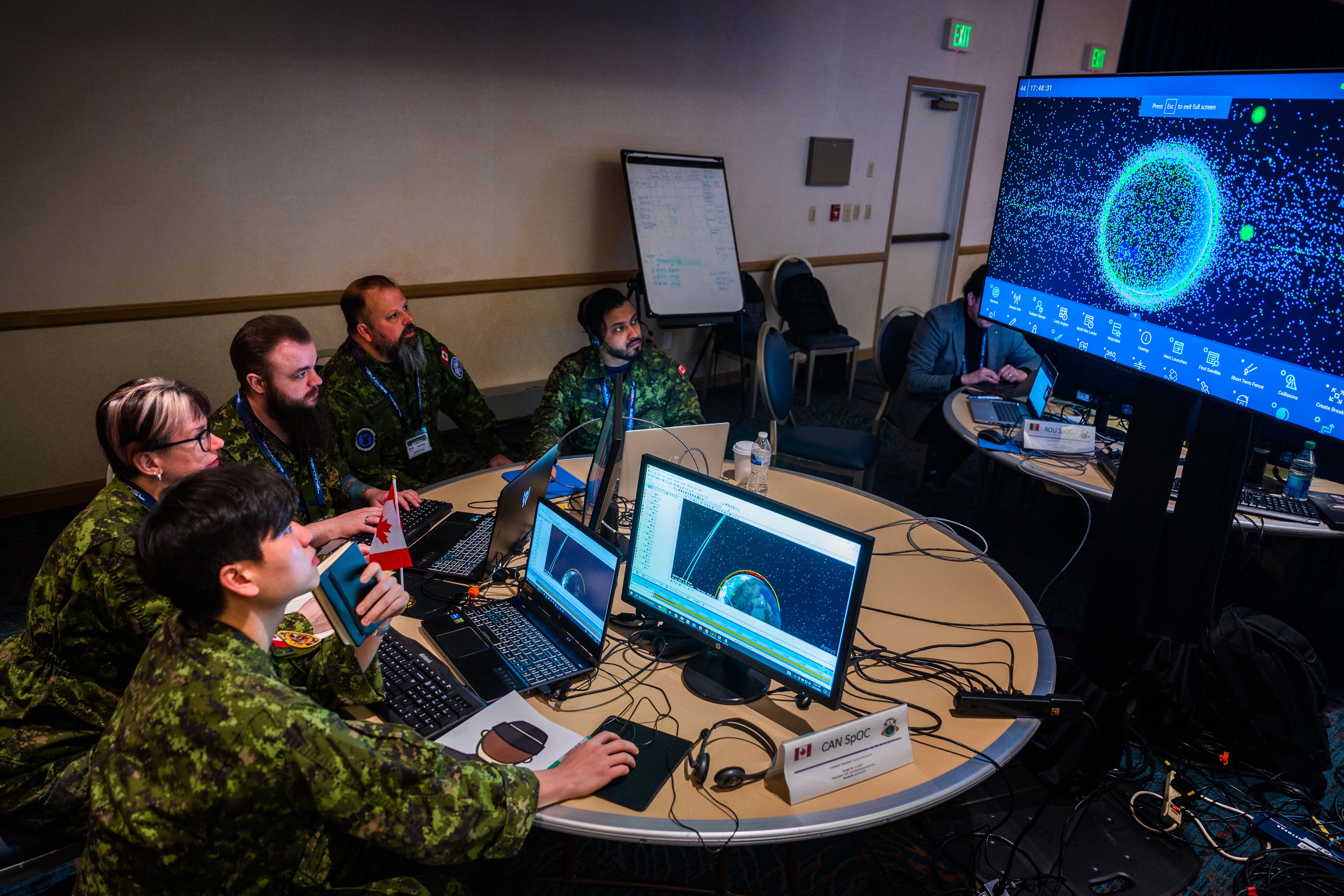
Space Force shares classified tracking data with commercial firms. Falcon 9 reentry linked to upper-atmosphere lithium plume. SpaceX launches 54 Starlink sats in one day.

Lagrange Points

Lagrange Points

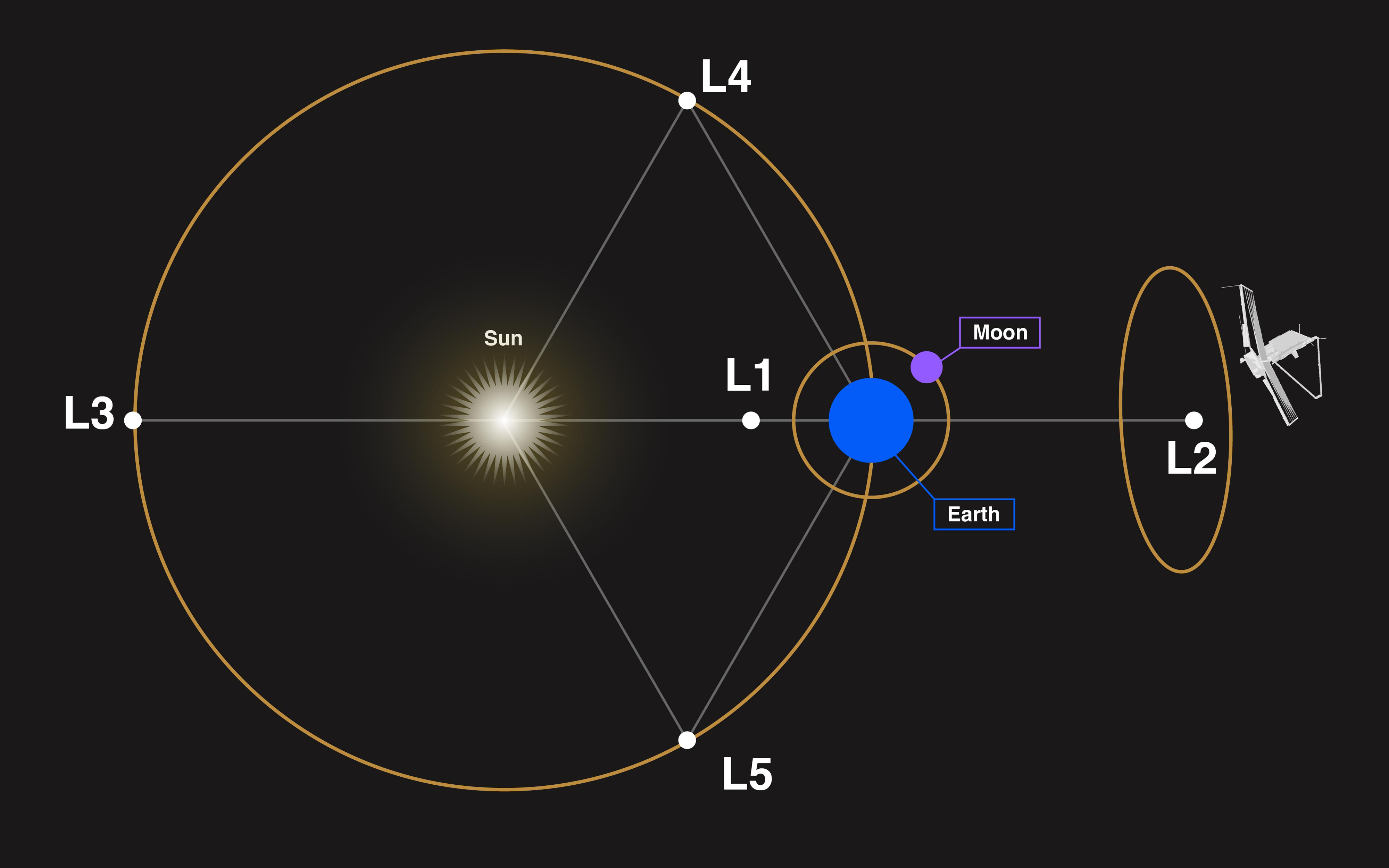
Five spots in the Earth-Sun system where the gravitational tug of two massive bodies and the pull of circular motion all cancel out, creating gravitational parking spaces where spacecraft can sit for decades with almost no fuel.