


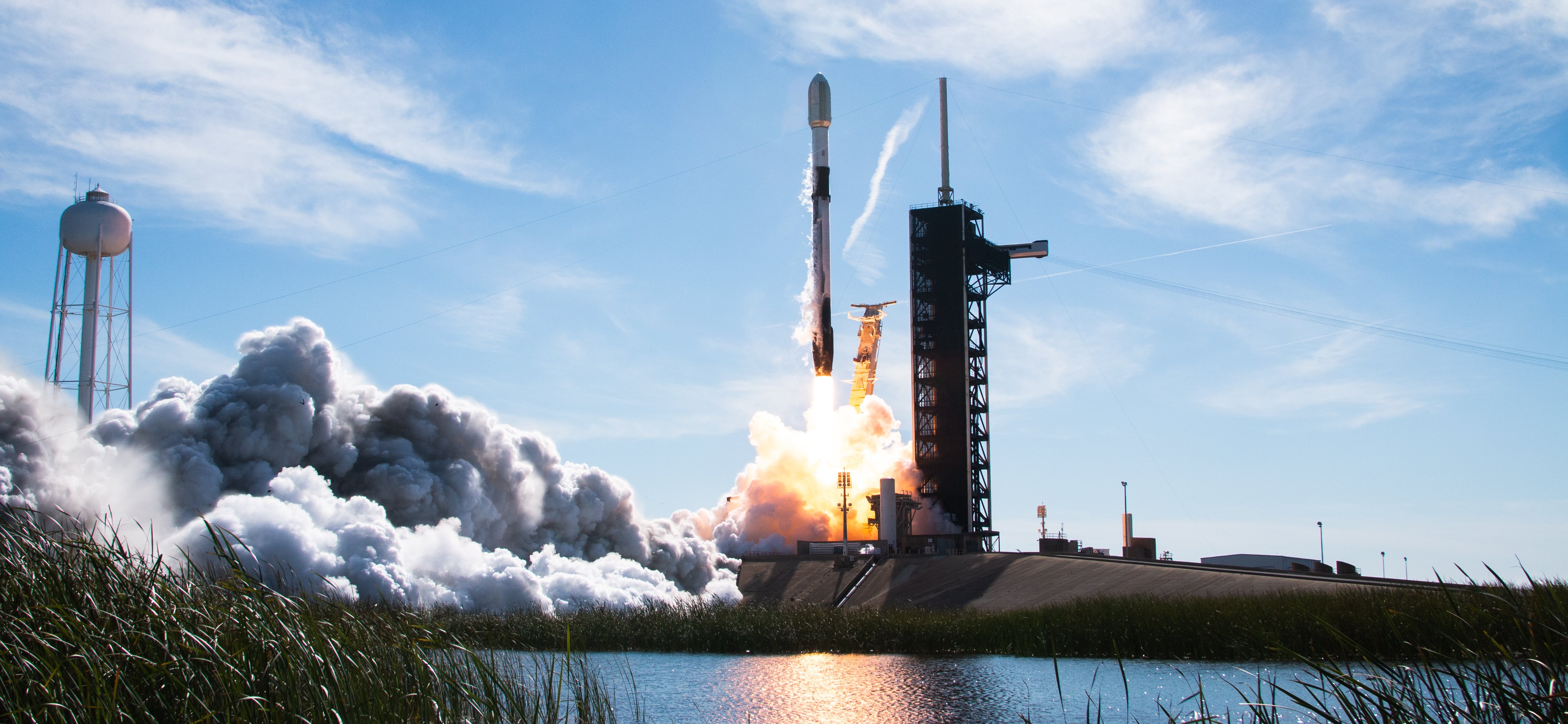
Space Brief 26 May 2025
Today's highlights include China's lunar collaboration with Russia, new insights from Magellan's Venus mission, and stunning 8K images of the sun.



Launch Date
September 3, 2025
Launch Site
Launch Pad
LC40
Launch Vehicle
NORAD ID
65485
International Designator
2025-195AD
Epoch
Mon, 20 Jul 2026 06:30:53 GMT
Apogee
Calculating...
Perigee
Calculating...
Inclination
53.16°
Right Ascension
1.54°
Eccentricity
Calculating...
Argument of Perigee
84.94°
Period
94.01 min
Mean Motion
15.32 rev/day
Latitude
Calculating...
Longitude
Calculating...
Altitude
Calculating...
Velocity
Calculating...
Name
STARLINK-35143
Alternative Name
N/A
Type
Status
Owner
SPXS
Country
United States
Constellation
N/A
Related Satellites
Major Events
N/A
1 65485U 25195AD 26201.27145562 .00012199 00000+0 40433-3 0 9991
2 65485 53.1591 1.5433 0001095 84.9427 275.1699 15.31691010 50280
Source: Celestrak
Length
0.3
Diameter
4.1
Span
29.0
Dry Mass
530
Launch Mass
575
Shape
Box + pan
Radar Cross Section
Unknown
Visual Magnitude
Unknown
Color
Unknown
Material Composition
Unknown
Payload
Starlink Group 10-22-28
Purpose
Unknown
Mission
Unknown
Manufacturer
SPXS
Life Expectancy
Unknown
Bus
Starlink V2MO
Configuration
Unknown
Motor
Unknown
Equipment
Unknown
Power System
Unknown
ADCS
Unknown
Transmitter Frequency
Unknown
Learn more about satellites and other related topics.
Today's highlights include China's lunar collaboration with Russia, new insights from Magellan's Venus mission, and stunning 8K images of the sun.
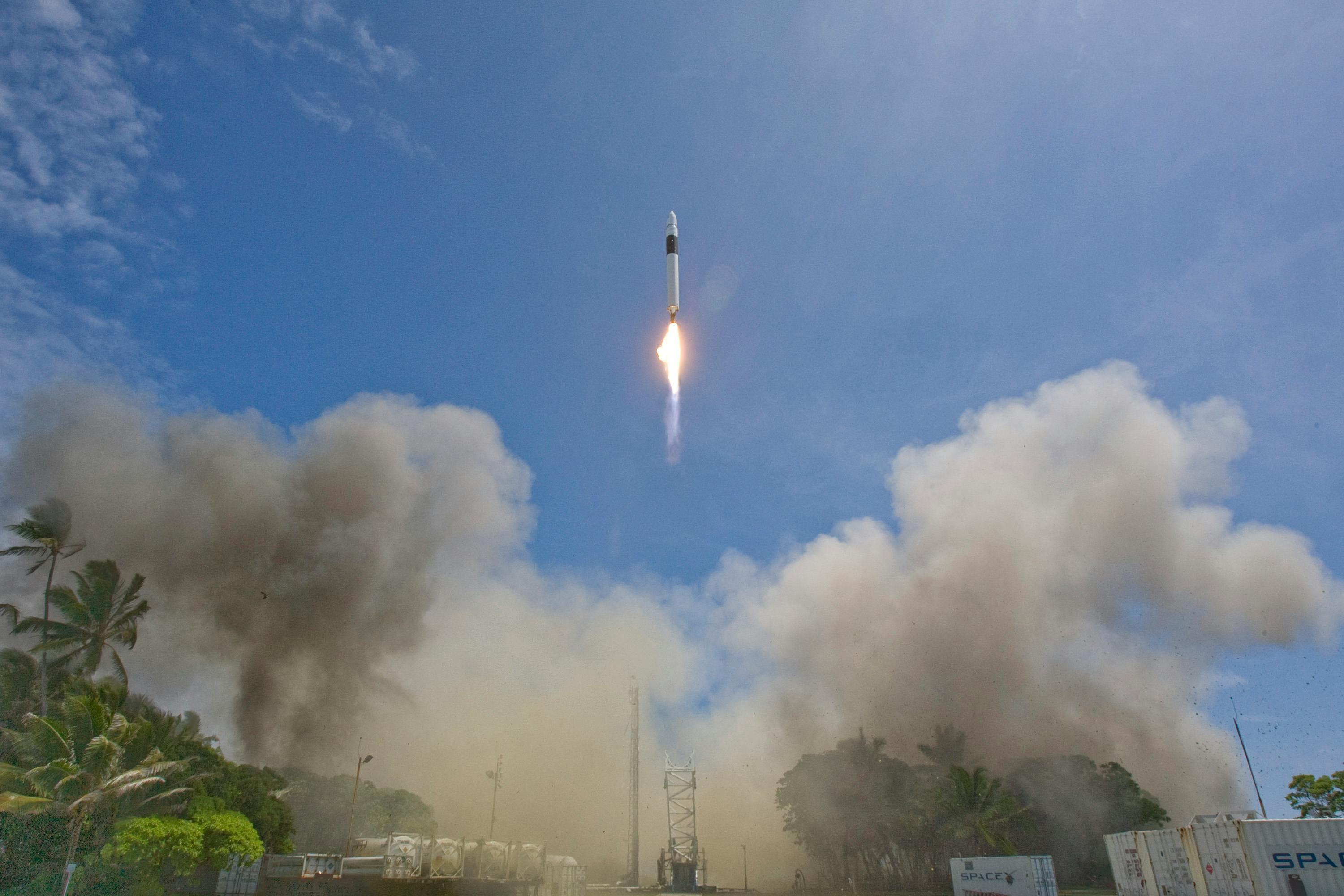
SpaceX is pushing to launch Starship from Cape Canaveral before end of 2026, with contractors ramping work at LC-39A.

Space Force sees strategic value in asteroid mining. Congress pushes back on R-GPS phase-out over jamming risks. BlackSky expands Gen 3 defense contracts.

Discover the latest developments in hypersonic missile production, defense innovation strategies, and satellite infrastructure resilience impacting military operations.
U.S. Space Force selects Boeing's 702MP spacecraft for next-generation MUOS satellites. Rocket Lab delivers Synspective's 10th StriX radar satellite. Track both missions.
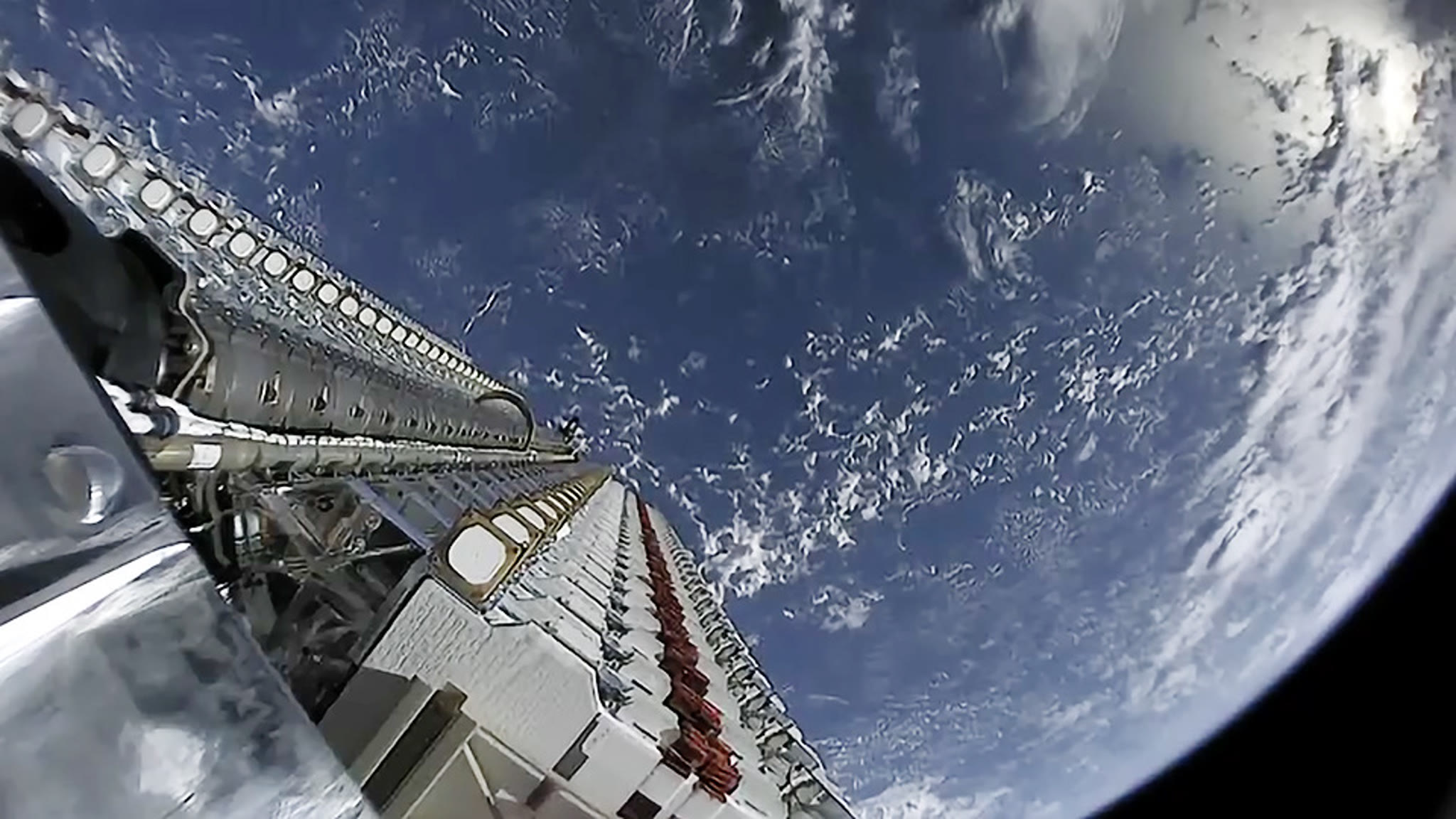
Starlink satellites fired their thrusters to dodge a collision roughly 300,000 times in 2025, about 822 times a day. Behind that number is a fragile, half-automated system of warnings, probabilities, and judgment calls that decides which close approaches are worth a maneuver and which are just noise.

A second Starlink satellite has generated on-orbit debris in just over 3 months, threatening SpaceX's 10,151-satellite working constellation.
Today's highlights include strategic shifts in the defense sector, innovations in solar technology for space, and developments in satellite-related military projects.