


Space Brief 4 Dec 2025
Today's brief covers SpaceX's Starship launch approval, Antares' nuclear funding, and shifts in global space defense strategies.



Launch Date
December 21, 1977
Launch Site
TTMTR
Launch Pad
LC90
Launch Vehicle
Tsiklon-2
NORAD ID
64991
International Designator
1977-121DC
Epoch
Sun, 28 Jun 2026 11:21:18 GMT
Apogee
Calculating...
Perigee
Calculating...
Inclination
65.80°
Right Ascension
195.86°
Eccentricity
Calculating...
Argument of Perigee
90.91°
Period
103.76 min
Mean Motion
13.88 rev/day
Latitude
Calculating...
Longitude
Calculating...
Altitude
Calculating...
Velocity
Calculating...
Name
COSMOS 970 DEB
Alternative Name
N/A
Type
Status
Owner
PKO
Country
USSR
Constellation
N/A
Related Satellites
Major Events
N/A
1 64991U 77121DC 26179.47313633 .00000269 00000-0 28205-3 0 9999
2 64991 65.8045 195.8581 0111775 90.9059 270.4818 13.87834016630853
Source: Celestrak
Length
0.0
Diameter
0.0
Span
0.0
Dry Mass
0
Launch Mass
0
Shape
N/A
Radar Cross Section
Unknown
Visual Magnitude
Unknown
Color
Unknown
Material Composition
Unknown
Payload
Unknown
Purpose
Unknown
Mission
Unknown
Manufacturer
Unknown
Life Expectancy
Unknown
Bus
Unknown
Configuration
Unknown
Motor
Unknown
Equipment
Unknown
Power System
Unknown
ADCS
Unknown
Transmitter Frequency
Unknown
Learn more about satellites and other related topics.
Today's brief covers SpaceX's Starship launch approval, Antares' nuclear funding, and shifts in global space defense strategies.

GPS III SV10 launched April 21 on a SpaceX Falcon 9 with 3x better accuracy and 8x anti-jamming. Starlink stands at 10,263 working satellites.
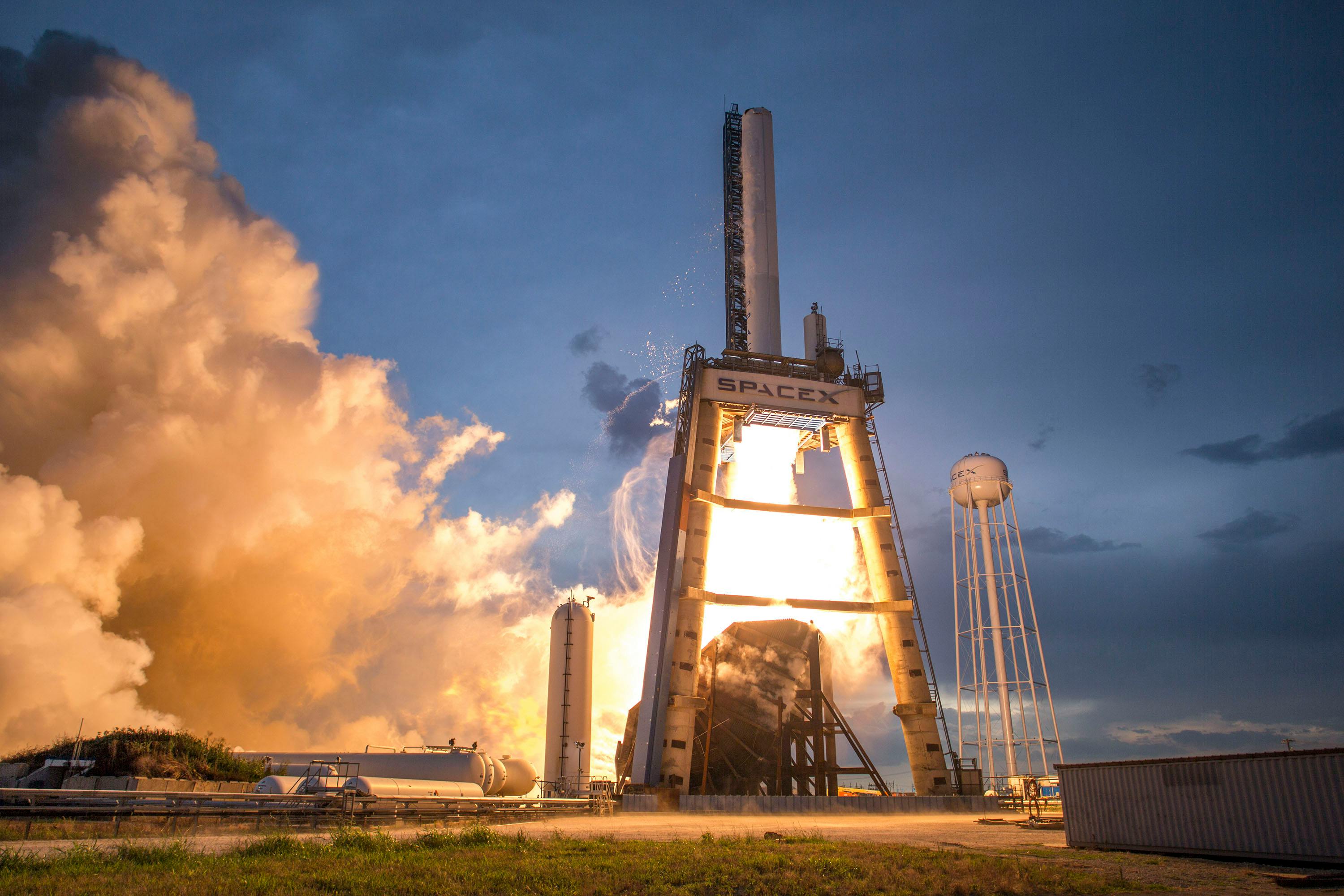
SpaceX continues its Starship testing while advancing Starlink deployments, and collaborates on satellite missions with industry partners.

Today's brief covers SpaceX's launch of a secret US spy satellite, national security satellite launches, and Japan's missile ambitions. Also highlighted are Estonia's AI defense upgrades and autonomous airpower in Australia.

Today's brief covers the U.S. Space Force's new international strategy, Northrop Grumman's Golden Dome project, and ULA's Vulcan launches, alongside military budget priorities.

SpaceX explores new horizons with Starship's point-to-point travel announcement and reports significant Starlink deployment progress.
Today's briefing covers space-based missile defense, AI maritime surveillance, and new governmental shifts impacting the defense sector.

Thirty-five years ago, Voyager 1 captured a revolutionary series of images from the edge of our solar system, forever changing how humanity sees its place in the cosmos