



Space Brief 27 Aug 2024
Today's highlights include the destruction of ABL Space Systems' rocket due to engine leaks, Firefly Aerospace's lunar lander pre-launch tests, and insights on U.S. military's space domain awareness enhancements.



Launch Date
June 28, 2025
Launch Site
Launch Pad
LC40
Launch Vehicle
NORAD ID
64671
International Designator
2025-139H
Epoch
Sun, 19 Jul 2026 09:56:20 GMT
Apogee
Calculating...
Perigee
Calculating...
Inclination
53.16°
Right Ascension
232.93°
Eccentricity
Calculating...
Argument of Perigee
90.15°
Period
93.85 min
Mean Motion
15.34 rev/day
Latitude
Calculating...
Longitude
Calculating...
Altitude
Calculating...
Velocity
Calculating...
Name
STARLINK-34365
Alternative Name
N/A
Type
Status
Owner
SPXS
Country
United States
Constellation
N/A
Related Satellites
Major Events
N/A
1 64671U 25139H 26200.41412645 .00009545 00000+0 29329-3 0 9991
2 64671 53.1575 232.9317 0000753 90.1523 269.9566 15.34398837 60543
Source: Celestrak
Length
0.3
Diameter
4.1
Span
29.0
Dry Mass
530
Launch Mass
575
Shape
Box + pan
Radar Cross Section
Unknown
Visual Magnitude
Unknown
Color
Unknown
Material Composition
Unknown
Payload
Starlink Group 10-34-08
Purpose
Unknown
Mission
Unknown
Manufacturer
SPXS
Life Expectancy
Unknown
Bus
Starlink V2MO
Configuration
Unknown
Motor
Unknown
Equipment
Unknown
Power System
Unknown
ADCS
Unknown
Transmitter Frequency
Unknown
Learn more about satellites and other related topics.
Today's highlights include the destruction of ABL Space Systems' rocket due to engine leaks, Firefly Aerospace's lunar lander pre-launch tests, and insights on U.S. military's space domain awareness enhancements.
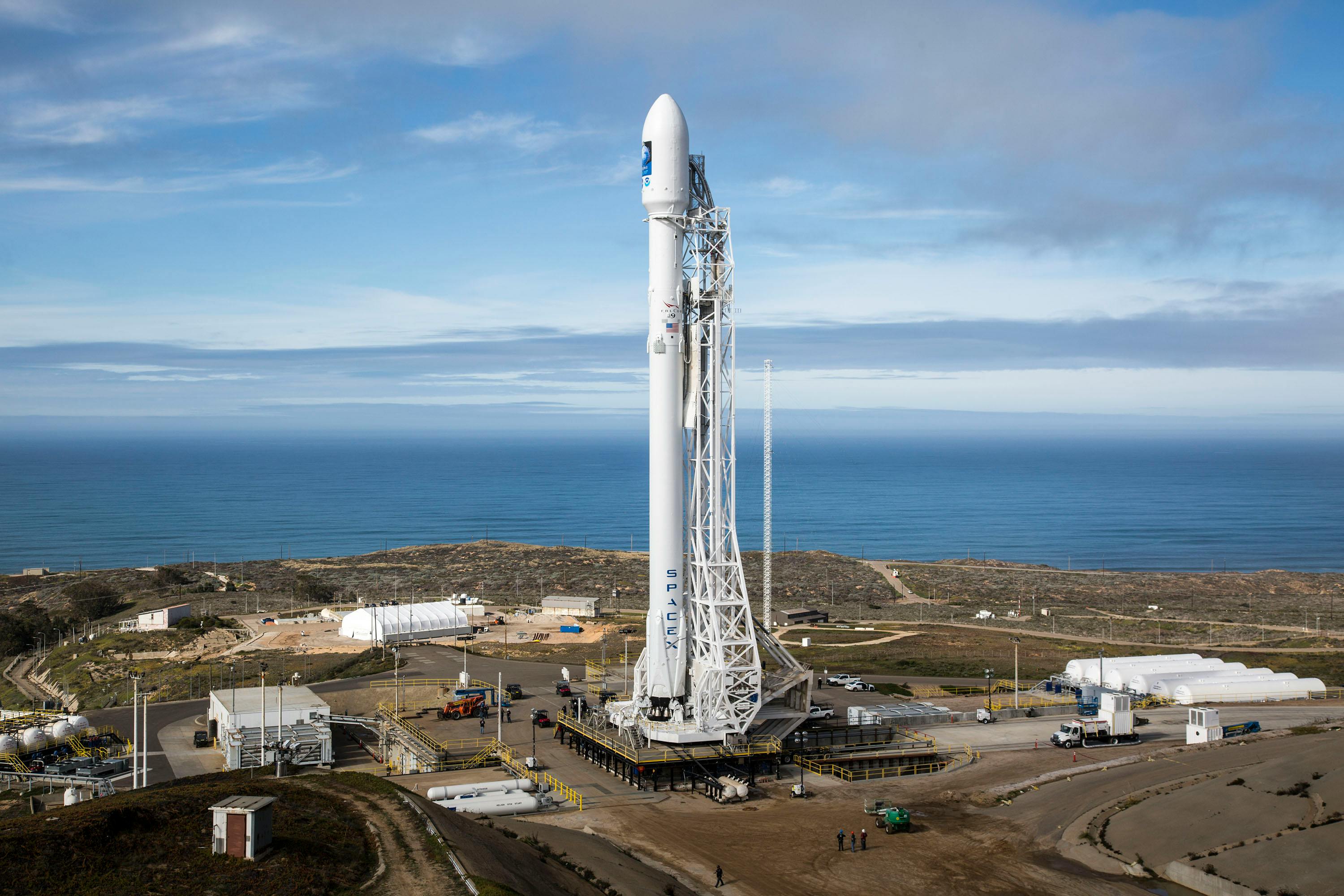
SpaceX successfully launched 43 Starlink satellites across two missions, marking significant achievements at Cape Canaveral and Vandenberg Space Force Bases.

SpaceX awarded $2.29 billion to build Space Force's LEO communications backbone, integrating with SDA Transport layer satellites for military tactical data relay through space.

Today's highlights include Space Force's budget shifts, China's new commercial lunar collaboration, and SpaceX's latest Starlink launch.

On May 4, 1989, Space Shuttle Atlantis lifted off from LC-39B carrying Magellan, NASA's first interplanetary mission since 1978. The eleven-year drought ended in a payload bay, and the radar that emerged would map ninety-eight percent of Venus through clouds that no camera could ever see through.
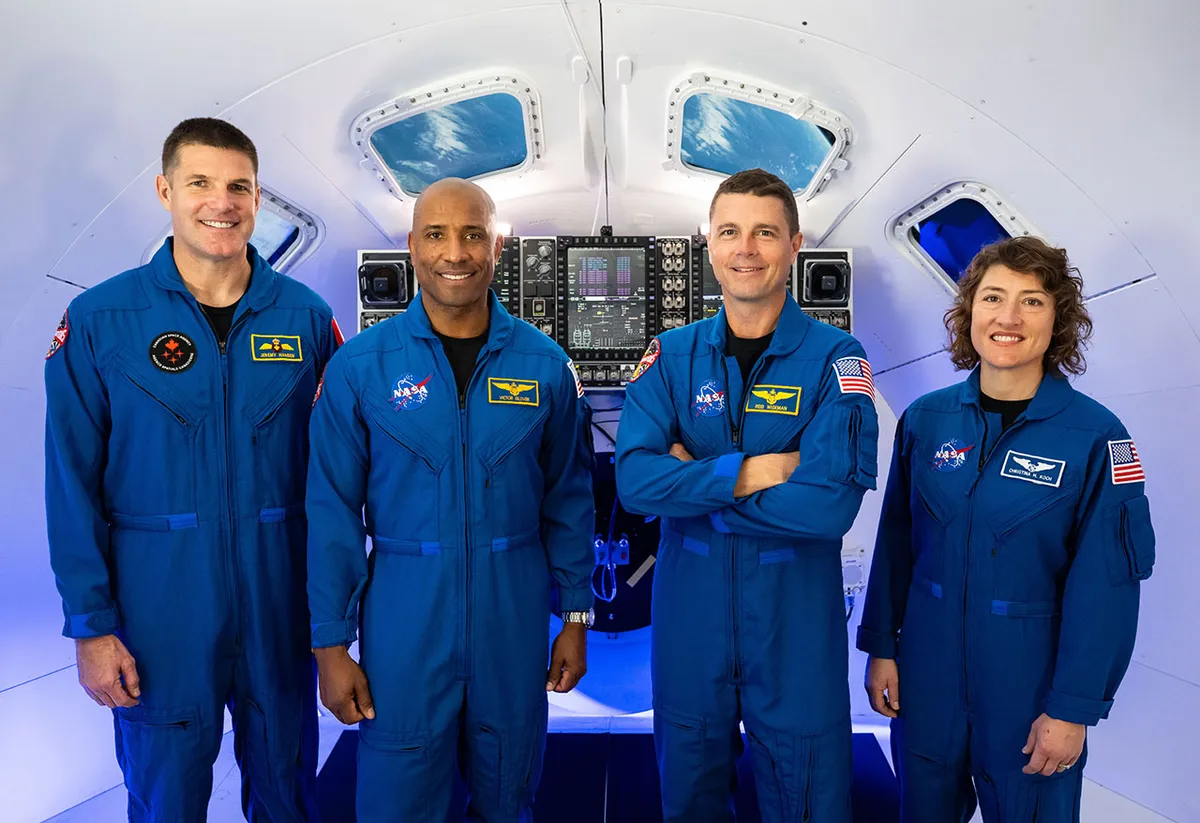
Four astronauts, a patched-together heat shield, and a $50 billion question: whether NASA can still send humans beyond low Earth orbit. Tomorrow, we find out.
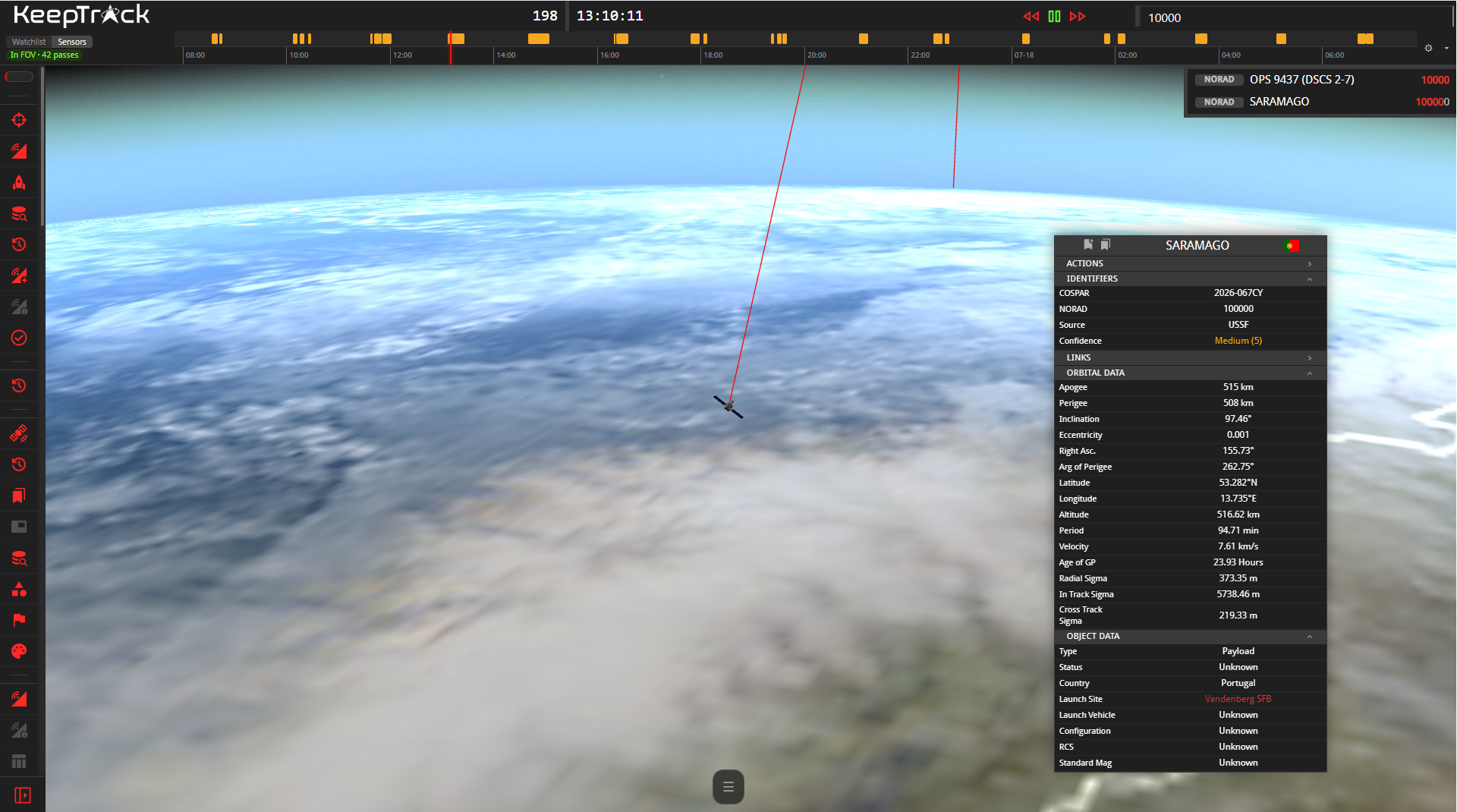
On July 11, 2026, a Portuguese satellite named after a Nobel laureate became the first object to carry catalog number 100000. It broke a five-digit numbering limit that had held since Sputnik, and exposed how unprepared decades of tracking software is for a sky this crowded.
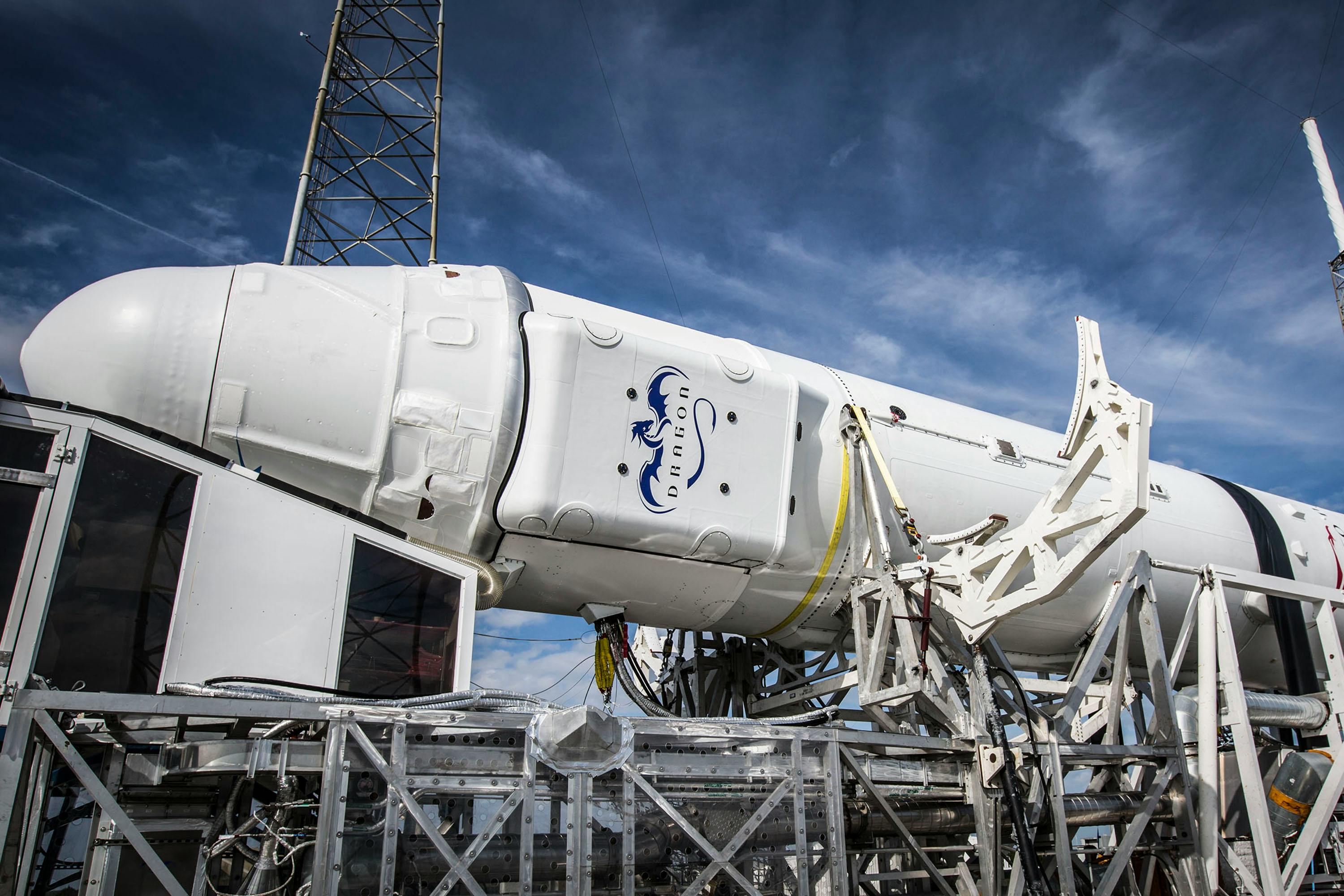
New experiments in space agriculture begin with Fram2 mission, a historic polar orbit flight, and a Starlink launch postponement.