


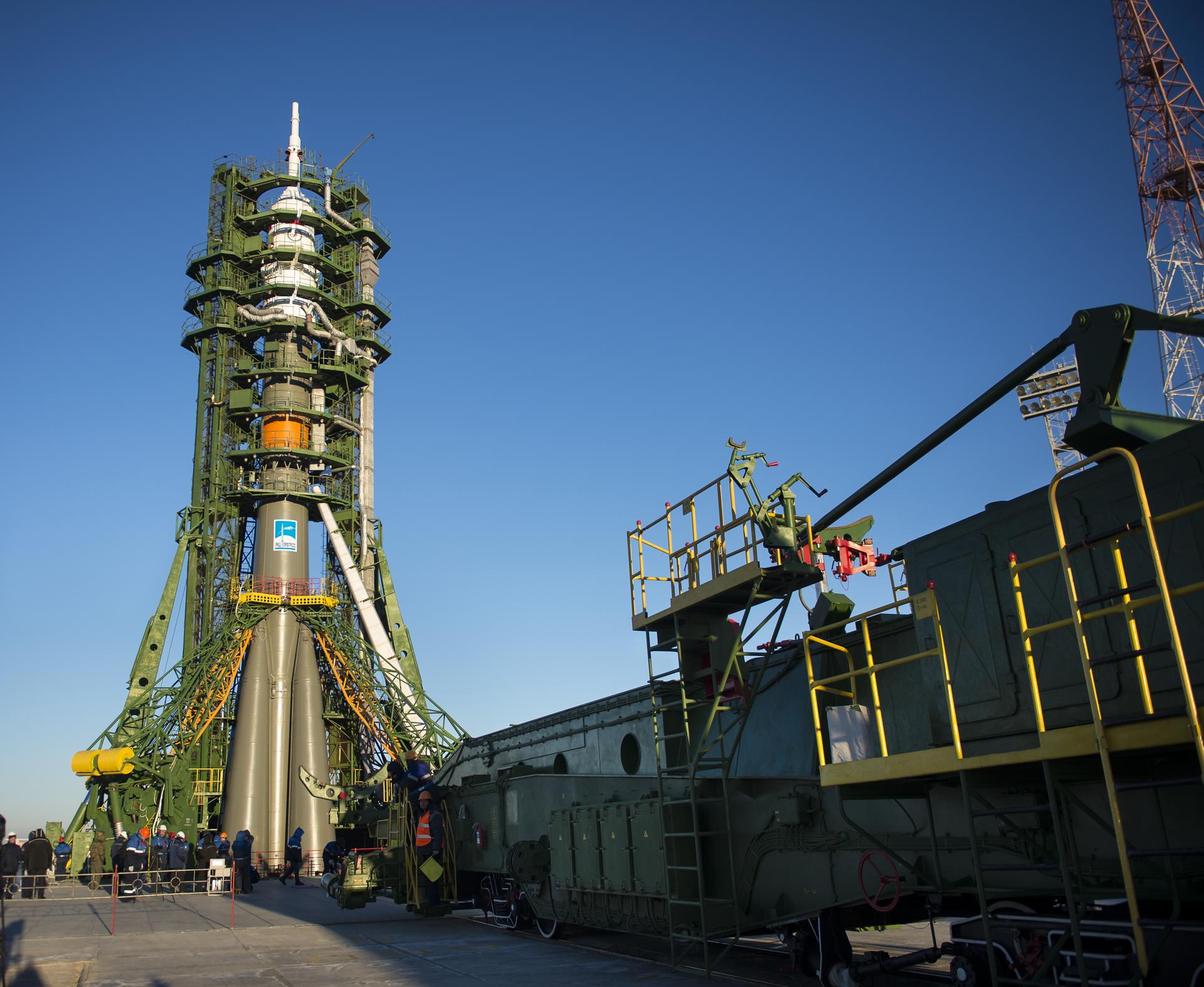
The Farming Satellite Iran Can't Launch Itself
Iran calls Kowsar 1.5 a private-sector farming satellite. Its 3.45-meter camera, its sun-synchronous orbit, and the Russian rocket that carried it point somewhere else entirely.



Launch Date
June 13, 2025
Launch Site
Launch Pad
LC40
Launch Vehicle
NORAD ID
64379
International Designator
2025-127K
Epoch
Mon, 20 Jul 2026 17:44:42 GMT
Apogee
Calculating...
Perigee
Calculating...
Inclination
43.00°
Right Ascension
2.91°
Eccentricity
Calculating...
Argument of Perigee
289.29°
Period
91.67 min
Mean Motion
15.71 rev/day
Latitude
Calculating...
Longitude
Calculating...
Altitude
Calculating...
Velocity
Calculating...
Name
STARLINK-11743
Alternative Name
N/A
Type
Status
Owner
SPXS
Country
United States
Constellation
N/A
Related Satellites
Major Events
N/A
1 64379U 25127K 26201.73938549 .00131541 00000+0 10124-2 0 9999
2 64379 43.0008 2.9139 0001979 289.2936 70.7718 15.70842300 64421
Source: Celestrak
Length
0.3
Diameter
4.1
Span
29.0
Dry Mass
910
Launch Mass
960
Shape
Box + pan
Radar Cross Section
Unknown
Visual Magnitude
Unknown
Color
Unknown
Material Composition
Unknown
Payload
Starlink Group 12-26-10
Purpose
Unknown
Mission
Unknown
Manufacturer
SPXS
Life Expectancy
Unknown
Bus
Starlink V2MD
Configuration
Unknown
Motor
Unknown
Equipment
Unknown
Power System
Unknown
ADCS
Unknown
Transmitter Frequency
Unknown
Learn more about satellites and other related topics.
Iran calls Kowsar 1.5 a private-sector farming satellite. Its 3.45-meter camera, its sun-synchronous orbit, and the Russian rocket that carried it point somewhere else entirely.

Today's brief covers China's intense launch schedule, a new Arctic military constellation, Muon Space's defense innovations, and SpaceX's classified NROL-77 mission.
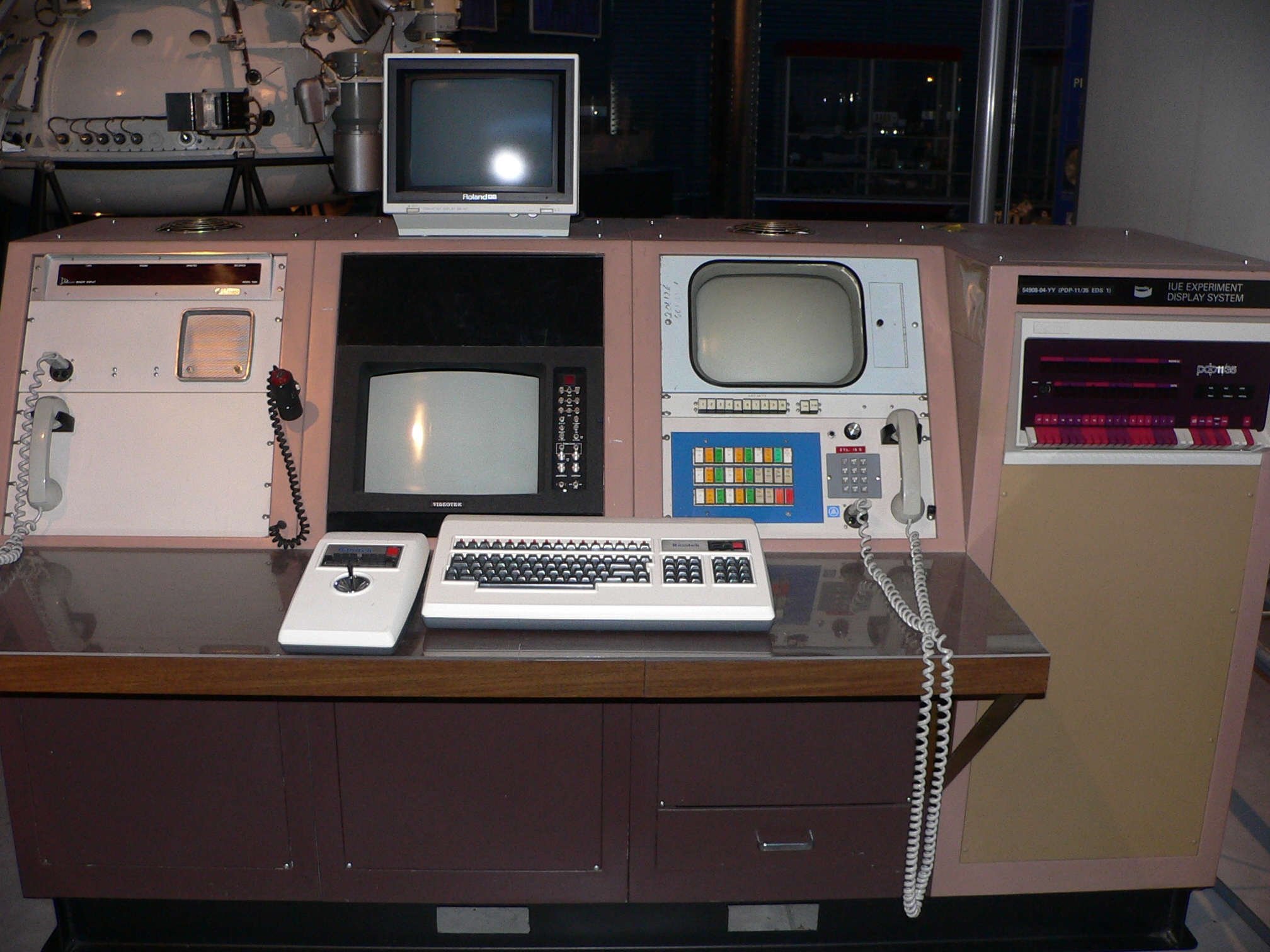
Forty-seven years ago, a revolutionary space telescope changed our view of the cosmos, pioneering international cooperation in space-based astronomy

SpaceX claims a 2nd GPS III launch as ULA's Vulcan investigation stalls, while ESA charters a Crew Dragon ISS mission and Starlink hits 30 launches in 2026.
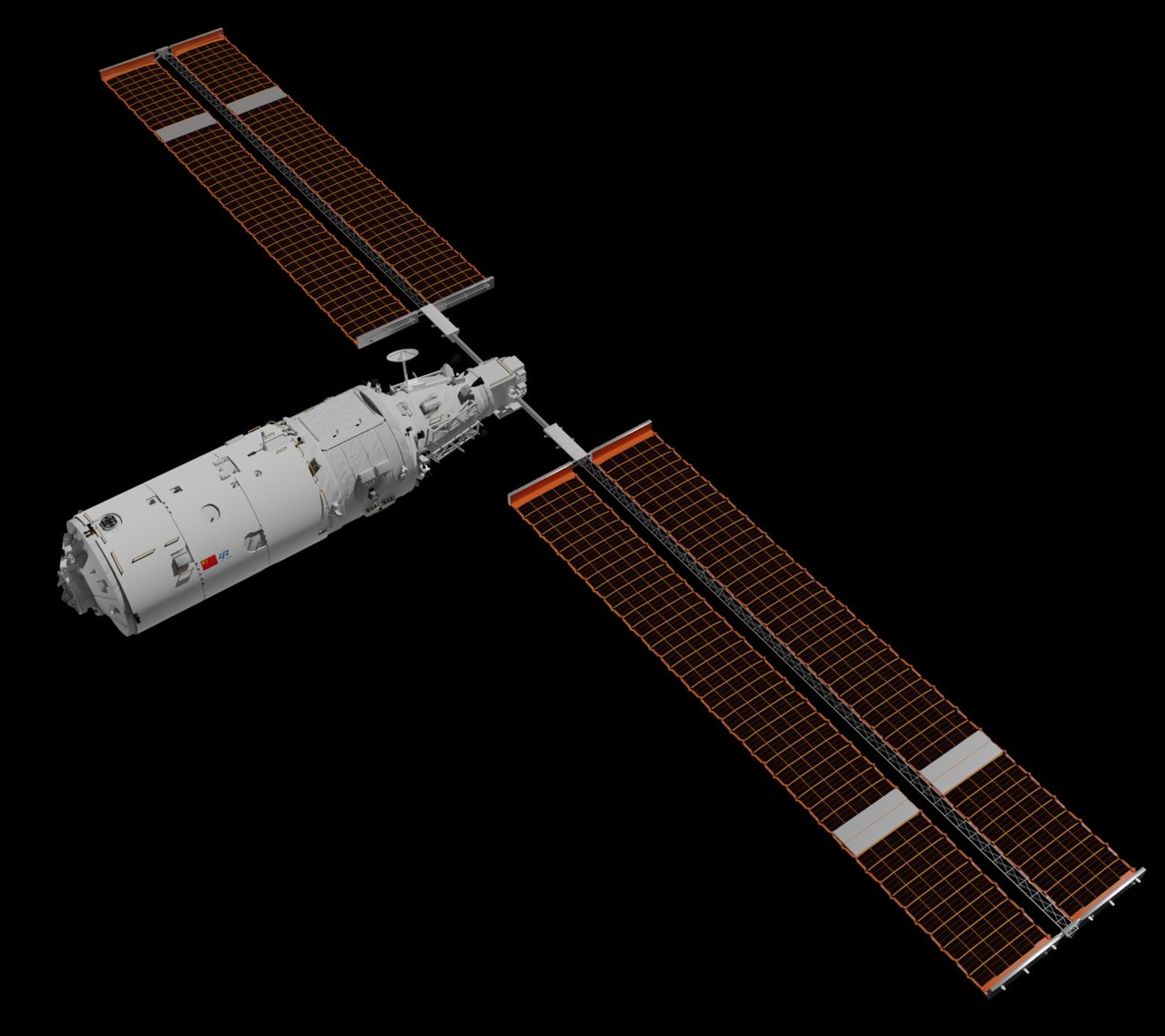
Highlights of the day include the Polaris Dawn mission's splashdown, advances in space traffic management, and intriguing astronomy insights from the cloud's edge.
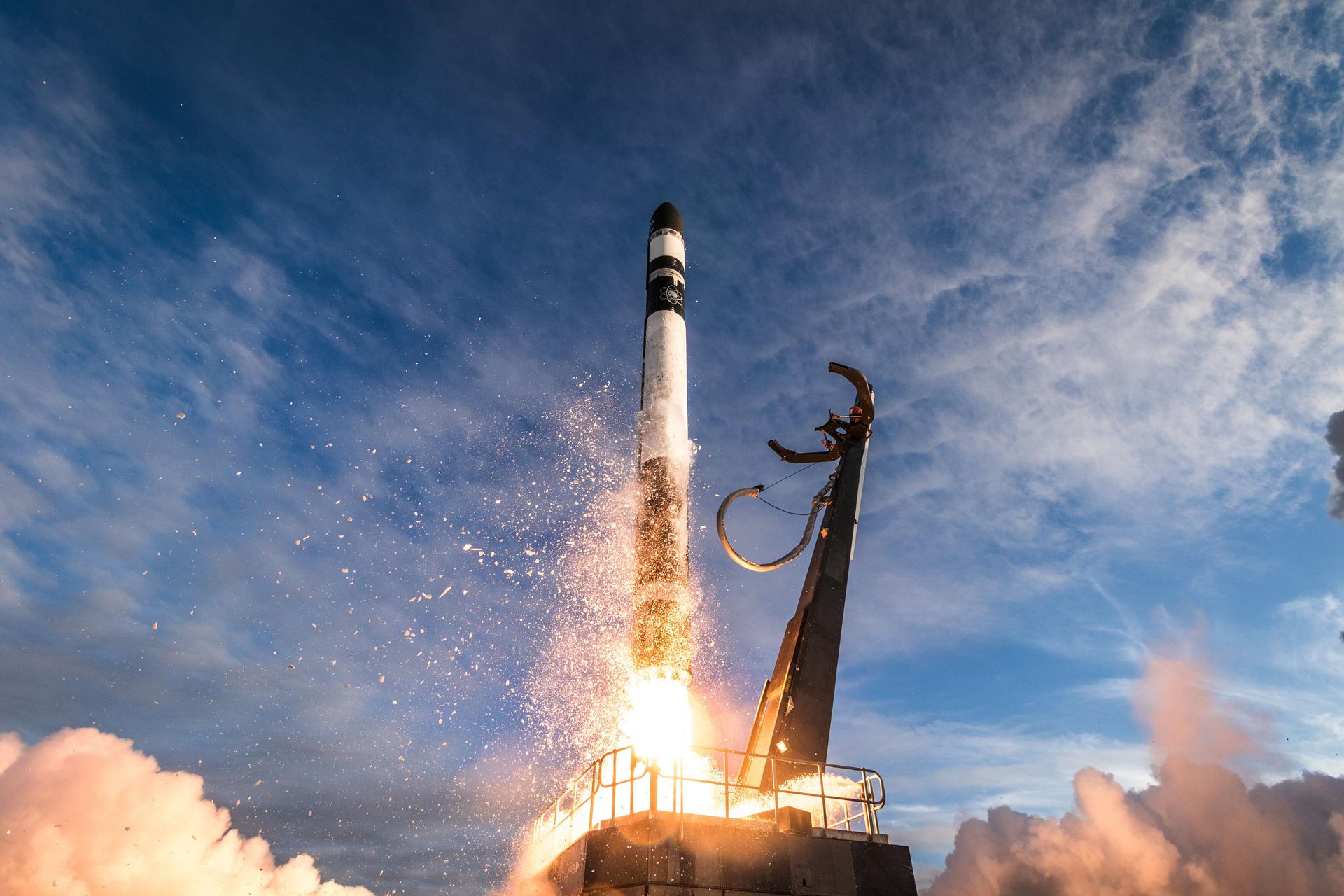
Today's briefing includes new appointments in U.S. military and defense sectors, X-37B's continued mission, and international policy shifts affecting satellite technology sales.
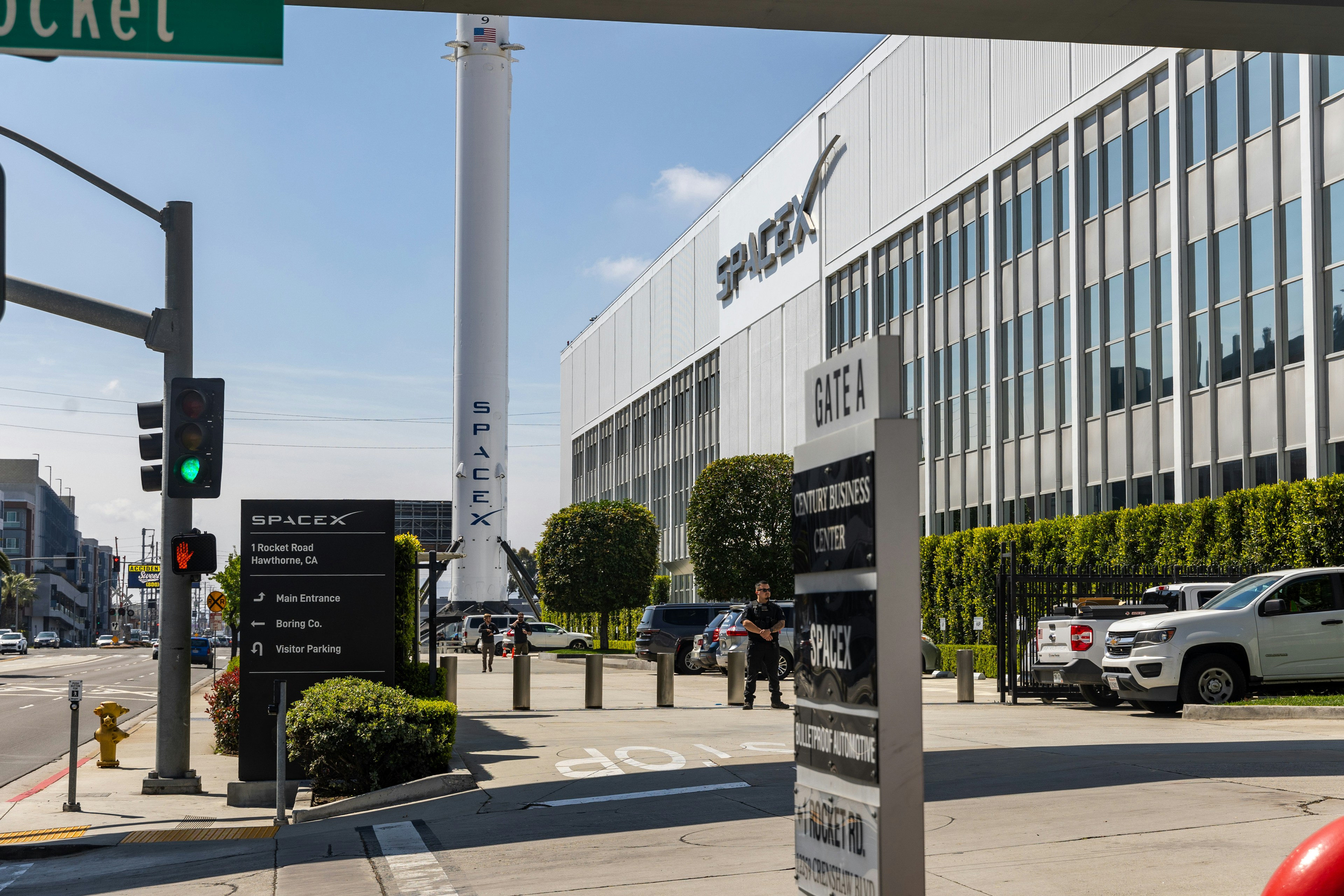
SpaceX continues to make strides with its Starship program while successfully launching another batch of Starlink satellites into orbit, enhancing global internet coverage.
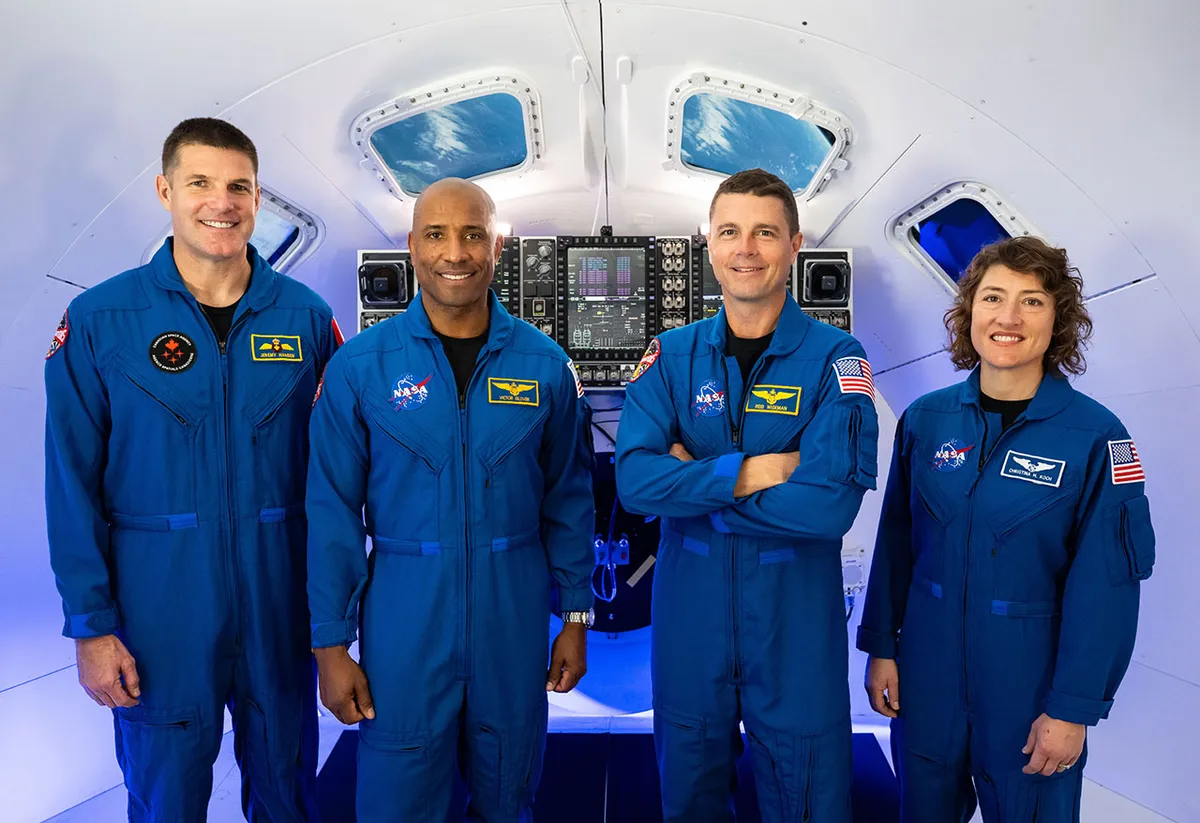
Four astronauts, a patched-together heat shield, and a $50 billion question: whether NASA can still send humans beyond low Earth orbit. Tomorrow, we find out.