


Space Brief 21 Mar 2025
Today's highlights include SpaceX's new rocket-reuse record with a spy satellite launch, Space Force's funding strategies, and a European defense summit addressing security concerns.



Launch Date
April 29, 2025
Launch Site
Launch Pad
LC40
Launch Vehicle
NORAD ID
63756
International Designator
2025-089F
Epoch
Mon, 20 Jul 2026 07:31:36 GMT
Apogee
Calculating...
Perigee
Calculating...
Inclination
43.00°
Right Ascension
212.84°
Eccentricity
Calculating...
Argument of Perigee
229.27°
Period
91.66 min
Mean Motion
15.71 rev/day
Latitude
Calculating...
Longitude
Calculating...
Altitude
Calculating...
Velocity
Calculating...
Name
STARLINK-11688
Alternative Name
N/A
Type
Status
Owner
SPXS
Country
United States
Constellation
N/A
Related Satellites
Major Events
N/A
1 63756U 25089F 26201.31361679 .00186165 00000+0 14100-2 0 9992
2 63756 43.0008 212.8442 0001848 229.2698 130.8009 15.71042545 70884
Source: Celestrak
Length
0.3
Diameter
4.1
Span
29.0
Dry Mass
910
Launch Mass
960
Shape
Box + pan
Radar Cross Section
Unknown
Visual Magnitude
Unknown
Color
Unknown
Material Composition
Unknown
Payload
Starlink Group 12-10-06
Purpose
Unknown
Mission
Unknown
Manufacturer
SPXS
Life Expectancy
Unknown
Bus
Starlink V2MD
Configuration
Unknown
Motor
Unknown
Equipment
Unknown
Power System
Unknown
ADCS
Unknown
Transmitter Frequency
Unknown
Learn more about satellites and other related topics.
Today's highlights include SpaceX's new rocket-reuse record with a spy satellite launch, Space Force's funding strategies, and a European defense summit addressing security concerns.

From Apollo's darkest days to humanity's first transmission from Venus, we spent 2025 remembering the missions that made modern spaceflight possible. Here's what we covered - and why we're committed to keeping this series going.
Sixty-three years ago, the Soviet Union selected the world's first female cosmonaut training group, launching a new era in human spaceflight that would transform our understanding of gender equality in space exploration
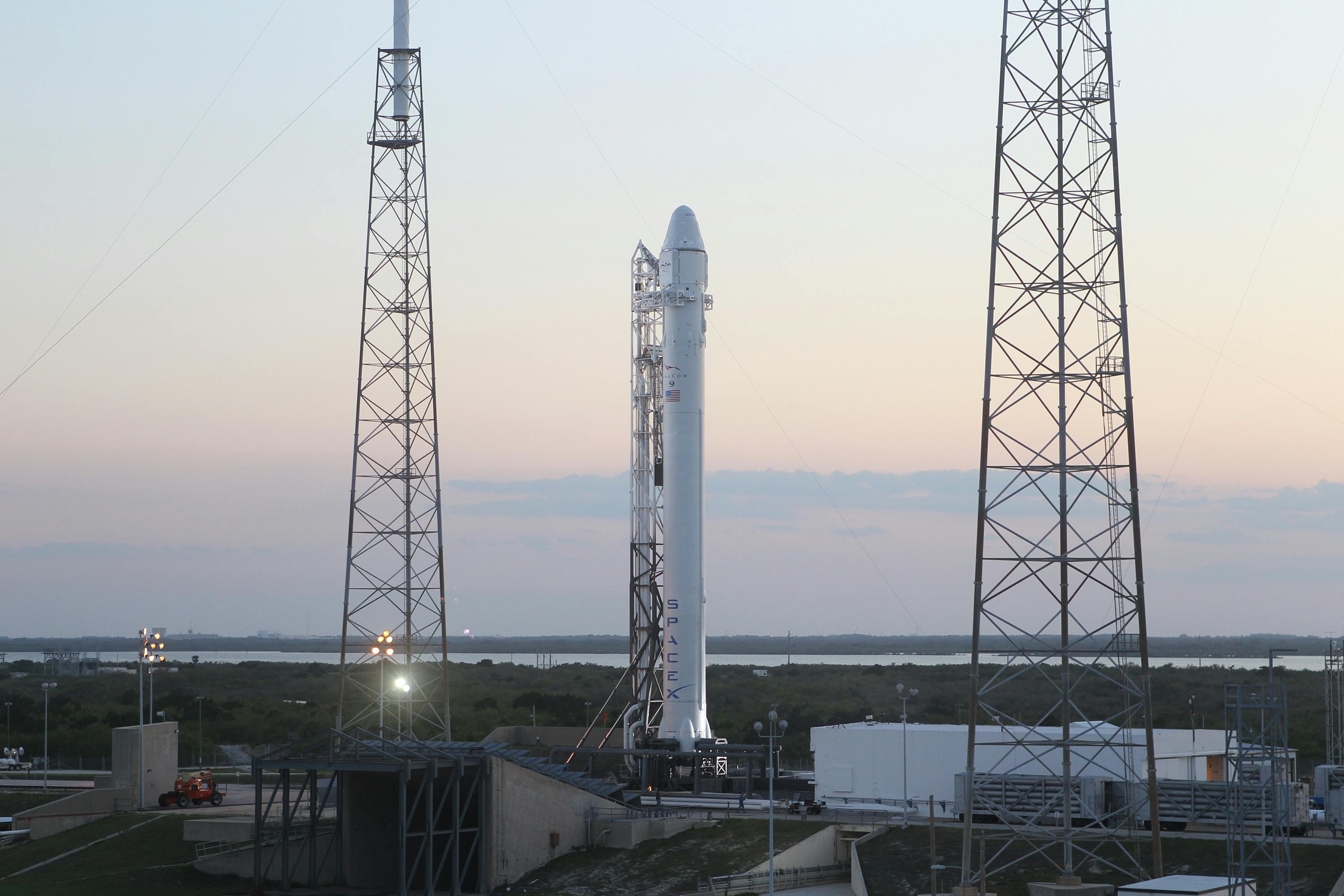
NASA's Inspector General warns of crew survival analysis gaps in Starship lunar lander program as Falcon 9 prepares to lead 8 global launches this week.
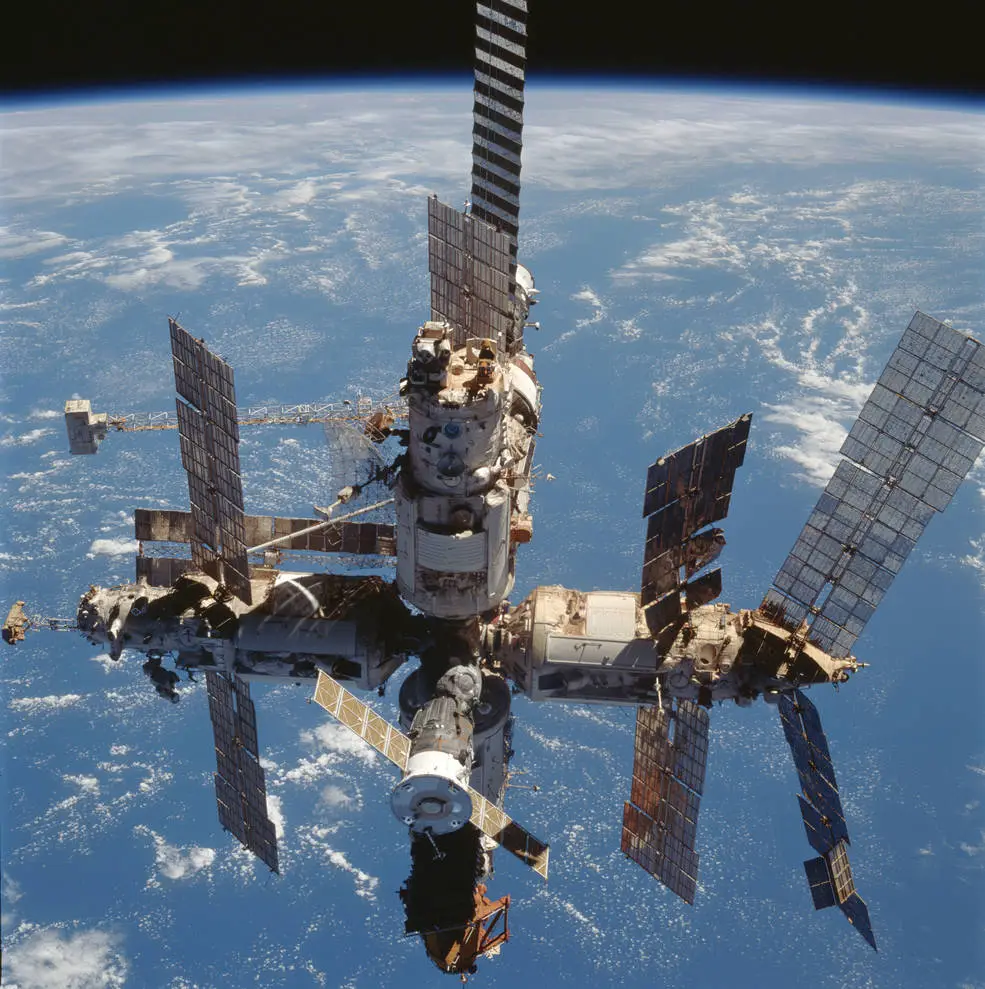
Thirty-nine years ago, a Proton rocket carried the core of the Mir space station into orbit, launching an unprecedented era of continuous human presence in space and international cooperation
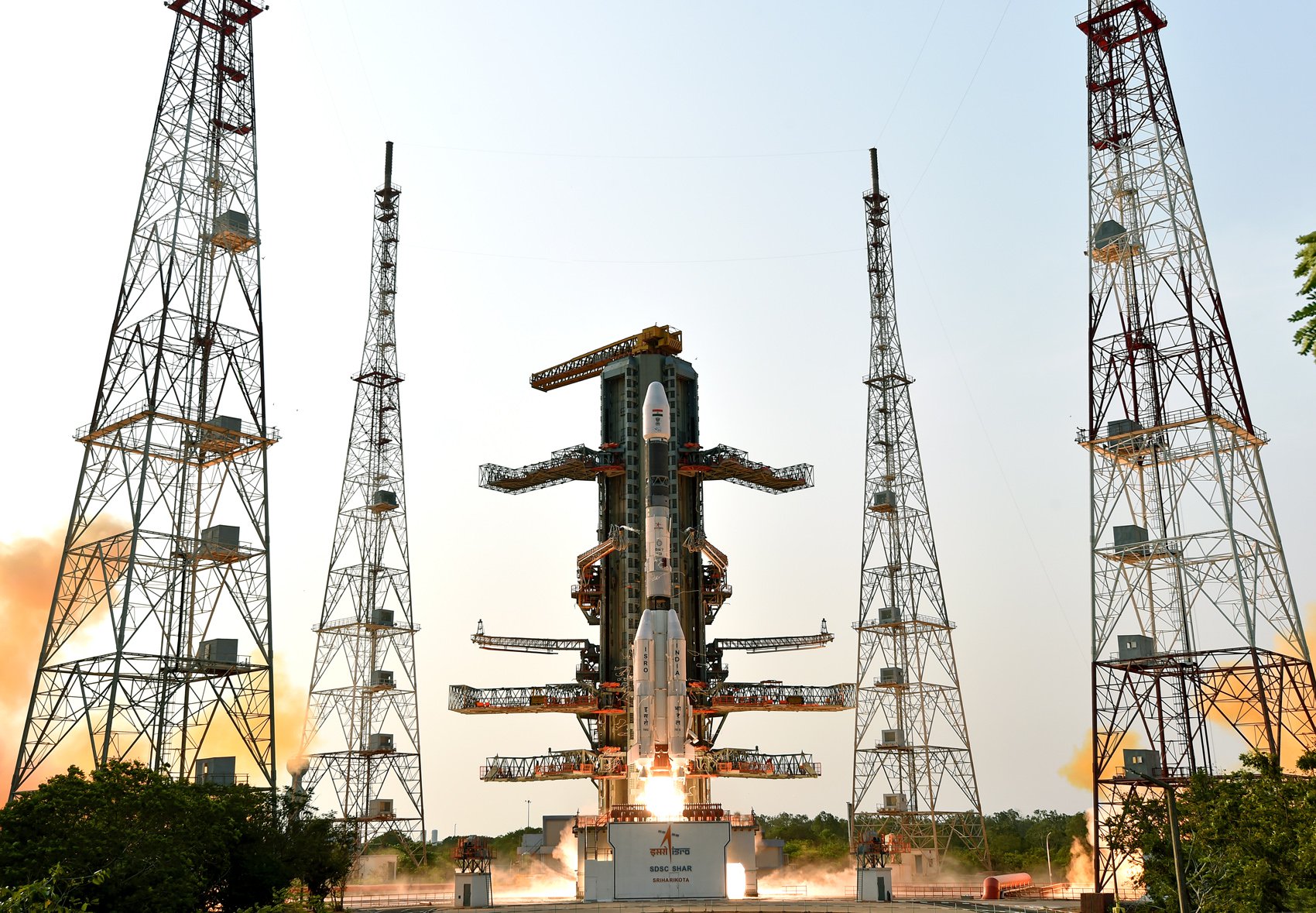
Today's brief covers China's Tianzhou-9 launch to the Tiangong space station, the U.S. Space Force's unfunded MILNET project, and the evolving use of AI in military applications.
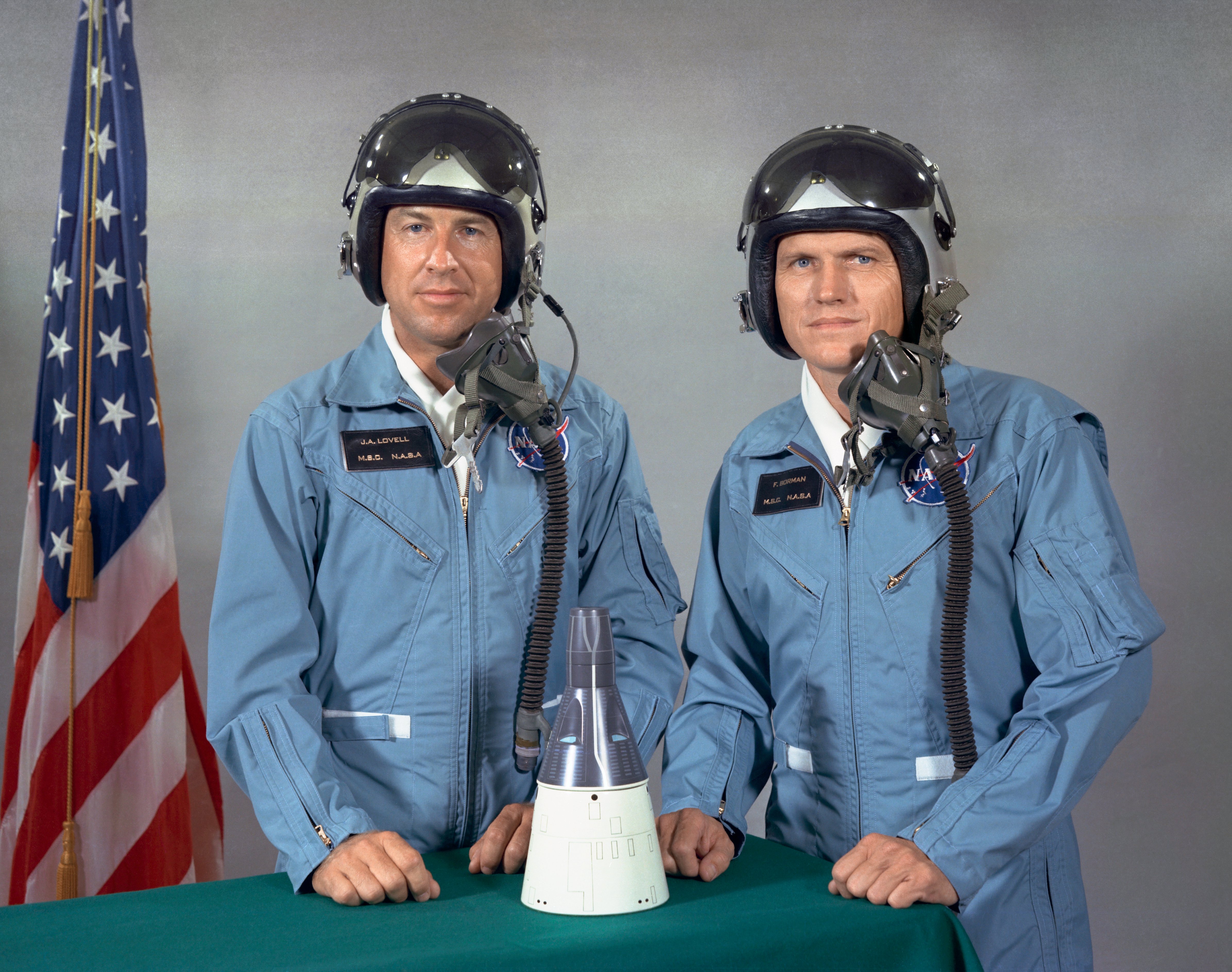
Sixty years ago, Frank Borman and James Lovell launched aboard Gemini 7 for a grueling 14-day mission that would prove humans could endure the journey to the moon and achieve the first true rendezvous in space
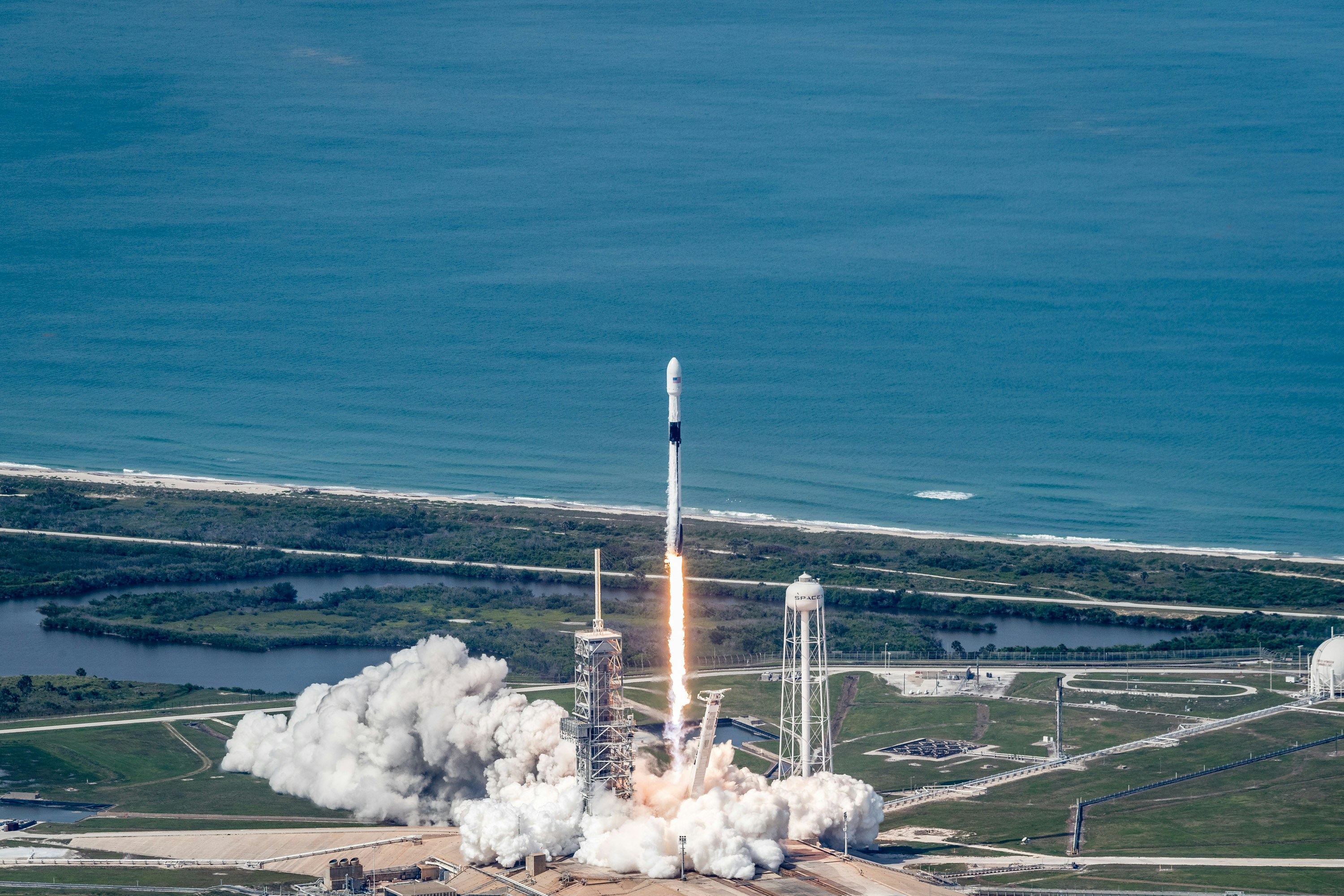
SpaceX continues to make strides in satellite deployment with a successful launch. The European Space Agency's new satellite enhances global atmospheric forecasting, showcasing the expanding role of launches in improving environmental monitoring.