SOAP (63263)

COSPAR: 2025-052BF | Alt Name: N/A

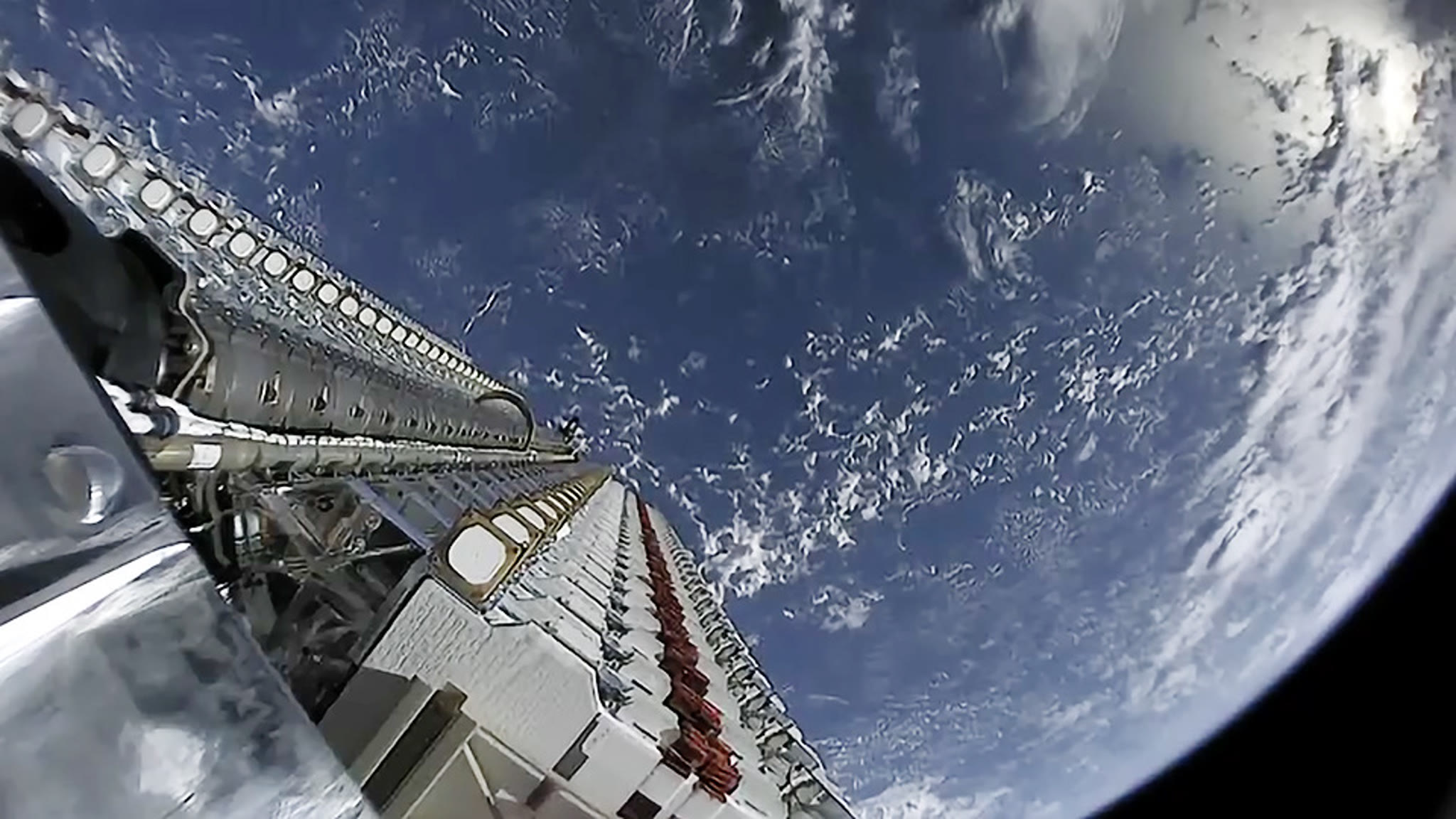
Image
SOAP Satellite Image
Additional Sources
Launch Details

Launch Date

March 15, 2025

Launch Site

AFWTR

Launch Pad

SLC4E

Launch Vehicle

Falcon 9

Orbital Elements

NORAD ID

63263

International Designator

2025-052BF

Epoch

Sun, 19 Jul 2026 20:20:27 GMT

Apogee

Calculating...

Perigee

Calculating...

Inclination

97.68°

Right Ascension

92.60°

Eccentricity

Calculating...

Argument of Perigee

166.96°

Period

96.20 min

Mean Motion

14.97 rev/day

Latitude

Calculating...

Longitude

Calculating...

Altitude

Calculating...

Velocity

Calculating...

Polar Plot
3D Visualization
Basic Satellite Info

Name

SOAP

Alternative Name

N/A

Type

Payload

Status

Operational

Owner

USPACE

Country

France

Constellation

N/A

Related Satellites

Major Events

N/A

Latest TLEs
1 63263U 25052BF  26200.84754575  .00001742  00000+0  15661-3 0  9994
2 63263  97.6819  92.5965 0001421 166.9575 193.1684 14.96938529 73575

Source: Celestrak

Summary

Apologies, there is no summary for this satellite yet. I am working to generate these for every object in the catalog, but it is going to take time.

Physical Characteristics

Length

0.3

Diameter

0.2

Span

1.5

Dry Mass

16

Launch Mass

16

Shape

Box+2 pan

Radar Cross Section

Unknown

Visual Magnitude

Unknown

Color

Unknown

Material Composition

Unknown

Technical Details

Payload

SOAP

Purpose

Unknown

Mission

Unknown

Manufacturer

USPACE

Life Expectancy

Unknown

Bus

Cubesat 12U

Configuration

Unknown

Motor

Unknown

Equipment

Unknown

Power System

Unknown

ADCS

Unknown

Transmitter Frequency

Unknown

Map
This tool will help you track the satellite's position and predict its upcoming passes over your location. Simply input the coordinates or click the geolocation button to get started.
Next Pass
Azimuth Elevation Time (Local)
Start Azimuth
Max Elevation
Stop Azimuth
Time Until
Pass Duration

Satellite Articles

View All Posts »

Learn more about satellites and other related topics.

Space Brief 16 Oct 2024

Space Brief 16 Oct 2024

In today's briefing: China accelerates its satellite megaconstellation. A comprehensive ESA-led optical data network is in the works, marking a key step in satellite communications. NASA's Artemis II crew visits Ohio in preparation for their lunar journey. SpaceX's record-breaking rocket launches continue. Plus, insights into nuclear rockets that could drastically shorten Mars missions.
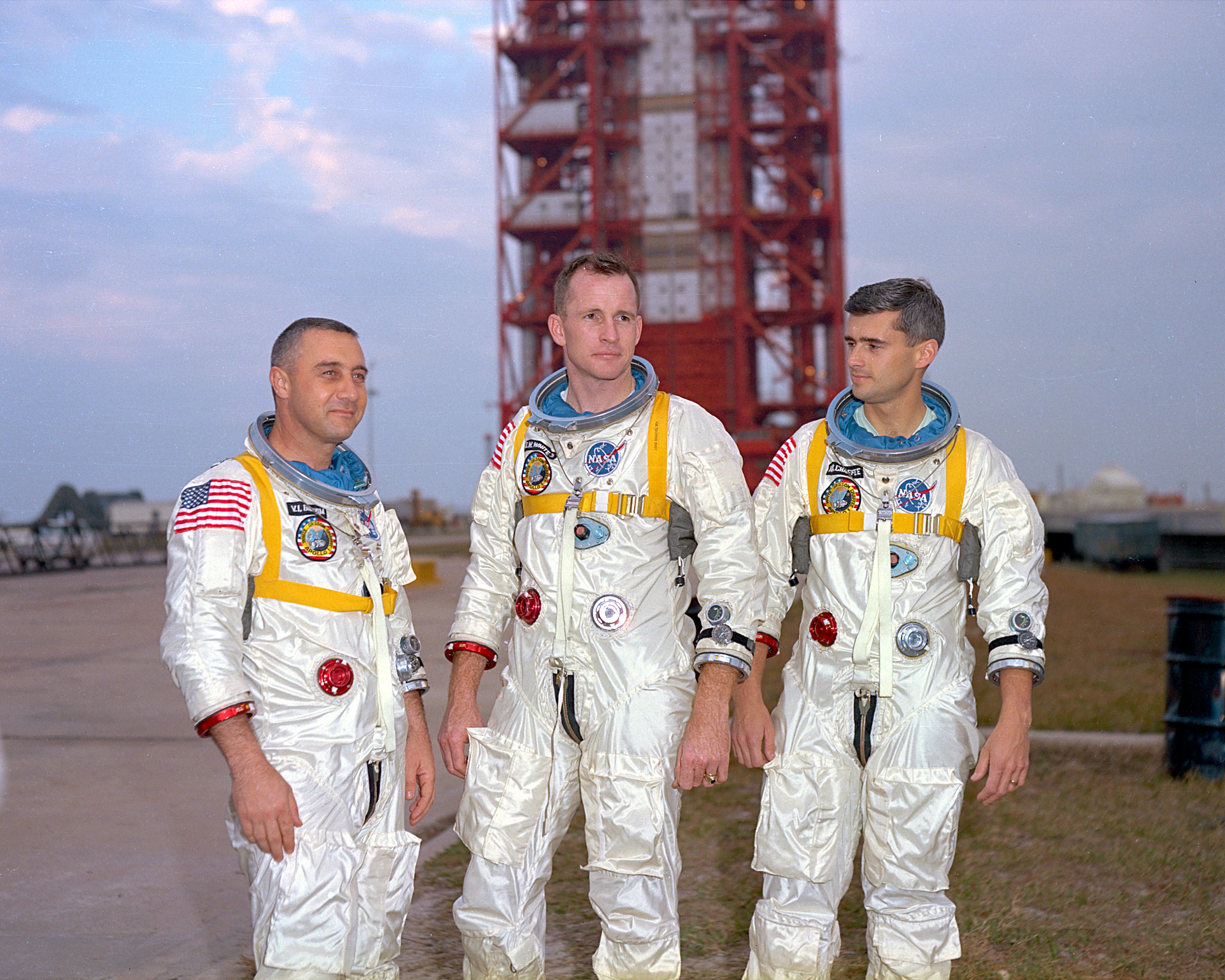
The Day We Lost Apollo 1

The Day We Lost Apollo 1

Fifty-eight years ago, a tragic fire during a routine test transformed spacecraft design and created the foundation of modern spaceflight safety culture

Space Brief 16 Jan 2025

Space Brief 16 Jan 2025

Explore today's pivotal news in space with highlights on record government space budgets, military satellite developments, and significant industry shifts.

Apogee and Perigee

Apogee and Perigee

Understanding the high and low points of every orbit - from the International Space Station's careful dance with Earth's atmosphere to the extreme ellipses that take satellites to the edge of space and back.

X Report 17 Sep 2025

X Report 17 Sep 2025

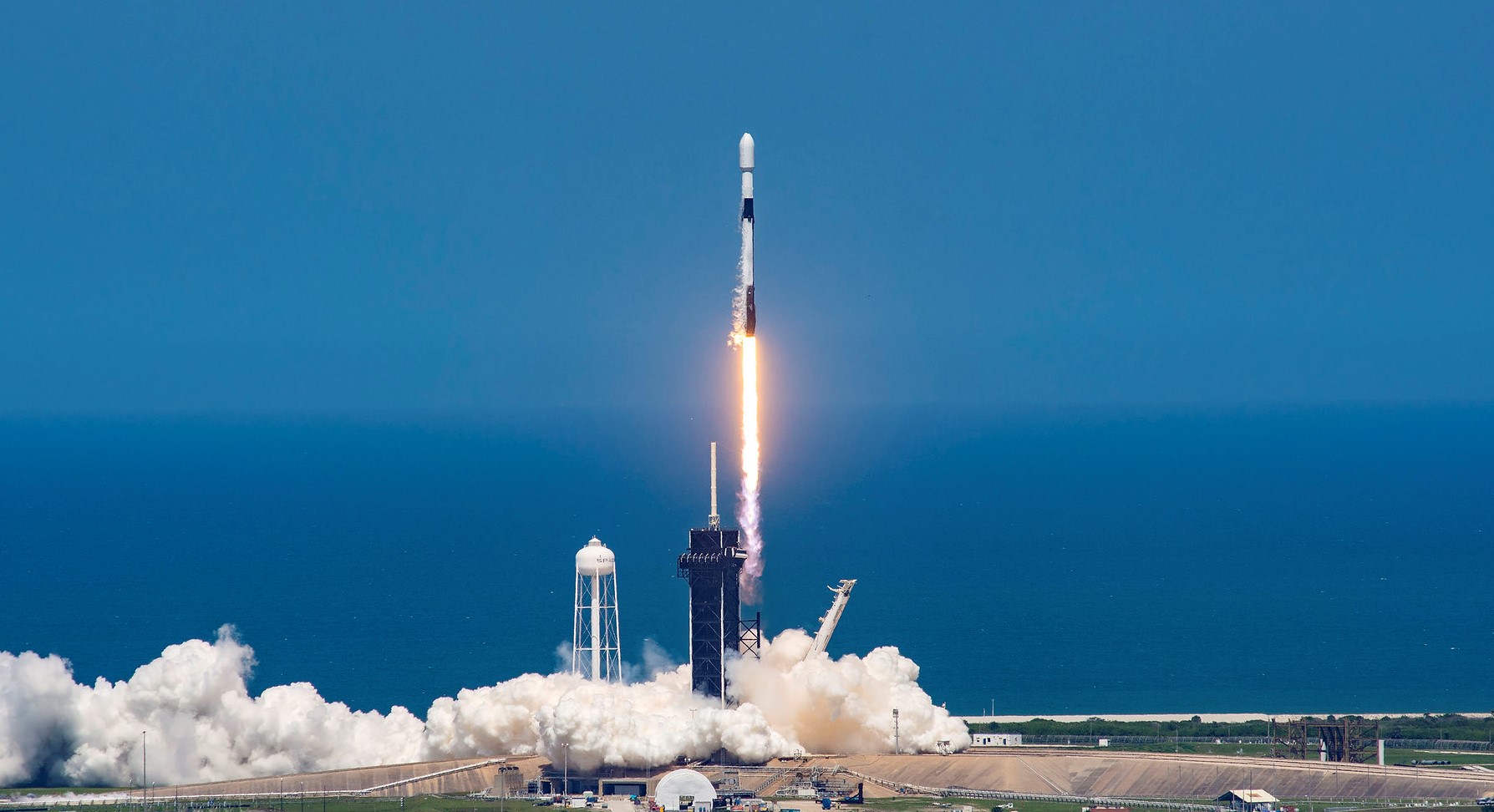
Today’s highlights include successful Falcon 9 launch for MECANO ID, ongoing Starship Block 3 development, and plans for direct-to-device testing next year.

The 300,000 Swerves Keeping Low Earth Orbit From Crashing

The 300,000 Swerves Keeping Low Earth Orbit From Crashing

Starlink satellites fired their thrusters to dodge a collision roughly 300,000 times in 2025, about 822 times a day. Behind that number is a fragile, half-automated system of warnings, probabilities, and judgment calls that decides which close approaches are worth a maneuver and which are just noise.

SpaceX Eyes $60B Cursor AI Acquisition Ahead of IPO | KeepTrack X Report

SpaceX Eyes $60B Cursor AI Acquisition Ahead of IPO | KeepTrack X Report

SpaceX secured a $60B option to acquire Cursor AI while launching its 40th Falcon 9 mission of 2026, deploying 24 more Starlink satellites from Vandenberg.

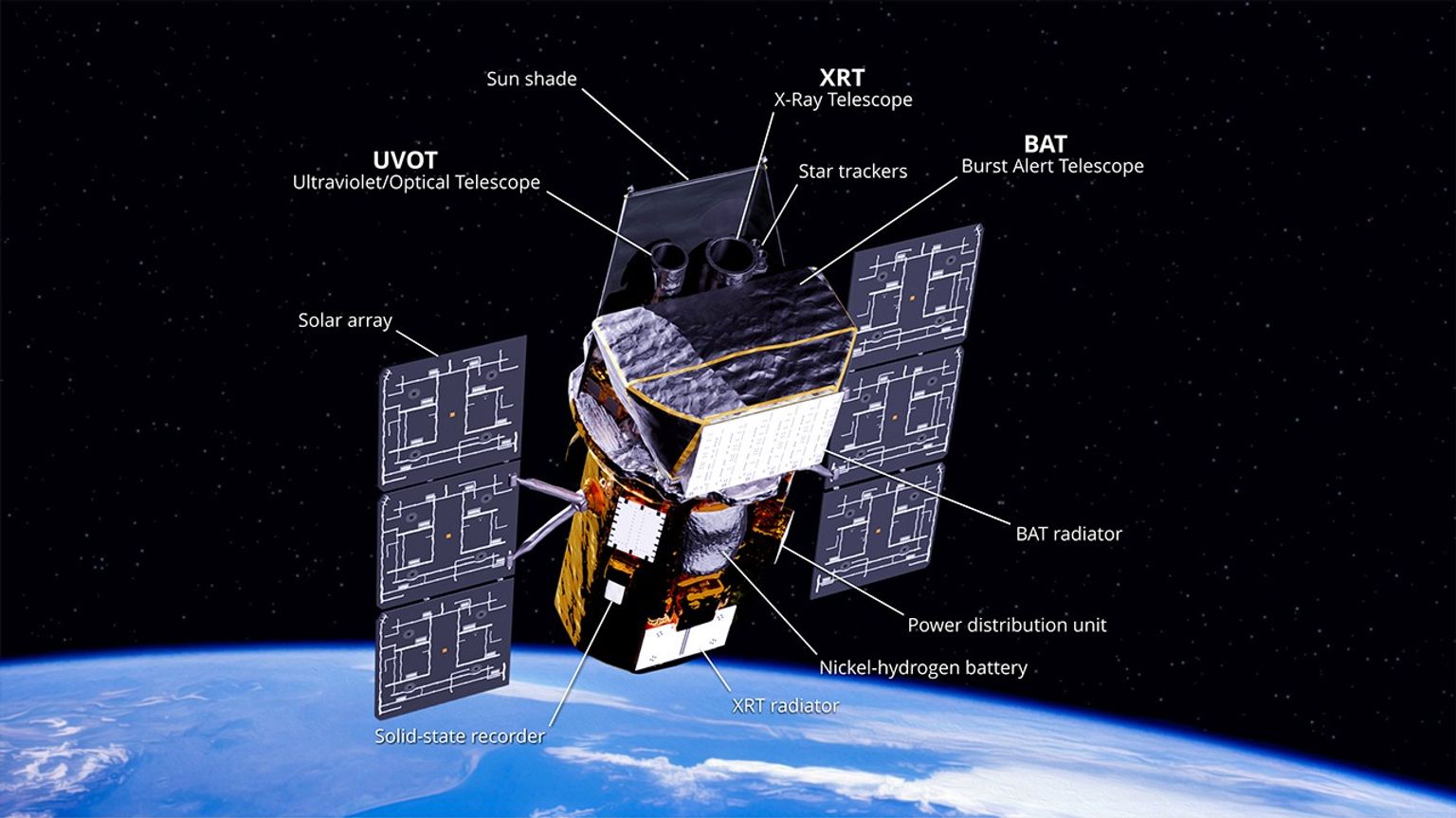
Neil Gehrels Swift Observatory

Neil Gehrels Swift Observatory

Designed for a two-year mission to catch gamma-ray bursts in the act, Swift is now 21 years old, slowly falling out of the sky, and the subject of an unprecedented private rescue mission. Nobody planned for it to be this hard to let go.