



Space Brief 29 Mar 2025
Key military and technology developments in space; US Space Force and Army strategize national security with new rocket certifications and space training initiatives.


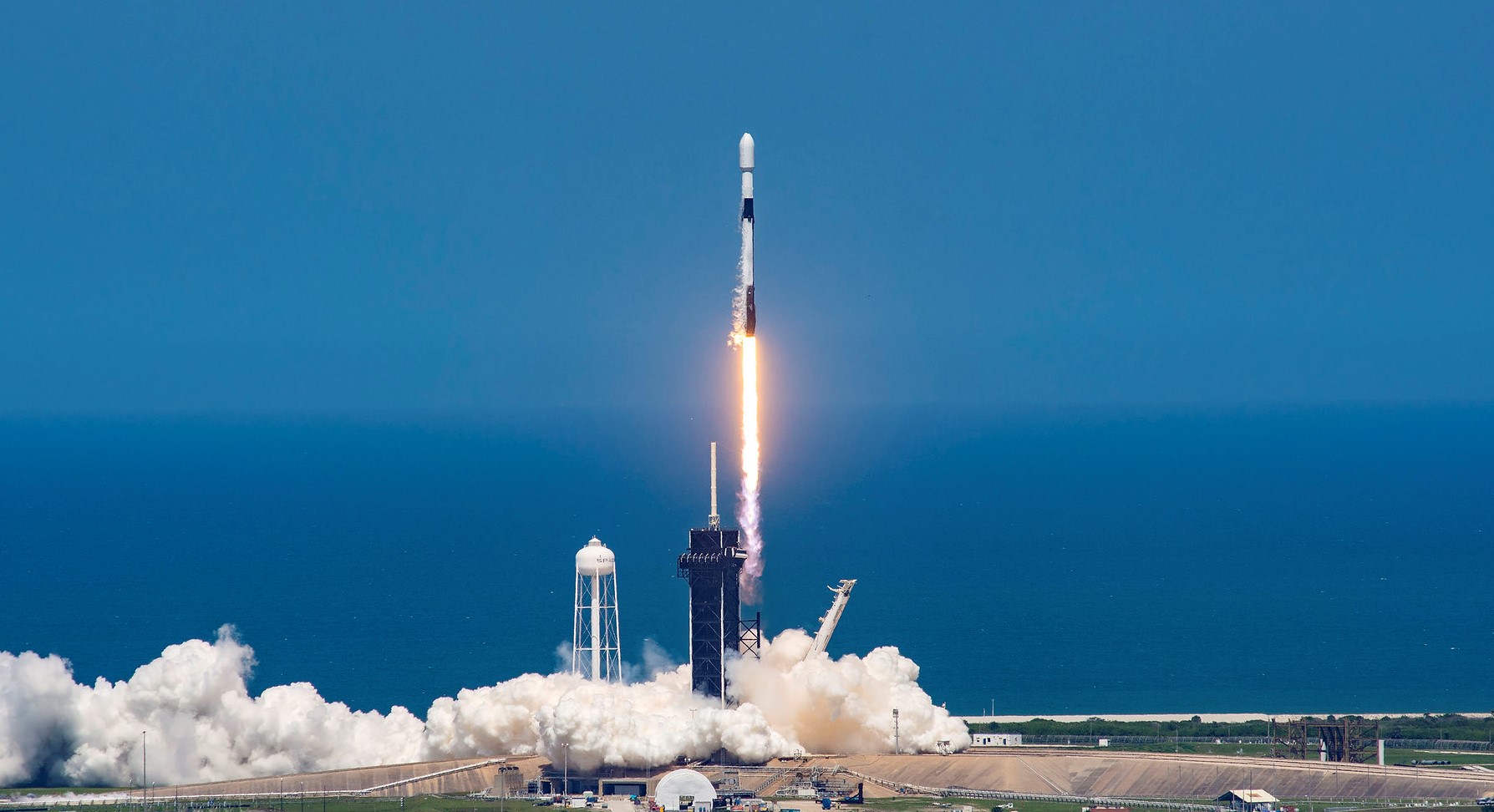
NORAD ID
63215
International Designator
2025-052F
Epoch
Sun, 19 Jul 2026 16:19:03 GMT
Apogee
Calculating...
Perigee
Calculating...
Inclination
97.39°
Right Ascension
97.07°
Eccentricity
Calculating...
Argument of Perigee
47.02°
Period
93.78 min
Mean Motion
15.35 rev/day
Latitude
Calculating...
Longitude
Calculating...
Altitude
Calculating...
Velocity
Calculating...
Name
OBJECT F
Alternative Name
N/A
Type
Status
Owner
TAU/ISA
Country
Unknown
Constellation
N/A
Related Satellites
Major Events
N/A
1 63215U 25052F 26200.67989980 .00009969 00000+0 29179-3 0 9990
2 63215 97.3856 97.0665 0003266 47.0245 313.1272 15.35437175 75090
Source: Celestrak
Apologies, there is no summary for this satellite yet. I am working to generate these for every object in the catalog, but it is going to take time.
Length
0.1
Diameter
0.1
Span
0.1
Dry Mass
1
Launch Mass
1
Shape
Box
Radar Cross Section
Unknown
Visual Magnitude
Unknown
Color
Unknown
Material Composition
Unknown
Payload
Tevel 2-8
Purpose
Unknown
Mission
Unknown
Manufacturer
ISA/TAU
Life Expectancy
Unknown
Bus
Cubesat 1U
Configuration
Unknown
Motor
Unknown
Equipment
Unknown
Power System
Unknown
ADCS
Unknown
Transmitter Frequency
Unknown
Learn more about satellites and other related topics.
Key military and technology developments in space; US Space Force and Army strategize national security with new rocket certifications and space training initiatives.
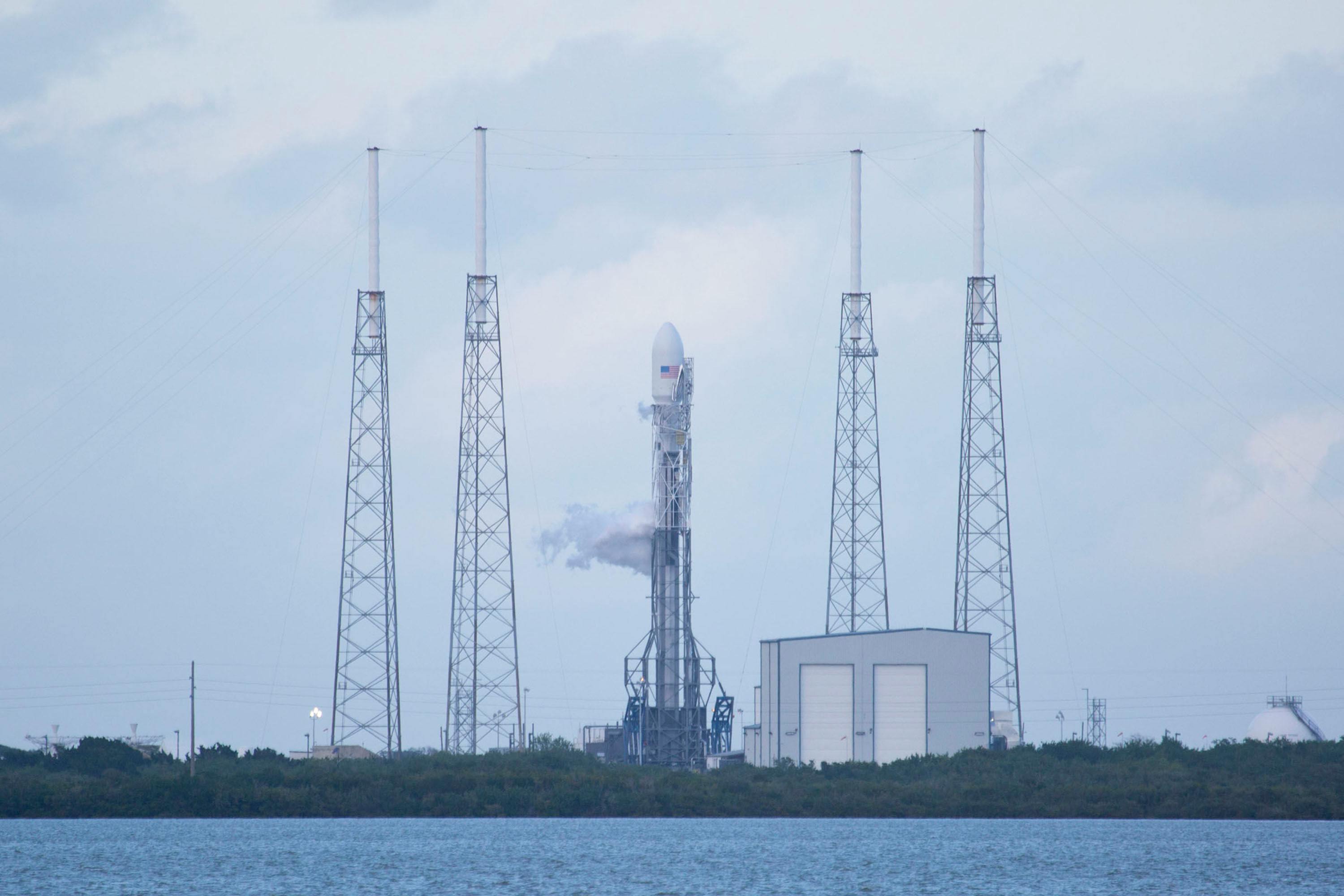
How many Starlink satellites are in orbit in 2026? 10,087 working of 10,097 on orbit, 11,612 launched to date, per KeepTrack data.
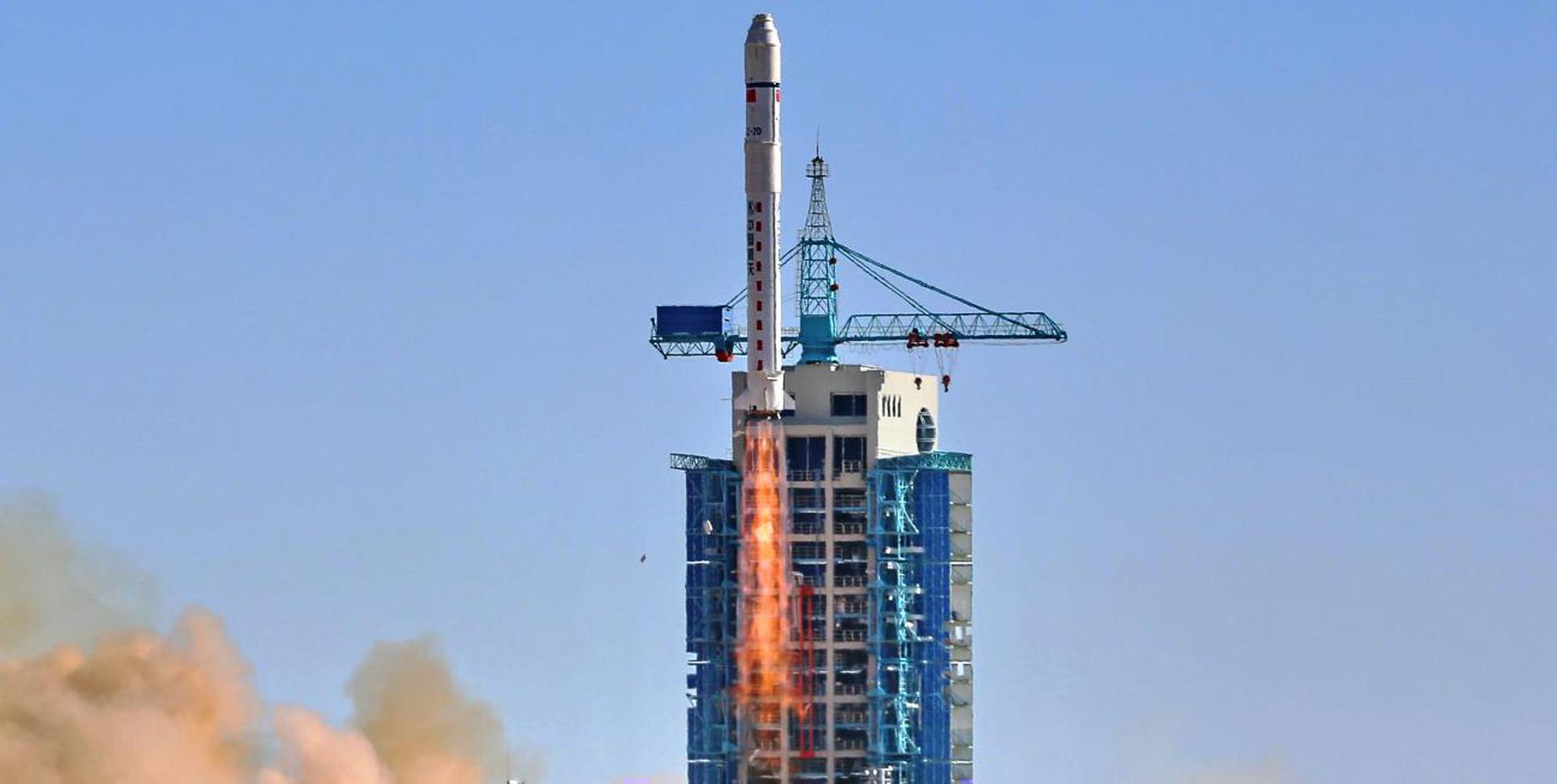
White House directs NASA and Pentagon to field space nuclear power systems by 2028, with DoD demonstration required by 2031. Game-changer for military satellite power budgets.
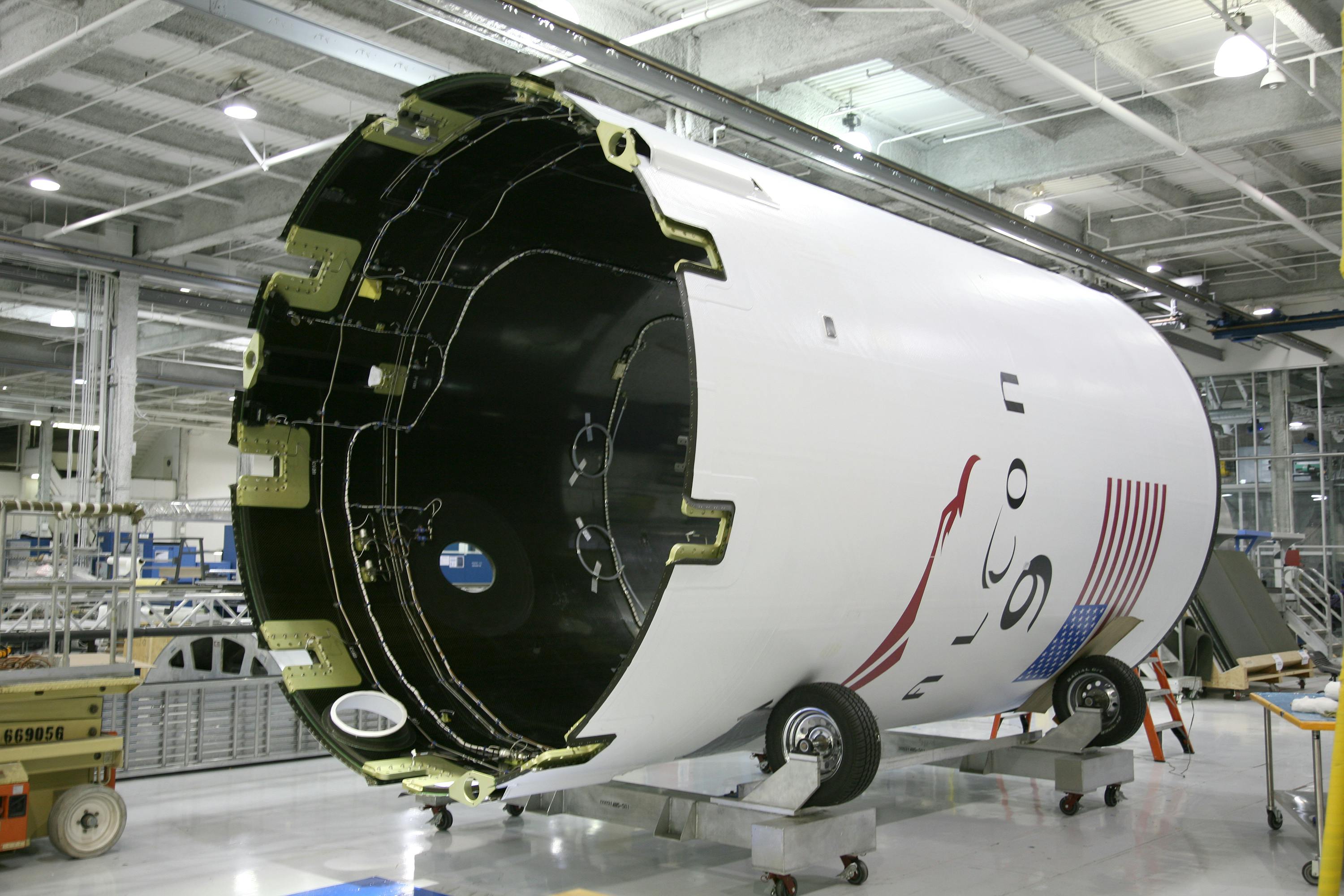
SpaceX successfully launched 28 Starlink satellites from Florida, marking a significant milestone in their deployment strategy. This follows the recent launch of 26 satellites from California, highlighting ongoing expansion efforts.
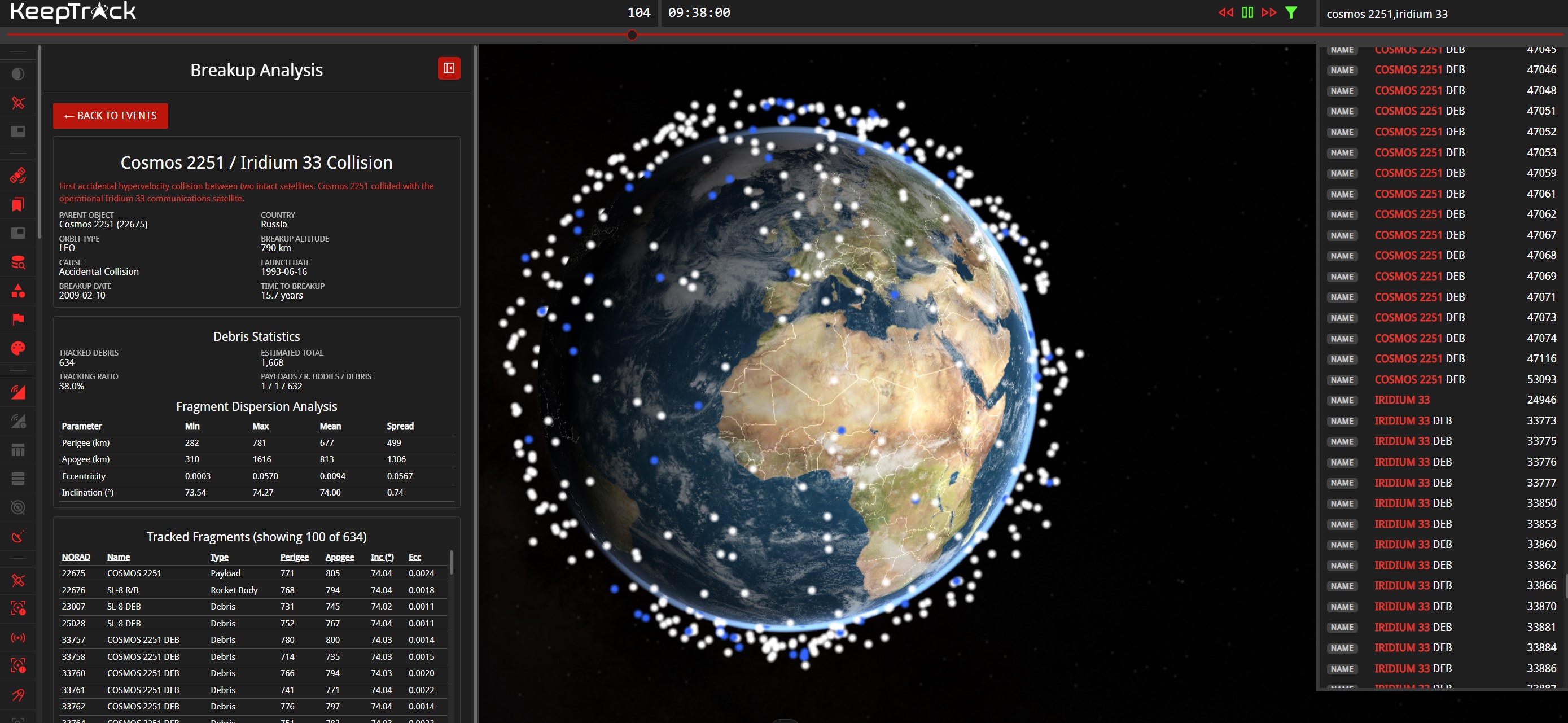
On February 10, 2009, an active Iridium communications satellite and a derelict Soviet military spacecraft slammed into each other 789 kilometers above Siberia. The collision produced more than 2,300 pieces of trackable debris that are still up there. Seventeen years later, the Iridium-Cosmos collision remains the event that made space debris a policy problem the world could no longer ignore.
China's iSpace secures record $729M for reusable rocket development. SpaceX launches Crew-12 and lands booster at new LZ-40 pad. Startup bets on space-based missile defense.
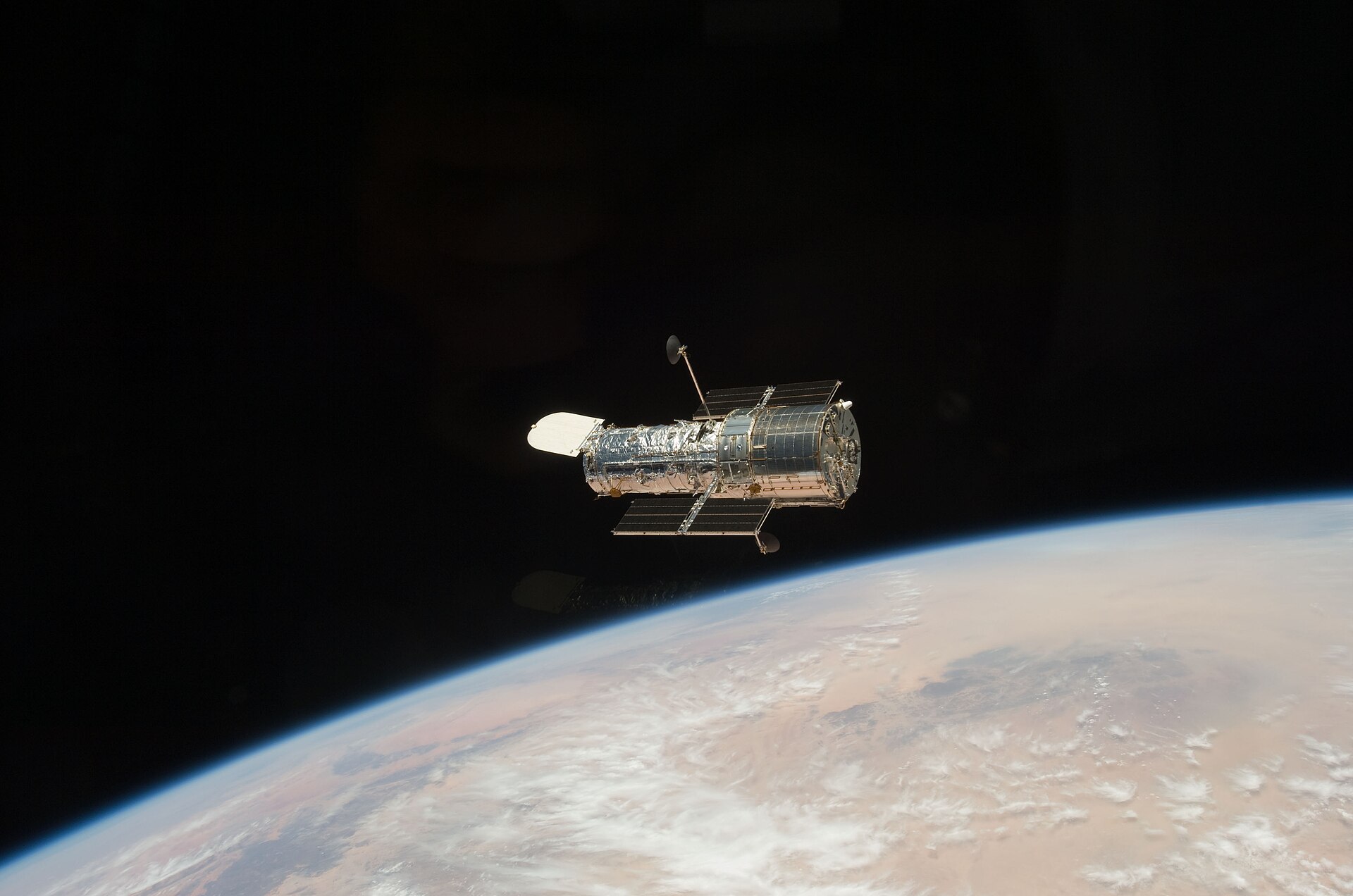
On April 25, 1990, the Space Shuttle Discovery's robotic arm lifted a 11,110-kilogram barrel of mirrors and instruments out of the payload bay and released it into orbit. Six weeks later, the first images came back badly out of focus. The Hubble Space Telescope had been ground to the wrong prescription, and America had just spent $2.5 billion on what the press was calling a 'technoturkey.'

On May 4, 1989, Space Shuttle Atlantis lifted off from LC-39B carrying Magellan, NASA's first interplanetary mission since 1978. The eleven-year drought ended in a payload bay, and the radar that emerged would map ninety-eight percent of Venus through clouds that no camera could ever see through.