STARLINK-11555 (62915)

COSPAR: 2025-027J | Alt Name: Starlink 11555

Image
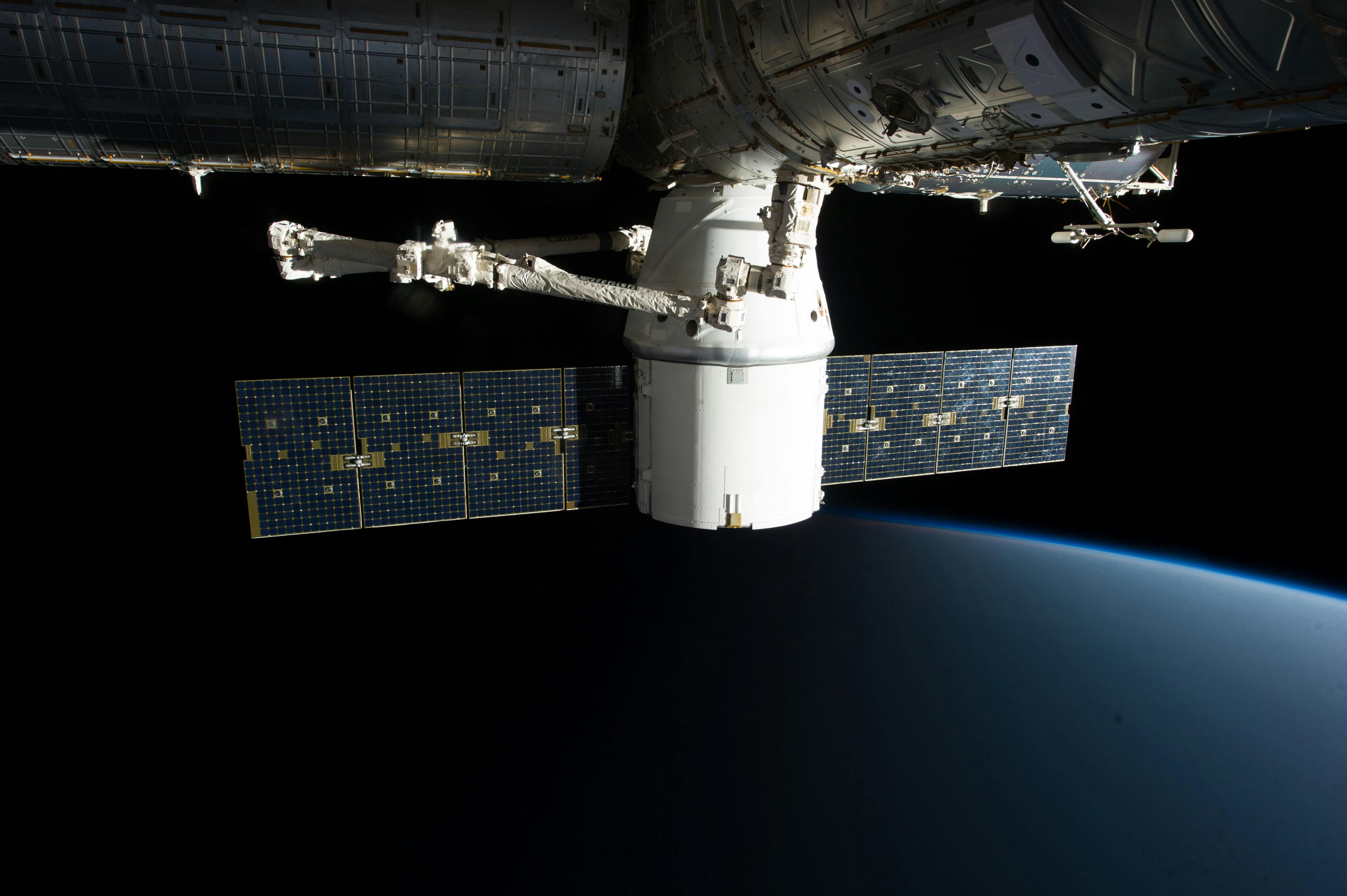
STARLINK-11555 Satellite Image
Additional Sources
Launch Details

Launch Date

February 8, 2025

Launch Pad

LC40

Launch Vehicle

Falcon 9

Orbital Elements

NORAD ID

62915

International Designator

2025-027J

Epoch

Sat, 18 Jul 2026 13:45:03 GMT

Apogee

Calculating...

Perigee

Calculating...

Inclination

43.00°

Right Ascension

279.01°

Eccentricity

Calculating...

Argument of Perigee

258.99°

Period

91.67 min

Mean Motion

15.71 rev/day

Latitude

Calculating...

Longitude

Calculating...

Altitude

Calculating...

Velocity

Calculating...

Polar Plot
3D Visualization
Basic Satellite Info

Name

STARLINK-11555

Alternative Name

Starlink 11555

Type

Payload

Status

Operational

Owner

SPXS

Country

United States

Constellation

N/A

Related Satellites

Major Events

N/A

Latest TLEs
1 62915U 25027J   26199.57295971  .00117311  00000+0  90265-3 0  9999
2 62915  42.9978 279.0121 0002167 258.9946 101.0678 15.70897573 83775

Source: Celestrak

Summary
The satellite, designated by NORAD as 62915 and known alternately as "Starlink 11555," is a Starlink V2M model manufactured by SpaceX (SPXS). It was launched on February 8, 2025, and became stable later the same day. The satellite has dimensions of approximately 0.3 meters in length, 4.1 meters in diameter, and spans about 29 meters when deployed. With a dry mass of 700 kilograms and a launch mass of 730 kilograms, it is part of the Starlink Group 12-9-09 payload. The shape of the satellite is described as "Box + pan," indicating its design features both box-like structures and panels likely for solar power or communication arrays. It is owned by SpaceX and operated under U.S. jurisdiction.

Starlink is a satellite constellation developed by SpaceX with the aim of providing global broadband internet coverage. Thousands of small satellites are deployed in low Earth orbit (LEO), enabling high-speed internet access even in remote areas. However, the rapid increase in satellites raises concerns about space debris and the potential for collisions, which can lead to further debris creation and endanger other spacecraft. Additionally, the sheer number of Starlink satellites can affect astronomical observations by increasing light pollution. Proper deorbiting plans and international coordination are essential to mitigate these challenges and ensure long-term sustainability in space.
Physical Characteristics

Length

0.3

Diameter

4.1

Span

29

Dry Mass

700

Launch Mass

730

Shape

Box + pan

Radar Cross Section

Unknown

Visual Magnitude

Unknown

Color

Unknown

Material Composition

Unknown

Technical Details

Payload

Starlink Group 12-9-09

Purpose

Unknown

Mission

Unknown

Manufacturer

SPXS

Life Expectancy

Unknown

Bus

Starlink V2M

Configuration

Unknown

Motor

Unknown

Equipment

Unknown

Power System

Unknown

ADCS

Unknown

Transmitter Frequency

Unknown

Map
This tool will help you track the satellite's position and predict its upcoming passes over your location. Simply input the coordinates or click the geolocation button to get started.
Next Pass
Azimuth Elevation Time (Local)
Start Azimuth
Max Elevation
Stop Azimuth
Time Until
Pass Duration

Satellite Articles

View All Posts »

Learn more about satellites and other related topics.

Space Brief 6 Aug 2025

Space Brief 6 Aug 2025

Highlights of today's Space Brief include advancements in missile defense systems, a historic lunar project by NASA, and strategic military investments in satellite technology.

X Report 22 Jan 2025

X Report 22 Jan 2025

SpaceX marks a successful launch of 21 Starlink satellites, follows up after Starship explosion, and influences Qantas flights amid a busy operational schedule.

Four Raptors Fail, Starship 13 Scrubbed at T-0, X Report 18 Jul 2026

Four Raptors Fail, Starship 13 Scrubbed at T-0, X Report 18 Jul 2026

Four Raptor engines failed to ignite at T-0, scrubbing Starship Flight 13 on July 16; SpaceX now targets July 20 for next attempt.

STS-30 | When Atlantis Sent a Radar to Venus

STS-30 | When Atlantis Sent a Radar to Venus

On May 4, 1989, Space Shuttle Atlantis lifted off from LC-39B carrying Magellan, NASA's first interplanetary mission since 1978. The eleven-year drought ended in a payload bay, and the radar that emerged would map ninety-eight percent of Venus through clouds that no camera could ever see through.

X Report 30 Oct 2025

X Report 30 Oct 2025

SpaceX continues to ramp up its operations with the launch of 29 more Starlink satellites, while significant upgrades at its Starbase facility signify ambitious future plans.

Space Brief 4 Aug 2025

Space Brief 4 Aug 2025

Key developments in space today include significant satellite launches, advancements in space technology, and an exciting crewed suborbital flight. Highlights cover China's satellite internet progress, a promising innovation for solar cells, and recent SpaceX and Blue Origin activities.

SpaceX Targets 600th Falcon Booster Landing, X Report 19 Apr 2026

SpaceX Targets 600th Falcon Booster Landing, X Report 19 Apr 2026

SpaceX targets its 600th Falcon 9 booster landing on Starlink 17-22, lofting 25 satellites from Vandenberg. Plus a 2028 SpaceX ride for ESA's Mars rover.

X Report 9 Aug 2025

X Report 9 Aug 2025

SpaceX's Crew-10 astronauts are set to return to Earth after a five-month mission, while the company prepares for the launch of 24 new Starlink satellites from Vandenberg Space Force Base.