STARLINK-11391 [DTC] (62889)

COSPAR: 2025-024L | Alt Name: Starlink 11391

Image
STARLINK-11391 [DTC] Satellite Image
Additional Sources
Launch Details

Launch Date

February 4, 2025

Launch Pad

LC40

Launch Vehicle

Falcon 9

Orbital Elements

NORAD ID

62889

International Designator

2025-024L

Epoch

Sun, 19 Jul 2026 18:51:29 GMT

Apogee

Calculating...

Perigee

Calculating...

Inclination

43.00°

Right Ascension

105.05°

Eccentricity

Calculating...

Argument of Perigee

254.99°

Period

91.67 min

Mean Motion

15.71 rev/day

Latitude

Calculating...

Longitude

Calculating...

Altitude

Calculating...

Velocity

Calculating...

Polar Plot
3D Visualization
Basic Satellite Info

Name

STARLINK-11391 [DTC]

Alternative Name

Starlink 11391

Type

Payload

Status

Operational

Owner

SPXS

Country

United States

Constellation

N/A

Related Satellites

Major Events

N/A

Latest TLEs
1 62889U 25024L   26200.78576380  .00125947  00000+0  96916-3 0  9991
2 62889  43.0030 105.0515 0002145 254.9888 105.0743 15.70865324 84247

Source: Celestrak

Summary
The Starlink-11391 [DTC], also known as Starlink 11391, is a satellite belonging to the Starlink Group 12-3-11 and was launched on February 4, 2025, from AFETR (likely At Vandenberg Space Force Station) by SpaceX (SPXS). It has dimensions of 0.3 meters in length with a diameter of 4.1 meters and a span of 29 meters, indicating it likely deploys solar panels or antennas upon reaching orbit. The satellite has a launch mass of 730 kg and a dry mass of 700 kg. Its shape is described as "Box + pan," suggesting it includes a main body with an additional component like solar arrays. It operates in the constellation owned by SpaceX (SPXS), though specific details about its mission or operational purpose are not provided.

Starlink is a satellite constellation developed by SpaceX with the aim of providing global broadband internet coverage. Thousands of small satellites are deployed in low Earth orbit (LEO), enabling high-speed internet access even in remote areas. However, the rapid increase in satellites raises concerns about space debris and the potential for collisions, which can lead to further debris creation and endanger other spacecraft. Additionally, the sheer number of Starlink satellites can affect astronomical observations by increasing light pollution. Proper deorbiting plans and international coordination are essential to mitigate these challenges and ensure long-term sustainability in space.
Physical Characteristics

Length

0.3

Diameter

4.1

Span

29

Dry Mass

700

Launch Mass

730

Shape

Box + pan

Radar Cross Section

Unknown

Visual Magnitude

Unknown

Color

Unknown

Material Composition

Unknown

Technical Details

Payload

Starlink Group 12-3-11

Purpose

Unknown

Mission

Unknown

Manufacturer

SPXS

Life Expectancy

Unknown

Bus

Starlink V2M

Configuration

Unknown

Motor

Unknown

Equipment

Unknown

Power System

Unknown

ADCS

Unknown

Transmitter Frequency

Unknown

Map
This tool will help you track the satellite's position and predict its upcoming passes over your location. Simply input the coordinates or click the geolocation button to get started.
Next Pass
Azimuth Elevation Time (Local)
Start Azimuth
Max Elevation
Stop Azimuth
Time Until
Pass Duration

Satellite Articles

View All Posts »

Learn more about satellites and other related topics.

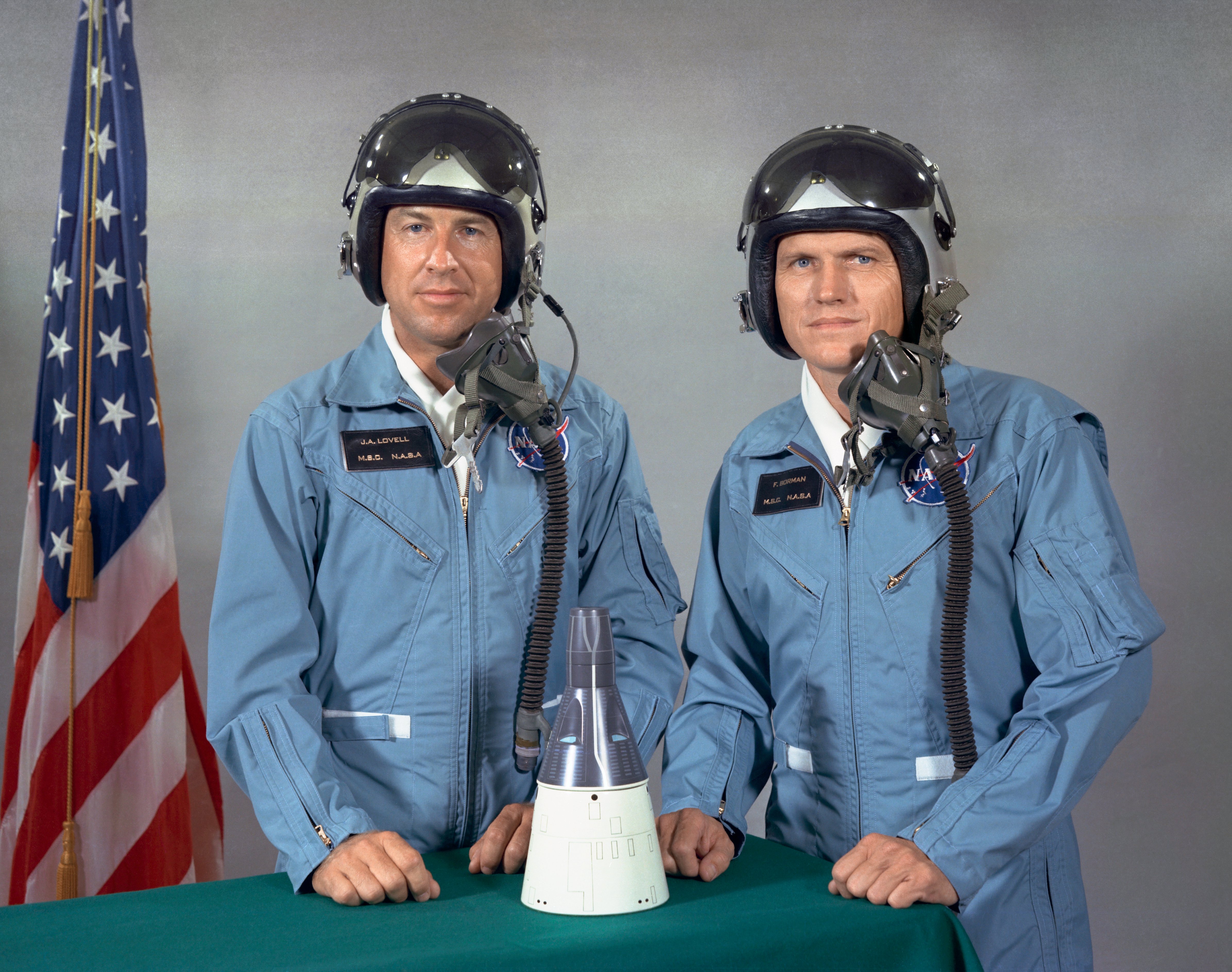
The Day Two Astronauts Proved We Could Reach the Moon

The Day Two Astronauts Proved We Could Reach the Moon

Sixty years ago, Frank Borman and James Lovell launched aboard Gemini 7 for a grueling 14-day mission that would prove humans could endure the journey to the moon and achieve the first true rendezvous in space
X Report 14 Jul 2025

X Report 14 Jul 2025

SpaceX successfully launched the Dror 1 satellite for Israel Aerospace Industries, marking another step forward in their launch capabilities.

X Report 15 Feb 2025

X Report 15 Feb 2025

SpaceX sets a reuse record with Falcon 9, advances Starship program, while Starlink influences satellite market dynamics.

Space Force Eyes 1,000 Launches by 2031, New Site Required | KeepTrack Space Brief

Space Force Eyes 1,000 Launches by 2031, New Site Required | KeepTrack Space Brief

Space Force projects ~1,000 launches between FY2027–FY2031, averaging 200 annually. DAF study concludes new launch site is "probably" required to absorb cadence.

The Kessler Syndrome

The Kessler Syndrome

The Kessler Syndrome threatens humanity's future in space as cascading satellite collisions create exponential debris growth. With 36,000+ tracked objects and recent incidents accelerating risks, we face a critical juncture: implement solutions now or potentially lose access to low Earth orbit forever.

X Report 3 Mar 2025

X Report 3 Mar 2025

SpaceX gears up for Starship Flight 8, with a launch set for Monday as final preparations are underway.

X Report 12 Apr 2025

X Report 12 Apr 2025

Key developments include the launch of Starshield satellites for the NRO and updates on Starlink launches and NASA access concerns involving Elon Musk's team.

User-Inspired Update

User-Inspired Update

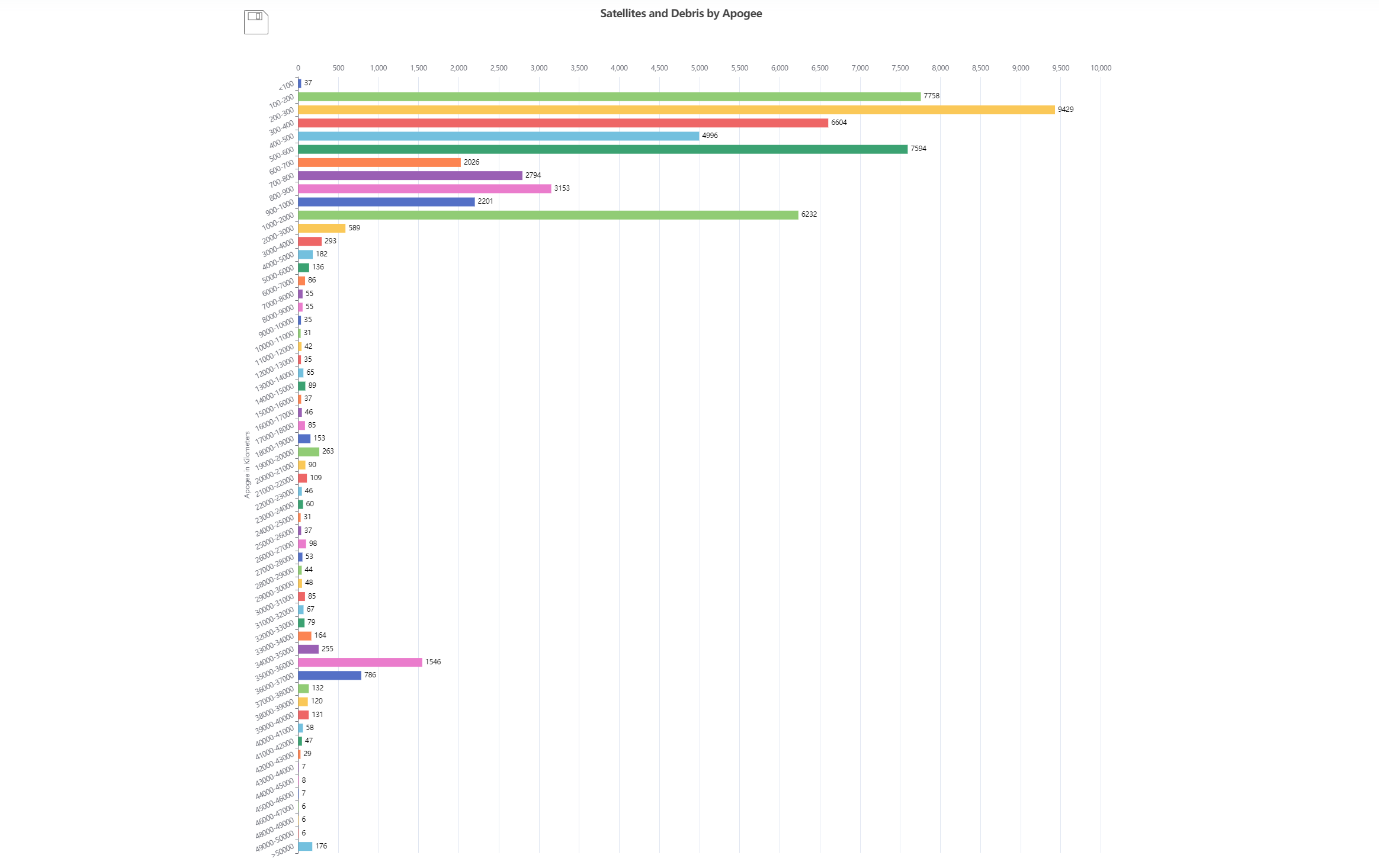
A user suggestion led to the addition of new visualizations for satellites, debris, and unidentified objects across different orbits in KeepTrack.