InnoCube (62621)

COSPAR: 2025-009N | Alt Name: InnoCube

Image
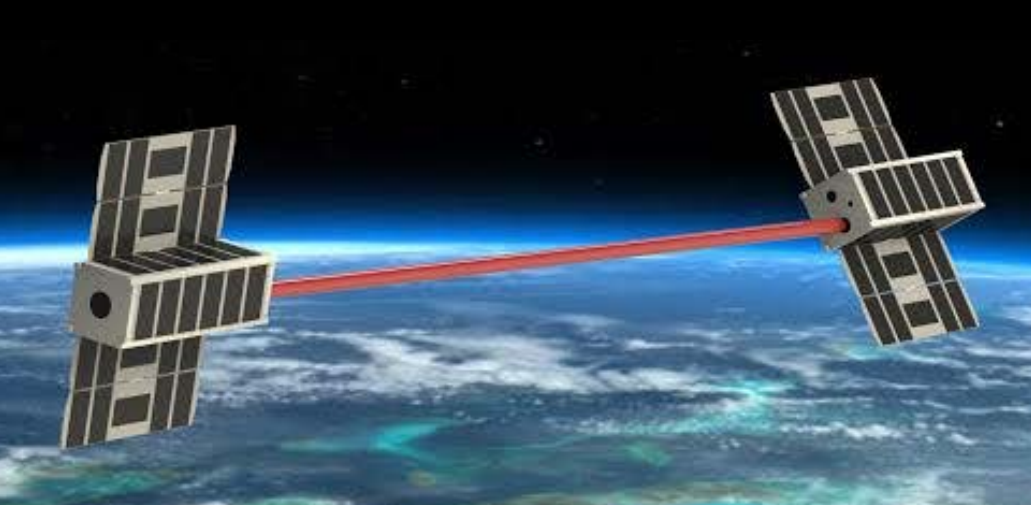
InnoCube Satellite Image
Additional Sources
Launch Details

Launch Date

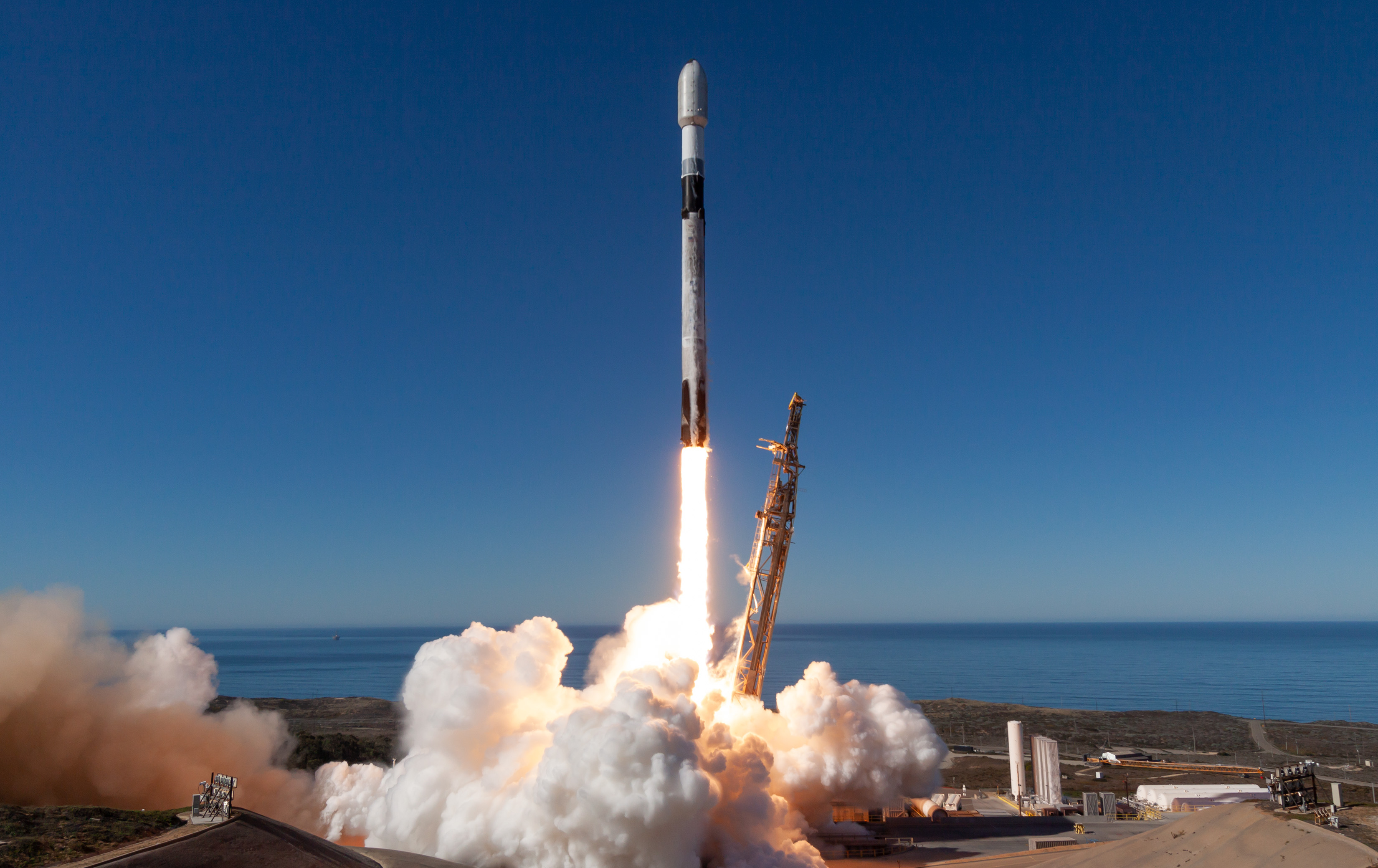
January 14, 2025

Launch Site

AFWTR

Launch Pad

SLC4E

Launch Vehicle

Falcon 9

Orbital Elements

NORAD ID

62621

International Designator

2025-009N

Epoch

Sun, 19 Jul 2026 17:58:34 GMT

Apogee

Calculating...

Perigee

Calculating...

Inclination

97.39°

Right Ascension

284.71°

Eccentricity

Calculating...

Argument of Perigee

186.17°

Period

92.94 min

Mean Motion

15.49 rev/day

Latitude

Calculating...

Longitude

Calculating...

Altitude

Calculating...

Velocity

Calculating...

Polar Plot
3D Visualization
Basic Satellite Info

Name

InnoCube

Alternative Name

InnoCube

Type

Payload

Status

Operational

Owner

TUB

Country

Germany

Constellation

N/A

Related Satellites

Major Events

N/A

Latest TLEs
1 62621U 25009N   26200.74901156  .00052325  00000+0  95012-3 0  9992
2 62621  97.3936 284.7143 0006706 186.1653 173.9517 15.49384247 84039

Source: Celestrak

Summary
InnoCube is a 3U CubeSat satellite manufactured by TUB and owned by TUB as well. It was launched on January 14, 2025, from SLC4E using a Falcon 9 launch vehicle. The satellite has dimensions of 0.3 meters in length, 0.1 meters in diameter, and spans 0.3 meters with a dry mass of 4 kilograms. It carries the TUBSAT-31 payload and has a box-shaped design. InnoCube became stable shortly after its launch on January 14, 2025.
Physical Characteristics

Length

0.3

Diameter

0.1

Span

0.3

Dry Mass

4

Launch Mass

4

Shape

Box

Radar Cross Section

Unknown

Visual Magnitude

Unknown

Color

Unknown

Material Composition

Unknown

Technical Details

Payload

TUBSAT-31

Purpose

Unknown

Mission

Unknown

Manufacturer

TUB

Life Expectancy

Unknown

Bus

Cubesat 3U

Configuration

Unknown

Motor

Unknown

Equipment

Unknown

Power System

Unknown

ADCS

Unknown

Transmitter Frequency

Unknown

Map
This tool will help you track the satellite's position and predict its upcoming passes over your location. Simply input the coordinates or click the geolocation button to get started.
Next Pass
Azimuth Elevation Time (Local)
Start Azimuth
Max Elevation
Stop Azimuth
Time Until
Pass Duration

Satellite Articles

View All Posts »

Learn more about satellites and other related topics.

The Multi-Orbit Myth? Why One Startup Thinks the Satellite Industry Got It Wrong

The Multi-Orbit Myth? Why One Startup Thinks the Satellite Industry Got It Wrong

The satellite industry's biggest operators are betting on multi-orbit architectures that combine LEO, MEO, and GEO into unified networks. A San Francisco startup called Contrivian thinks they've overcomplicated the problem, and the physics might be on its side.

Space Brief 7 Nov 2025

Space Brief 7 Nov 2025

Today's brief highlights a landmark cooperation between NASA and China to prevent satellite collision, strategic steps in American space leadership through nuclear energy, a U.S. military missile test, and more.

Space Brief 11 Feb 2025

Space Brief 11 Feb 2025

Today's highlights include the debut of a new Chinese rocket, a successful Starlink launch, and concerns about Artemis 3. We also cover DoD developments and a notable SpaceX milestone.

Space Brief 14 Apr 2025

Space Brief 14 Apr 2025

Today's highlights include SpaceX's record-breaking Falcon launches, urgent warnings about orbital collisions, and a doubleheader launch featuring spy and Starlink satellites.

Space Brief 9 Feb 2025

Space Brief 9 Feb 2025

Today's highlights include Rocket Lab's successful 2025 kick-off launch, SpaceX's upcoming Starlink deployment, and a significant military satellite contract competition.

Space Brief 15 May 2025

Space Brief 15 May 2025

Today's brief highlights a nuclear battery startup's funding boost, advisory board additions in the space sector, and key military updates impacting space operations.

X Report 16 Nov 2024

X Report 16 Nov 2024

SpaceX preps for Starship Flight 6 while Shotwell predicts Starship's future impact. Impulse Space secures Falcon 9 launches, and potential shifts in US space policy loom.

STS-30 | When Atlantis Sent a Radar to Venus

STS-30 | When Atlantis Sent a Radar to Venus

On May 4, 1989, Space Shuttle Atlantis lifted off from LC-39B carrying Magellan, NASA's first interplanetary mission since 1978. The eleven-year drought ended in a payload bay, and the radar that emerged would map ninety-eight percent of Venus through clouds that no camera could ever see through.