


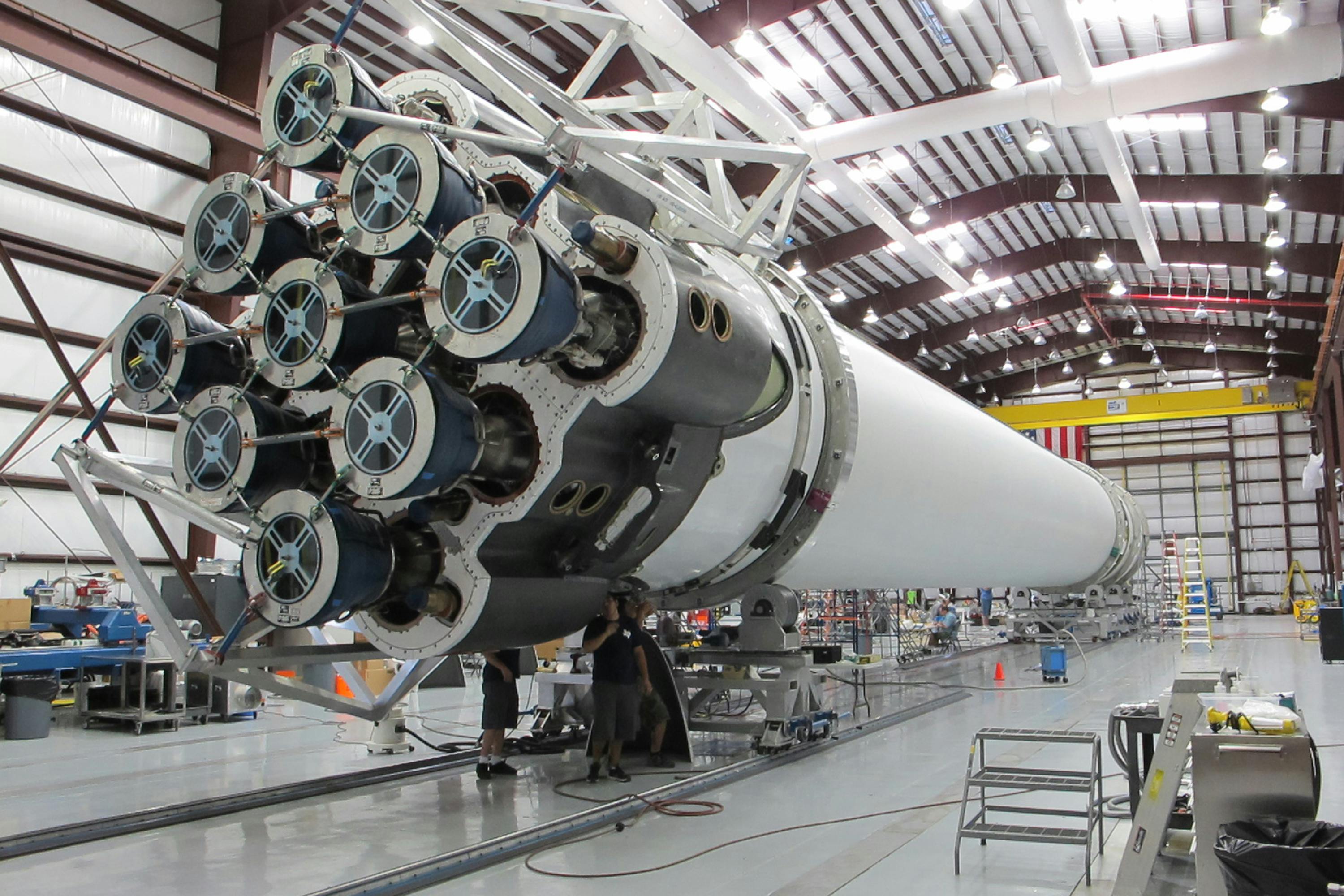
SpaceX Opens 2026 With 29 Starlink Satellites, X Report 5 Jan 2026
SpaceX Starlink updates for 2026 open with Starlink 6-88: 29 satellites from Cape Canaveral on Jan 4, after a record 165-launch 2025.


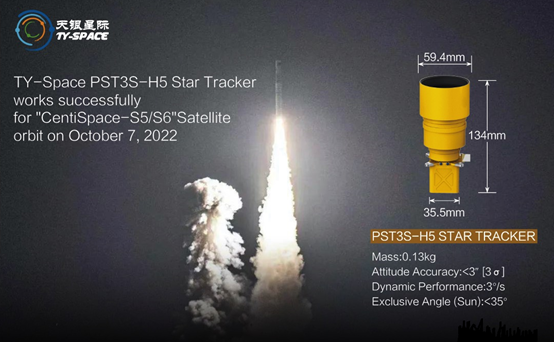
Launch Date
January 13, 2025
Launch Site
Yellow Sea Launch Area
Launch Pad
LP4
Launch Vehicle
Jielong-3
NORAD ID
62576
International Designator
2025-007B
Epoch
Sun, 19 Jul 2026 21:21:22 GMT
Apogee
Calculating...
Perigee
Calculating...
Inclination
54.97°
Right Ascension
177.62°
Eccentricity
Calculating...
Argument of Perigee
124.81°
Period
104.30 min
Mean Motion
13.81 rev/day
Latitude
Calculating...
Longitude
Calculating...
Altitude
Calculating...
Velocity
Calculating...
Name
CENTISPACE-1 S7
Alternative Name
Weili Kongjian 01-01
Type
Status
Owner
Centispace
Country
China
Constellation
Centispace-1
Related Satellites
Major Events
Launched on January 13, 2025, CENTISPACE-1 S7 successfully entered its designated orbit and commenced operations to enhance GNSS services.
1 62576U 25007B 26200.88984691 -.00000107 00000+0 31711-4 0 9998
2 62576 54.9745 177.6176 0013669 124.8083 235.4161 13.80615695 79235
Source: Celestrak
Length
1
Diameter
0.5
Span
2
Dry Mass
160
Launch Mass
160
Shape
Box with two solar panels
Radar Cross Section
0.3
Visual Magnitude
6.5
Color
Silver
Material Composition
Aluminum alloy structure
Payload
Navigation augmentation payload
Purpose
Technology ?
Mission
The CENTISPACE-1 S7 satellite is part of a low Earth orbit (LEO) constellation aimed at providing GNSS augmentation signals to enhance global navigation services.
Manufacturer
DFH Shenzhen
Life Expectancy
Designed for a mission duration of approximately 5 years.
Bus
WK01
Configuration
WN-100 bus
Motor
Unknown
Equipment
Laser communication link
Power System
Equipped with two deployable solar arrays and batteries to power its systems.
ADCS
Three-axis stabilization
Transmitter Frequency
2259.68 MHz
Learn more about satellites and other related topics.
SpaceX Starlink updates for 2026 open with Starlink 6-88: 29 satellites from Cape Canaveral on Jan 4, after a record 165-launch 2025.

Pentagon's $50B Iran supplemental request signals major investment in missile defense and ISR satellites. Amazon reshuffles LEO government leadership amid Kuiper competition.
Russia's Volna Kupol Garant electronic warfare system was purpose-built to jam Starlink. It costs around $1.5 million per unit, covers just 20 square kilometers, and can only target one satellite at a time. Ukraine has been finding and destroying them within days of deployment.
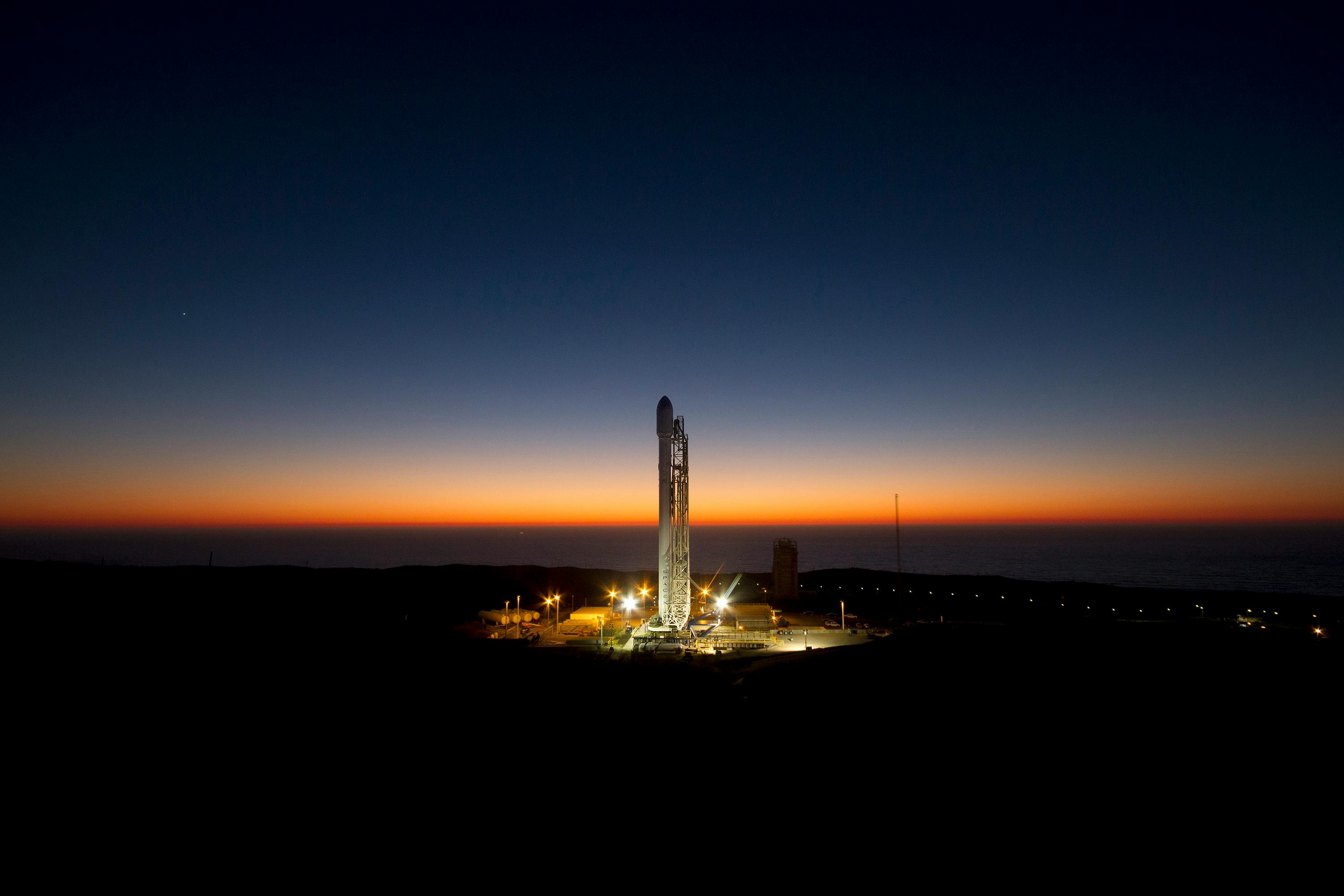
SpaceX sets a rocket re-use record, Starlink satellites continue to proliferate, and Botswana launches its first national satellite.
Booster B1067 hit 36 flights on July 9, while SpaceX files to expand Starlink to 100,000 satellites at 4,400 lbs each.

SpaceX launches 25 Starlink satellites from Vandenberg after multiple weather delays. 20th Falcon 9 mission of 2026 features second-ever booster landing near The Bahamas.
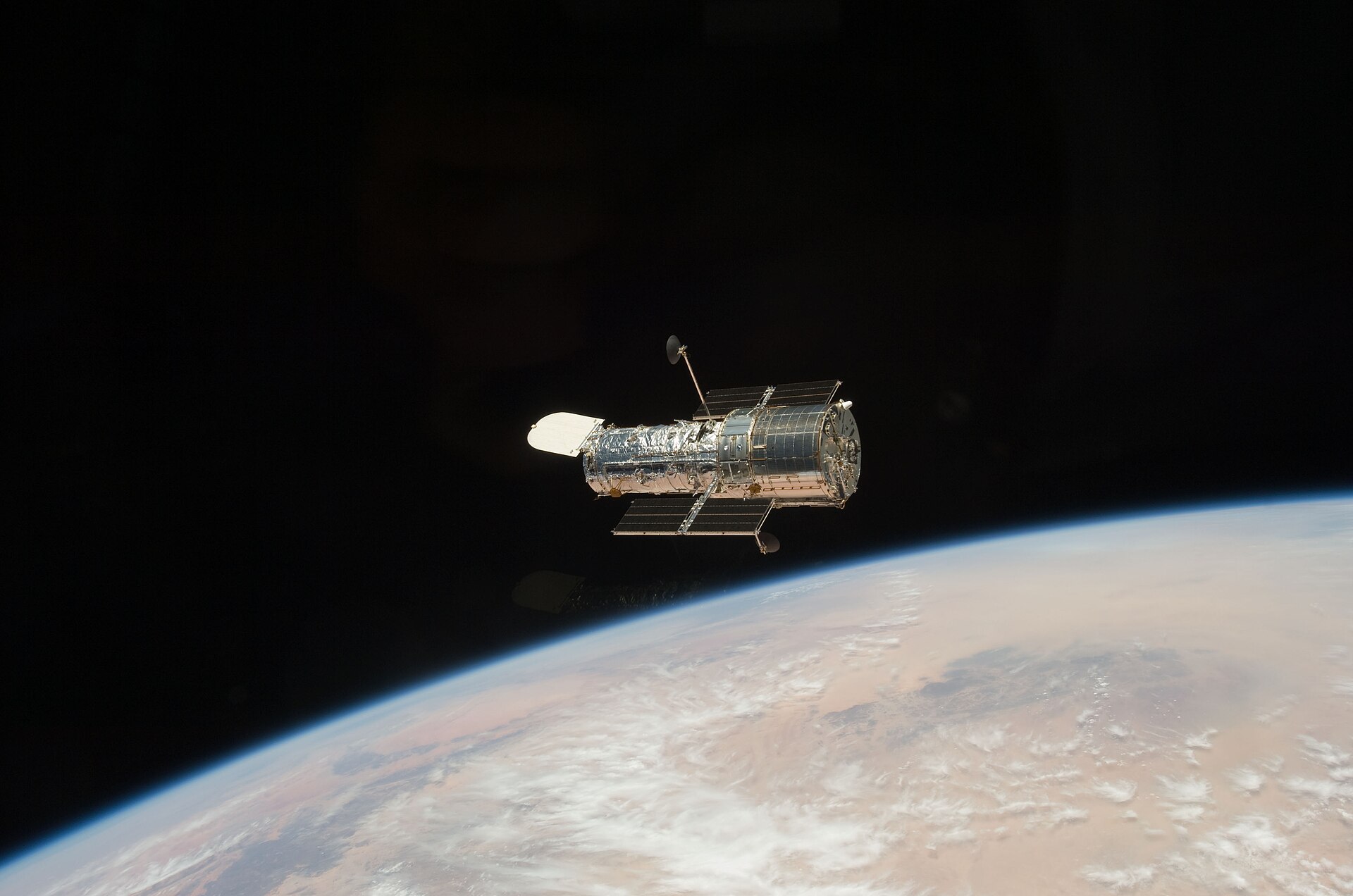
On April 25, 1990, the Space Shuttle Discovery's robotic arm lifted a 11,110-kilogram barrel of mirrors and instruments out of the payload bay and released it into orbit. Six weeks later, the first images came back badly out of focus. The Hubble Space Telescope had been ground to the wrong prescription, and America had just spent $2.5 billion on what the press was calling a 'technoturkey.'

Today's brief highlights key developments in space technology, military space activities, and satellite refueling initiatives. Discover the latest on GEO satellite refueling, Blue Origin's New Glenn, and more.