


X Report 27 Nov 2024
SpaceX secures FCC nod for Starlink's direct-to-phone connectivity, lands NASA's Dragonfly mission, and sees new competition with the ZhuQue-2E launch.


![STARLINK-11506 [DTC] Satellite Image](/images/sat/starlink.jpg)
Launch Date
December 31, 2024
Launch Site
Launch Pad
LC39A
Launch Vehicle
NORAD ID
62466
International Designator
2024-254E
Epoch
Mon, 20 Jul 2026 02:57:43 GMT
Apogee
Calculating...
Perigee
Calculating...
Inclination
43.00°
Right Ascension
144.35°
Eccentricity
Calculating...
Argument of Perigee
244.38°
Period
91.66 min
Mean Motion
15.71 rev/day
Latitude
Calculating...
Longitude
Calculating...
Altitude
Calculating...
Velocity
Calculating...
Name
STARLINK-11506 [DTC]
Alternative Name
Starlink 11506
Type
Status
Owner
SPXS
Country
United States
Constellation
N/A
Related Satellites
Major Events
N/A
1 62466U 24254E 26201.12342102 .00144028 00000+0 11016-2 0 9996
2 62466 43.0025 144.3549 0002034 244.3818 115.6839 15.70947453 90073
Source: Celestrak
Length
0.3
Diameter
4.1
Span
29
Dry Mass
700
Launch Mass
730
Shape
Box + pan
Radar Cross Section
Unknown
Visual Magnitude
Unknown
Color
Unknown
Material Composition
Unknown
Payload
Starlink Group 12-6-05
Purpose
Unknown
Mission
Unknown
Manufacturer
SPXS
Life Expectancy
Unknown
Bus
Starlink V2M
Configuration
Unknown
Motor
Unknown
Equipment
Unknown
Power System
Unknown
ADCS
Unknown
Transmitter Frequency
Unknown
Learn more about satellites and other related topics.
SpaceX secures FCC nod for Starlink's direct-to-phone connectivity, lands NASA's Dragonfly mission, and sees new competition with the ZhuQue-2E launch.

ULA's Vulcan rocket preps for USSF-87 national security launch to open 2026. Sierra Space delivers SDA Tranche 2 satellites three months early. NASA delays spacewalk for Crew-11 medical issue.

Super heavy-lift rockets are the most powerful launch vehicles ever built. They can send humans and cargo to the Moon, Mars, and beyond. But what are they, and why are they so important?
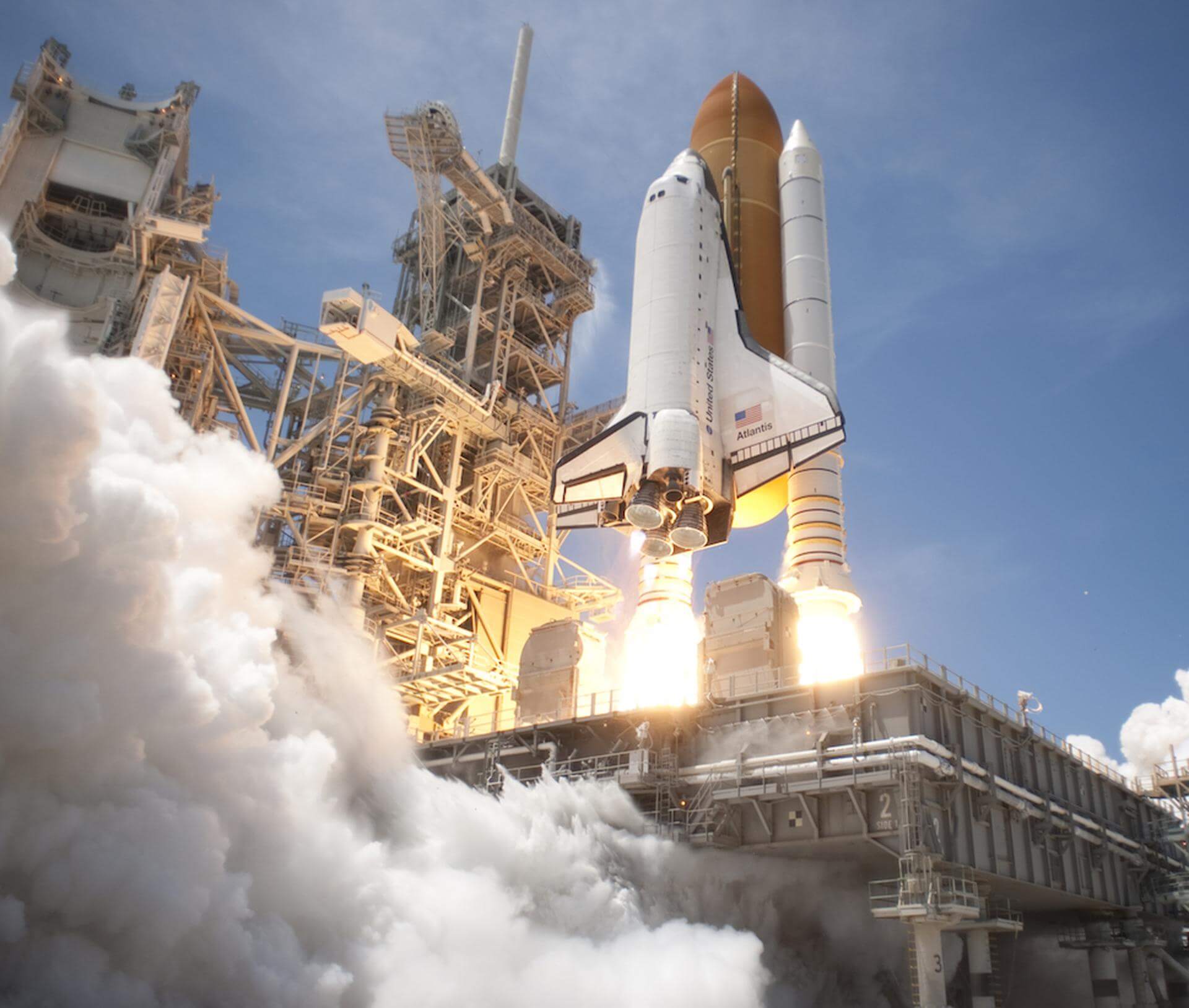
U.S. Space Force increased Andromeda contract ceiling to $6.2 billion for next-generation space situational awareness satellites replacing GSSAP and SILENTBARKER programs.

GAO flags growing cost problems across Space Force satellite portfolio with workforce reductions compounding risks to missile-warning constellations like NGG and SWAT.
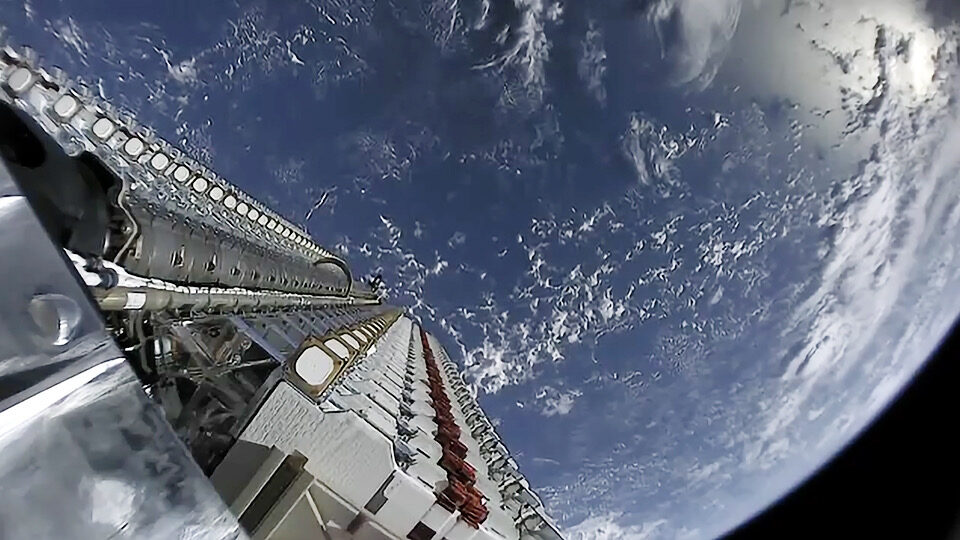
Japan's Hayabusa2 executed a close-range asteroid flyby on July 5 after mission planners initially rejected the approach as too dangerous. Extended mission pushes hardware past design limits.

Today's brief explores a simulated 'dogfight' in space by Chinese satellites, insights into a cloud platform by Oracle and Singapore's defense agency, and more space-related developments.
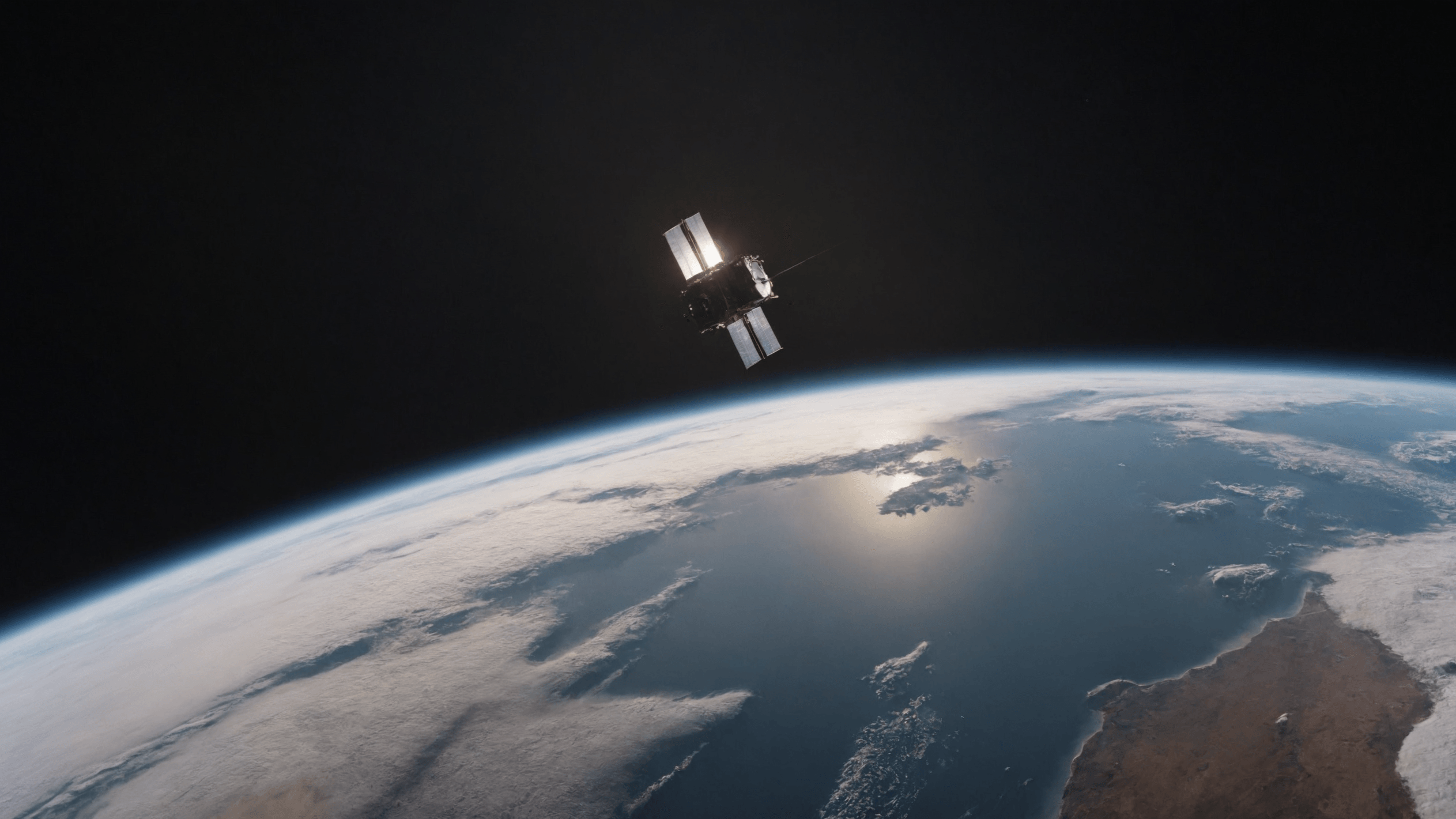
A Falcon 9 booster fails to land, increasing GPS and PNT significance for national security, and NASA's SLS mobile launch platform costs soar.