


Space Brief 3 Nov 2025
Highlighting India's significant military satellite launch, real-time satellite tracking developments in Europe, SpaceX's new rideshare mission, and more space industry news.


Launch Date
December 25, 2024
Launch Site
Baikonur Cosmodrome
Launch Pad
LC31/6
Launch Vehicle
Soyuz-2-1b
NORAD ID
62430
International Designator
2024-250A
Epoch
Sun, 19 Jul 2026 19:45:41 GMT
Apogee
Calculating...
Perigee
Calculating...
Inclination
97.28°
Right Ascension
125.60°
Eccentricity
Calculating...
Argument of Perigee
92.30°
Period
93.98 min
Mean Motion
15.32 rev/day
Latitude
Calculating...
Longitude
Calculating...
Altitude
Calculating...
Velocity
Calculating...
Name
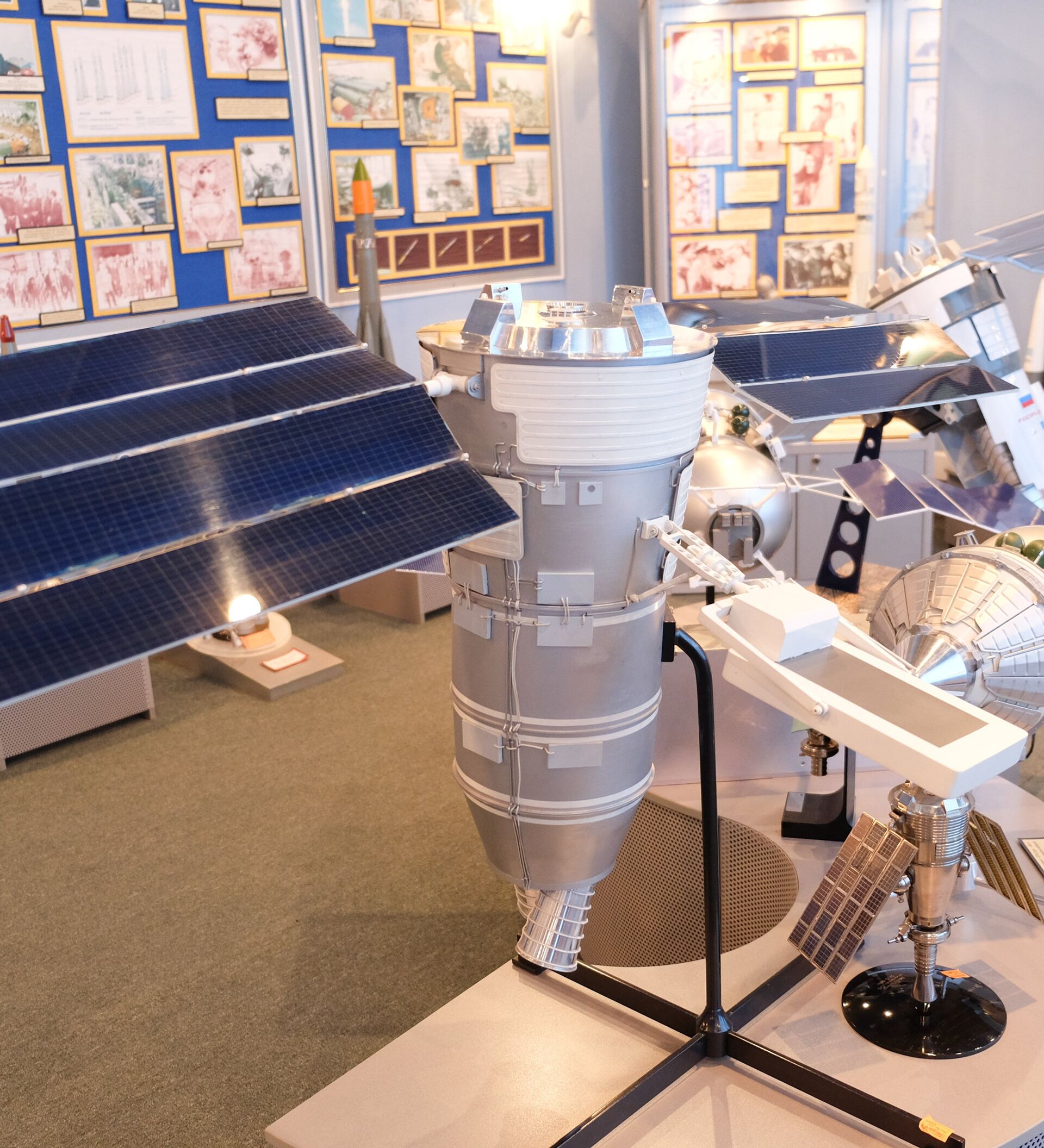
Resurs-P No.5
Alternative Name
Resurs-P 5
Type
Status
Owner
Roscosmos
Country
Russia
Constellation
N/A
Related Satellites
Major Events
First images transmitted on January 3, 2025, covering areas over the United States, China, and the UAE
1 62430U 24250A 26200.82339162 .00001535 00000+0 51723-4 0 9997
2 62430 97.2774 125.6009 0003100 92.3017 267.8580 15.32244187 87549
Source: Celestrak
Length
7.9
Diameter
2.7
Span
13
Dry Mass
5800
Launch Mass
6570
Shape
Cylindrical with solar arrays
Radar Cross Section
Large (>1 m²)
Visual Magnitude
5.5
Color
White and gray
Material Composition
Unknown
Payload
Geoton-L1, KShMSA, GSA, AIS receiver
Purpose
Earth Observation
Mission
High-resolution Earth observation for monitoring natural resources, environmental conditions, and supporting various Russian ministries
Manufacturer
RKTs Progress
Life Expectancy
5 years
Bus
Resurs-P
Configuration
Yantar bus
Motor
Unknown
Equipment
Geoton-L1 high-resolution multispectral imager, KShMSA wide-angle multispectral imager complex, GSA hyperspectral apparatus, AIS receiver
Power System
Two deployable solar arrays and batteries
ADCS
Three-axis stabilization
Transmitter Frequency
Unknown
Learn more about satellites and other related topics.
Highlighting India's significant military satellite launch, real-time satellite tracking developments in Europe, SpaceX's new rideshare mission, and more space industry news.
Artemis 2 astronauts completed first crewed lunar flyby since Apollo 17, traveling 690,000 miles aboard Orion. Four crew validated deep-space systems.

SpaceX lands Falcon 9 in The Bahamas for the second time ever during Starlink 10-34 mission. Scientists measure rocket reentry air pollution in real-time for the first time.

MDA Space and Hanwha target South Korea's K-LEO defense satellite network. House passes $839B defense bill. Pentagon picks 25 vendors for $150M drone competition.
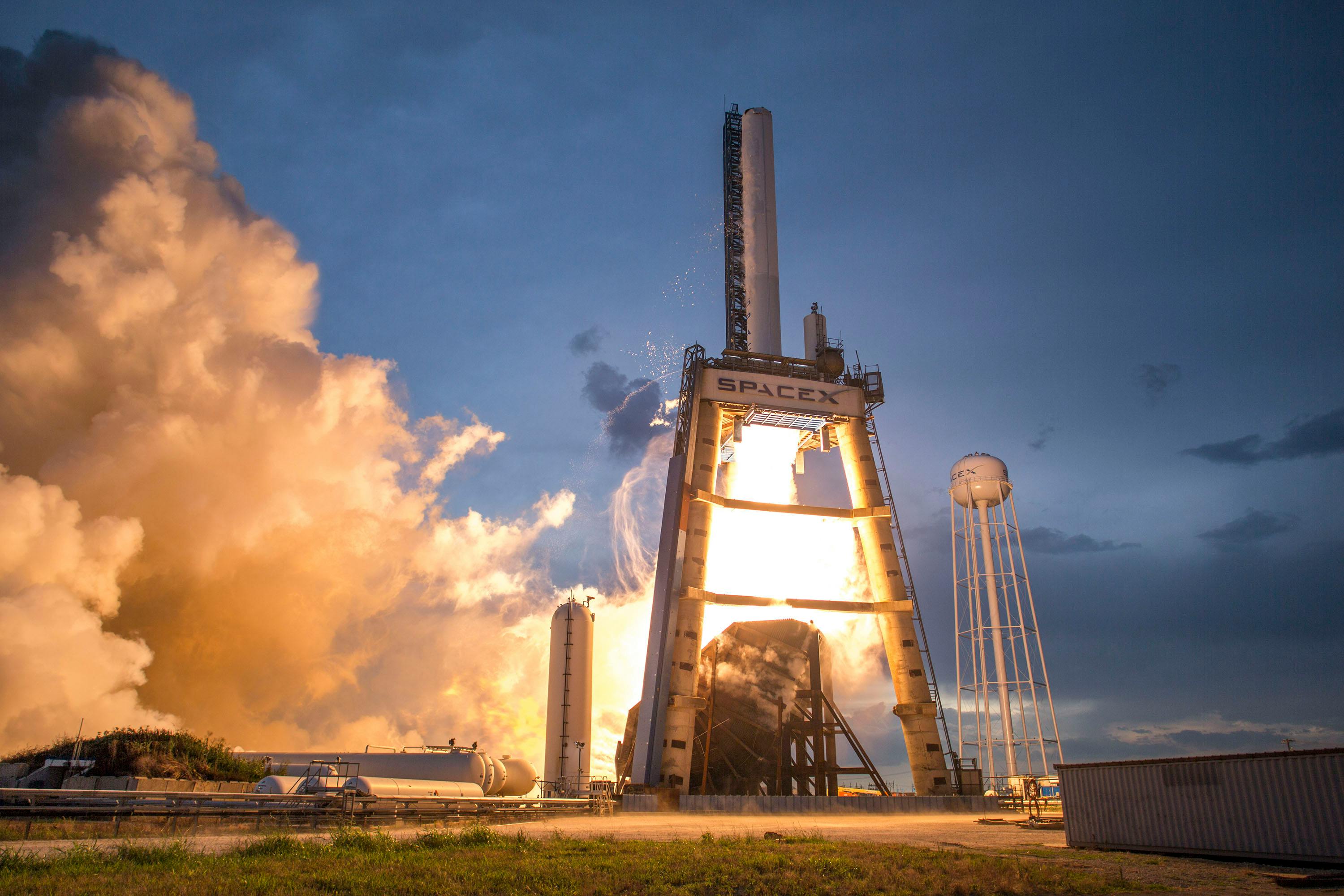
SpaceX successfully launched the latest GPS satellite for the U.S. military, while the FAA has initiated a mishap investigation on a recent Starship test flight. CEO Elon Musk provided updates on the future of the Starship program, indicating ambitious plans ahead.

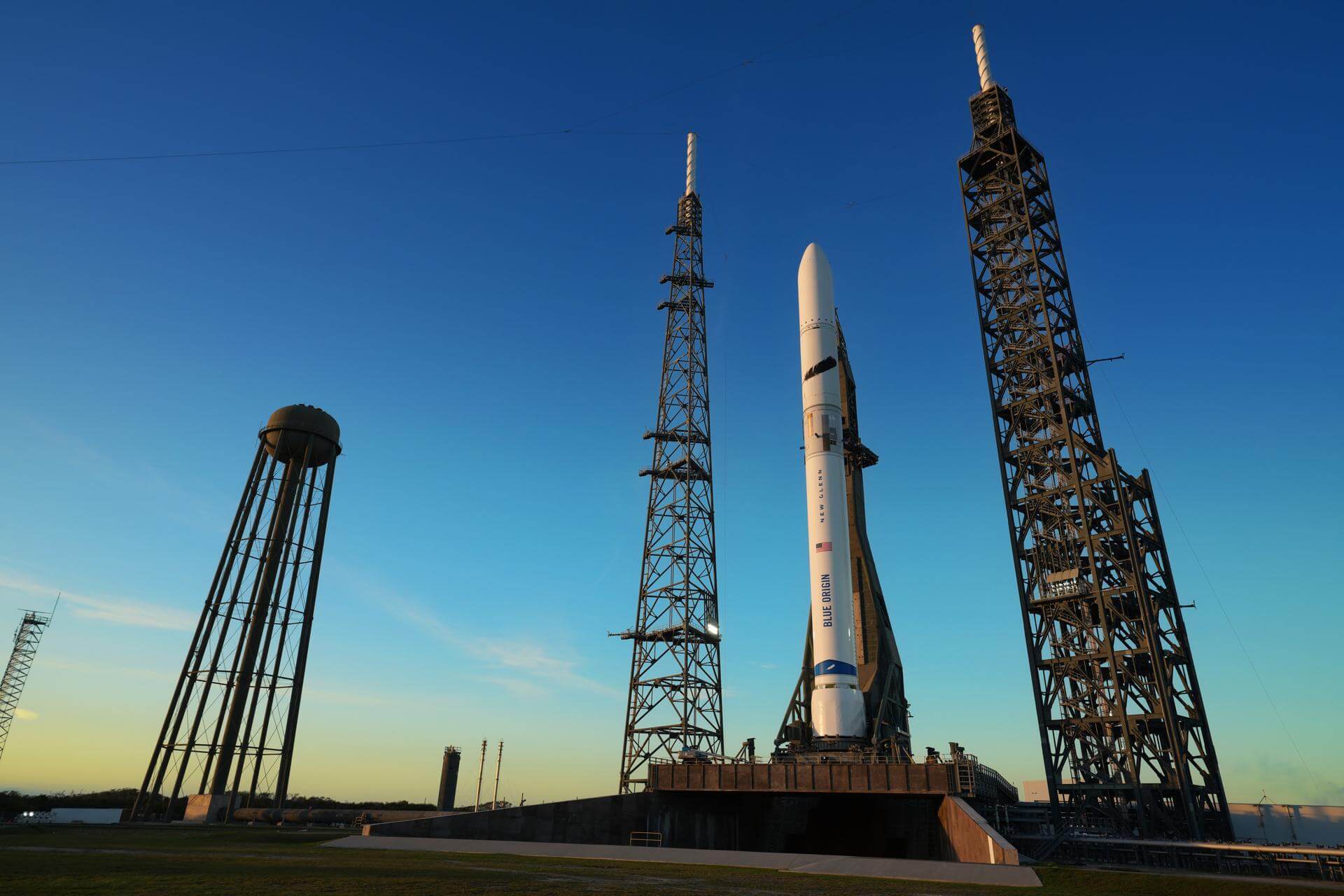
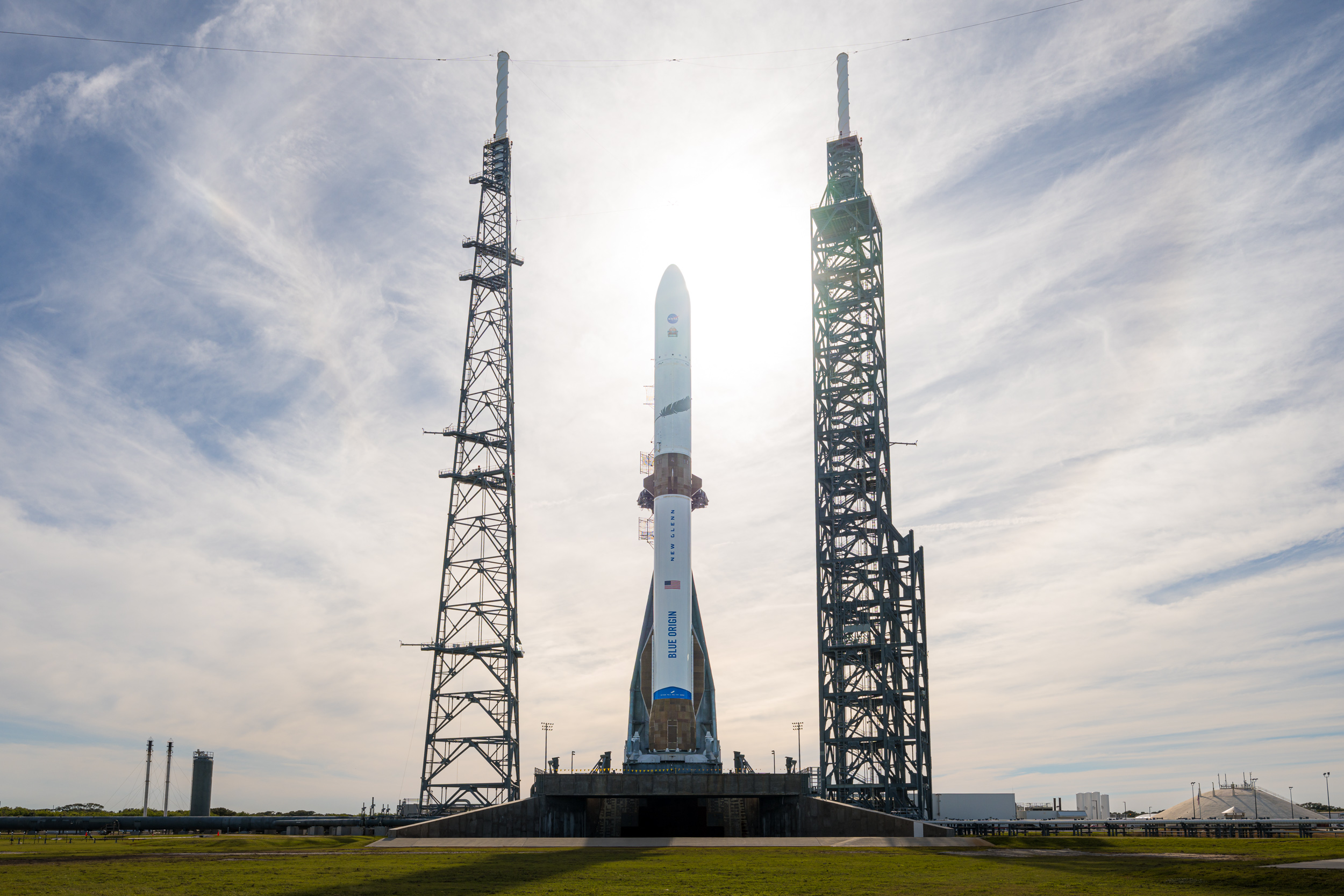
Blue Origin's New Glenn rocket exploded hours after USSF and NRO awarded national security launch contract. Impact on NSSL competition unclear.
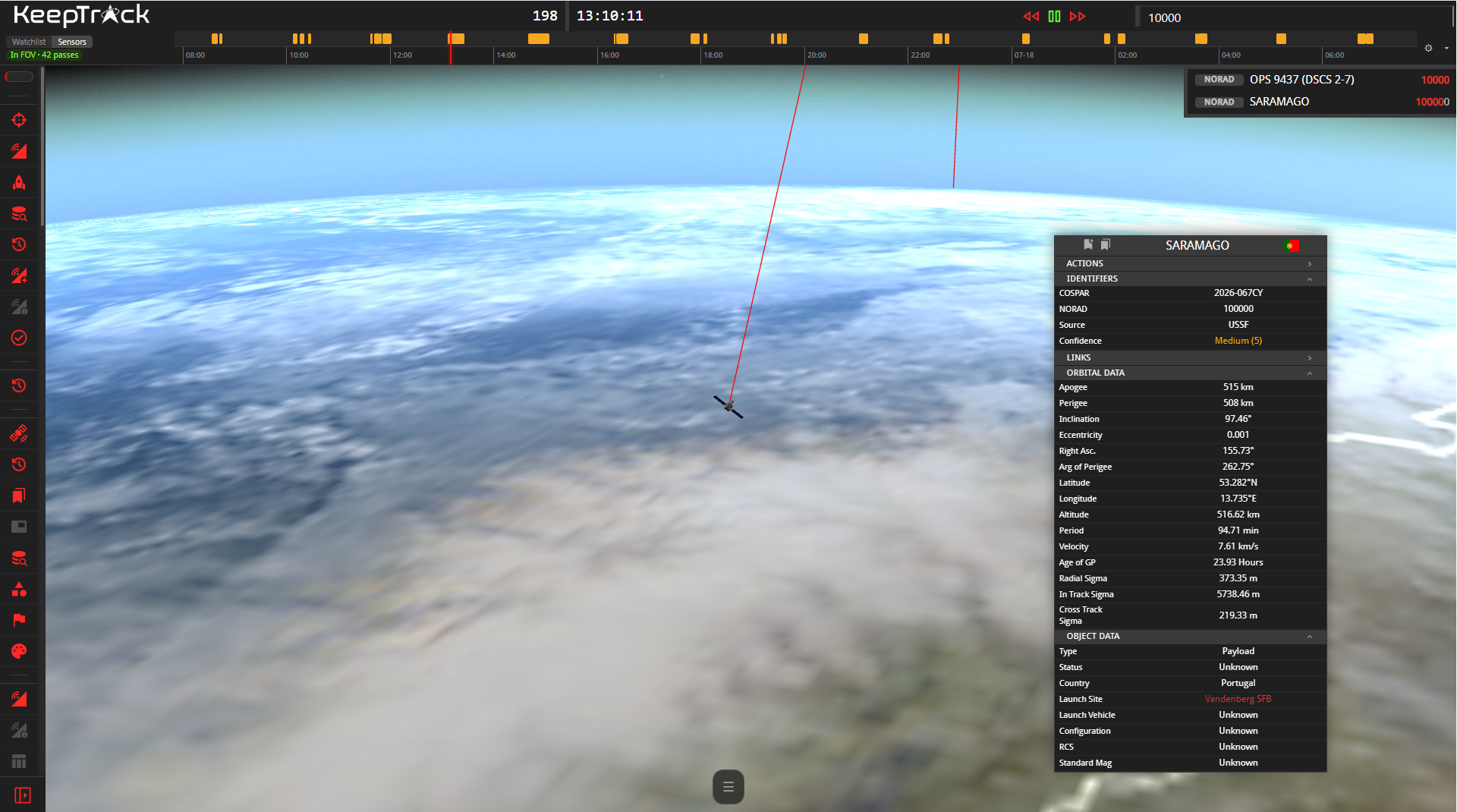
On July 11, 2026, a Portuguese satellite named after a Nobel laureate became the first object to carry catalog number 100000. It broke a five-digit numbering limit that had held since Sputnik, and exposed how unprepared decades of tracking software is for a sky this crowded.

SpaceX continues to make strides with multiple launches, including 28 Starlink satellites and NASA's IMAP mission, highlighting its ongoing role in advancing space weather research.