


Space Brief 9 Dec 2025
Today's edition covers significant military space developments, including DIU tech consolidation discussions, NDAA budget expansions, and new military commands.



Launch Date
December 16, 2024
Launch Site
Taiyuan Satellite Launch Center
Launch Pad
LC-9
Launch Vehicle
Long March 2D
NORAD ID
62333
International Designator
2024-241A
Epoch
Sun, 19 Jul 2026 20:37:01 GMT
Apogee
Calculating...
Perigee
Calculating...
Inclination
97.53°
Right Ascension
148.19°
Eccentricity
Calculating...
Argument of Perigee
77.89°
Period
95.07 min
Mean Motion
15.15 rev/day
Latitude
Calculating...
Longitude
Calculating...
Altitude
Calculating...
Velocity
Calculating...
Name
PIESAT-2 09
Alternative Name
Hongtu-1 09
Type
Status
Owner
PIESAT Information Technology Co., Ltd.
Country
China
Constellation
Hongtu-1
Related Satellites
Major Events
Successfully launched on December 16, 2024, and entered its designated Sun-synchronous orbit; began commissioning phase post-launch
1 62333U 24241A 26200.85904053 .00004485 00000+0 24634-3 0 9996
2 62333 97.5305 148.1914 0002361 77.8941 282.2555 15.14623980 87748
Source: Celestrak
Length
1
Diameter
1
Span
4
Dry Mass
320
Launch Mass
320
Shape
Box with deployable solar panels
Radar Cross Section
0.5
Visual Magnitude
6
Color
White with company logos
Material Composition
Aluminum and composite materials
Payload
X-band SAR instrument
Purpose
Earth observation and remote sensing
Mission
To provide all-weather, high-resolution Earth observation data for applications such as land resources management, disaster monitoring, and environmental protection
Manufacturer
GalaxySpace
Life Expectancy
Designed for a mission duration of at least 10 years
Bus
Piesat
Configuration
Synthetic Aperture Radar (SAR) Satellite
Motor
Unknown
Equipment
X-band Synthetic Aperture Radar (SAR) for high-resolution Earth observation
Power System
Equipped with solar panels generating sufficient power for the SAR instrument and satellite operations
ADCS
Three-axis stabilization
Transmitter Frequency
9.65 GHz
Learn more about satellites and other related topics.
Today's edition covers significant military space developments, including DIU tech consolidation discussions, NDAA budget expansions, and new military commands.
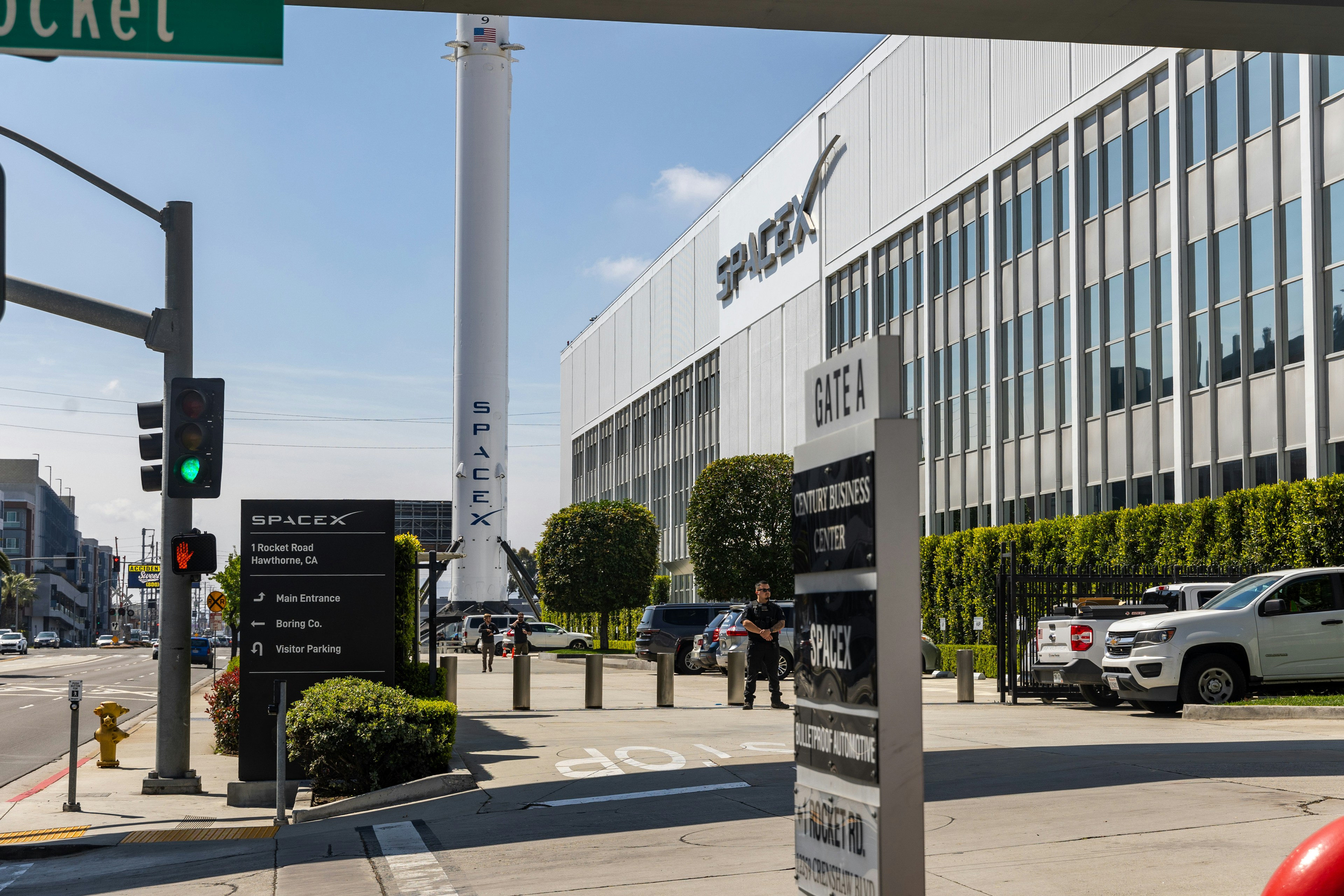
SpaceX continues to make strides with its Starship program while successfully launching another batch of Starlink satellites into orbit, enhancing global internet coverage.
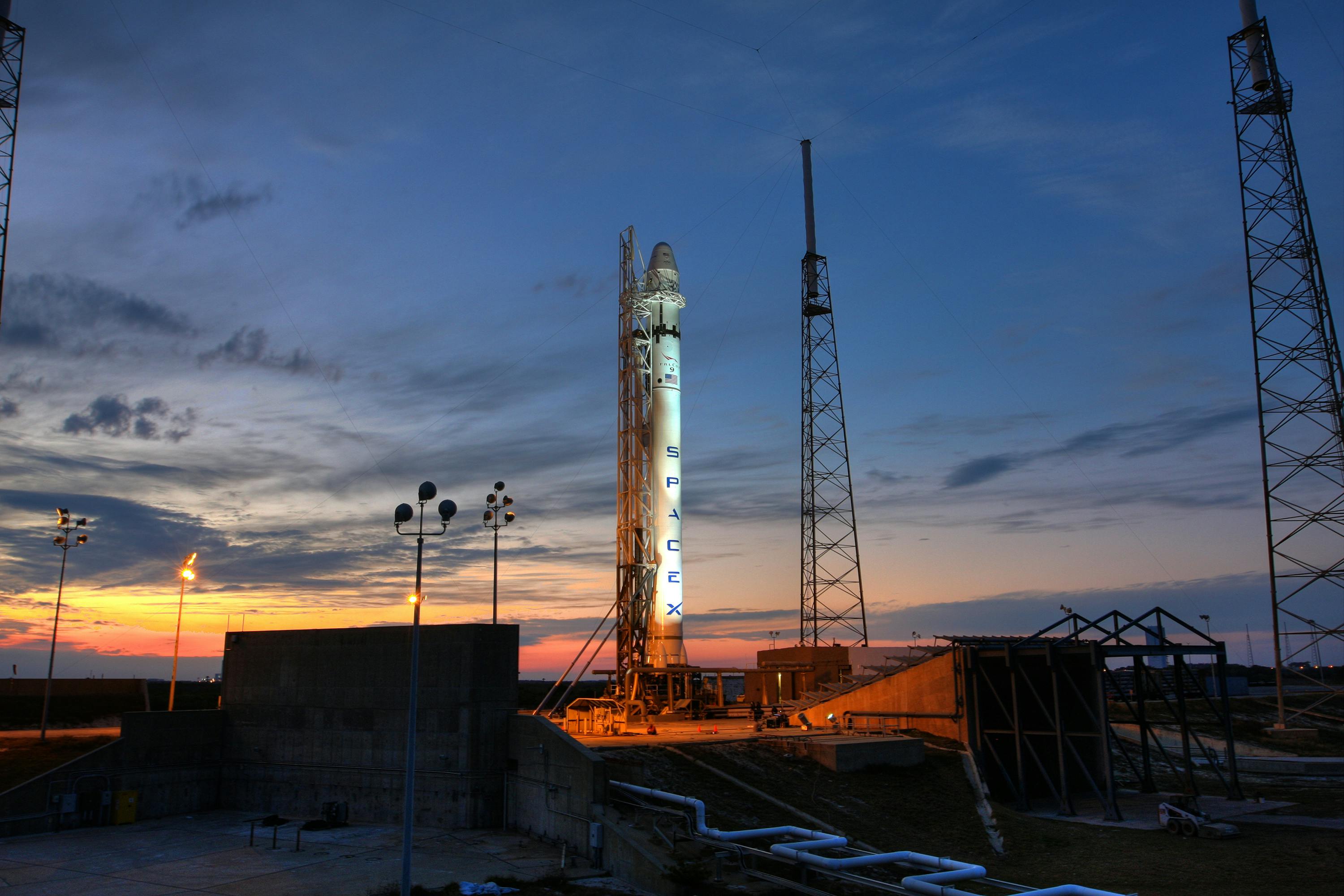
SpaceX launches 29 Starlink satellites in first deployment since recent satellite issues. Falcon 9 also delivers Italy's COSMO-SkyMed CSG-FM3 from Vandenberg. Starship plans solidified for 2026.

China hits record 92 orbital launches in 2025. Vandenberg opens new launch site for providers. Former ULA CEO Tory Bruno joins Blue Origin for national security projects.
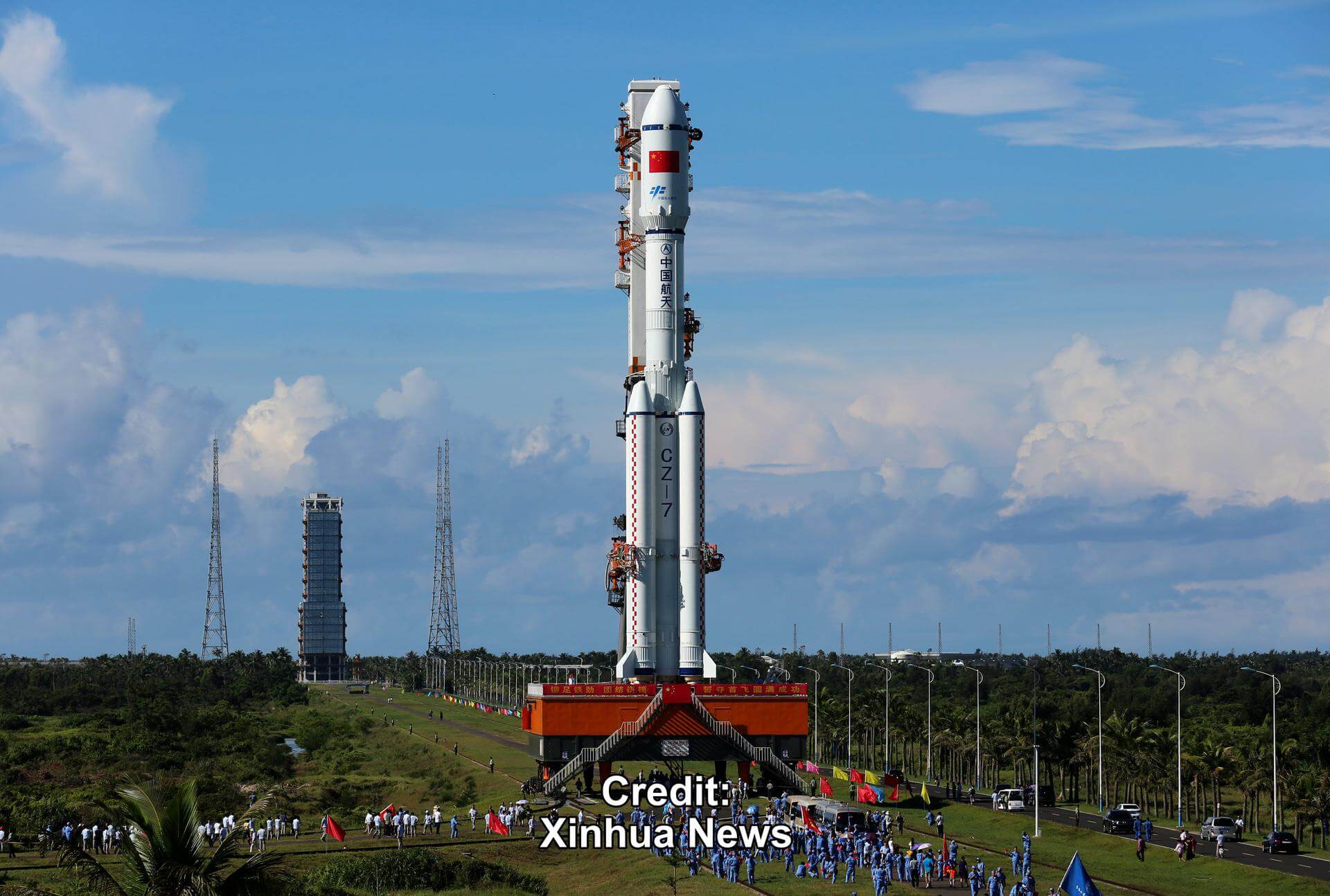
Today's space highlights include China's first classified Shiyan-28B launch, Boeing's major satellite contract, new NASA budget allocations, and plans for shuttle Discovery's relocation.

Blue Origin's New Glenn suffered a damaging anomaly during hotfire testing at Launch Complex 36, grounding the heavy-lift rocket indefinitely with no return-to-flight timeline announced.

Current number of Starlink satellites in orbit April 2026: 10,168 working of 10,177 tracked, 11,724 launched. Fleet health tops 99.9%.
Today's briefing highlights the SDA's significant satellite award, Blue Origin's groundbreaking flight, and NASA's call for an Artemis review.