


X Report 16 Aug 2025
SpaceX receives FAA approval for its 10th Starship test flight scheduled for August 24, while also making strides in construction at the Cape and contesting broadband funding in Virginia.



Launch Date
November 11, 2024
Launch Site
Launch Pad
LC40
Launch Vehicle
NORAD ID
61912
International Designator
2024-207A
Epoch
Sun, 19 Jul 2026 04:31:20 GMT
Apogee
Calculating...
Perigee
Calculating...
Inclination
43.00°
Right Ascension
259.06°
Eccentricity
Calculating...
Argument of Perigee
274.06°
Period
94.27 min
Mean Motion
15.28 rev/day
Latitude
Calculating...
Longitude
Calculating...
Altitude
Calculating...
Velocity
Calculating...
Name
STARLINK-32303
Alternative Name
Starlink 32303
Type
Status
Owner
SPXS
Country
United States
Constellation
N/A
Related Satellites
Major Events
N/A
1 61912U 24207A 26200.18842859 .00005246 00000+0 20000-3 0 9990
2 61912 42.9971 259.0610 0001275 274.0595 86.0111 15.27581870 95424
Source: Celestrak
Length
0.3
Diameter
4.1
Span
29
Dry Mass
700
Launch Mass
730
Shape
Box + pan
Radar Cross Section
Unknown
Visual Magnitude
Unknown
Color
Unknown
Material Composition
Unknown
Payload
Starlink Group 6-69-01
Purpose
Communication
Mission
Communication
Manufacturer
SPXS
Life Expectancy
Unknown
Bus
Starlink V2M
Configuration
Starlink v2 Mini
Motor
Argon ion thrusters
Equipment
Ku/Ka/E-band payload, optical inter-satellite link
Power System
Solar arrays, batteries
ADCS
Unknown
Transmitter Frequency
Unknown
Learn more about satellites and other related topics.
SpaceX receives FAA approval for its 10th Starship test flight scheduled for August 24, while also making strides in construction at the Cape and contesting broadband funding in Virginia.

Today's Space Brief covers China’s latest satellite launches, leadership changes in the U.S. Space Force, insights from hyperspectral imagery on an Iranian facility, SpaceX's Starlink mission, and more.

SpaceX faces challenges with a Falcon 9 reentry issue, while continuing to expand its Starlink constellation with new launches.
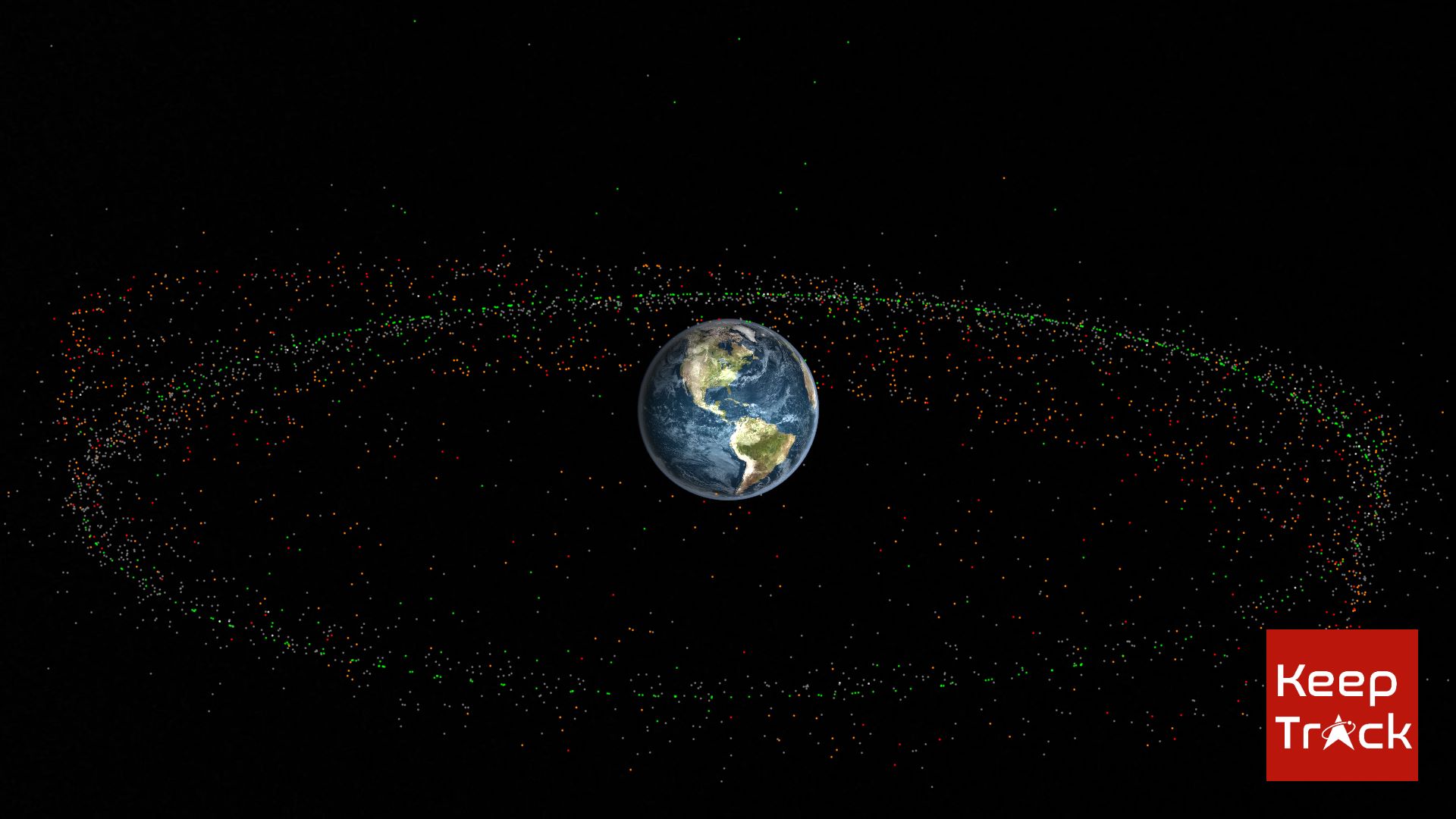
Understanding the unique orbital sweet spot that keeps satellites perfectly positioned above Earth
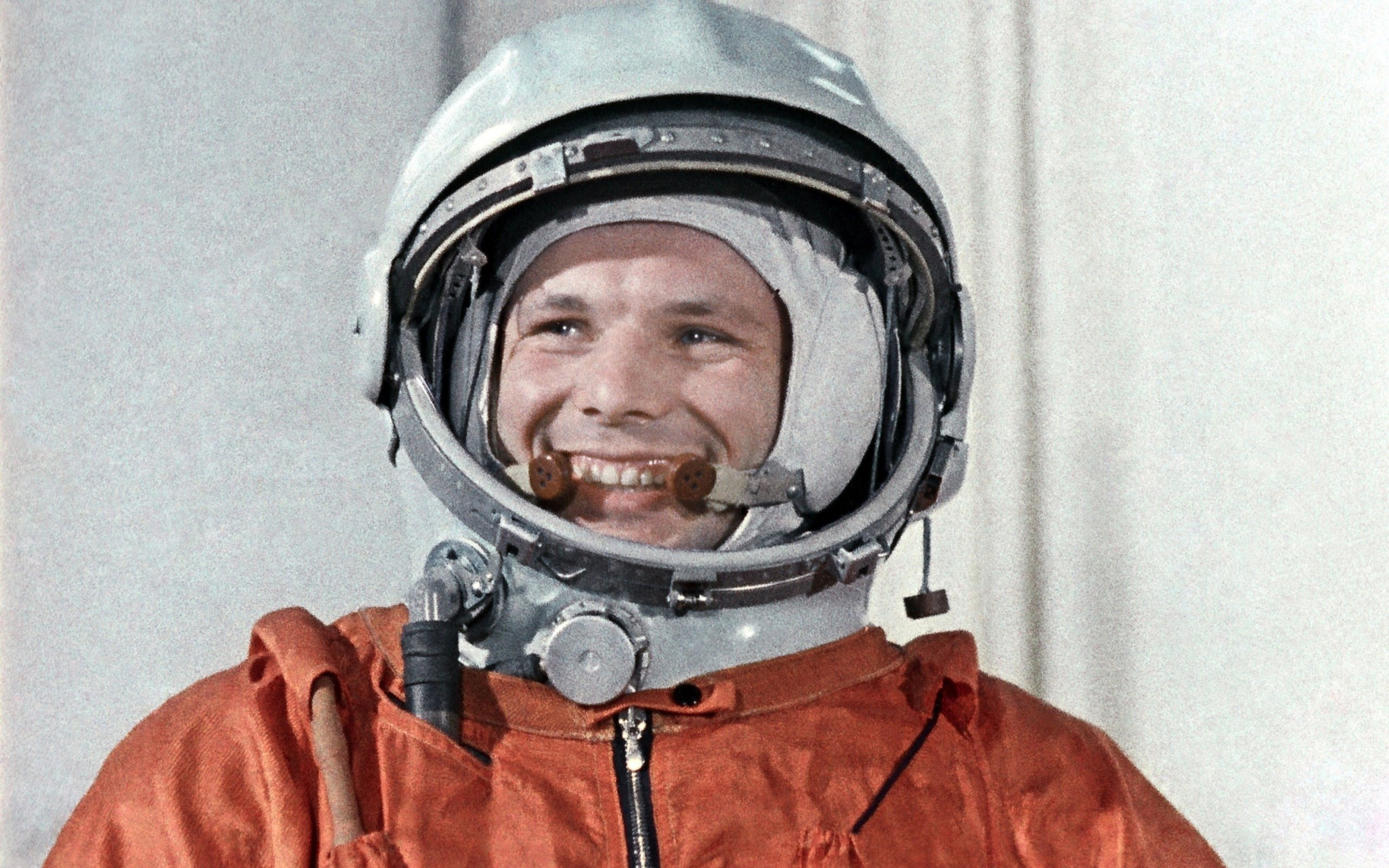
On April 12, 1961, a 27-year-old Soviet pilot rode a modified ICBM into orbit and came back alive after 108 minutes. Exactly twenty years later, two Americans climbed aboard an untested spacecraft covered in 31,000 ceramic tiles and bet their lives that the math was right.
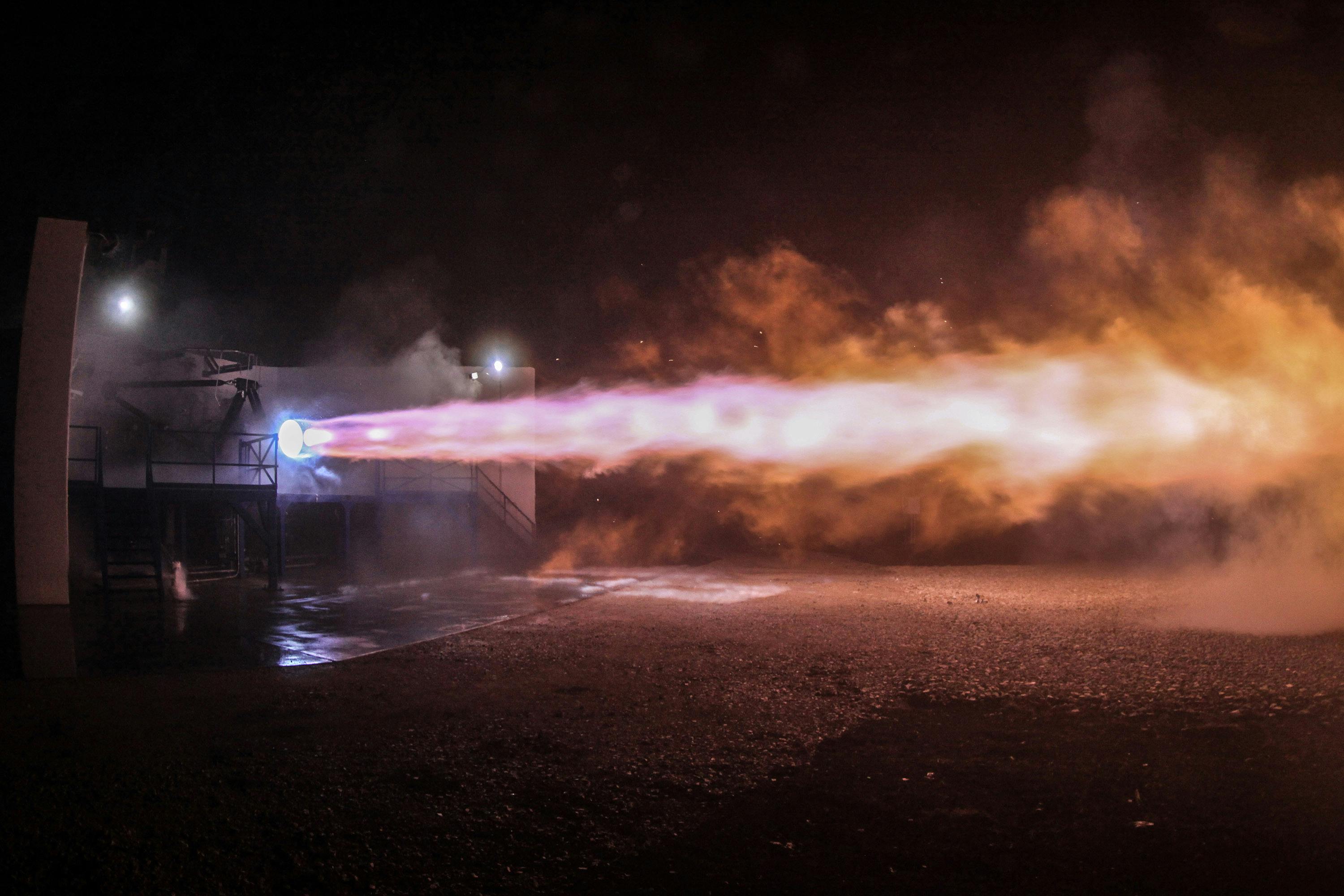
SpaceX's Crew-10 astronauts are set to return to Earth after a five-month mission, while the company prepares for the launch of 24 new Starlink satellites from Vandenberg Space Force Base.
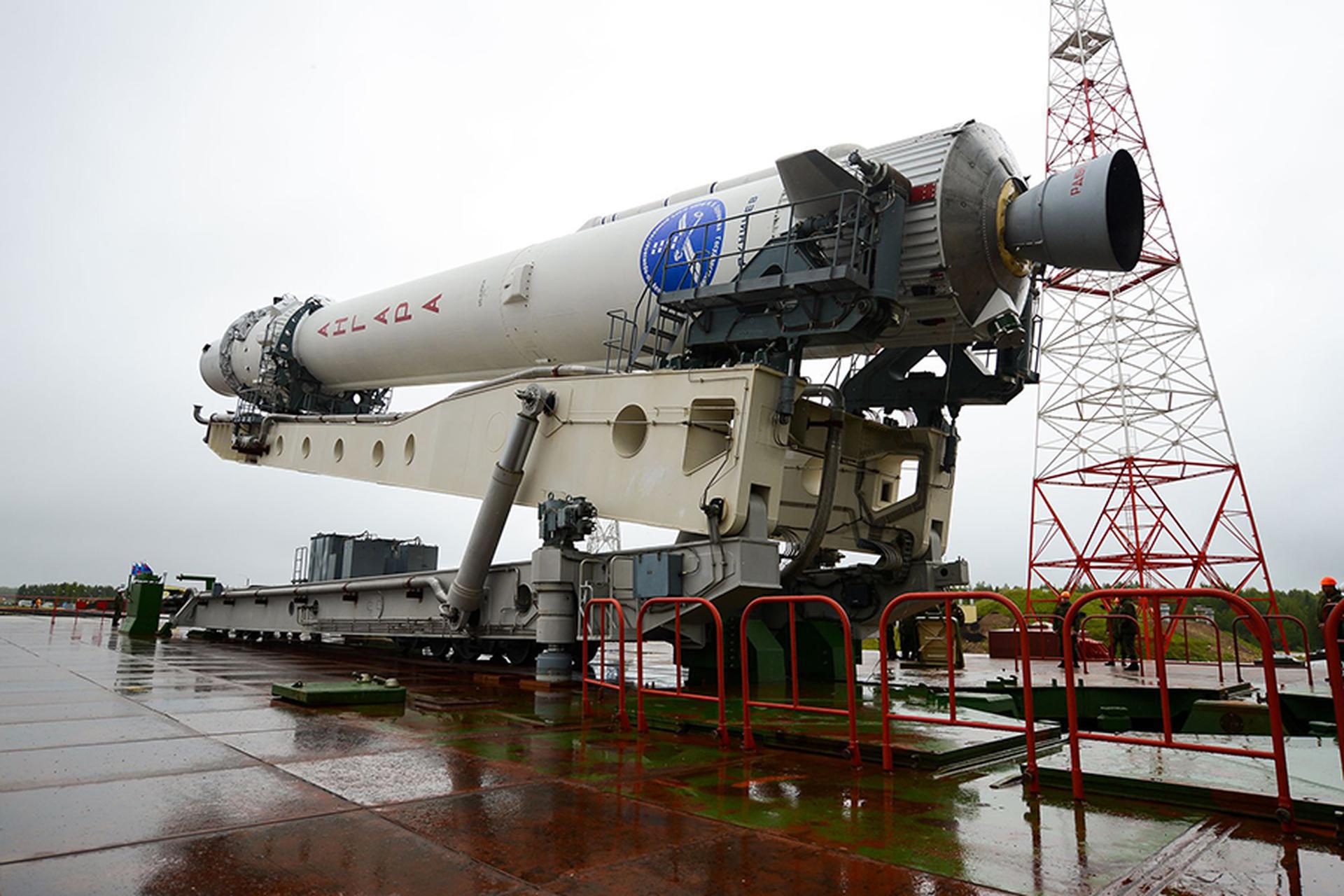
Today's highlights include SpaceX's record-breaking Falcon 9 launches, Dream Chaser's testing success, and Blue Origin's latest New Glenn achievements.
Starship V3 completed Flight 12 on May 22 despite one vacuum Raptor shutting down early, with SpaceX's IPO filing revealing bold Starlink Mobile ambitions.