STARLINK-11383 [DTC] (61883)

COSPAR: 2024-204K | Alt Name: Starlink 11383

Image
STARLINK-11383 [DTC] Satellite Image
Additional Sources
Launch Details

Launch Date

November 9, 2024

Launch Site

AFWTR

Launch Pad

SLC4E

Launch Vehicle

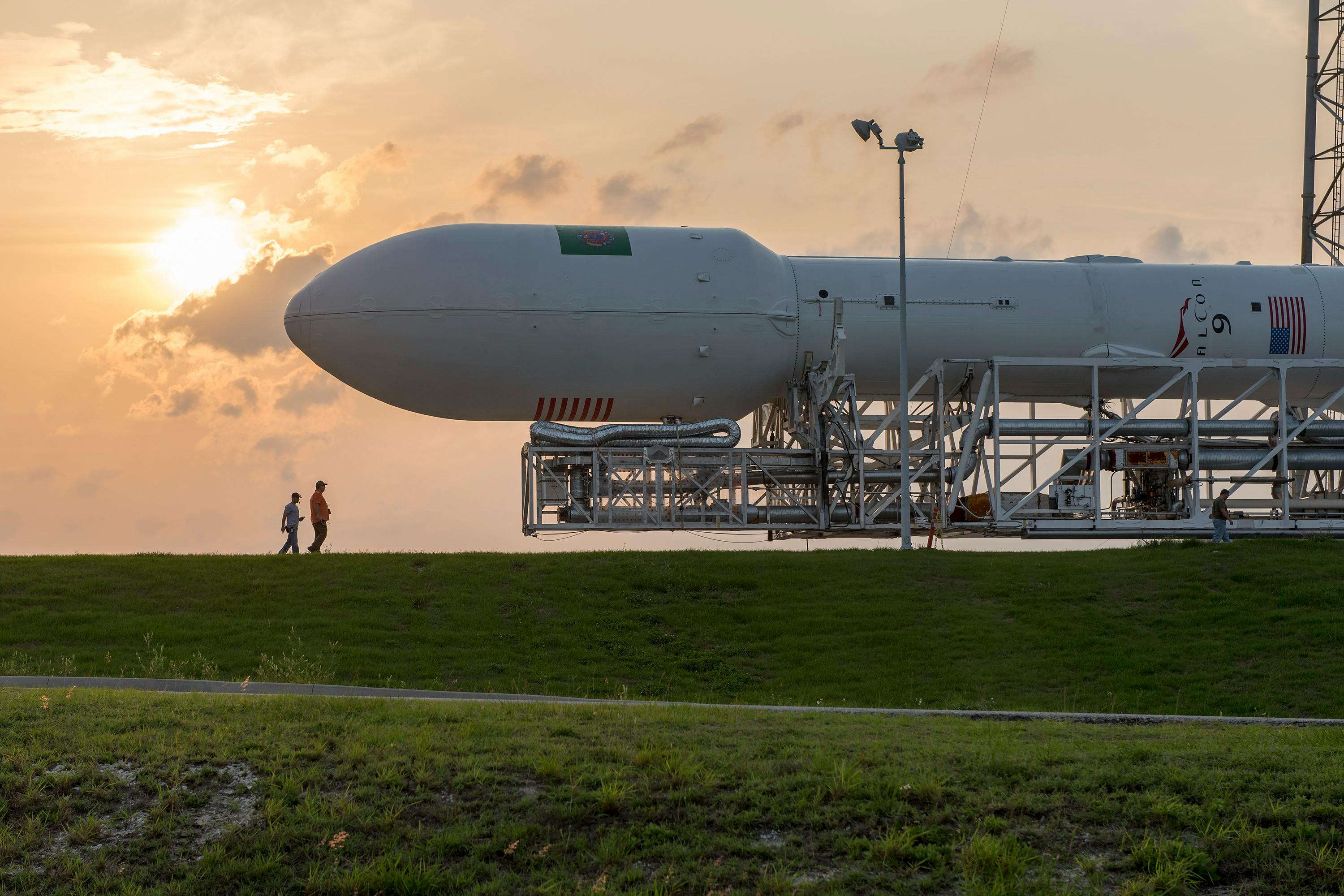
Falcon 9

Orbital Elements

NORAD ID

61883

International Designator

2024-204K

Epoch

Sun, 19 Jul 2026 18:47:02 GMT

Apogee

Calculating...

Perigee

Calculating...

Inclination

53.16°

Right Ascension

64.92°

Eccentricity

Calculating...

Argument of Perigee

109.97°

Period

91.74 min

Mean Motion

15.70 rev/day

Latitude

Calculating...

Longitude

Calculating...

Altitude

Calculating...

Velocity

Calculating...

Polar Plot
3D Visualization
Basic Satellite Info

Name

STARLINK-11383 [DTC]

Alternative Name

Starlink 11383

Type

Payload

Status

Operational

Owner

SPXS

Country

United States

Constellation

N/A

Related Satellites

Major Events

N/A

Latest TLEs
1 61883U 24204K   26200.78266259 -.00000674  00000+0 -71029-6 0  9996
2 61883  53.1594  64.9197 0001063 109.9666 250.1467 15.69704007 97660

Source: Celestrak

Summary
The satellite named STARLINK-11383 [DTC], also known as Starlink 11383, is a component of the Starlink V2M bus manufactured by SPXS and launched from AFWTR (SLC4E) on November 9, 2024. It was deployed using a Falcon 9 launch vehicle with a dry mass of 700 kg and a launch mass of 730 kg. The satellite has dimensions of 0.3 meters in length, 4.1 meters in diameter, and a span of 29 meters. Its shape is described as "Box + pan." It belongs to the Starlink Group 9-10-10 payload and is owned by SPXS. The launch date was November 9, 2024, with stabilization achieved on November 9 at approximately 7:14 AM UTC.

Starlink is a satellite constellation developed by SpaceX with the aim of providing global broadband internet coverage. Thousands of small satellites are deployed in low Earth orbit (LEO), enabling high-speed internet access even in remote areas. However, the rapid increase in satellites raises concerns about space debris and the potential for collisions, which can lead to further debris creation and endanger other spacecraft. Additionally, the sheer number of Starlink satellites can affect astronomical observations by increasing light pollution. Proper deorbiting plans and international coordination are essential to mitigate these challenges and ensure long-term sustainability in space.
Physical Characteristics

Length

0.3

Diameter

4.1

Span

29

Dry Mass

700

Launch Mass

730

Shape

Box + pan

Radar Cross Section

Unknown

Visual Magnitude

Unknown

Color

Unknown

Material Composition

Unknown

Technical Details

Payload

Starlink Group 9-10-10

Purpose

Unknown

Mission

Unknown

Manufacturer

SPXS

Life Expectancy

Unknown

Bus

Starlink V2M

Configuration

Unknown

Motor

Unknown

Equipment

Unknown

Power System

Unknown

ADCS

Unknown

Transmitter Frequency

Unknown

Map
This tool will help you track the satellite's position and predict its upcoming passes over your location. Simply input the coordinates or click the geolocation button to get started.
Next Pass
Azimuth Elevation Time (Local)
Start Azimuth
Max Elevation
Stop Azimuth
Time Until
Pass Duration

Satellite Articles

View All Posts »

Learn more about satellites and other related topics.

SpaceX IPO Raises $75B, SPCX Surges 20% on Day One | KeepTrack X Report

SpaceX IPO Raises $75B, SPCX Surges 20% on Day One | KeepTrack X Report

SpaceX debuted on Nasdaq as SPCX at $135/share, raising a record $75B and pushing Elon Musk's net worth past $1 trillion for the first time.

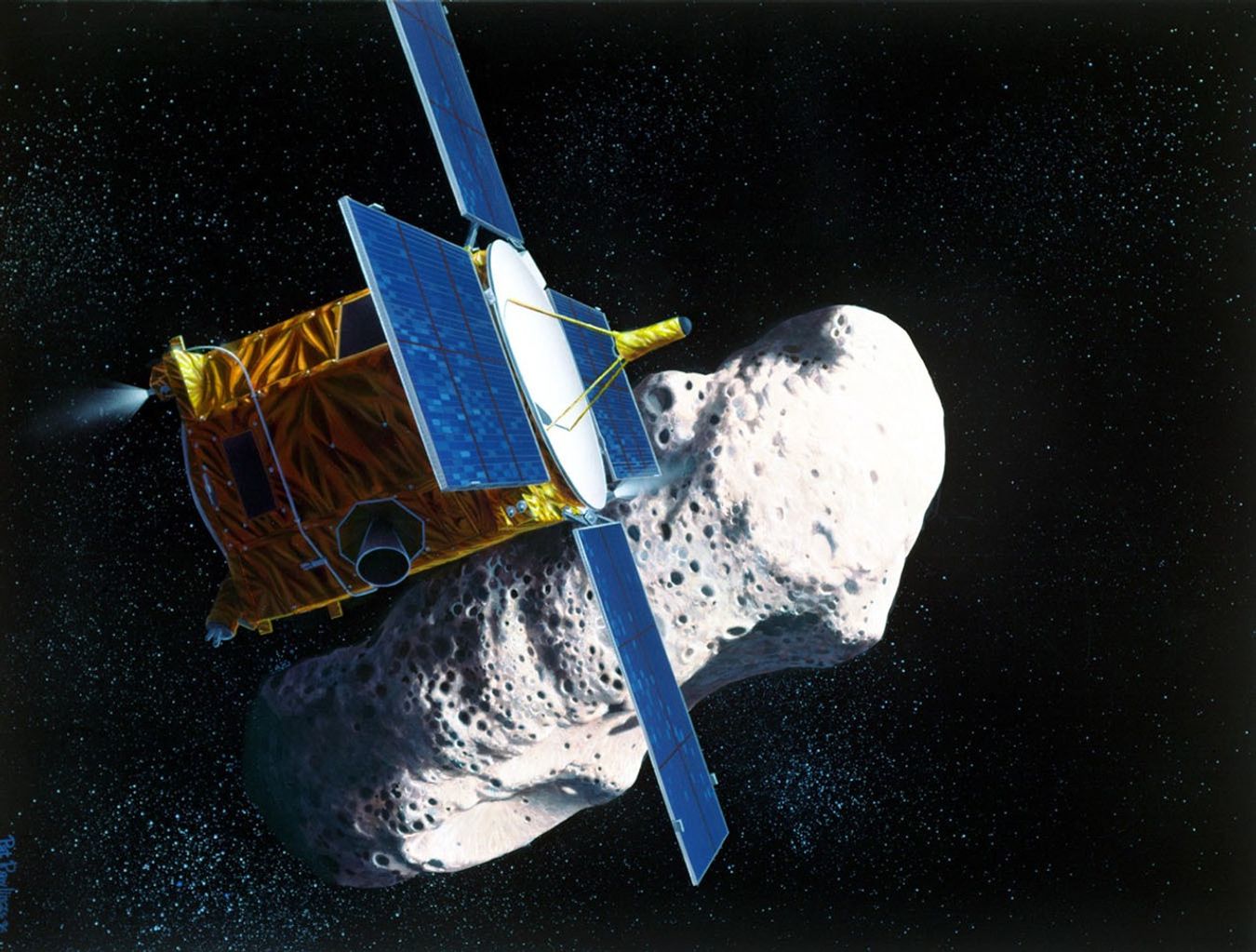
The Day Humanity First Touched an Asteroid

The Day Humanity First Touched an Asteroid

Twenty-four years ago, a spacecraft designed only to orbit made history with an improvised landing on asteroid Eros, marking humanitys first controlled touchdown on a small celestial body

The Korean Optical Wide-field patroL-Network (OWL-Net)

The Korean Optical Wide-field patroL-Network (OWL-Net)

South Korea's sophisticated network of robotic telescopes provides critical space situational awareness while strengthening the nation's position in space security amid regional tensions
Planet Delays Iran Imagery 14 Days Amid Regional Conflict | KeepTrack Space Brief

Planet Delays Iran Imagery 14 Days Amid Regional Conflict | KeepTrack Space Brief

Planet Labs institutes 14-day delay on imagery covering Iran and Gulf States. Commercial remote sensing faces new operational security pressures as conflict escalates.

Space Brief 25 Nov 2025

Space Brief 25 Nov 2025

Today's briefing covers Chinese satellite launches, military defense strategies in space, increasing launch activity at the Space Coast, and potential rivals to SpaceX's Starlink.

Space Force Completes First Tactical Orbital Intercept | KeepTrack Space Brief

Space Force Completes First Tactical Orbital Intercept | KeepTrack Space Brief

U.S. Space Force executes first tactical orbital intercept under Victus Haze mission using commercial spacecraft. Rendezvous and proximity operations now operationally demonstrated.

Congress Passes FY2026 Bill Reinstating NASA Funding, Slingshot Wins $27M AI Contract | KeepTrack Space Brief

Congress Passes FY2026 Bill Reinstating NASA Funding, Slingshot Wins $27M AI Contract | KeepTrack Space Brief

Congress passes FY2026 spending bill reinstating NASA funding. Slingshot Aerospace wins $27M Space Force contract for AI satellite training. Portal Space selects Atomic-6 debris shield for 2026 mission.
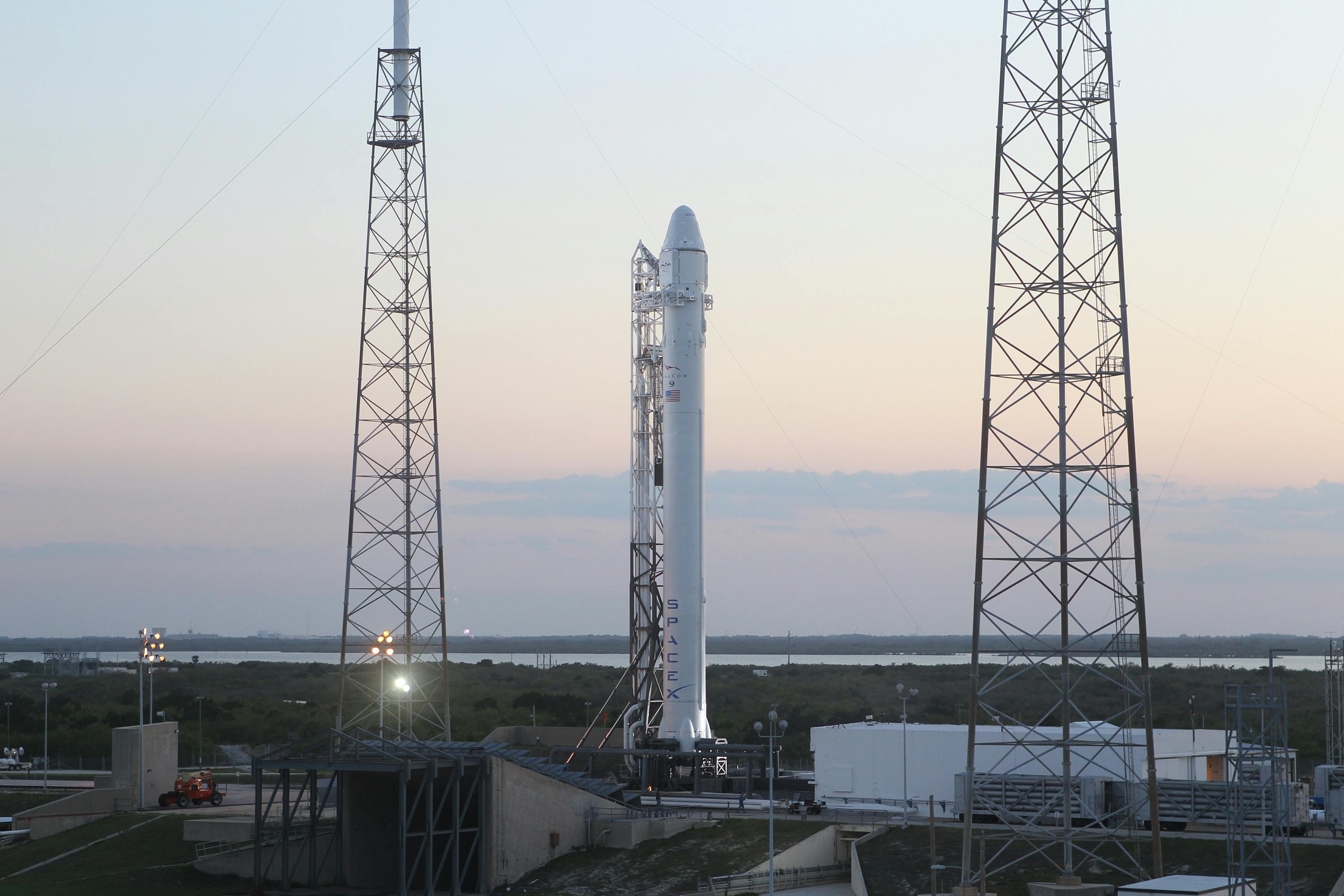
X Report 14 Sep 2025

X Report 14 Sep 2025

SpaceX successfully launched its 300th Starlink mission, deploying 24 new satellites to further expand its internet service coverage worldwide.