


X Report 23 Apr 2025
SpaceX marks a significant milestone with its Bandwagon-3 mission, while Ukraine explores Starlink alternatives.


![STARLINK-11374 [DTC] Satellite Image](/images/sat/starlink.jpg)
Launch Date
October 18, 2024
Launch Site
Launch Pad
LC40
Launch Vehicle
NORAD ID
61581
International Designator
2024-187H
Epoch
Sun, 19 Jul 2026 17:29:33 GMT
Apogee
Calculating...
Perigee
Calculating...
Inclination
53.16°
Right Ascension
5.71°
Eccentricity
Calculating...
Argument of Perigee
90.51°
Period
91.74 min
Mean Motion
15.70 rev/day
Latitude
Calculating...
Longitude
Calculating...
Altitude
Calculating...
Velocity
Calculating...
Name
STARLINK-11374 [DTC]
Alternative Name
Starlink 11374
Type
Status
Owner
SPXS
Country
United States
Constellation
N/A
Related Satellites
Major Events
N/A
1 61581U 24187H 26200.72886117 .00000736 00000+0 10934-4 0 9999
2 61581 53.1605 5.7076 0000770 90.5081 269.6025 15.69704827101534
Source: Celestrak
Length
0.3
Diameter
4.1
Span
29
Dry Mass
700
Launch Mass
730
Shape
Box + pan
Radar Cross Section
Unknown
Visual Magnitude
Unknown
Color
Unknown
Material Composition
Unknown
Payload
Starlink Group 8-19-08
Purpose
Communication
Mission
Communication
Manufacturer
SPXS
Life Expectancy
Unknown
Bus
Starlink V2M
Configuration
Starlink v2 Mini
Motor
Argon ion thrusters
Equipment
D2C payload, optical inter-satellite link
Power System
Solar arrays, batteries
ADCS
Unknown
Transmitter Frequency
Unknown
Learn more about satellites and other related topics.
SpaceX marks a significant milestone with its Bandwagon-3 mission, while Ukraine explores Starlink alternatives.
The laser-based crosslinks that turn Starlink into a mesh, anchor the SDA Transport Layer, and just made their GPS debut on GPS III SV10 - quietly rewriting how data moves through space.
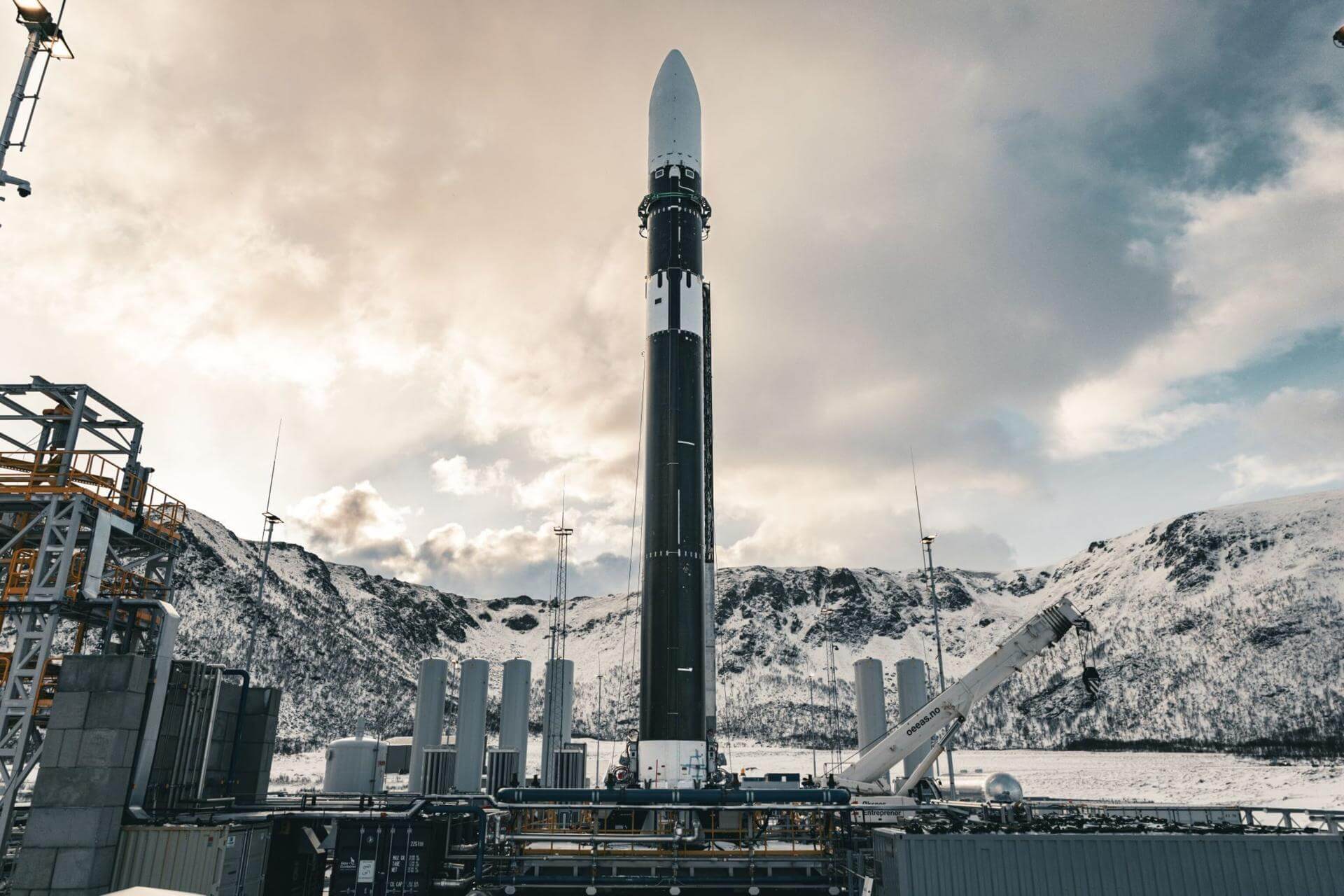
Exploring the future of space with concerns on space debris, rapid growth in orbital data centers, and new developments at launch sites.

Today's brief covers a new Space Force contract for advanced tracking systems, innovative debris removal strategies, pivotal new satellite launches, and significant updates in air quality tracking from orbit.

On April 14, 1958, Sputnik 2 burned up over the North Atlantic, carrying the remains of a stray dog from Moscow who had been dead for five months. The Soviet Union told the world she survived for days. It took forty-five years for the truth to come out.

Today's highlights include China's launch of Shijian-25 for on-orbit refueling tests, Pentagon's investment in defense technologies, and key military upgrades.
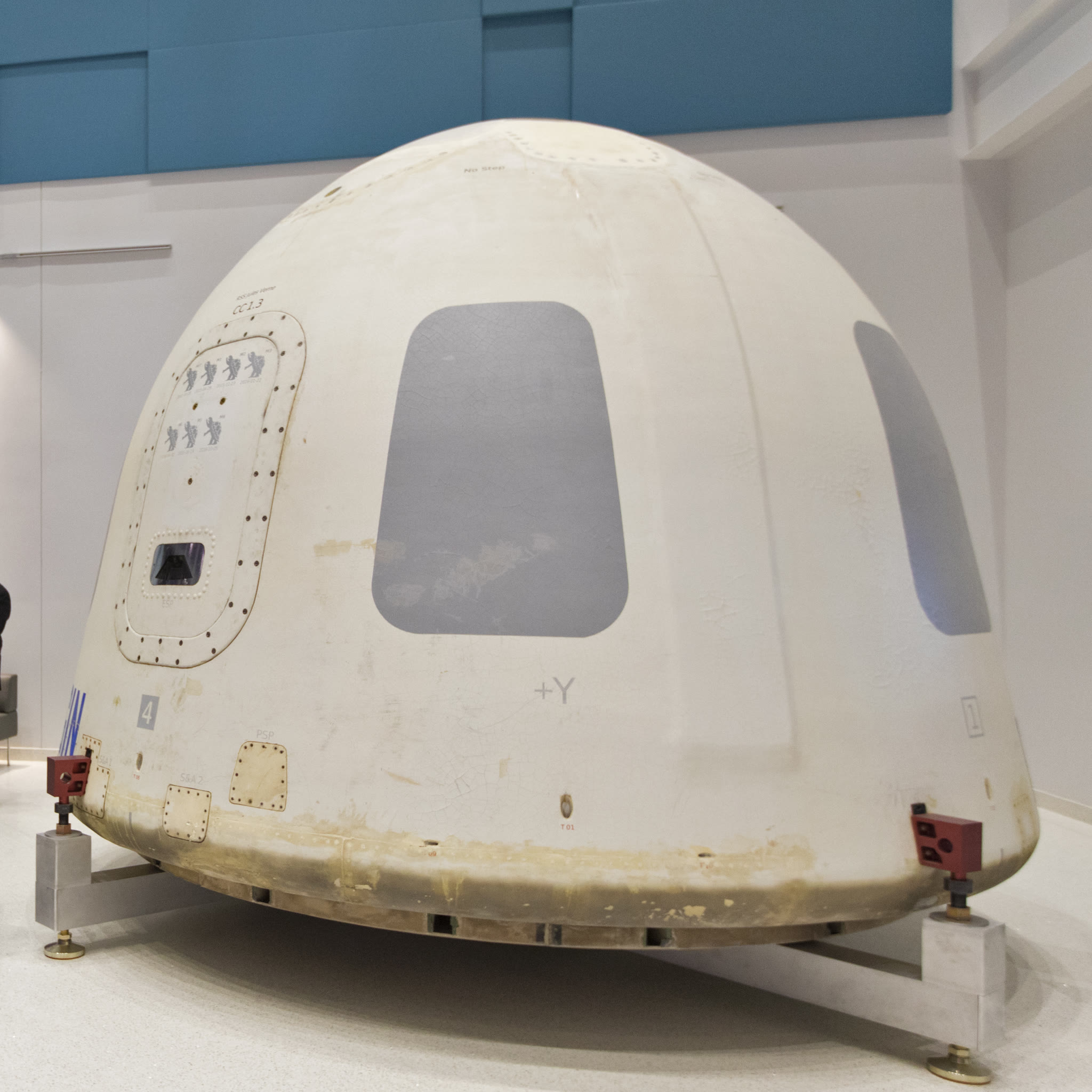
Twenty-two years after SpaceShipOne, the two companies that defined suborbital tourism are both sitting on the ground. Blue Origin parked New Shepard in January, Virgin Galactic has not flown a customer since 2024, and the math behind the whole business is finally getting an honest look.

US military praised for space operations against Iran assessed as jamming or spoofing satellite communications. Electronic warfare effects invisible to orbital tracking data.