


X Report 29 Jan 2025
Key developments include political attention on SpaceX's ISS crew return and competition forecasts between SpaceX and ULA for national security missions.



NORAD ID
61070
International Designator
2024-164W
Epoch
Mon, 20 Jul 2026 03:16:40 GMT
Apogee
Calculating...
Perigee
Calculating...
Inclination
53.16°
Right Ascension
196.06°
Eccentricity
Calculating...
Argument of Perigee
62.49°
Period
94.11 min
Mean Motion
15.30 rev/day
Latitude
Calculating...
Longitude
Calculating...
Altitude
Calculating...
Velocity
Calculating...
Name
STARLINK-32375
Alternative Name
Starlink 32375
Type
Status
Owner
SPXS
Country
United States
Constellation
N/A
Related Satellites
Major Events
N/A
1 61070U 24164W 26201.13658051 .00000915 00000+0 43019-4 0 9996
2 61070 53.1592 196.0639 0001380 62.4865 297.6276 15.30196680103752
Source: Celestrak
Length
0.3
Diameter
4.1
Span
29
Dry Mass
700
Launch Mass
730
Shape
Box + pan
Radar Cross Section
Unknown
Visual Magnitude
Unknown
Color
Unknown
Material Composition
Unknown
Payload
Starlink Group 9-6-21
Purpose
Communication
Mission
Communication
Manufacturer
SPXS
Life Expectancy
Unknown
Bus
Starlink V2M
Configuration
Starlink v2 Mini
Motor
Argon ion thrusters
Equipment
Ku/Ka/E-band payload, optical inter-satellite link
Power System
Solar arrays, batteries
ADCS
Unknown
Transmitter Frequency
Unknown
Learn more about satellites and other related topics.
Key developments include political attention on SpaceX's ISS crew return and competition forecasts between SpaceX and ULA for national security missions.

Today's Space Brief covers reentries, the impact of NOAA dismissals on space weather tracking, a strategic academic partnership probing cosmic mysteries, and a newly unveiled space motto.

Today's brief covers the U.S. Space Force's new international strategy, Northrop Grumman's Golden Dome project, and ULA's Vulcan launches, alongside military budget priorities.
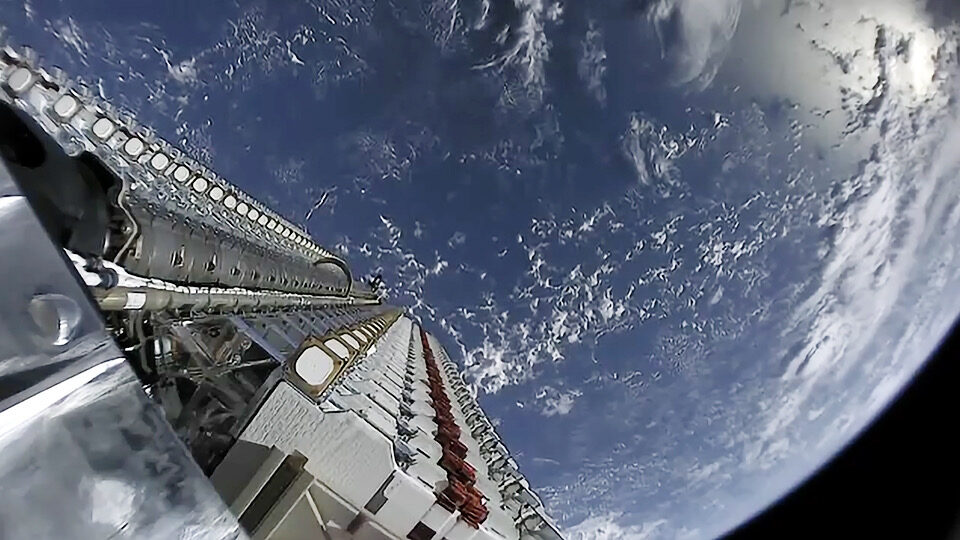
Japan's Hayabusa2 executed a close-range asteroid flyby on July 5 after mission planners initially rejected the approach as too dangerous. Extended mission pushes hardware past design limits.

SpaceX concludes a wet dress rehearsal for Starship Flight 7, aiming for the largest rocket launch on January 15 after weather delays.
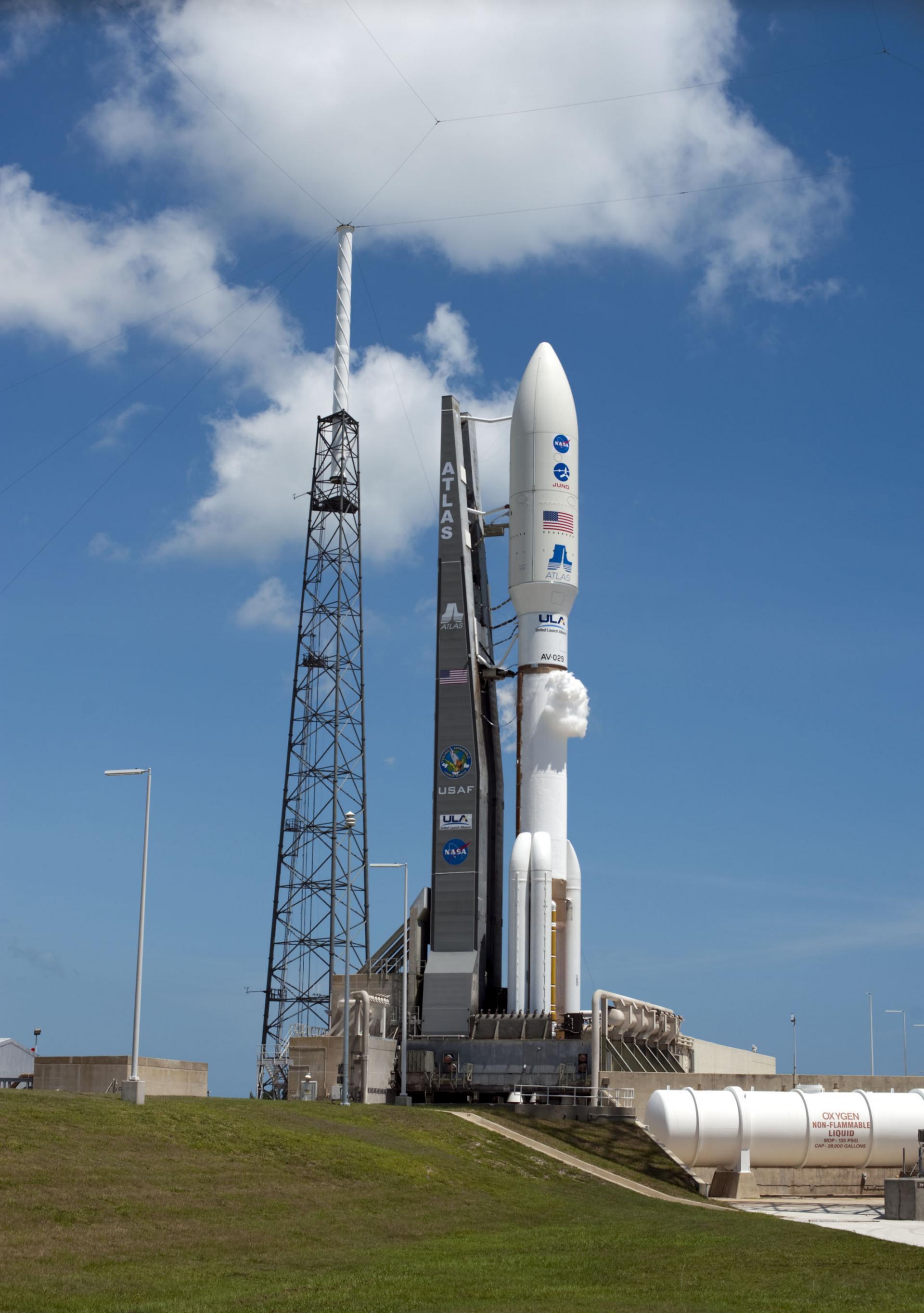
Today's brief covers SpaceX's potential government contract, the future of US Space Command headquarters, an auction record for Neil Armstrong's watch, and the volcanic history of Mars.
Notable space events as the year closes: China's record orbital launches, Vandenberg's new launch site, Rocket Lab's achievements, and urgent MAVEN recovery efforts.
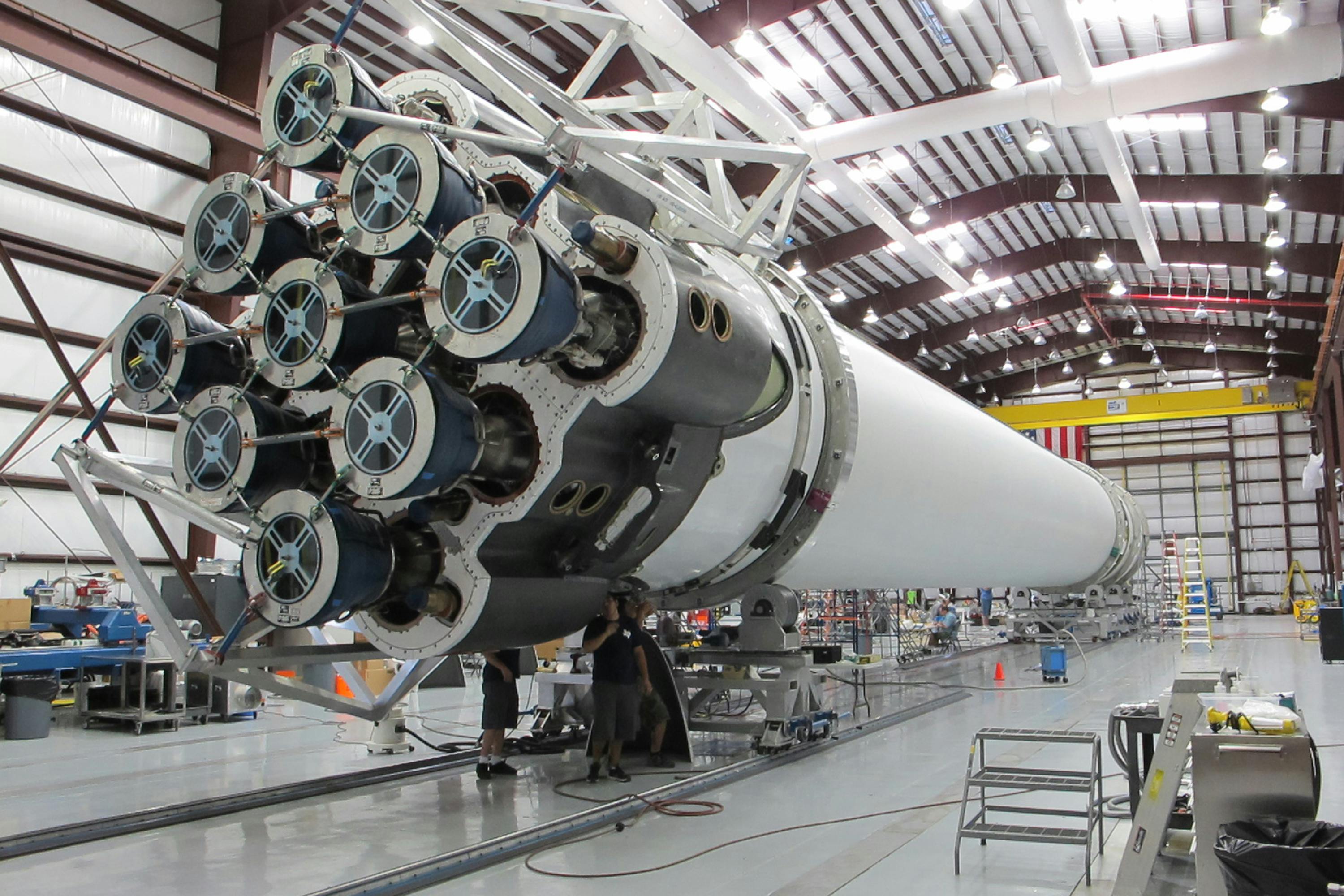
SpaceX faces setbacks with Starship Flight 8 amid debris fallout, achieves regulatory win for smartphone connectivity, and prepares for upcoming ISS missions.