


Space Brief 7 Apr 2025
Today's highlights include new ESA Euclid data, upcoming Blue Origin flight, and multiple Starlink launches, delivering fresh satellite tracking opportunities.


![STARLINK-11270 [DTC] Satellite Image](/images/sat/starlink.jpg)
Launch Date
September 5, 2024
Launch Site
Launch Pad
LC40
Launch Vehicle
NORAD ID
60999
International Designator
2024-158K
Epoch
Sun, 19 Jul 2026 19:17:03 GMT
Apogee
Calculating...
Perigee
Calculating...
Inclination
53.16°
Right Ascension
350.06°
Eccentricity
Calculating...
Argument of Perigee
105.52°
Period
91.73 min
Mean Motion
15.70 rev/day
Latitude
Calculating...
Longitude
Calculating...
Altitude
Calculating...
Velocity
Calculating...
Name
STARLINK-11270 [DTC]
Alternative Name
Starlink 11270
Type
Status
Owner
SPXS
Country
United States
Constellation
N/A
Related Satellites
Major Events
N/A
1 60999U 24158K 26200.80350698 .00137186 00000+0 11169-2 0 9997
2 60999 53.1579 350.0598 0000631 105.5231 254.5857 15.69746607108334
Source: Celestrak
Length
0.3
Diameter
4.1
Span
29
Dry Mass
700
Launch Mass
730
Shape
Box + pan
Radar Cross Section
Unknown
Visual Magnitude
Unknown
Color
Unknown
Material Composition
Unknown
Payload
Starlink Group 8-11-10
Purpose
Communication
Mission
Communication
Manufacturer
SPXS
Life Expectancy
Unknown
Bus
Starlink V2M
Configuration
Starlink v2 Mini
Motor
Argon ion thrusters
Equipment
D2C payload, optical inter-satellite link
Power System
Solar arrays, batteries
ADCS
Unknown
Transmitter Frequency
Unknown
Learn more about satellites and other related topics.
Today's highlights include new ESA Euclid data, upcoming Blue Origin flight, and multiple Starlink launches, delivering fresh satellite tracking opportunities.

Today's brief covers the first astronaut with a disability preparing for the ISS mission, SpaceX’s recent Starlink launch, funding breakthroughs for satellite tech company K2 Space, and updates on the Artemis program's challenges.
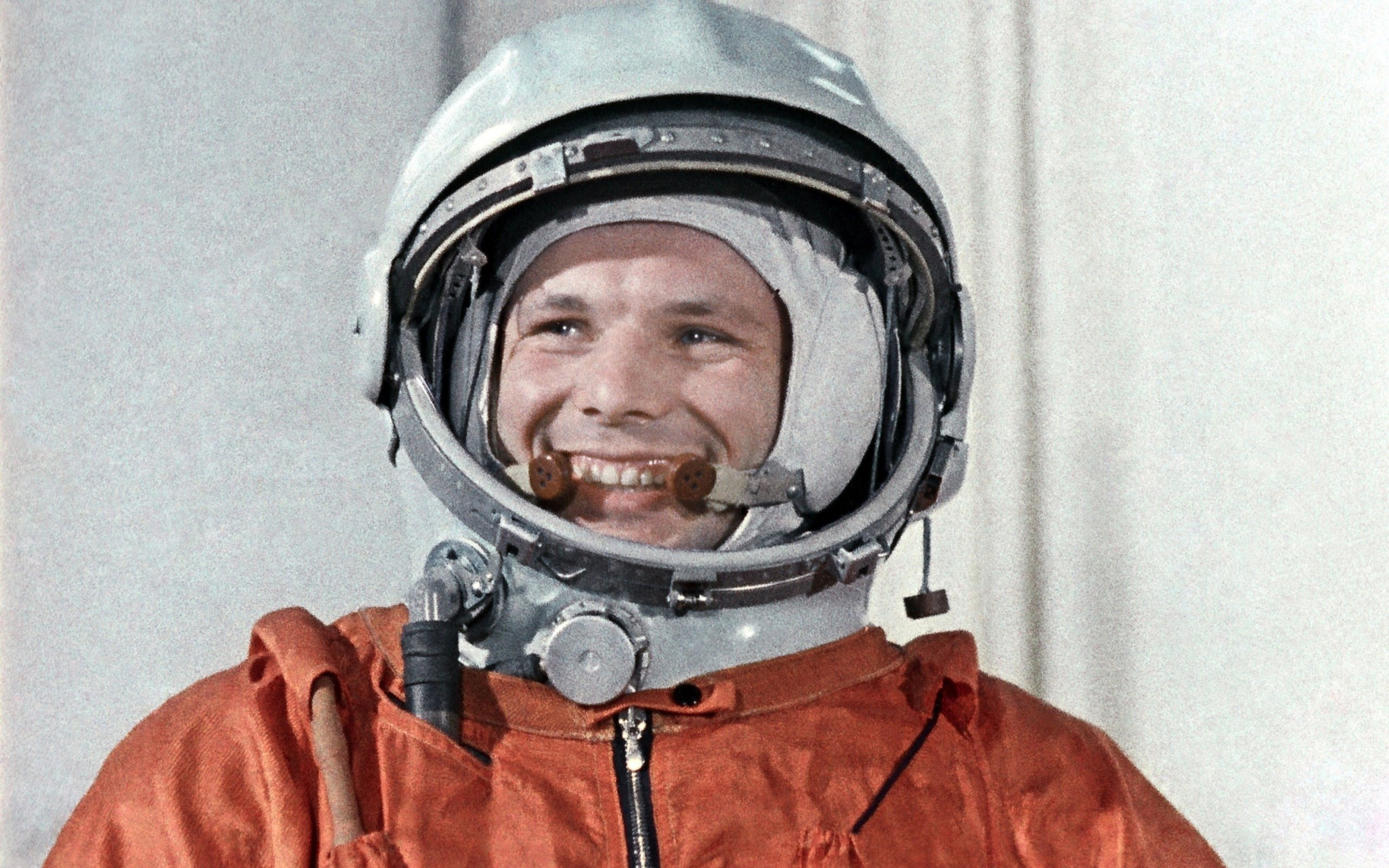
On April 12, 1961, a 27-year-old Soviet pilot rode a modified ICBM into orbit and came back alive after 108 minutes. Exactly twenty years later, two Americans climbed aboard an untested spacecraft covered in 31,000 ceramic tiles and bet their lives that the math was right.
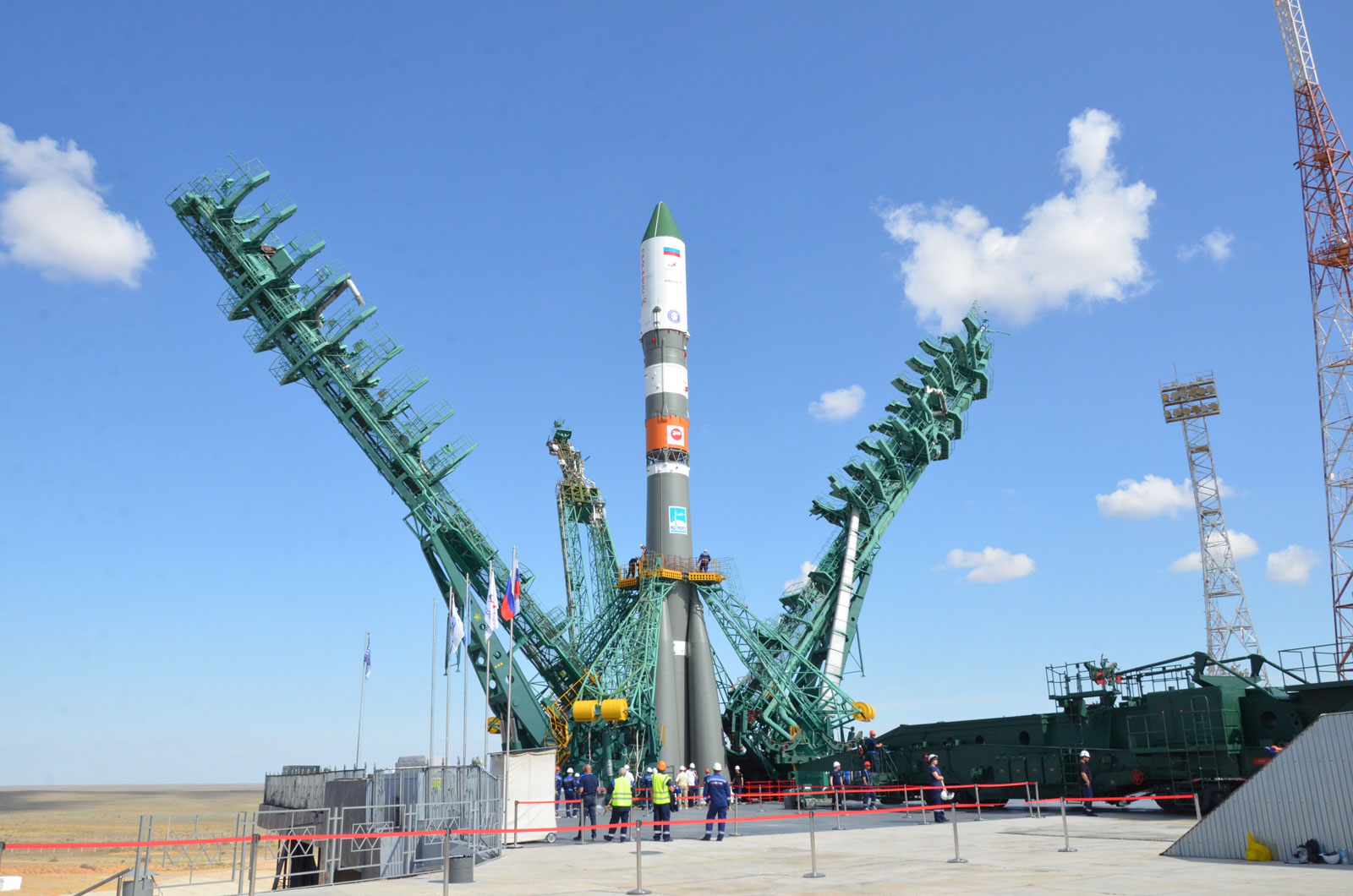
Today's brief covers significant developments in missile defense, military space operations, and upcoming rocket launches. Keep an eye on the evolving Golden Dome program and the advanced capabilities it brings.
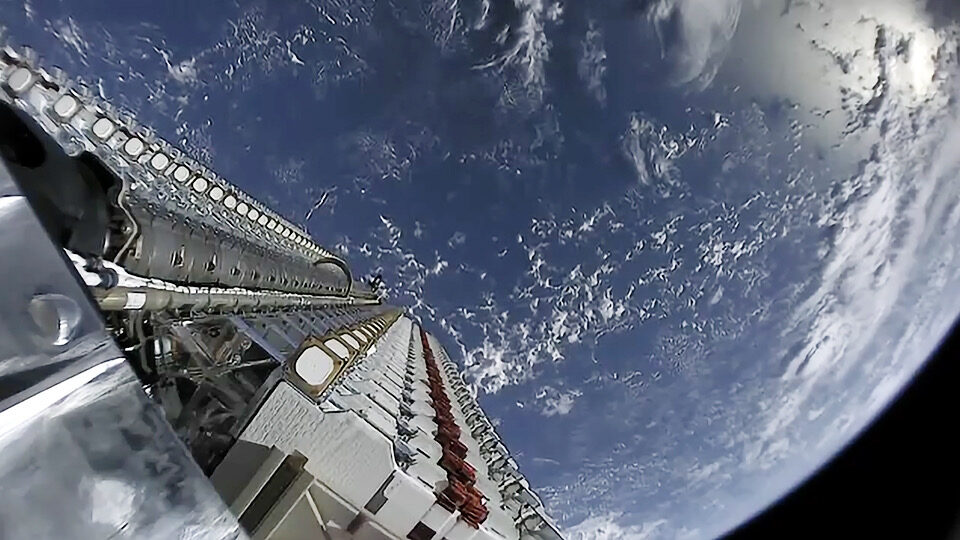
Japan's Hayabusa2 executed a close-range asteroid flyby on July 5 after mission planners initially rejected the approach as too dangerous. Extended mission pushes hardware past design limits.
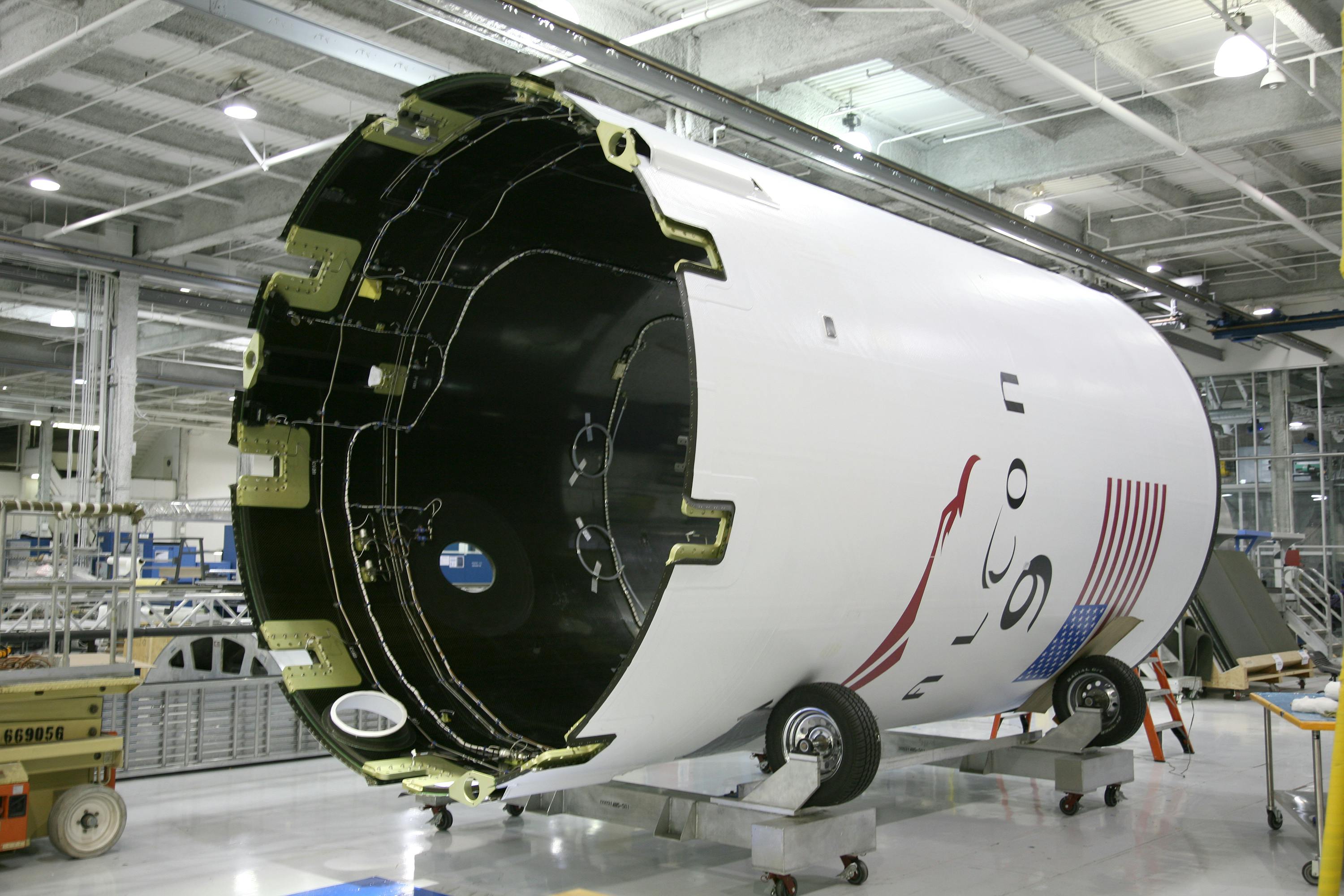
Starship V3's maiden flight is delayed as SpaceX rolls Booster 19 to Pad 2 for Flight 9, while Falcon 9 completes its 30th mission of 2026.

SpaceX successfully launches 28 Starlink satellites on a new Falcon 9 rocket from California, marking a significant milestone for their satellite constellation.
Space Force terminated its $1.7B SCAR ground antenna modernization contract and is relaunching competition. Delays extend reliance on aging legacy systems for MEO and GEO satellite command.