

X Report 19 Dec 2025
A partial breakup incident involving a Starlink satellite raised concerns, while SpaceX continued its ambitious projects and launches.


Launch Date
November 20, 1998
Launch Site
Launch Pad
LC40
Launch Vehicle
NORAD ID
60956
International Designator
1998-067WW
Decay Date
11/14/2024
Name
BINAR-2
Alternative Name
Binar-2
Type
Status
Owner
CURTIN
Country
Australia
Constellation
N/A
Related Satellites
Major Events
N/A
Length
0.1
Diameter
0.1
Span
0.3
Dry Mass
1
Launch Mass
1
Shape
Box+ 2 pan
Radar Cross Section
Unknown
Visual Magnitude
Unknown
Color
Unknown
Material Composition
Unknown
Payload
Binar-2
Purpose
Technology
Mission
Technology
Manufacturer
CURTIN
Life Expectancy
1 year
Bus
Cubesat 1U
Configuration
CubeSat (1U)
Motor
None
Equipment
Unknown
Power System
Solar cells, batteries
ADCS
Unknown
Transmitter Frequency
Unknown
Learn more about satellites and other related topics.
A partial breakup incident involving a Starlink satellite raised concerns, while SpaceX continued its ambitious projects and launches.

Today's brief covers significant advancements in national security space launches, ongoing rocket developments, and critical updates from the space industry.
Today's highlights include a record-breaking high-altitude image of the sun, SpaceX's latest Starlink satellite launch, and various military developments. Stay informed with detailed updates on launches, reentries, and the latest advancements in drone technology.

Discover the latest developments in hypersonic missile production, defense innovation strategies, and satellite infrastructure resilience impacting military operations.
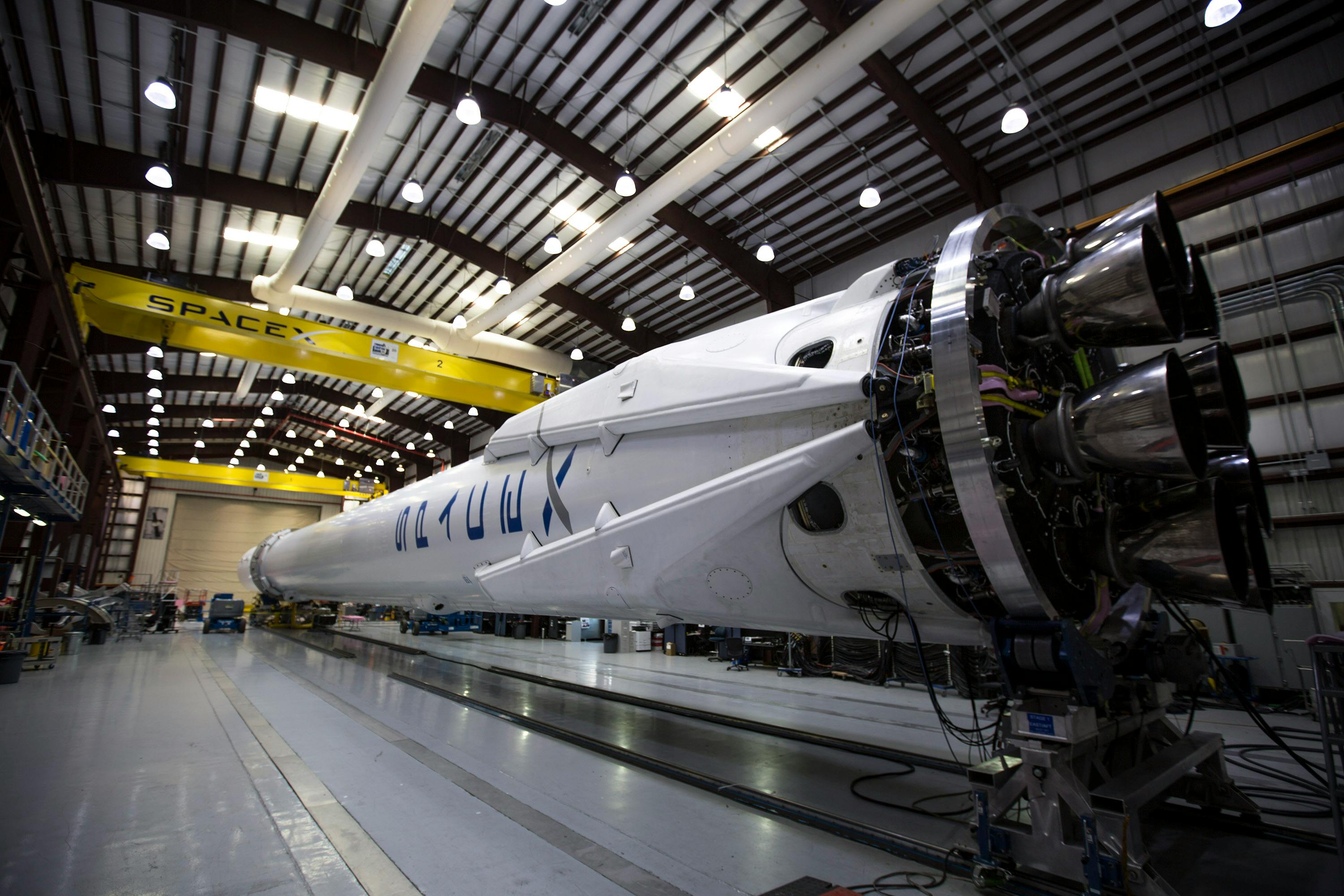
SpaceX's Falcon 9 launches Northrop Grumman's Cygnus NG-24 to the ISS carrying 11,000 lbs of critical cargo this weekend.

SpaceX continues to make strides with multiple launches, including 28 Starlink satellites and NASA's IMAP mission, highlighting its ongoing role in advancing space weather research.
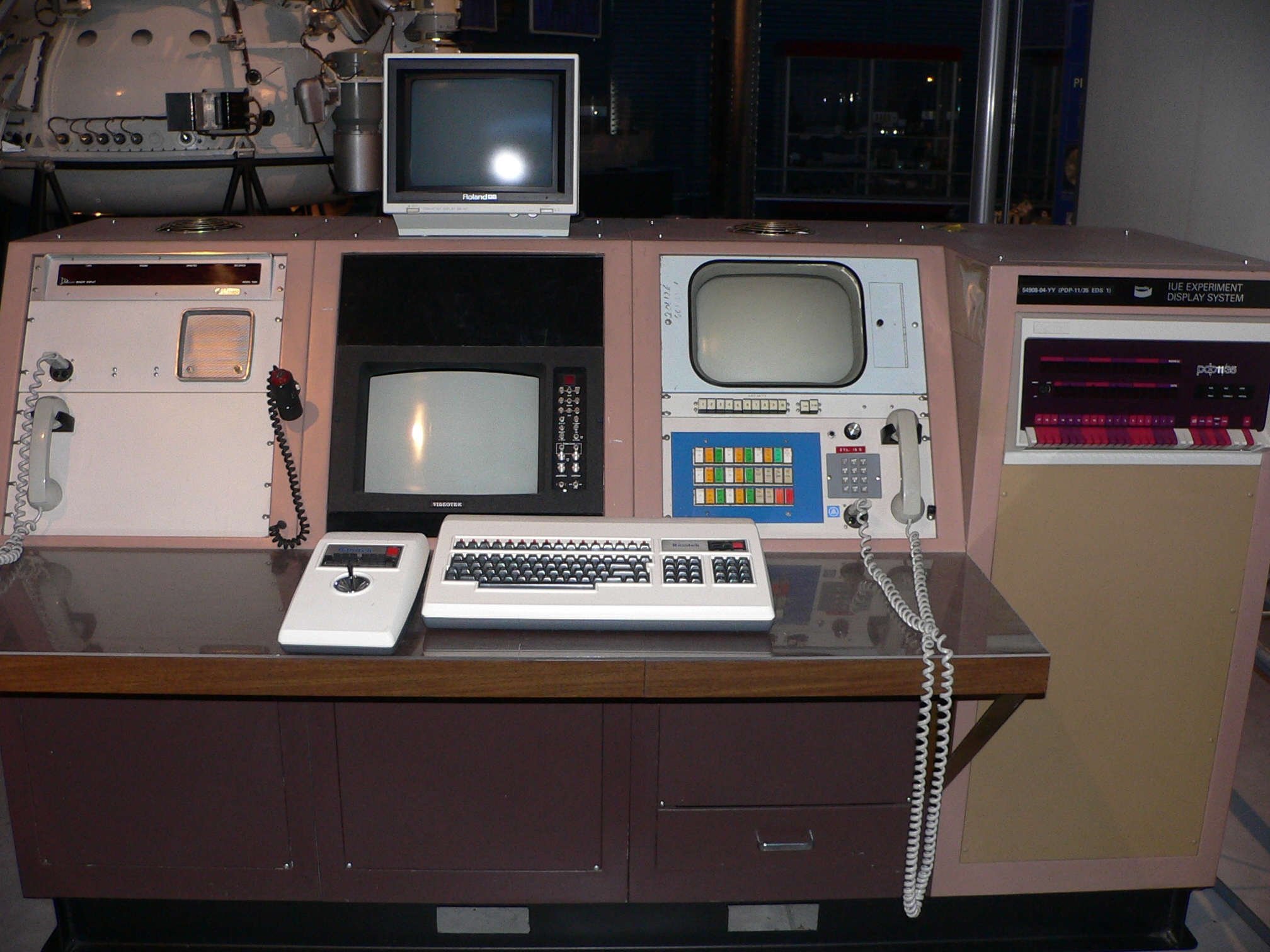
Forty-seven years ago, a revolutionary space telescope changed our view of the cosmos, pioneering international cooperation in space-based astronomy

Thirty-five years ago, Voyager 1 captured a revolutionary series of images from the edge of our solar system, forever changing how humanity sees its place in the cosmos