


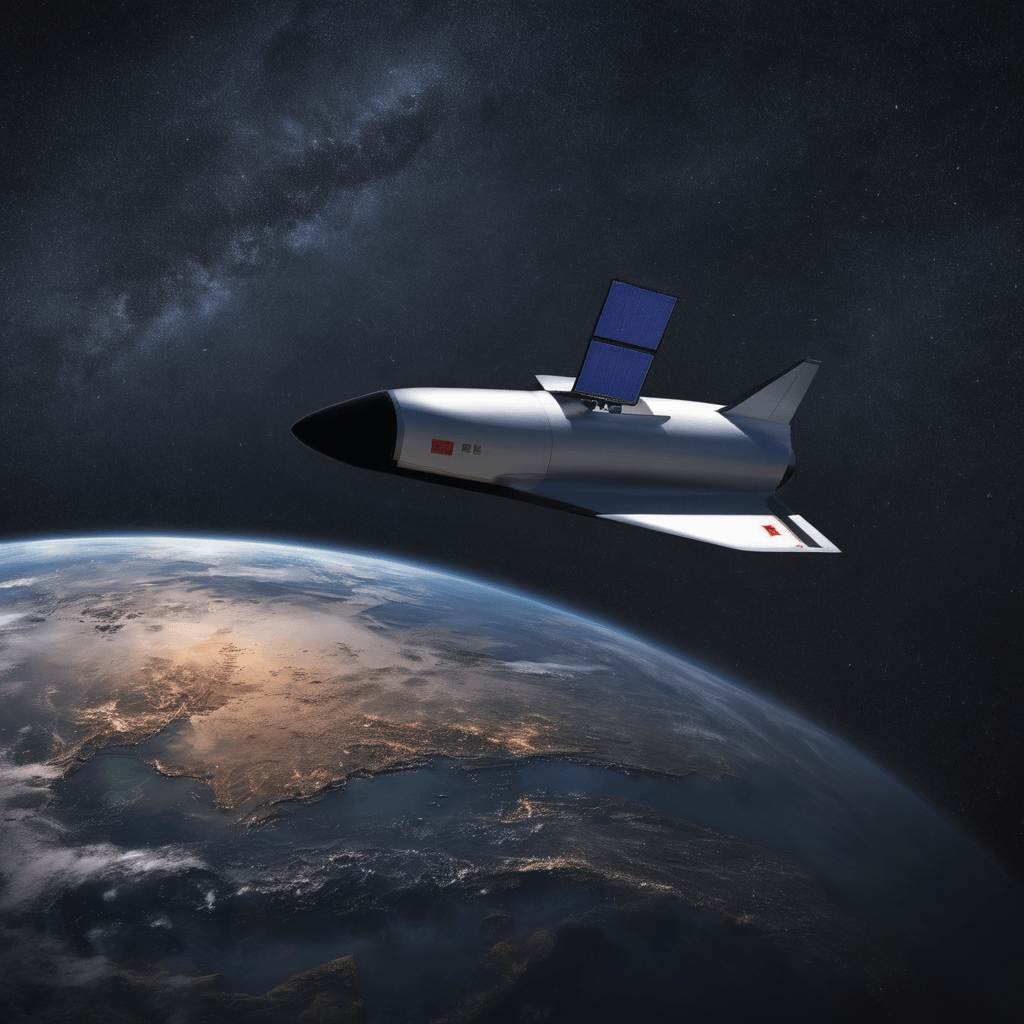
China's Shenlong Deploys Six Objects
Details on China's current Shenlong spaceplane mission and its recent deployment of six objects.


![STARLINK-11271 [DTC] Satellite Image](/images/sat/starlink.jpg)
Launch Date
August 31, 2024
Launch Site
Launch Pad
LC40
Launch Vehicle
NORAD ID
60915
International Designator
2024-154N
Epoch
Mon, 20 Jul 2026 10:02:05 GMT
Apogee
Calculating...
Perigee
Calculating...
Inclination
53.16°
Right Ascension
196.75°
Eccentricity
Calculating...
Argument of Perigee
94.45°
Period
91.74 min
Mean Motion
15.70 rev/day
Latitude
Calculating...
Longitude
Calculating...
Altitude
Calculating...
Velocity
Calculating...
Name
STARLINK-11271 [DTC]
Alternative Name
Starlink 11271
Type
Status
Owner
SPXS
Country
United States
Constellation
N/A
Related Satellites
Major Events
N/A
1 60915U 24154N 26201.41812213 .00000308 00000+0 74007-5 0 9993
2 60915 53.1601 196.7541 0001262 94.4540 265.6622 15.69710775109354
Source: Celestrak
Length
0.3
Diameter
4.1
Span
29
Dry Mass
700
Launch Mass
730
Shape
Box + pan
Radar Cross Section
Unknown
Visual Magnitude
Unknown
Color
Unknown
Material Composition
Unknown
Payload
Starlink Group 8-10-13
Purpose
Communication
Mission
Communication
Manufacturer
SPXS
Life Expectancy
Unknown
Bus
Starlink V2M
Configuration
Starlink v2 Mini
Motor
Argon ion thrusters
Equipment
D2C payload, optical inter-satellite link
Power System
Solar arrays, batteries
ADCS
Unknown
Transmitter Frequency
Unknown
Learn more about satellites and other related topics.
Details on China's current Shenlong spaceplane mission and its recent deployment of six objects.
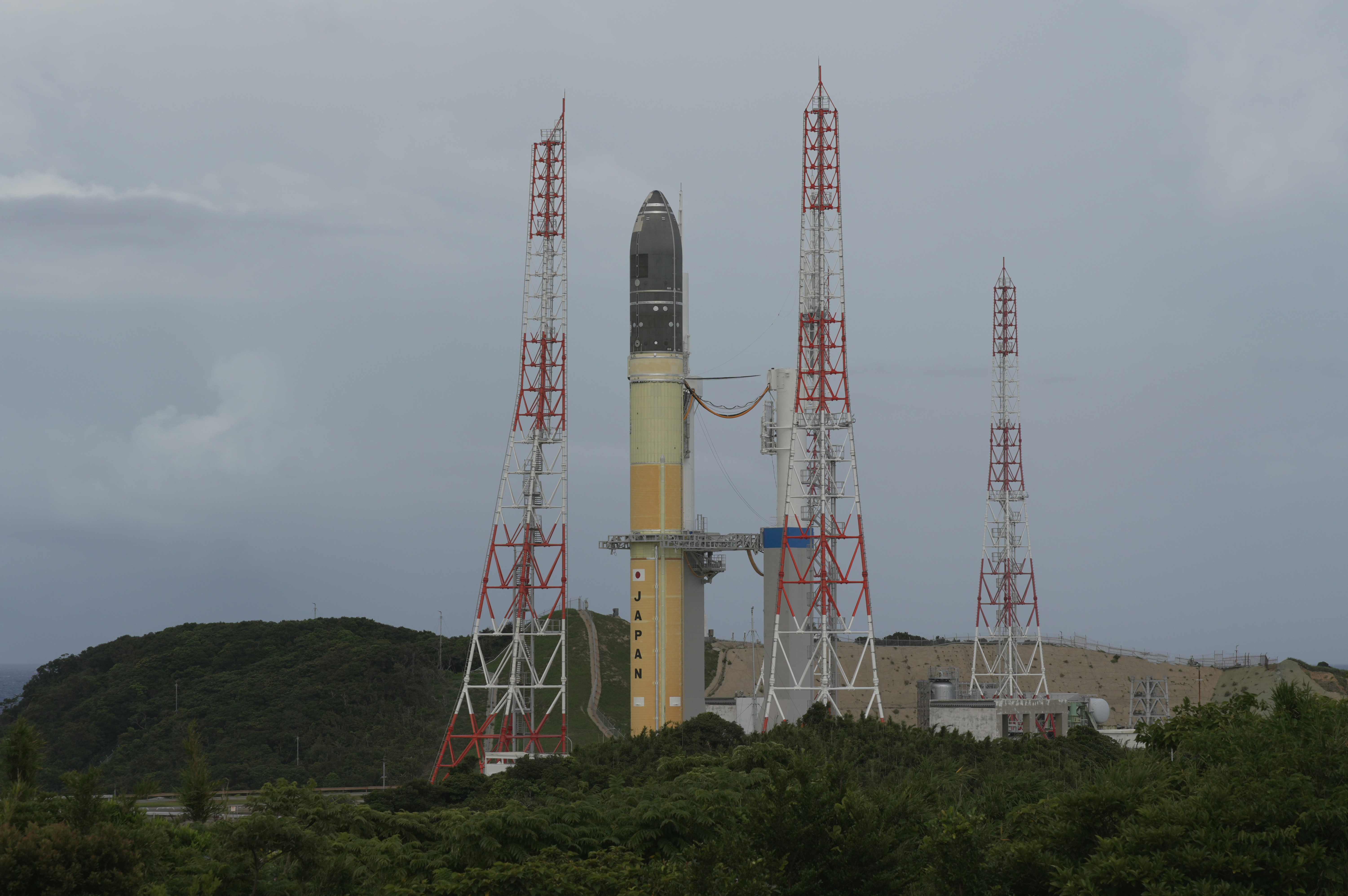
NASA demands Blue Origin find alternate launcher for Artemis moon landers after New Glenn test explosion damaged Cape Canaveral LC-36. Schedule risk to lunar missions.
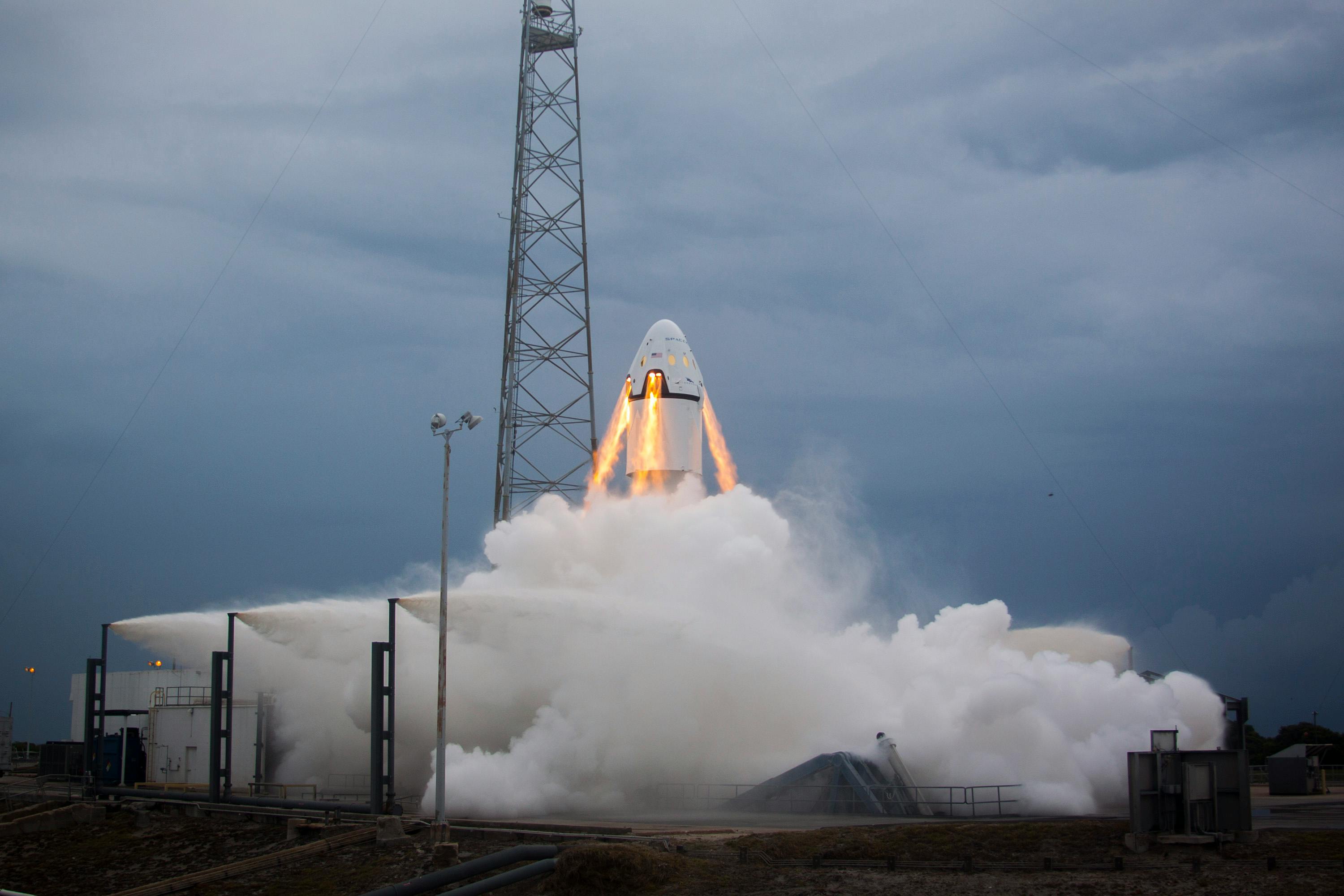
SpaceX gears up for its 11th Starship test flight, while Starlink expands connectivity through partnerships with T-Mobile, enhancing app functionality beyond cellular coverage.
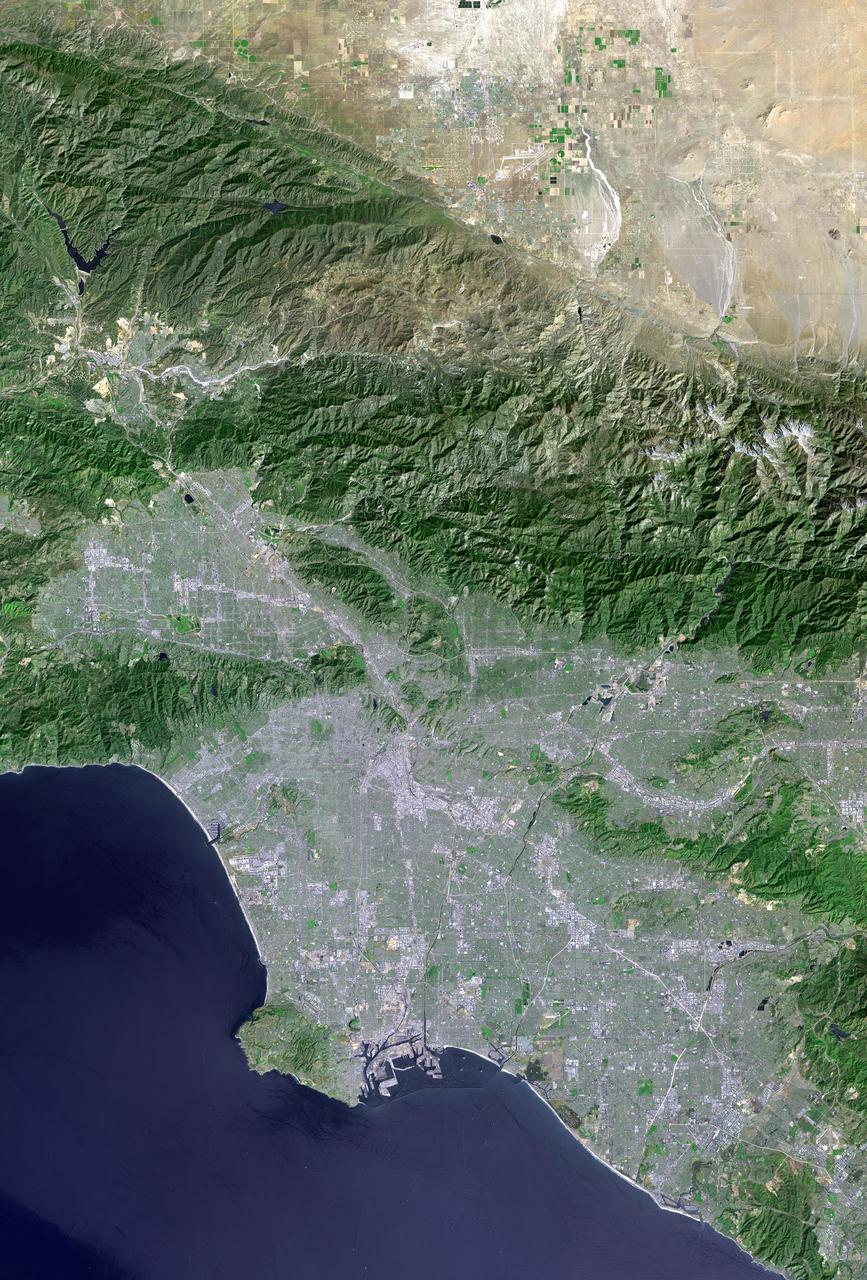
Landsat 7 launched on April 15, 1999, designed to last five years. It operated for twenty-five, survived a failure that destroyed a fifth of every image it took, and became part of the longest continuous record of Earth's surface ever assembled. Then they made the data free.
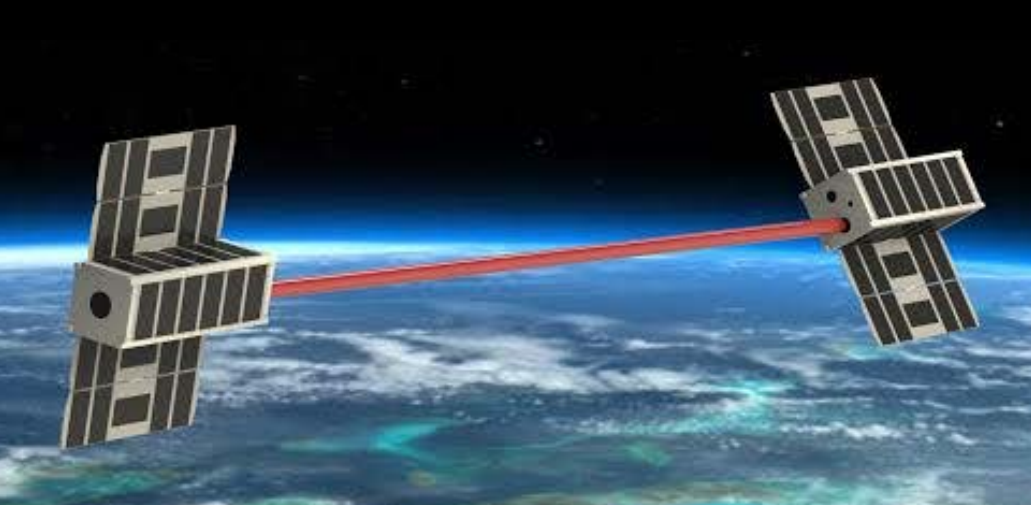
The satellite industry's biggest operators are betting on multi-orbit architectures that combine LEO, MEO, and GEO into unified networks. A San Francisco startup called Contrivian thinks they've overcomplicated the problem, and the physics might be on its side.

Explore today's key space events including China's satellite launch, ULA's Vulcan rocket preparations, significant budget bills from Congress, and discussions on lunar business prospects.

Today's Space Brief brings updates on the U.S. Space Force's upcoming missions, in-space technology strategies, the challenges faced by new launchers, and advancements in satellite communication.

ESA-China SMILE spacecraft successfully launched from Kourou to image Earth's magnetosphere. First continuous global views of solar wind interaction now in orbit.