


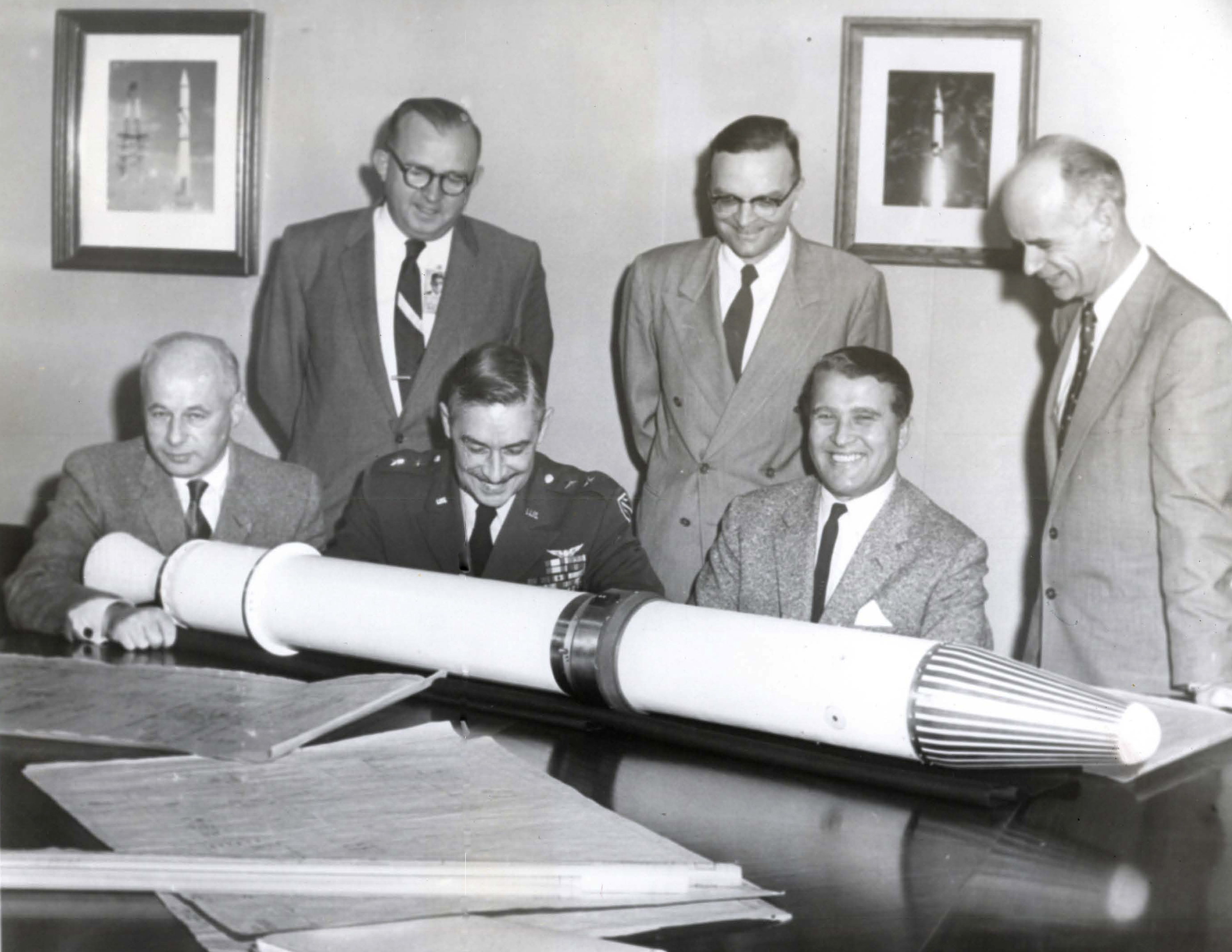
The Day America Entered the Space Age
Sixty-seven years ago, a slender rocket carried America's first satellite into orbit, discovering a mysterious feature of our planet that would change our understanding of space forever


Launch Date
August 16, 2024
Launch Site
Vandenberg Space Force Base
Launch Pad
SLC-4E
Launch Vehicle
NORAD ID
60550
International Designator
2024-149CL
Epoch
Sun, 19 Jul 2026 18:06:21 GMT
Apogee
Calculating...
Perigee
Calculating...
Inclination
97.67°
Right Ascension
276.11°
Eccentricity
Calculating...
Argument of Perigee
339.36°
Period
96.12 min
Mean Motion
14.98 rev/day
Latitude
Calculating...
Longitude
Calculating...
Altitude
Calculating...
Velocity
Calculating...
Name
Sateliot_1
Alternative Name
Sateliot-1
Type
Status
Owner
Sateliot
Country
Spain
Constellation
Sateliot_X
Related Satellites
Major Events
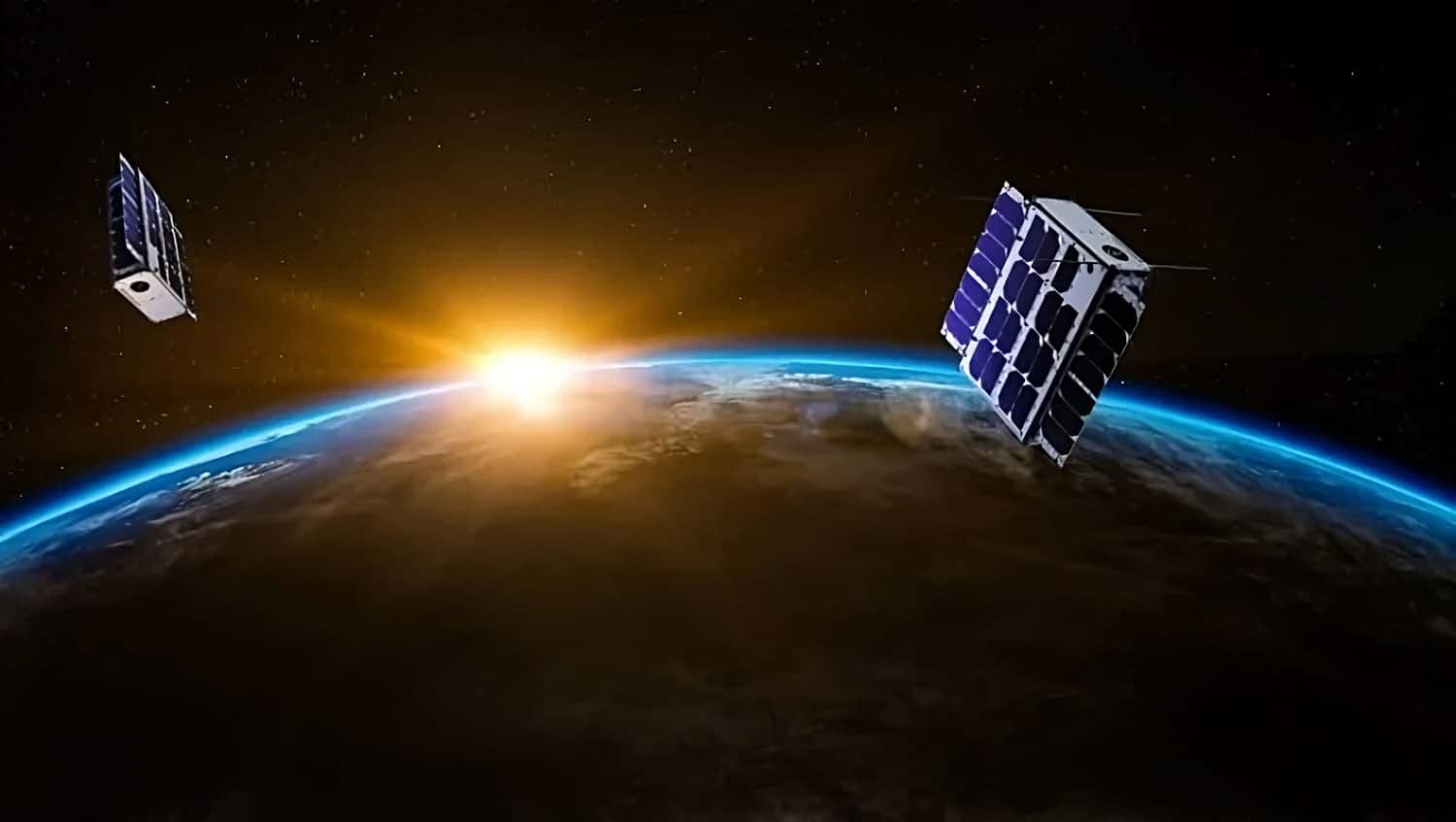
Launched on August 16, 2024, as part of Sateliot's plan to establish a constellation of nanosatellites for global IoT connectivity.
1 60550U 24149CL 26200.75442068 .00001337 00000+0 11763-3 0 9996
2 60550 97.6735 276.1100 0005158 339.3590 20.7424 14.98174360104943
Source: Celestrak
Length
0.3
Diameter
0.2
Span
0.4
Dry Mass
7.407
Launch Mass
7.407
Shape
Box with deployable solar panels
Radar Cross Section
0.1
Visual Magnitude
6.5
Color
Silver with blue solar panels
Material Composition
Aluminum alloy structure with composite materials
Payload
5G NB-IoT communication module
Purpose
Communication
Mission
The mission aims to extend 5G NB-IoT connectivity globally, particularly in areas lacking terrestrial coverage, by integrating satellite and terrestrial networks under the 3GPP standard.
Manufacturer
Alén Space
Life Expectancy
5 years
Bus
CubeSat 6U
Configuration
CubeSat (6U)
Motor
None
Equipment
The satellite is equipped with a regenerative payload compliant with 3GPP NB-IoT NTN protocols, enabling it to function as a space-based mobile tower for IoT connectivity.
Power System
Solar cells and batteries
ADCS
3-axis stabilization
Transmitter Frequency
The satellite operates in the L-band (uplink: 1626.5-1660.5 MHz) and S-band (downlink: 1525-1559 MHz) frequencies, as per 3GPP NB-IoT NTN standards.
Learn more about satellites and other related topics.
Sixty-seven years ago, a slender rocket carried America's first satellite into orbit, discovering a mysterious feature of our planet that would change our understanding of space forever

SpaceX awarded $2.29 billion to build Space Force's LEO communications backbone, integrating with SDA Transport layer satellites for military tactical data relay through space.

China hits record 92 orbital launches in 2025. Vandenberg opens new launch site for providers. Former ULA CEO Tory Bruno joins Blue Origin for national security projects.
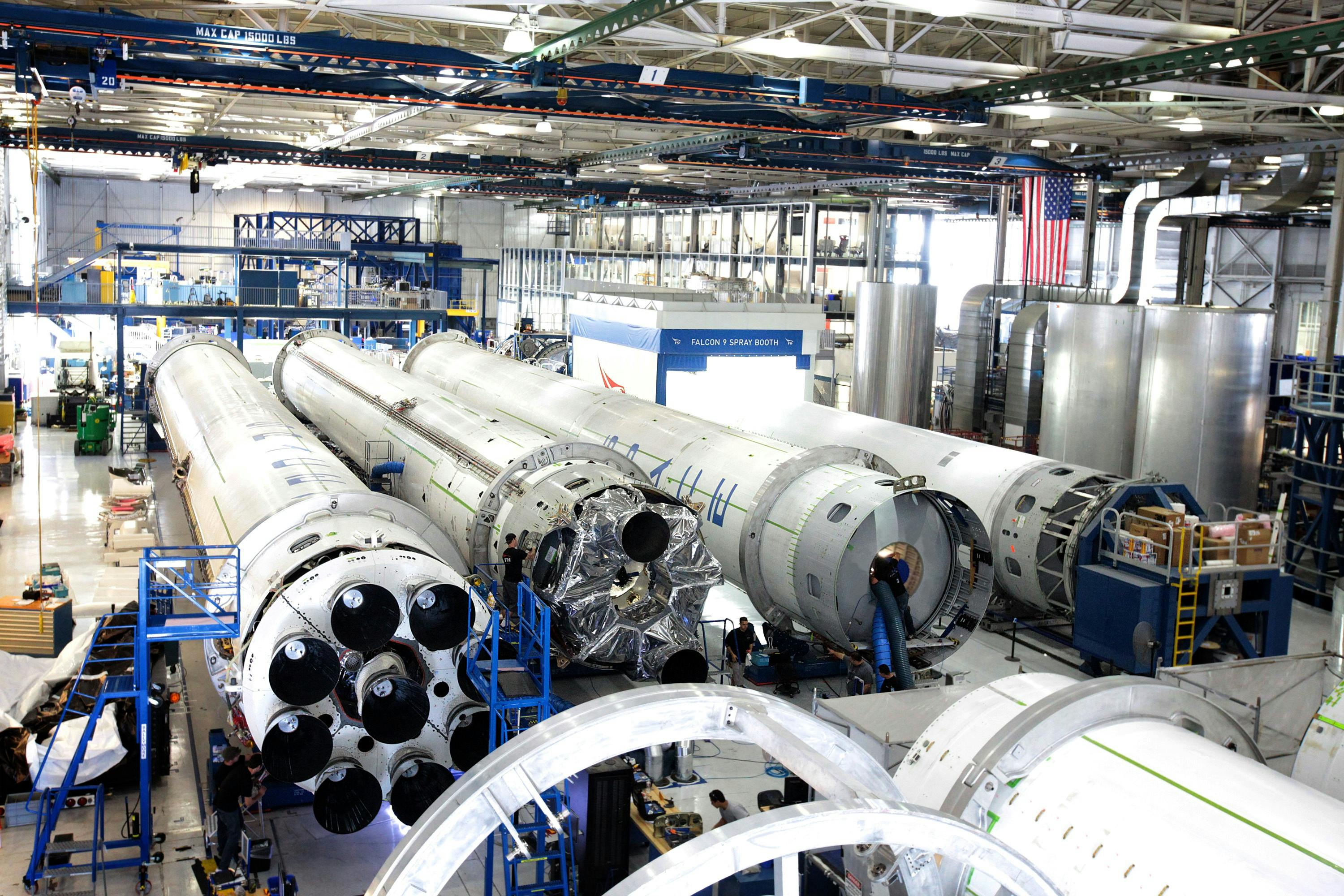
SpaceX achieves a new milestone with a Falcon 9 landing near The Bahamas, closely following Rocket Lab's successful satellite launch.

Congress passes FY2026 spending bill reinstating NASA funding. Slingshot Aerospace wins $27M Space Force contract for AI satellite training. Portal Space selects Atomic-6 debris shield for 2026 mission.
Today's updates focus on significant developments in U.S. national security space launches, Army space training, potential shifts in satellite procurement strategies, and the Meteor 2-21 satellite.
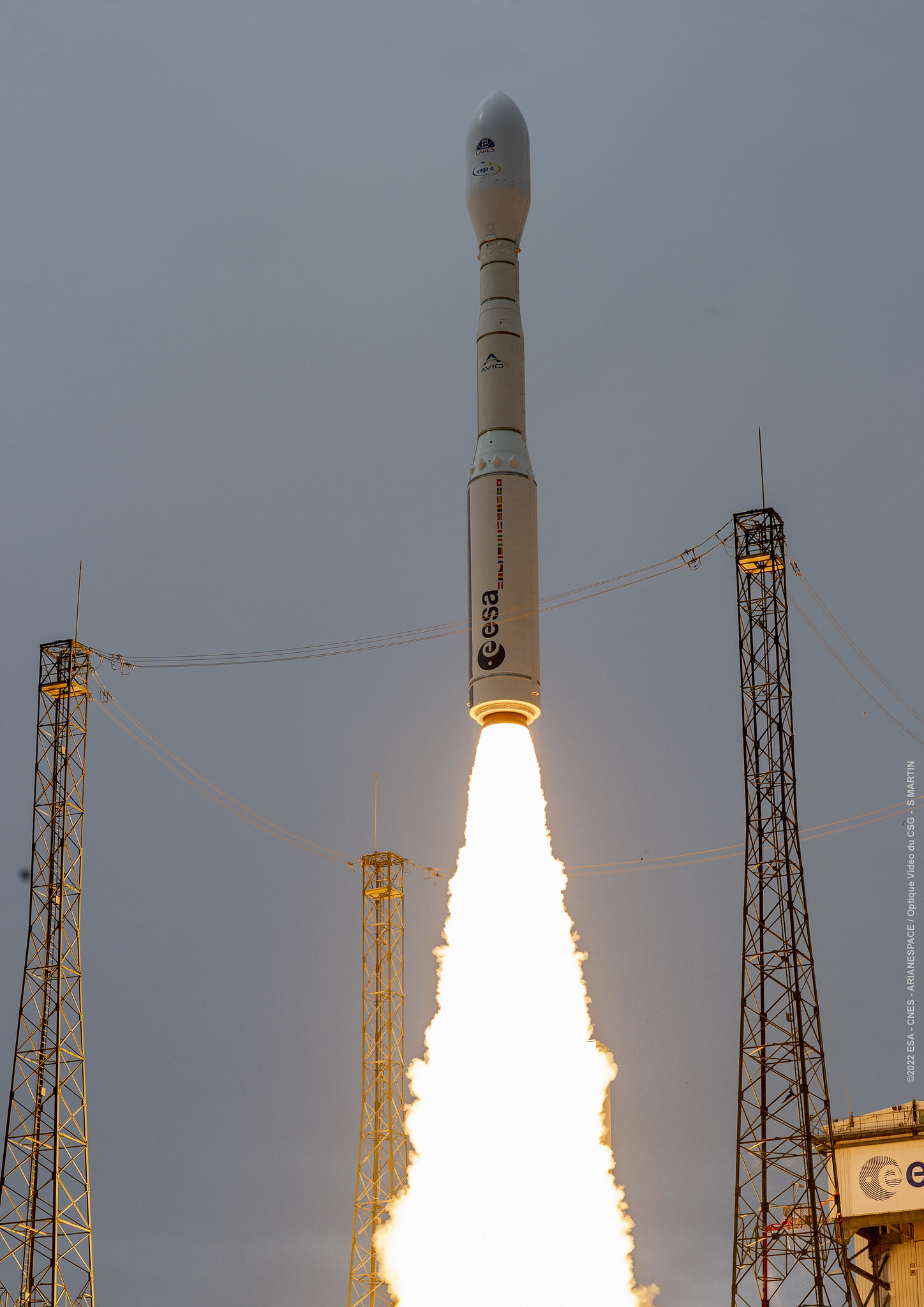
Highlights include significant advances in satellite refueling experiments, a key design milestone for missile defense, and a feature on the satellite Cosmos 2246.
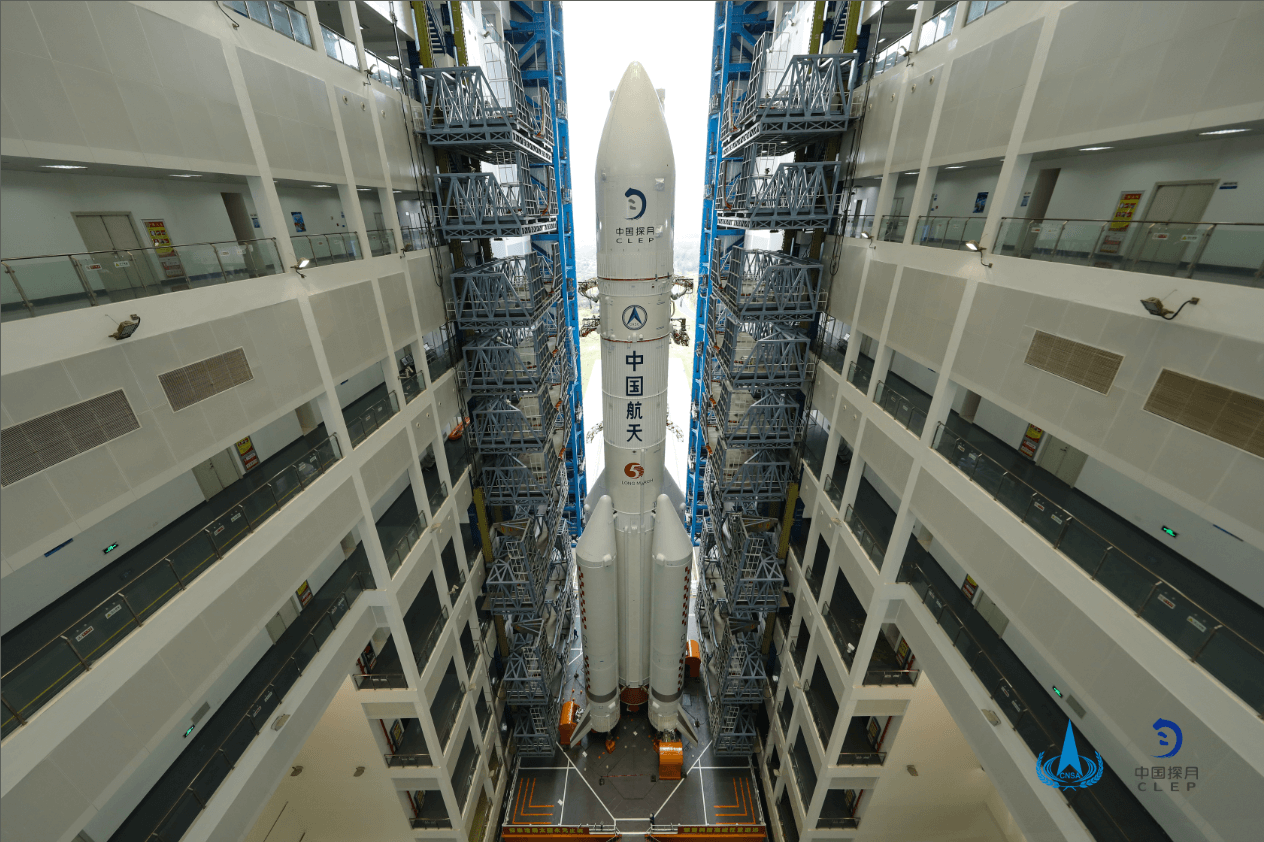
NASA concludes MAVEN mission after six months attempting to restore contact with Mars probe. Meanwhile, Falcon 9 booster flies record 35th flight on Starlink 10-35 mission.