


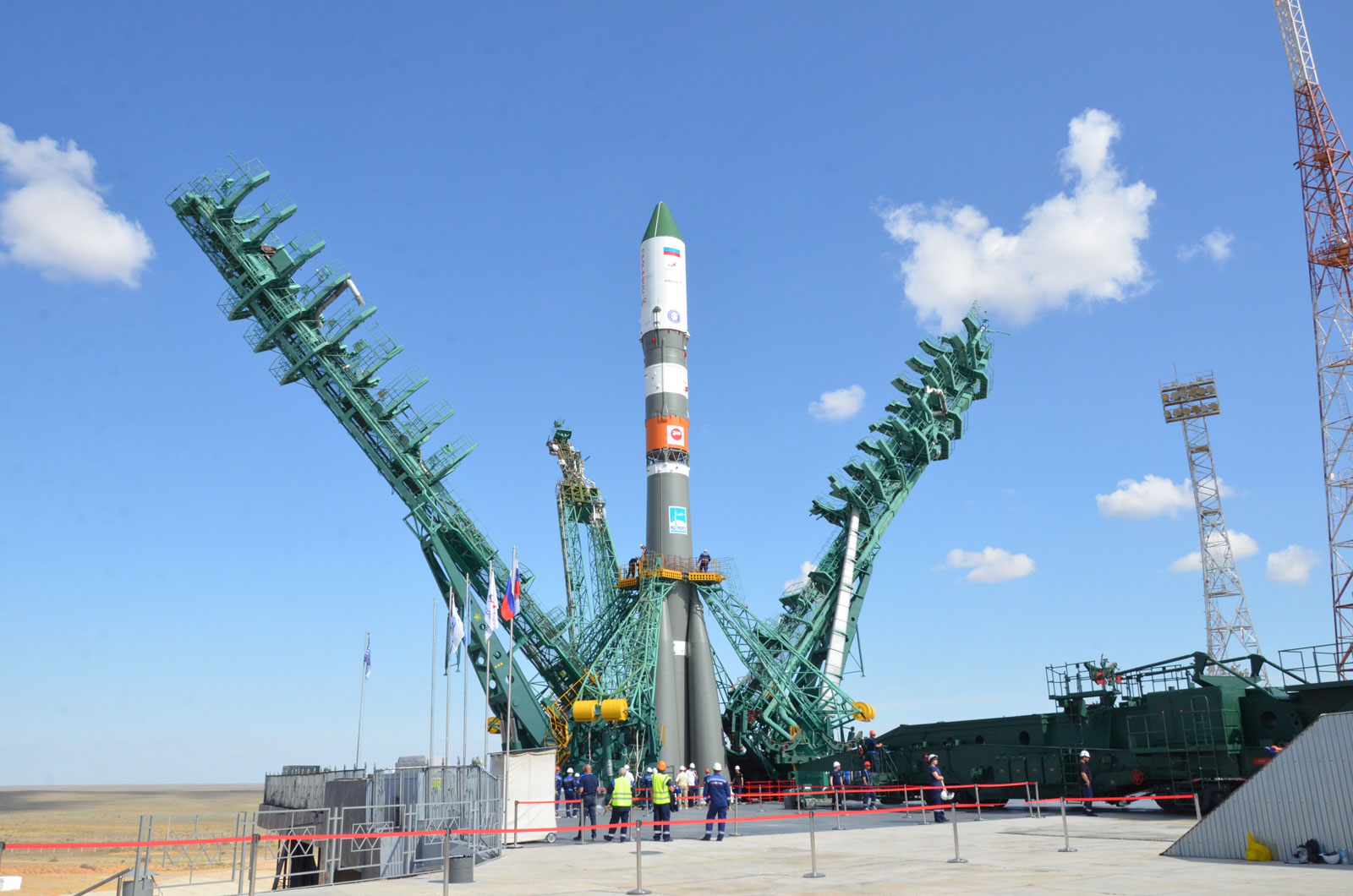
Space Brief 8 Aug 2025
Today's brief highlights significant shifts in military space spending due to the Golden Dome program, the U.S. Space Force's advancements in tactical satellite communications, and NASA's race to nuclear power in space.


NORAD ID
60544
International Designator
2024-149CE
Epoch
Sun, 19 Jul 2026 18:34:01 GMT
Apogee
Calculating...
Perigee
Calculating...
Inclination
97.68°
Right Ascension
272.86°
Eccentricity
Calculating...
Argument of Perigee
321.43°
Period
96.49 min
Mean Motion
14.92 rev/day
Latitude
Calculating...
Longitude
Calculating...
Altitude
Calculating...
Velocity
Calculating...
Name
CAPELLA-15 (ACADIA-5)
Alternative Name
Capella 15
Type
Status
Owner
CAPSP
Country
United States
Constellation
N/A
Related Satellites
Major Events
N/A
1 60544U 24149CE 26200.77362860 .00001468 00000+0 14885-3 0 9995
2 60544 97.6759 272.8602 0003051 321.4338 38.6663 14.92381862104713
Source: Celestrak
Length
0.5
Diameter
0.3
Span
3.5
Dry Mass
150
Launch Mass
180
Shape
Box+ pan + Dish+boom
Radar Cross Section
Unknown
Visual Magnitude
Unknown
Color
Unknown
Material Composition
Unknown
Payload
Acadia 5
Purpose
Earth observation, radar
Mission
Earth observation, radar
Manufacturer
CAPSP
Life Expectancy
Unknown
Bus
Acadia
Configuration
Unknown
Motor
None
Equipment
X-band SAR
Power System
Solar cells, batteries
ADCS
Unknown
Transmitter Frequency
Unknown
Learn more about satellites and other related topics.
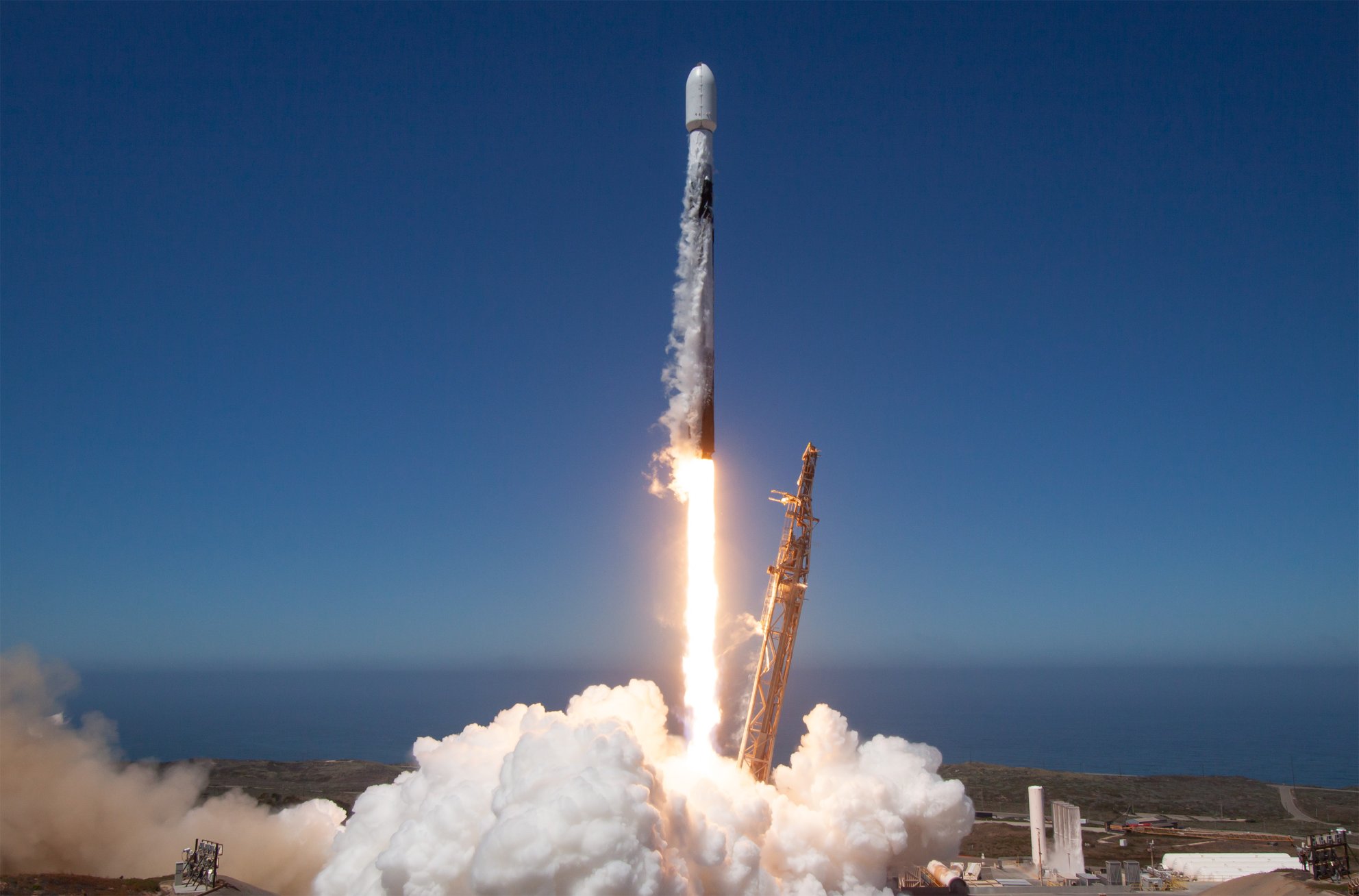
Today's brief highlights significant shifts in military space spending due to the Golden Dome program, the U.S. Space Force's advancements in tactical satellite communications, and NASA's race to nuclear power in space.

SpaceX receives FAA approval for its 10th Starship test flight scheduled for August 24, while also making strides in construction at the Cape and contesting broadband funding in Virginia.
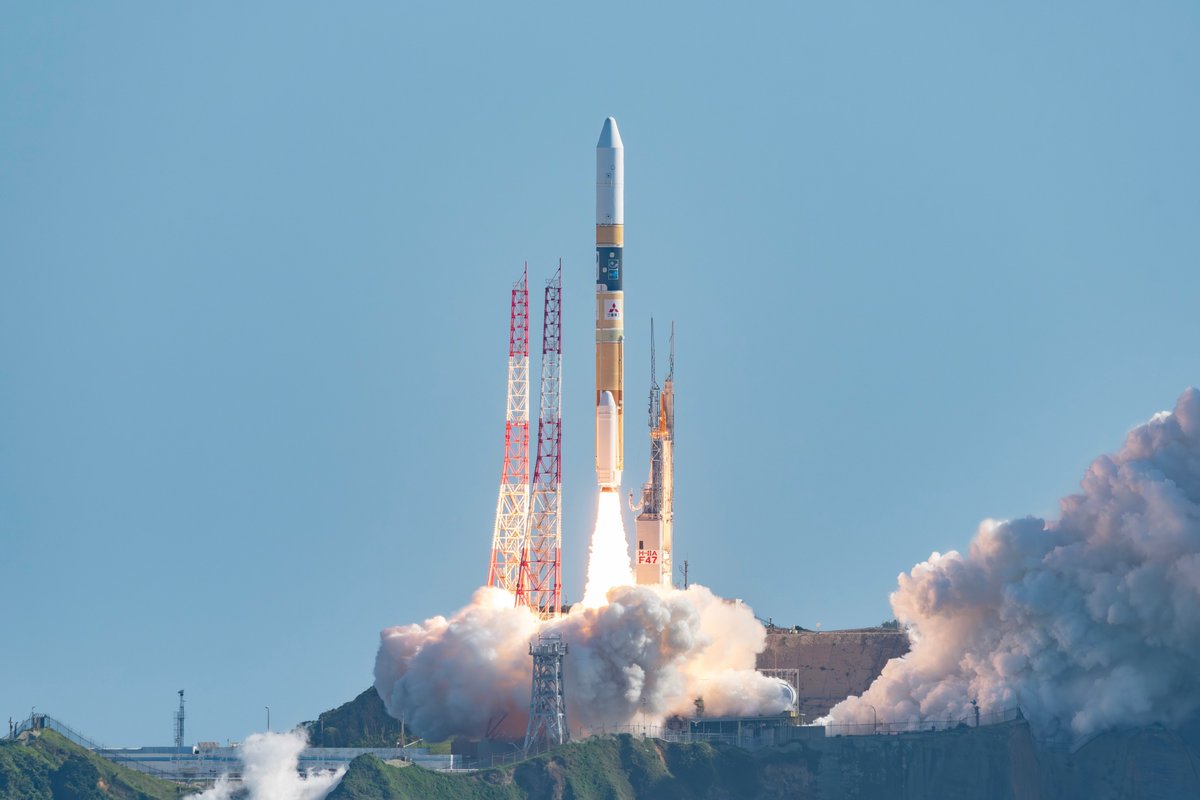
Today's update covers NASA's Ax-4 mission preparations, ESA's satellite imaging program, Ursa Major's military contract, and China's expanding nuclear arsenal.
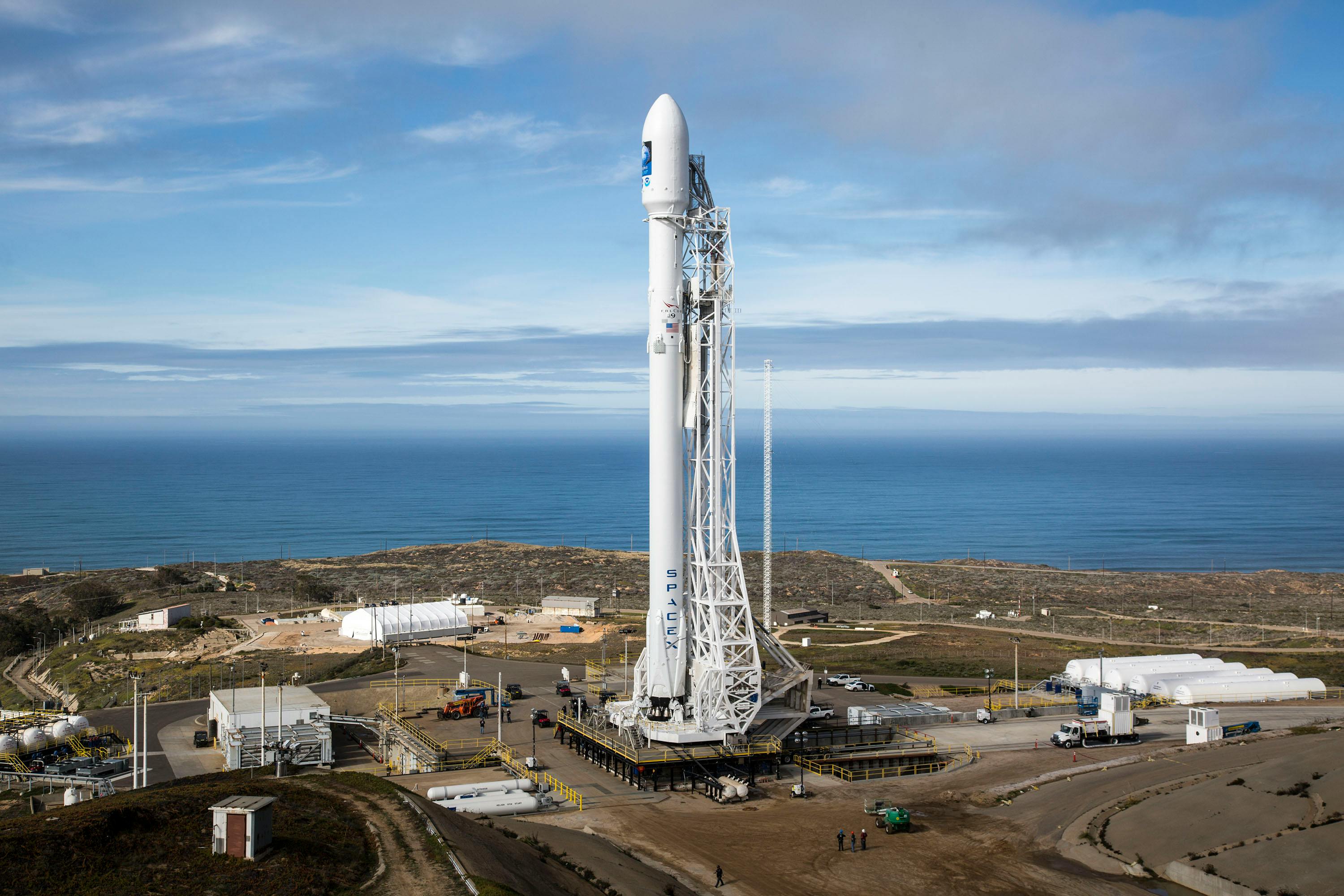
SpaceX successfully launched 28 Starlink satellites aboard a Falcon 9 rocket, marking significant advancements in their deployment and operational capabilities.
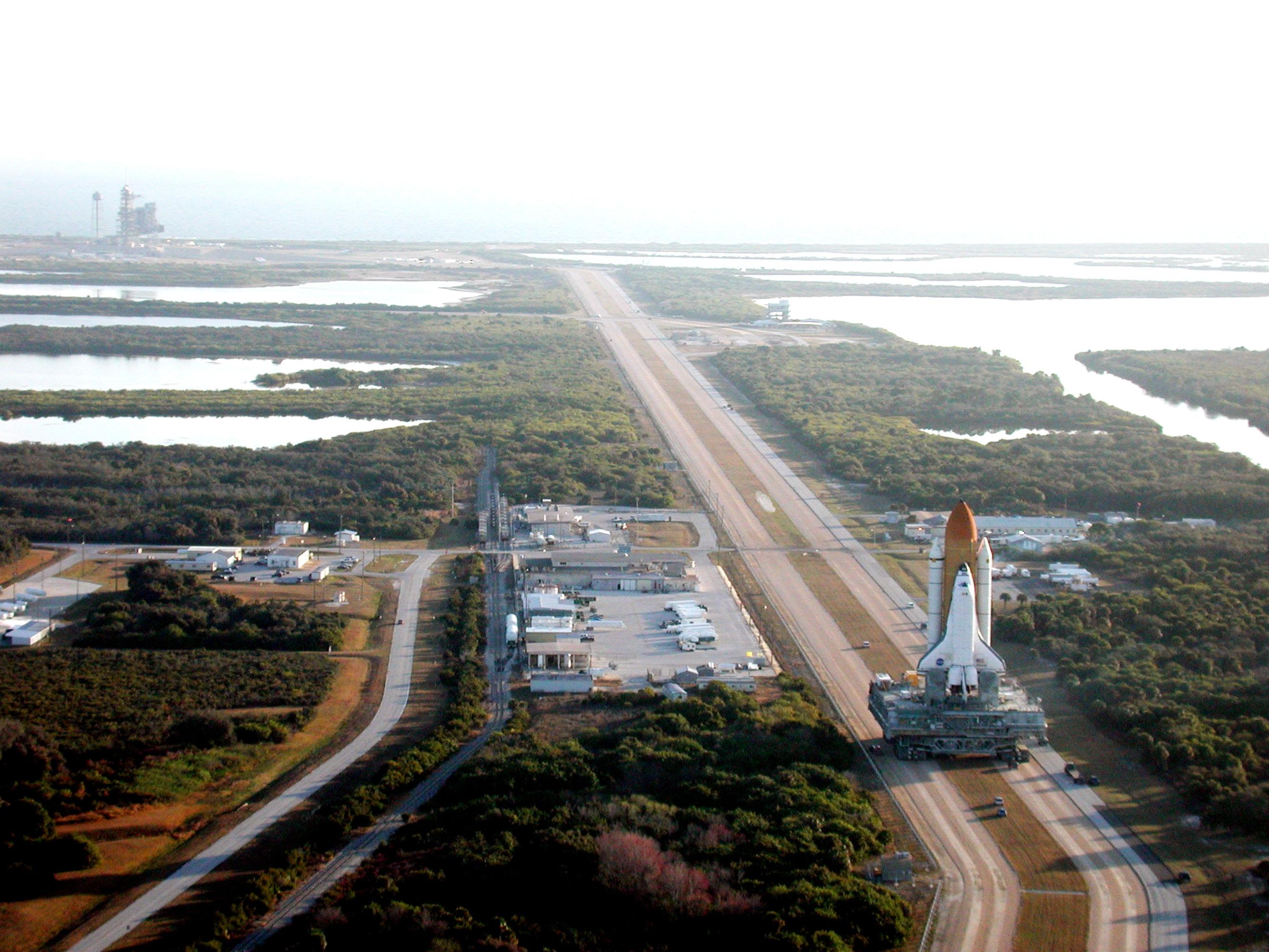
Twenty-four years ago, two spacewalking astronauts battled an ammonia leak while installing the U.S. Laboratory module Destiny, transforming the International Space Station from a construction site to a world-class research facility
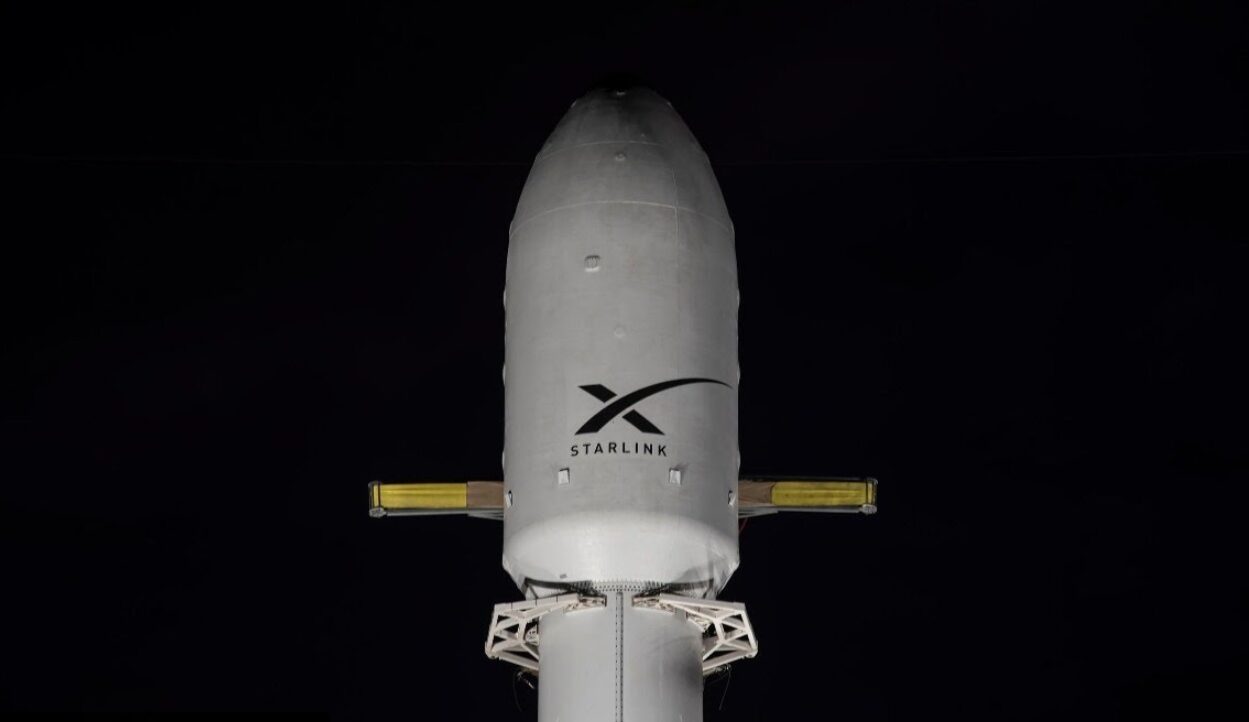
This week: SpaceX launched 21 SDA missile-tracking satellites, Soyuz MS-29 carried a new crew to the ISS, and Europe's space spending rose 12%.
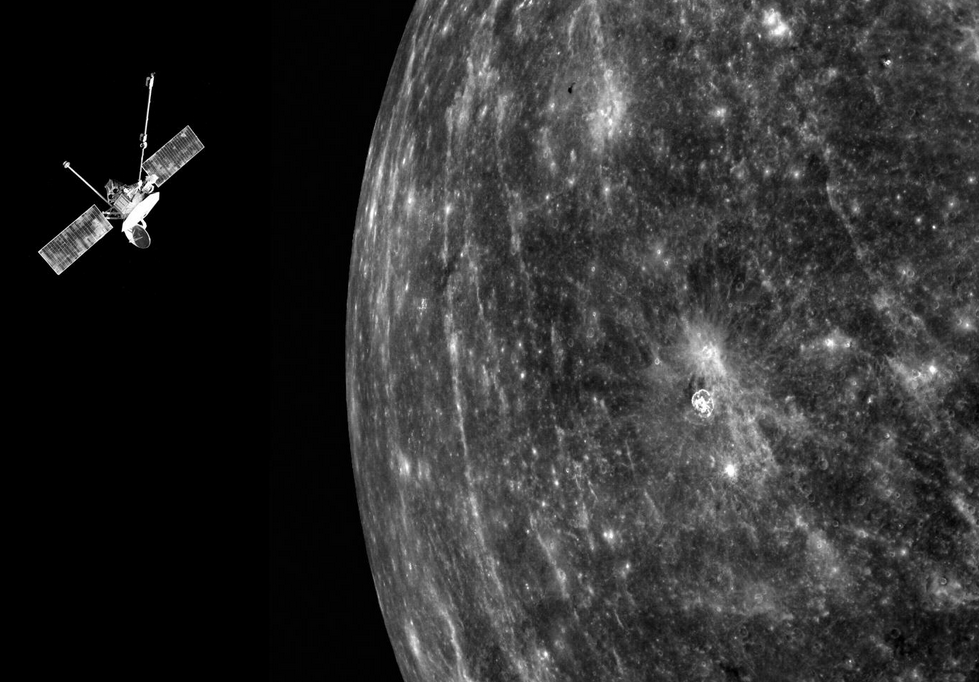
Fifty-one years ago, Mariner 10 revolutionized space exploration by executing the first-ever planetary gravity assist at Venus, pioneering a technique that would transform how we explore the solar system

Blue Origin's New Glenn suffered a damaging anomaly during hotfire testing at Launch Complex 36, grounding the heavy-lift rocket indefinitely with no return-to-flight timeline announced.