


10,168 Starlink Satellites in Orbit, X Report 6 Apr 2026
Current number of Starlink satellites in orbit April 2026: 10,168 working of 10,177 tracked, 11,724 launched. Fleet health tops 99.9%.


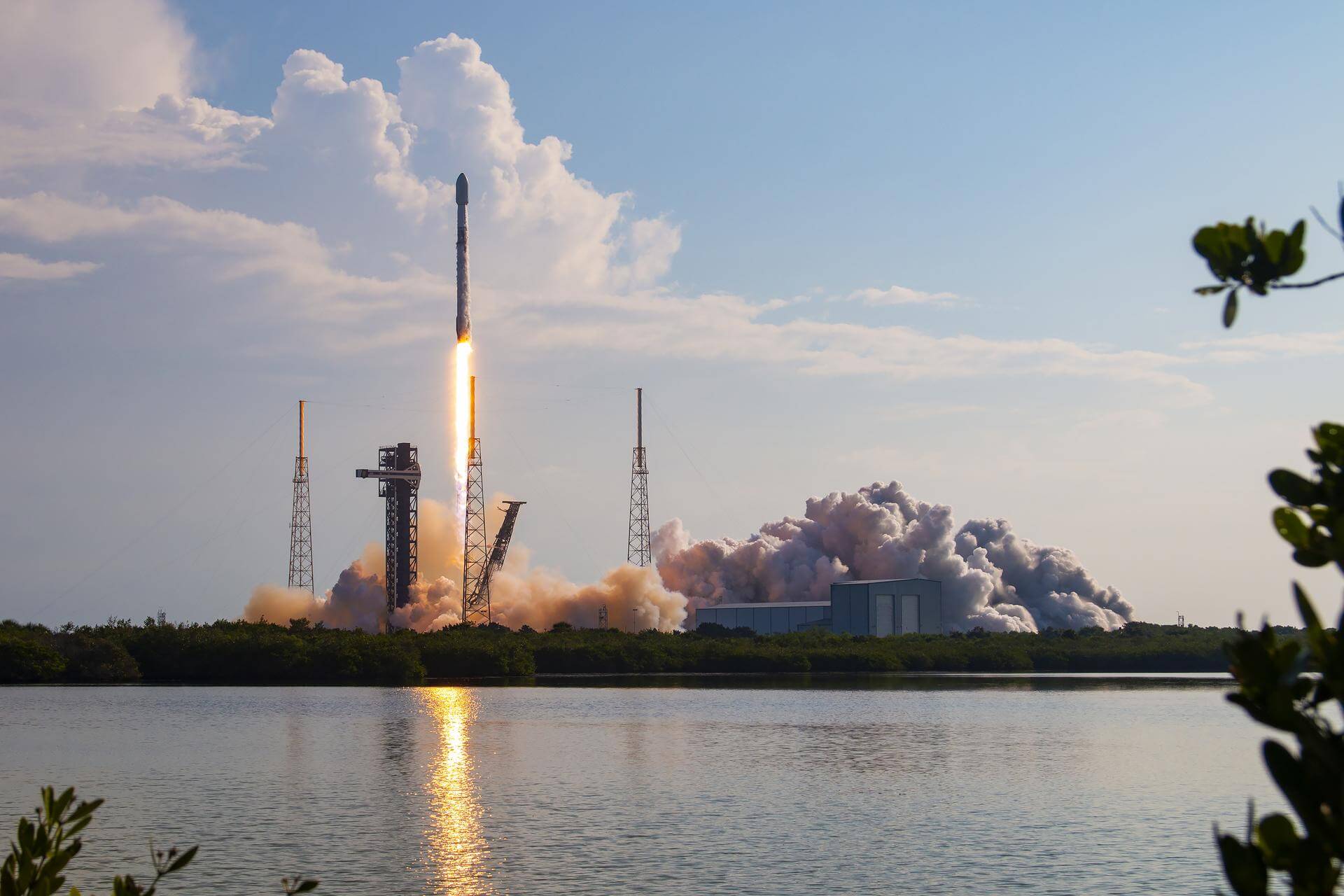
Launch Date
August 15, 2024
Launch Site
Launch Pad
LC40
Launch Vehicle
NORAD ID
60452
International Designator
2024-146A
Epoch
Sun, 19 Jul 2026 10:09:00 GMT
Apogee
Calculating...
Perigee
Calculating...
Inclination
45.00°
Right Ascension
217.73°
Eccentricity
Calculating...
Argument of Perigee
357.14°
Period
95.01 min
Mean Motion
15.16 rev/day
Latitude
Calculating...
Longitude
Calculating...
Altitude
Calculating...
Velocity
Calculating...
Name
LEGION 3
Alternative Name
WorldView Legion 3
Type
Status
Owner
MAXARI
Country
United States
Constellation
N/A
Related Satellites
Major Events
N/A
1 60452U 24146A 26200.42291912 .00001130 00000+0 72053-4 0 9999
2 60452 45.0014 217.7272 0007791 357.1385 2.9448 15.15668412106910
Source: Celestrak
Length
3
Diameter
2
Span
5
Dry Mass
630
Launch Mass
700
Shape
Box + panel
Radar Cross Section
Unknown
Visual Magnitude
Unknown
Color
Unknown
Material Composition
Unknown
Payload
Legion 3
Purpose
Earth observation
Mission
Earth observation
Manufacturer
MAXSI
Life Expectancy
Unknown
Bus
Legion
Configuration
Unknown
Motor
?
Equipment
Unknown
Power System
Solar arrays, batteries
ADCS
Unknown
Transmitter Frequency
Unknown
Learn more about satellites and other related topics.
Current number of Starlink satellites in orbit April 2026: 10,168 working of 10,177 tracked, 11,724 launched. Fleet health tops 99.9%.

Understanding the high and low points of every orbit - from the International Space Station's careful dance with Earth's atmosphere to the extreme ellipses that take satellites to the edge of space and back.
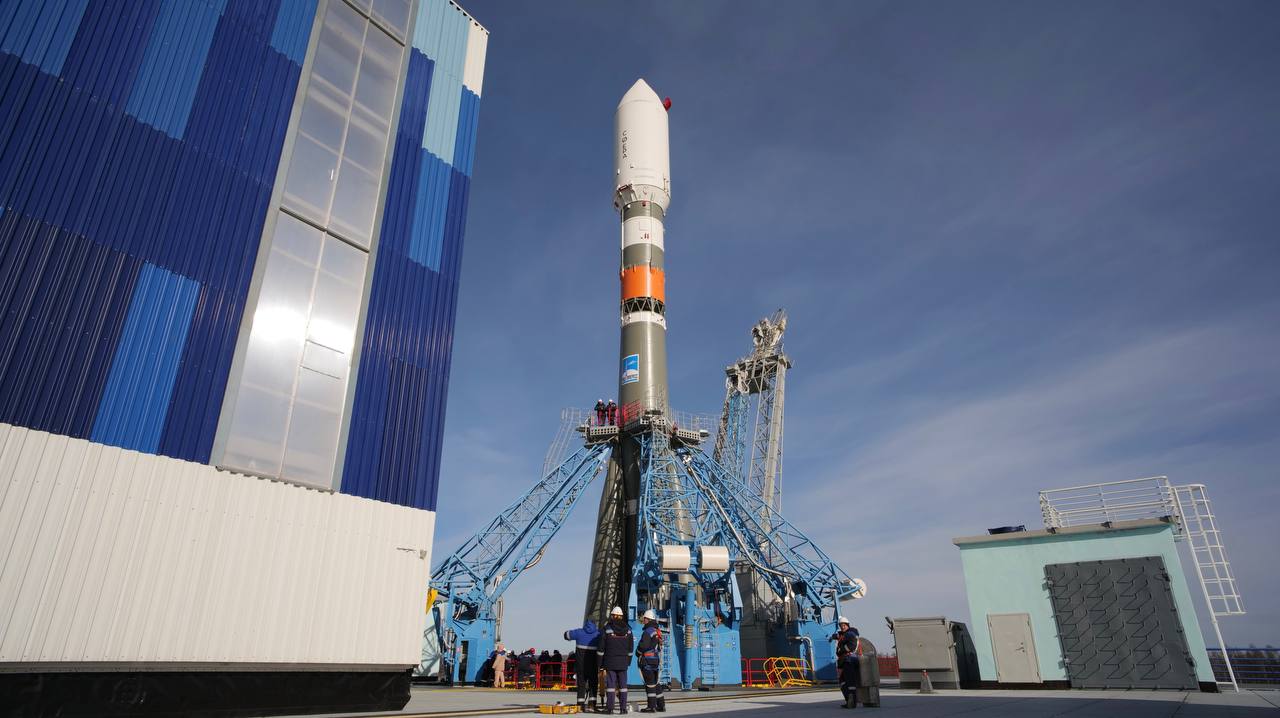
Today's brief covers China's latest experimental launch to GEO and new commercial satellites, insights from hyperspectral imagery on underground structures, and the Space Force's material testing for Mars missions.
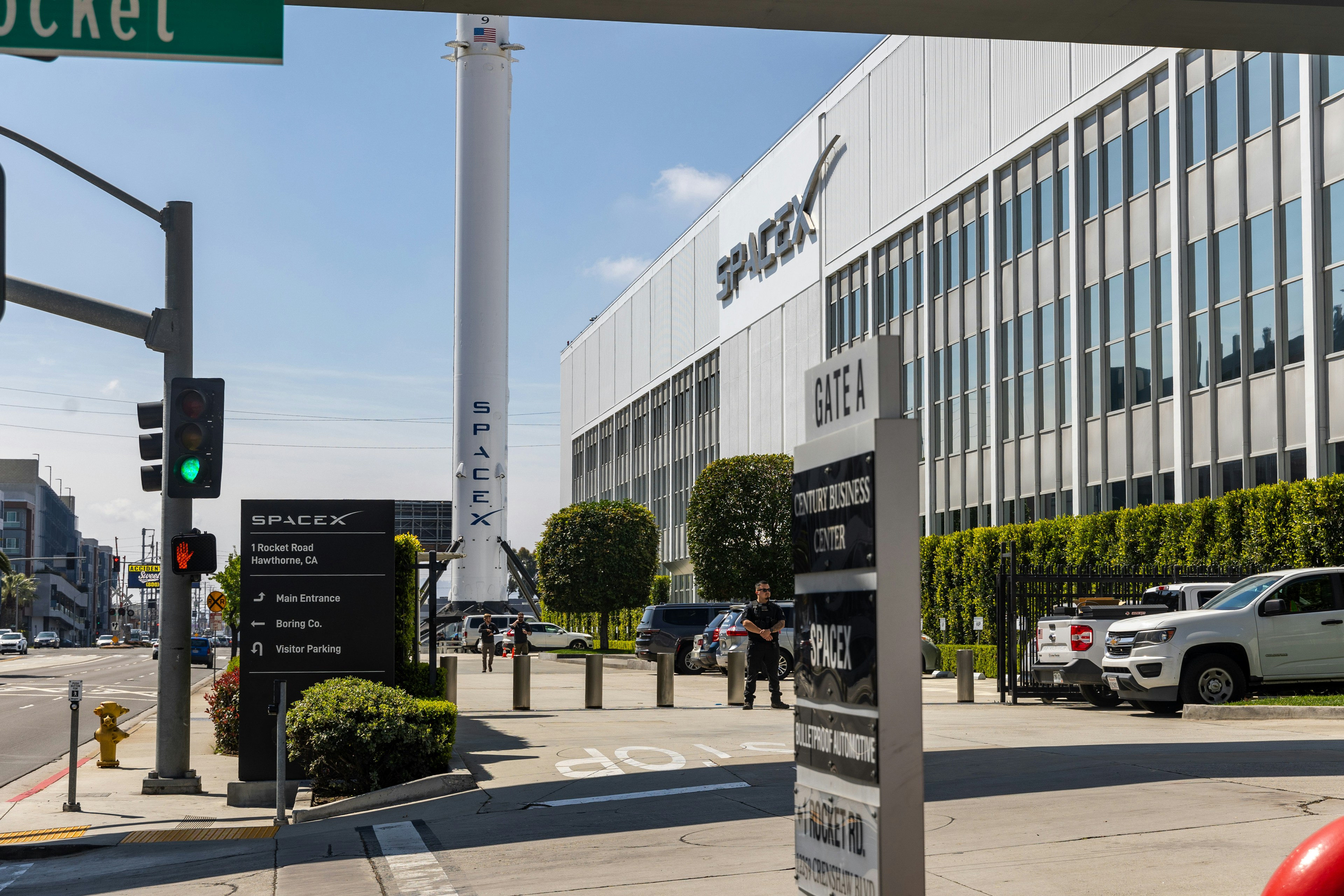
SpaceX continues to make strides with its Starship program while successfully launching another batch of Starlink satellites into orbit, enhancing global internet coverage.
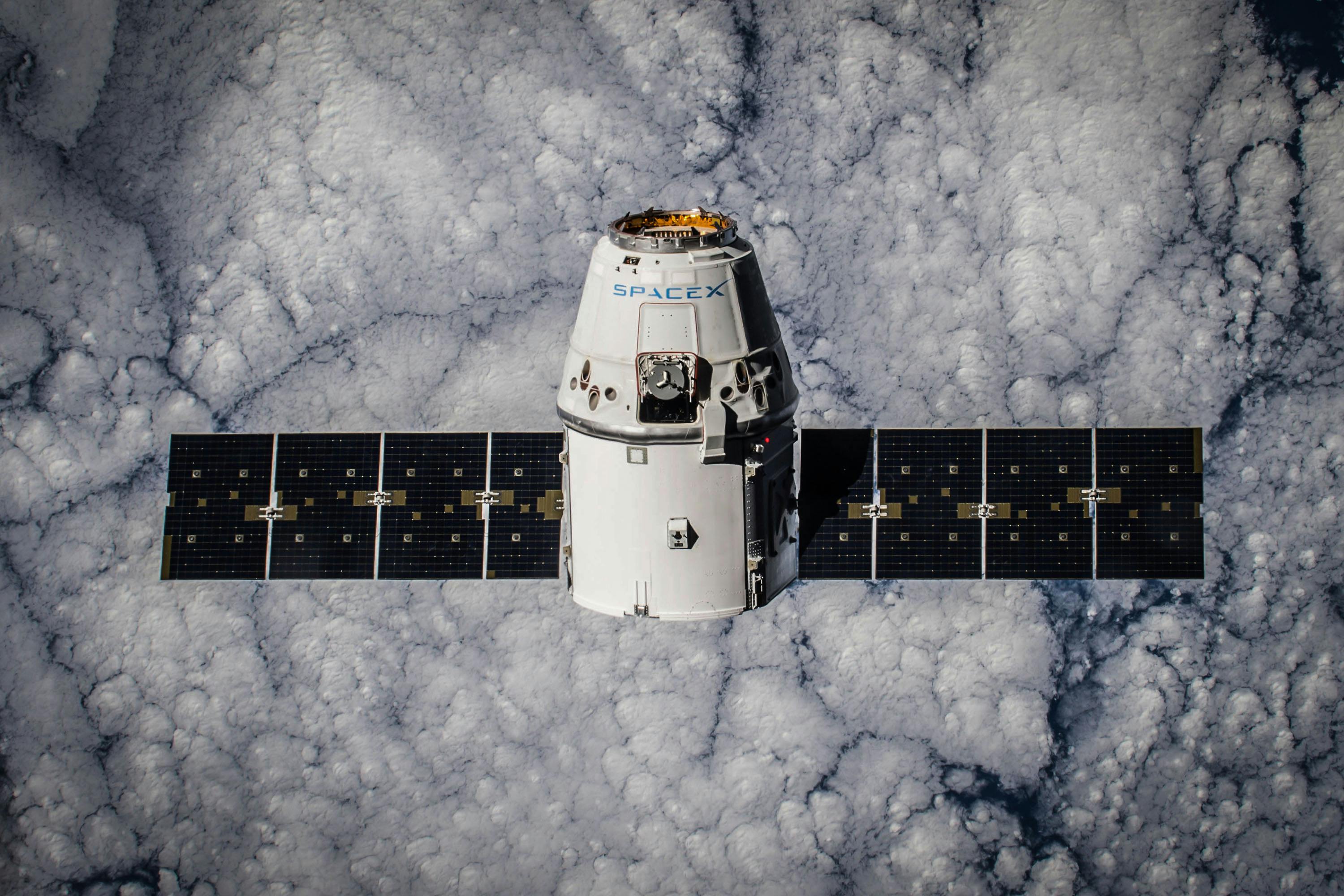
SpaceX prepares for a new cargo-return mission with Atmos, deploys imaging satellites, and gears up for Axiom-4 private astronaut launch.
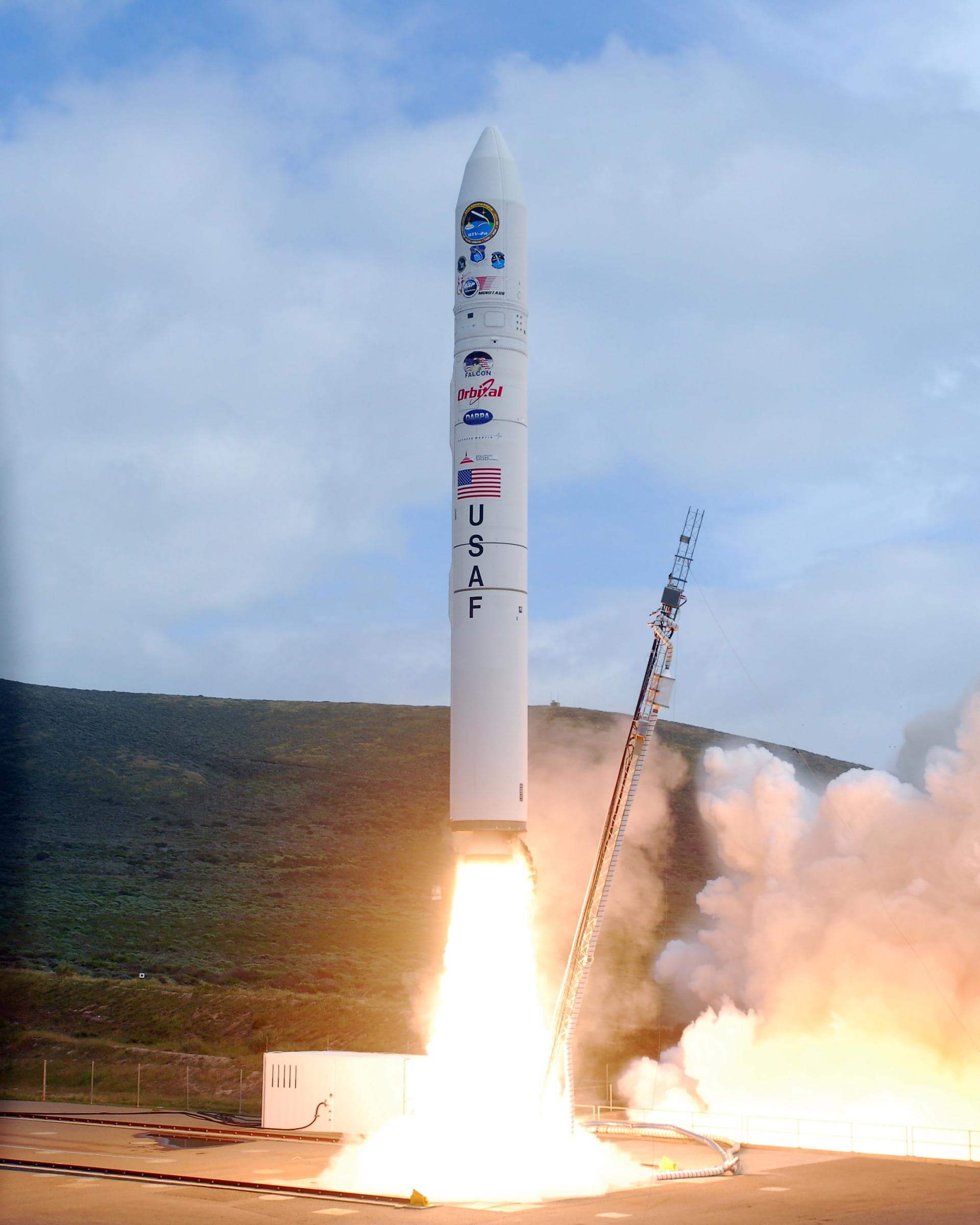
Today's brief covers crucial developments in satellite technology and operations, including new Starlink launches, groundbreaking satellite data on flood waves, and pivotal changes in South African telecom policy driven by Starlink.

Launch of 21 new Starlink satellites, featuring cell phone connectivity, and updates on NASA and SpaceX collaborative missions.
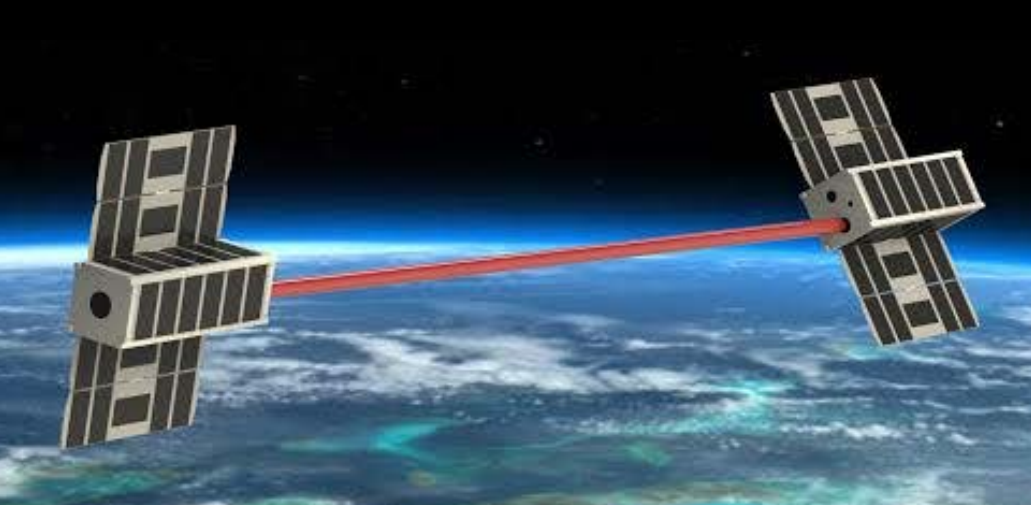
The satellite industry's biggest operators are betting on multi-orbit architectures that combine LEO, MEO, and GEO into unified networks. A San Francisco startup called Contrivian thinks they've overcomplicated the problem, and the physics might be on its side.