



X Report 21 Apr 2025
SpaceX launches its 32nd cargo mission to the ISS, and NRO marks a milestone with over 200 satellites deployed.



Launch Date
July 28, 2024
Launch Site
Launch Pad
LC40
Launch Vehicle
NORAD ID
60278
International Designator
2024-132A
Epoch
Sun, 19 Jul 2026 04:21:17 GMT
Apogee
Calculating...
Perigee
Calculating...
Inclination
53.16°
Right Ascension
161.58°
Eccentricity
Calculating...
Argument of Perigee
84.57°
Period
94.11 min
Mean Motion
15.30 rev/day
Latitude
Calculating...
Longitude
Calculating...
Altitude
Calculating...
Velocity
Calculating...
Name
STARLINK-32156
Alternative Name
Starlink 32156
Type
Status
Owner
SPXS
Country
United States
Constellation
N/A
Related Satellites
Major Events
N/A
1 60278U 24132A 26200.18145036 .00001241 00000+0 54007-4 0 9990
2 60278 53.1594 161.5751 0001284 84.5716 275.5432 15.30198477112911
Source: Celestrak
Length
0.3
Diameter
4.1
Span
29
Dry Mass
700
Launch Mass
730
Shape
Box + pan
Radar Cross Section
Unknown
Visual Magnitude
Unknown
Color
Unknown
Material Composition
Unknown
Payload
Starlink Group 10-4-01
Purpose
Communication
Mission
Communication
Manufacturer
SPXS
Life Expectancy
Unknown
Bus
Starlink V2M
Configuration
Starlink v2 Mini
Motor
Argon ion thrusters
Equipment
Ku/Ka/E-band payload, optical inter-satellite link
Power System
Solar arrays, batteries
ADCS
Unknown
Transmitter Frequency
Unknown
Learn more about satellites and other related topics.
SpaceX launches its 32nd cargo mission to the ISS, and NRO marks a milestone with over 200 satellites deployed.
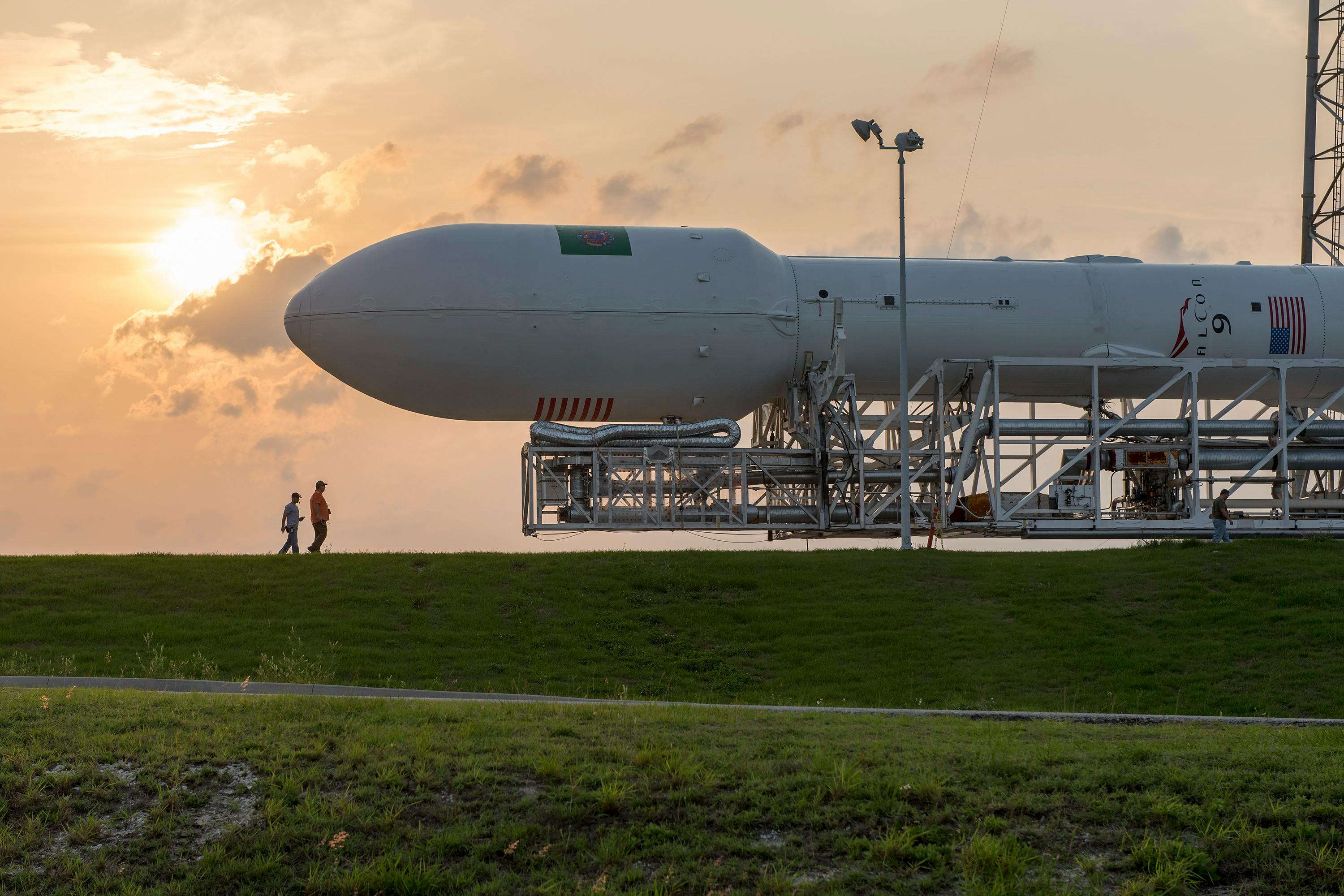
Today's Space Brief highlights SpaceX Crew-8's return, Intelsat-33e satellite breakup, SpaceX's upcoming Starship tests, and notable launches including China's new mega-constellation.

A busy day in space as delays hit Boeing's Starliner launch, SpaceX continues its rapid launch cadence, new concerns arise with the discovery of bacteria on the Tiangong space station, and the European Space Agency supports a pivotal Moon mission.

SpaceX faces setbacks with Starship Flight 7 as FAA launches an investigation, while future transportation policies might impact SpaceX operations. Meanwhile, the Starlink constellation continues strong.
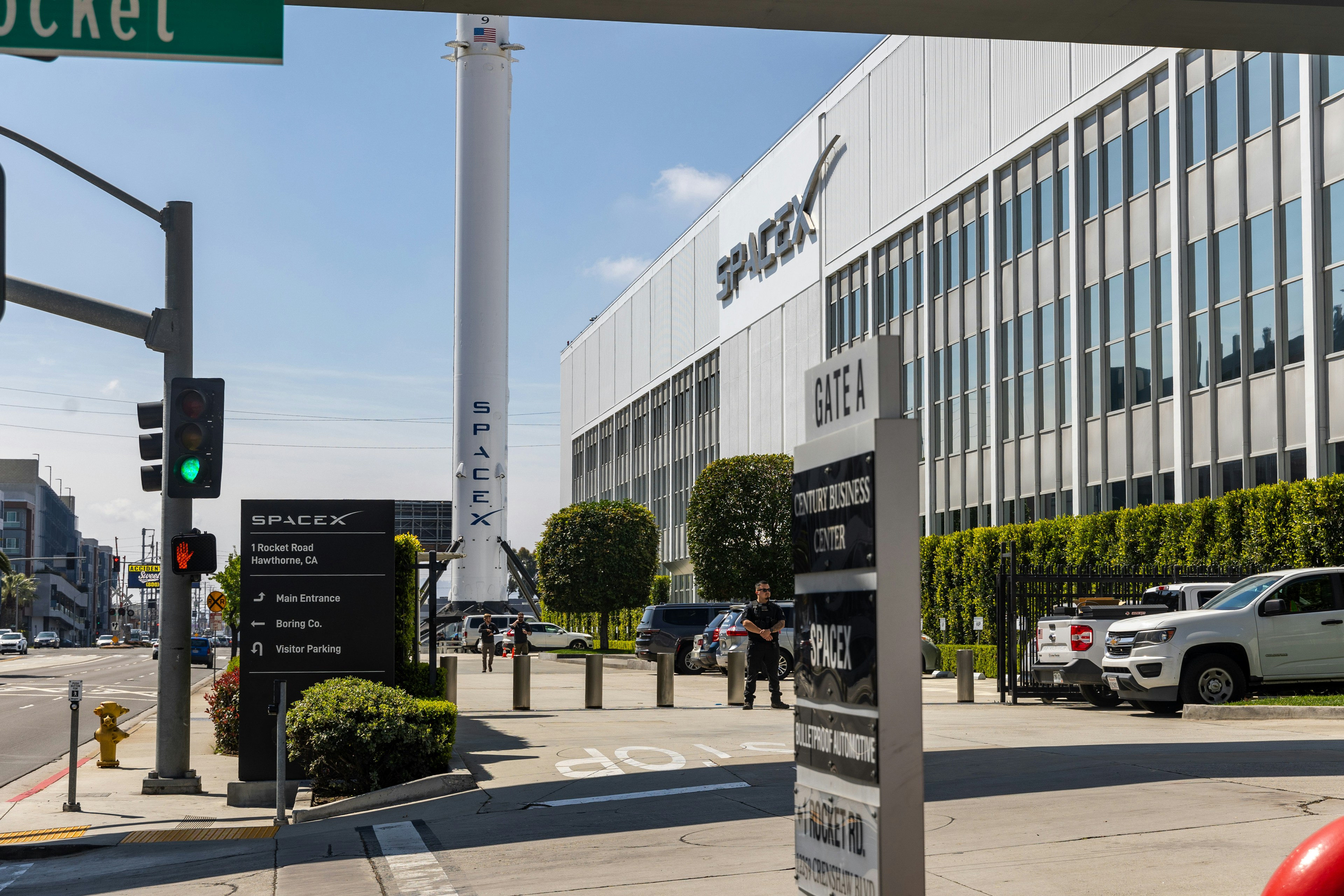
This Week In Space Episode 219 examines SpaceX's expanding military ties as Starlink's constellation tops 12,552 satellites launched.
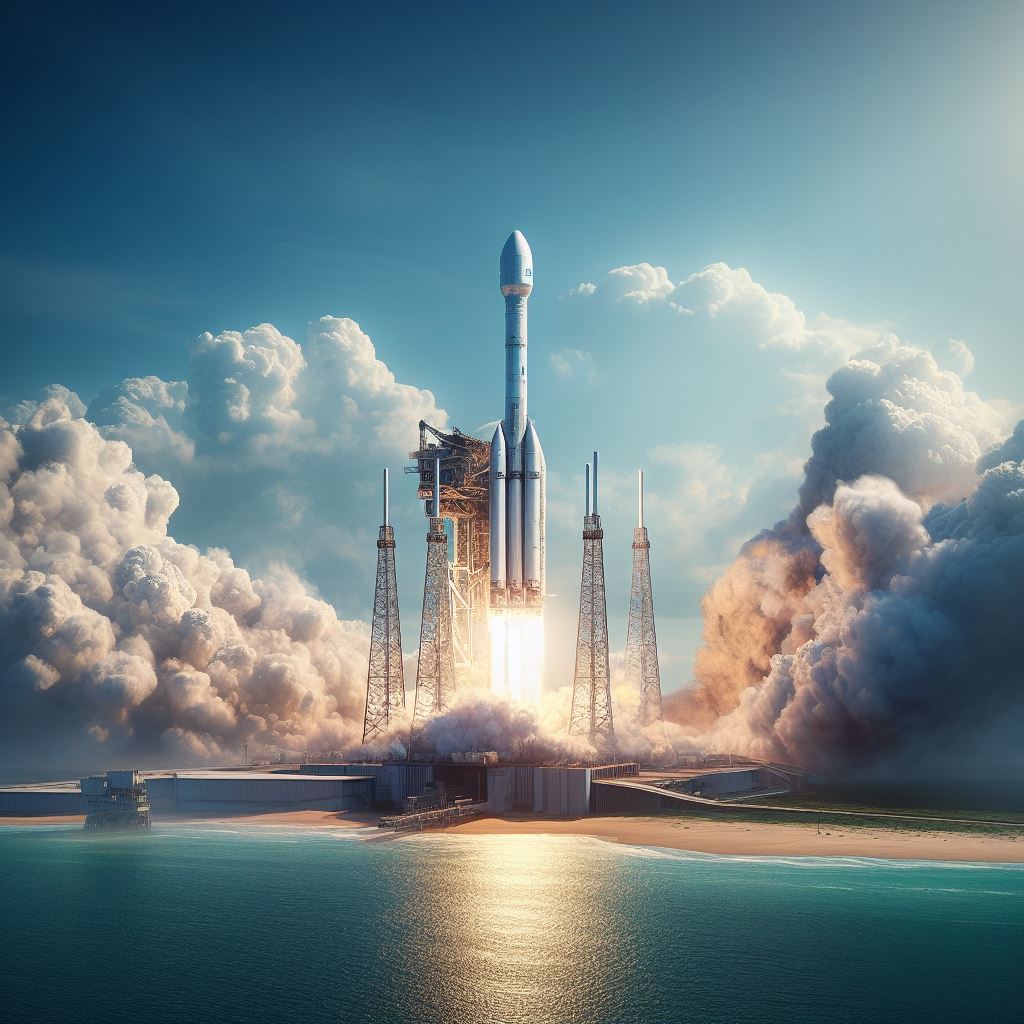
Super heavy-lift rockets are the most powerful launch vehicles ever built. They can send humans and cargo to the Moon, Mars, and beyond. But what are they, and why are they so important?

Understanding the high and low points of every orbit - from the International Space Station's careful dance with Earth's atmosphere to the extreme ellipses that take satellites to the edge of space and back.
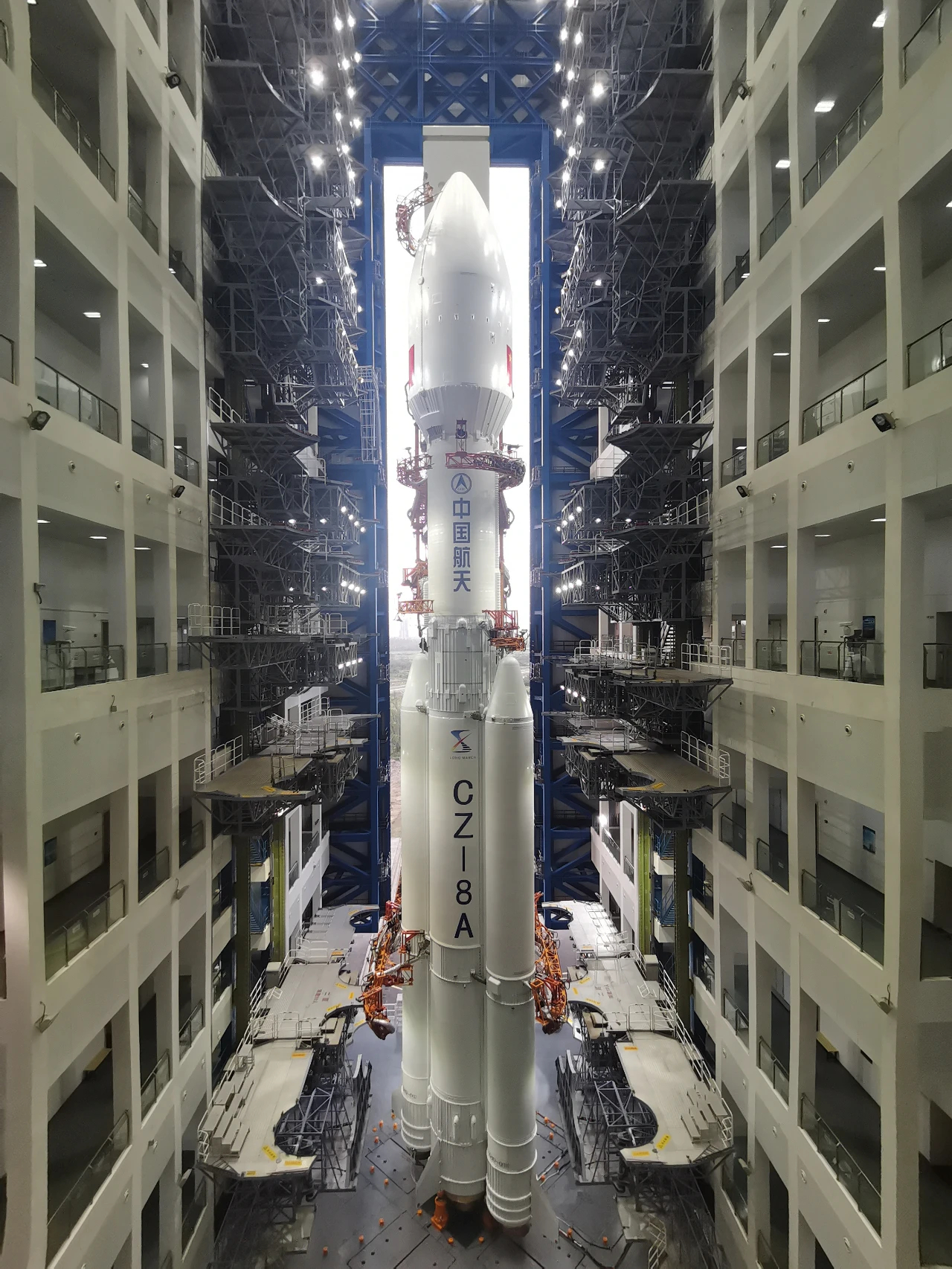
Today's briefing covers Rocket Lab's strategic acquisition, Space Dynamics Lab's new collaboration with the Space Force, and shifts within the Pentagon's AI division.