


X Report 14 Aug 2025
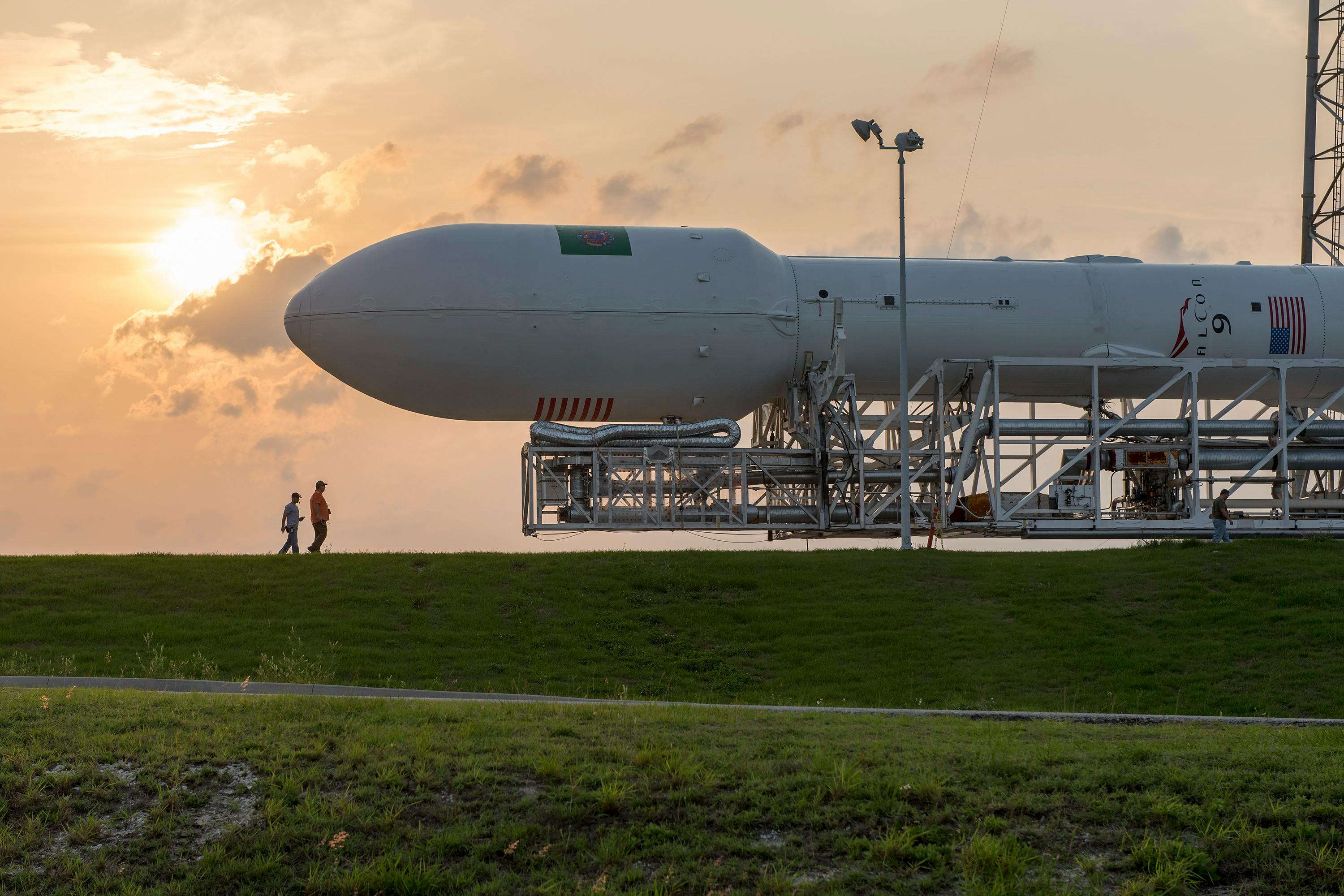
SpaceX successfully launched a batch of Starlink satellites today while introducing new features to enhance user experience. Their rideshare program continues to see increased demand, proving popular among customers.



Launch Date
June 27, 2024
Launch Site
Launch Pad
LC40
Launch Vehicle
NORAD ID
60156
International Designator
2024-120X
Epoch
Sun, 19 Jul 2026 18:57:40 GMT
Apogee
Calculating...
Perigee
Calculating...
Inclination
53.16°
Right Ascension
64.75°
Eccentricity
Calculating...
Argument of Perigee
95.73°
Period
93.85 min
Mean Motion
15.34 rev/day
Latitude
Calculating...
Longitude
Calculating...
Altitude
Calculating...
Velocity
Calculating...
Name
STARLINK-32048
Alternative Name
Starlink 32048
Type
Status
Owner
SPXS
Country
United States
Constellation
N/A
Related Satellites
Major Events
N/A
1 60156U 24120X 26200.79004830 .00001887 00000+0 66998-4 0 9993
2 60156 53.1600 64.7493 0001543 95.7312 264.3867 15.34381809116622
Source: Celestrak
Length
0.3
Diameter
4.1
Span
29
Dry Mass
700
Launch Mass
730
Shape
Box + pan
Radar Cross Section
Unknown
Visual Magnitude
Unknown
Color
Unknown
Material Composition
Unknown
Payload
Starlink Group 10-3-22
Purpose
Communication
Mission
Communication
Manufacturer
SPXS
Life Expectancy
Unknown
Bus
Starlink V2M
Configuration
Starlink v2 Mini
Motor
Argon ion thrusters
Equipment
Ku/Ka/E-band payload, optical inter-satellite link
Power System
Solar arrays, batteries
ADCS
Unknown
Transmitter Frequency
Unknown
Learn more about satellites and other related topics.
SpaceX successfully launched a batch of Starlink satellites today while introducing new features to enhance user experience. Their rideshare program continues to see increased demand, proving popular among customers.

SpaceX's latest Starlink satellite launch boosts their constellation and Starship development progresses steadily.

Discover the latest innovations from Rocket Lab, new developments in hypersonic flight, and significant advances in satellite technology with BlackSky. Gain insights into the Space Force's mission and MIT physicists' breakthroughs in observing atoms.
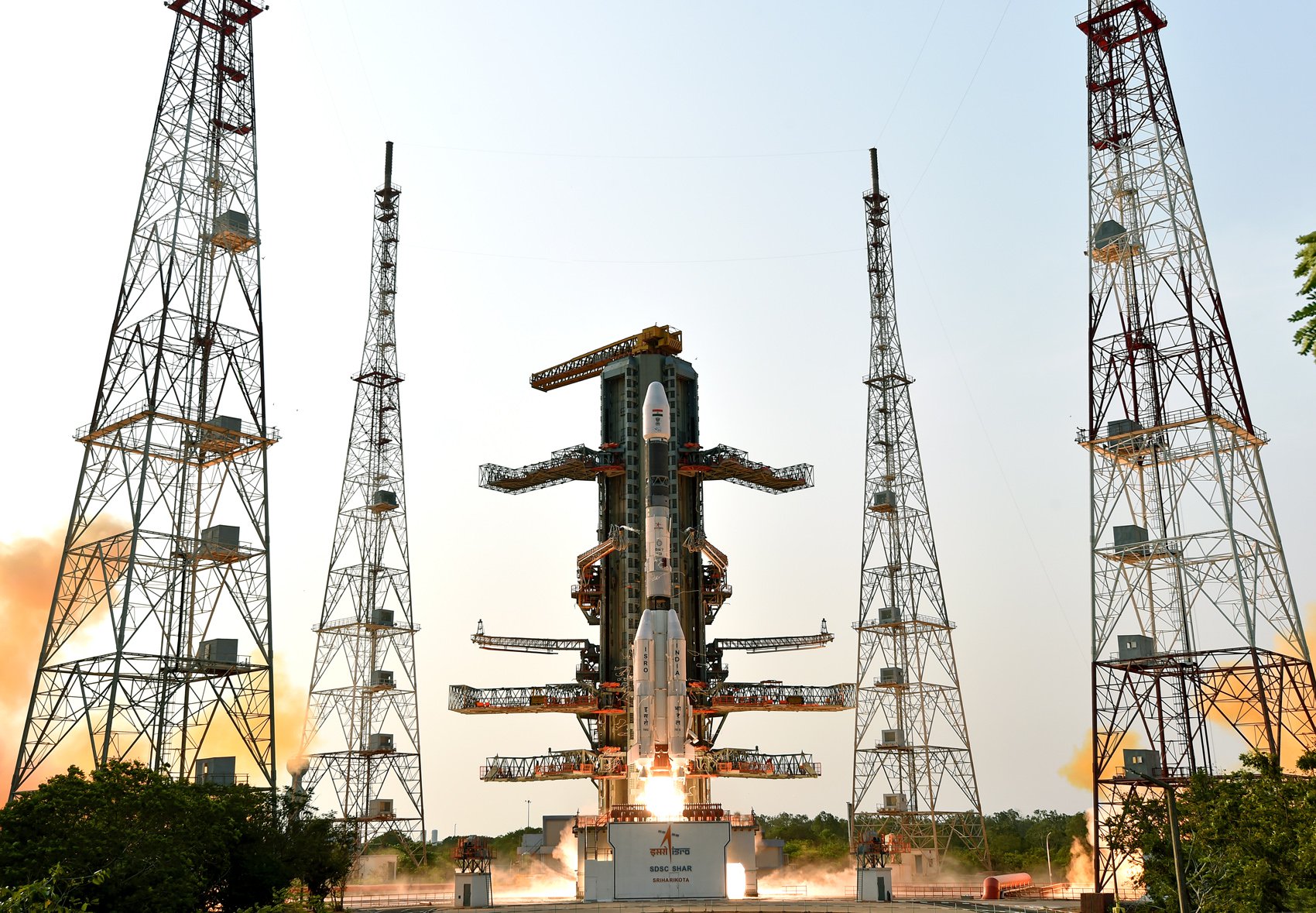
Today's brief covers new military space funding, intriguing scientific discoveries, and defense contracts impacting global military strategies.
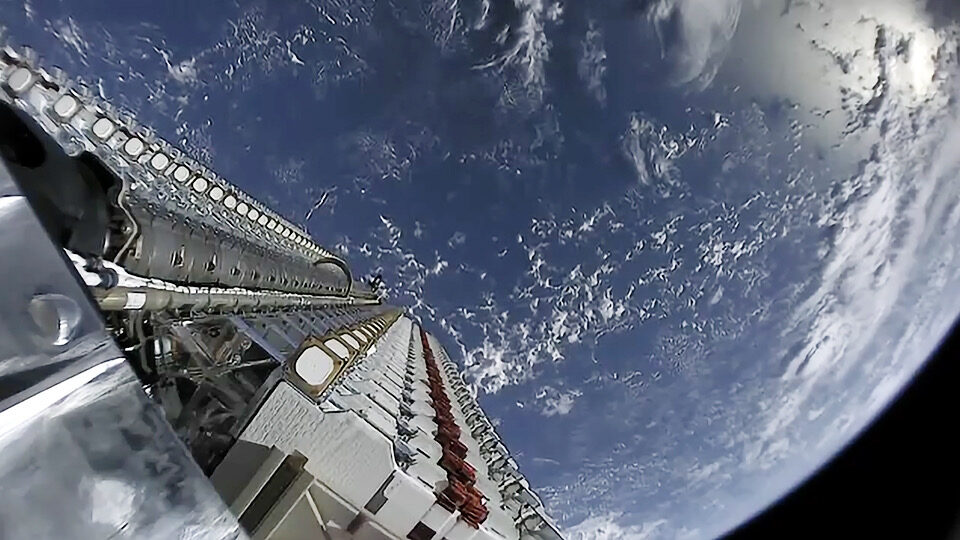
Japan's Hayabusa2 executed a close-range asteroid flyby on July 5 after mission planners initially rejected the approach as too dangerous. Extended mission pushes hardware past design limits.

CENTCOM confirms first-ever combat use of PrSM against Iranian targets. Space Force VP calls for aggressive end strength growth. Artemis II boosters on pad.
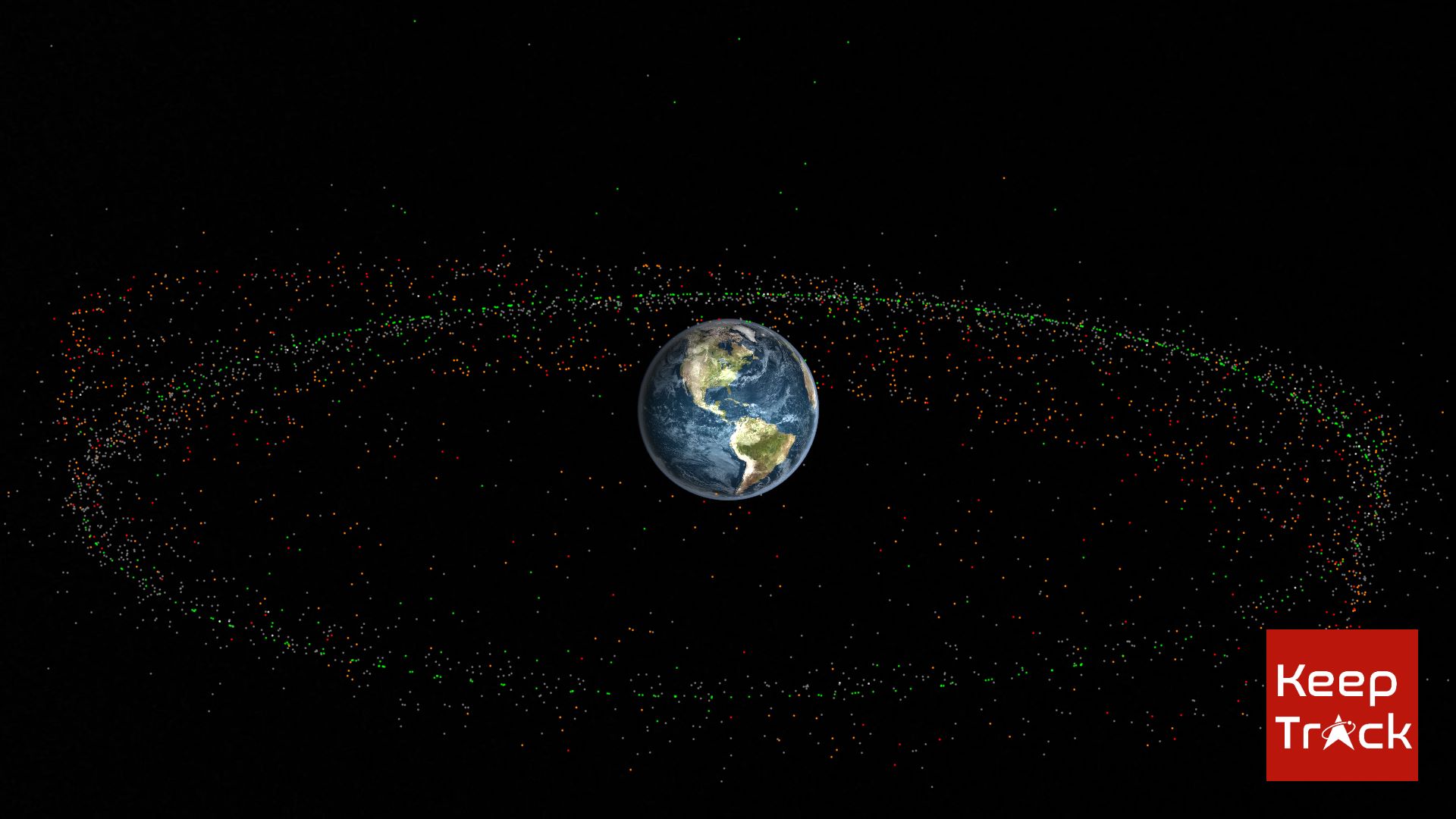
Understanding the unique orbital sweet spot that keeps satellites perfectly positioned above Earth
US labor board drops oversight case against SpaceX. Booster 19 completes cryogenic testing at upgraded Massey's. SpaceX IPO expected to reshape space investment landscape.