GOES-19 (60133)

COSPAR: 2024-119A | Alt Name: GOES-U

Image
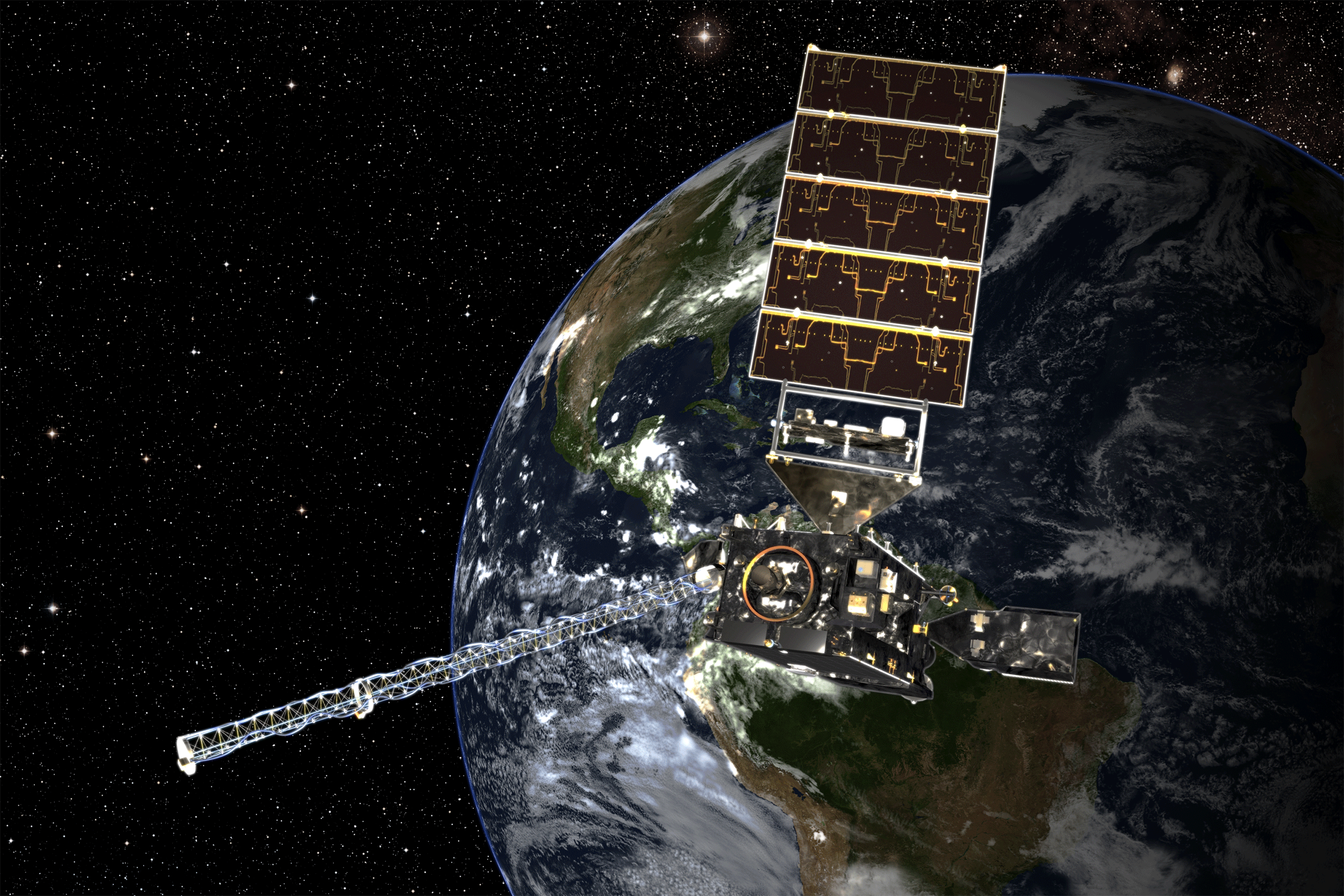
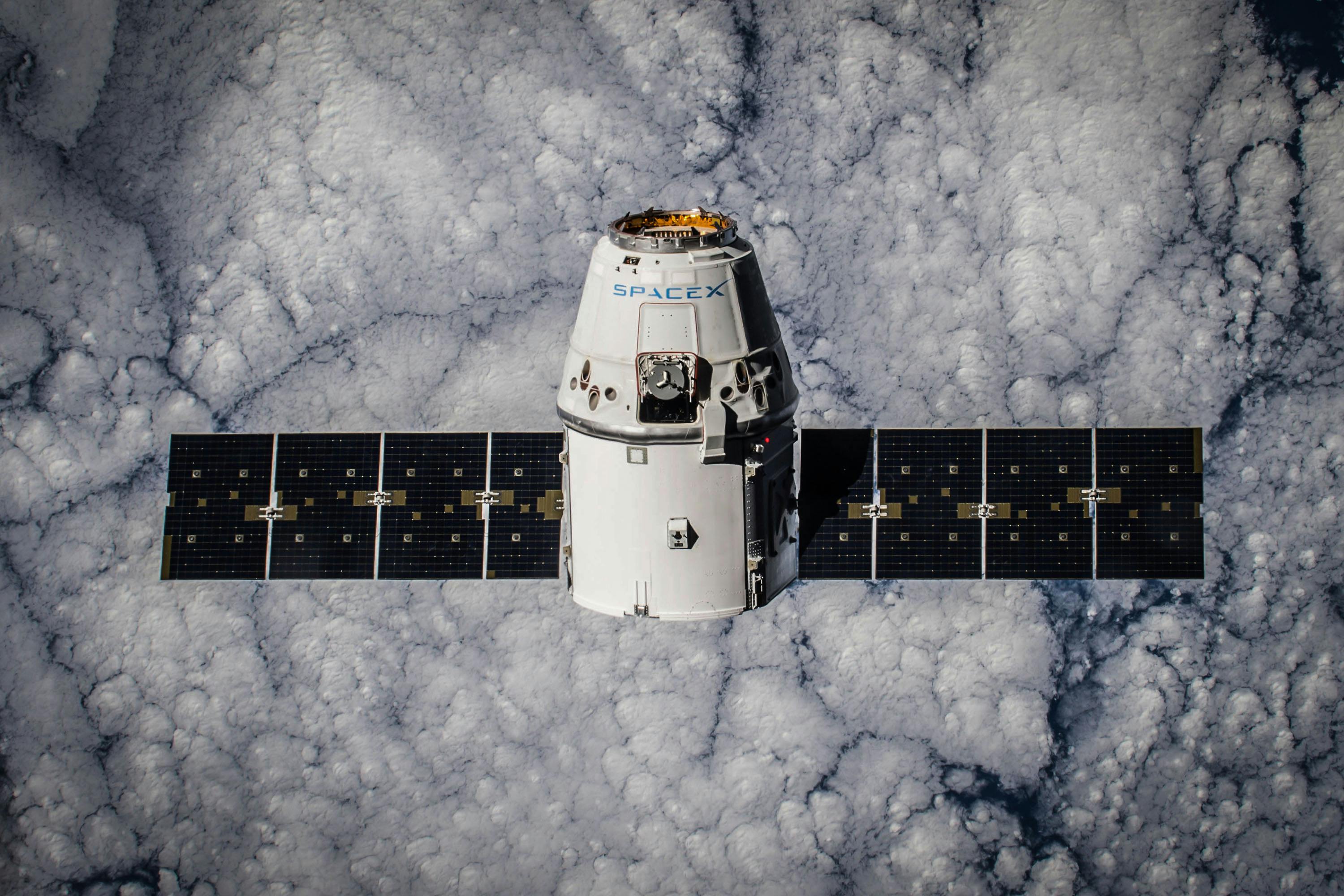
GOES-19 Satellite Image
Launch Details

Launch Date

June 25, 2024

Launch Site

Kennedy Space Center

Launch Pad

LC-39A

Launch Vehicle

Falcon Heavy

Orbital Elements

NORAD ID

60133

International Designator

2024-119A

Epoch

Sun, 19 Jul 2026 20:25:38 GMT

Apogee

Calculating...

Perigee

Calculating...

Inclination

0.02°

Right Ascension

140.84°

Eccentricity

Calculating...

Argument of Perigee

50.04°

Period

1436.08 min

Mean Motion

1.00 rev/day

Latitude

Calculating...

Longitude

Calculating...

Altitude

Calculating...

Velocity

Calculating...

Polar Plot
3D Visualization
Basic Satellite Info

Name

GOES-19

Alternative Name

GOES-U

Type

Payload

Status

Operational

Owner

NOAA

Country

United States

Constellation

N/A

Related Satellites

Major Events

Launched on June 25, 2024; reached geostationary orbit and was designated GOES-19 on July 7, 2024; began post-launch testing on July 24, 2024; started observing the sun with SUVI on September 24, 2024

Latest TLEs
1 60133U 24119A   26200.85114368 -.00000252  00000+0  00000+0 0  9994
2 60133   0.0191 140.8371 0000282  50.0446 337.9637 01.00272657  7297

Source: Celestrak

Summary
GOES-19 (formerly known as GOES-U) is an operational meteorology and space weather monitoring satellite operated by NOAA. It was launched on June 25, 2024, from Kennedy Space Center's LC-39A using a Falcon Heavy launch vehicle. The satellite reached geostationary orbit on July 7, 2024, and began post-launch testing on July 24, 2024. Equipped with advanced instruments such as the Advanced Baseline Imager (ABI), Geostationary Lightning Mapper (GLM), Solar Ultraviolet Imager (SUVI), Extreme Ultraviolet and X-ray Irradiance Sensors (EXIS), Compact Coronagraph-1 (CCOR-1), Space Environment In-Situ Suite (SEISS), and a Magnetometer, GOES-19 has a planned operational lifetime of 15 years. It measures 6.1 meters in length, with a diameter of 3.9 meters and a span of 12 meters when its solar panels are deployed. The satellite's dry mass is 2800 kg, and it had an initial launch mass of 5500 kg. GOES-19 features a box shape with deployable solar panels and instruments, providing up to 4000 W power for its operations. It uses 3-axis stabilization for precise orientation in orbit. The satellite was manufactured by Lockheed Martin and is part of the series that includes GOES-16, GOES-17, and GOES-18.
Physical Characteristics

Length

6.1

Diameter

3.9

Span

12

Dry Mass

2800

Launch Mass

5500

Shape

Box with deployable solar panels and instruments

Radar Cross Section

Unknown

Visual Magnitude

5

Color

White

Material Composition

Unknown

Technical Details

Payload

GOES U

Purpose

Meteorology

Mission

Operational meteorology and space weather monitoring

Manufacturer

Lockheed Martin

Life Expectancy

15 years (planned)

Bus

A2100

Configuration

A2100A

Motor

LEROS-1c

Equipment

Advanced Baseline Imager (ABI), Geostationary Lightning Mapper (GLM), Solar Ultraviolet Imager (SUVI), Extreme Ultraviolet and X-ray Irradiance Sensors (EXIS), Compact Coronagraph-1 (CCOR-1), Space Environment In-Situ Suite (SEISS), Magnetometer

Power System

4000 W

ADCS

3-axis stabilization

Transmitter Frequency

Unknown

Map
This tool will help you track the satellite's position and predict its upcoming passes over your location. Simply input the coordinates or click the geolocation button to get started.
Next Pass
Azimuth Elevation Time (Local)
Start Azimuth
Max Elevation
Stop Azimuth
Time Until
Pass Duration

Satellite Articles

View All Posts »

Learn more about satellites and other related topics.

X Report 2 Dec 2025

X Report 2 Dec 2025

SpaceX successfully launched its 60th mission of the year, deploying 27 Starlink satellites from California. The company continues to hit milestones, confirming its dominance in spaceflight as Elon Musk acknowledges the achievement. Spire also expands its partnership with Deloitte to enhance cybersecurity in orbit.

Space Brief 16 Feb 2025

Space Brief 16 Feb 2025

SpaceX's historic Falcon 9 flight launches 21 Starlink satellites, opening new milestones in space travel. Meanwhile, K2 Space achieves a funding breakthrough, and the first astronaut with a disability is set for a mission to the ISS.

X Report 9 Apr 2025

X Report 9 Apr 2025

SpaceX makes strides with new GPS and Starlink launches while securing major U.S. government contracts.

81 Payloads Deployed to SSO; Long March 10B & Vikram-I Debut This Week | KeepTrack Space Brief

81 Payloads Deployed to SSO; Long March 10B & Vikram-I Debut This Week | KeepTrack Space Brief

SpaceX rideshare Falcon 9 deployed 81 payloads including military tech demos to sun-synchronous orbit. China's Long March 10B and India's Vikram-I both debut this week among 6 scheduled launches.

X Report 30 Jan 2025

X Report 30 Jan 2025

SpaceX's Falcon 9 launches SpainSat NG-1 satellite as Starlink compatibility causes market ripples.

Space Brief 23 Jun 2025

Space Brief 23 Jun 2025

Significant advancements and launches in space: NASA's hypersonic sensor breakthrough, ChinaSat-9C's launch, and SpaceX's resilient Falcon 9 operations.

Vulcan Grounding Could Last Months, Space Force Weighs Alternatives | KeepTrack Space Brief

Vulcan Grounding Could Last Months, Space Force Weighs Alternatives | KeepTrack Space Brief

ULA's Vulcan Centaur faces potential months-long stand-down. Space Force actively exploring payload reassignment and satellite operational life extensions to cover critical national security missions.

X Report 6 Mar 2025

X Report 6 Mar 2025

Starship Flight 8 set for launch, new milestones in the defense sector, and launch updates dominate today's news.