


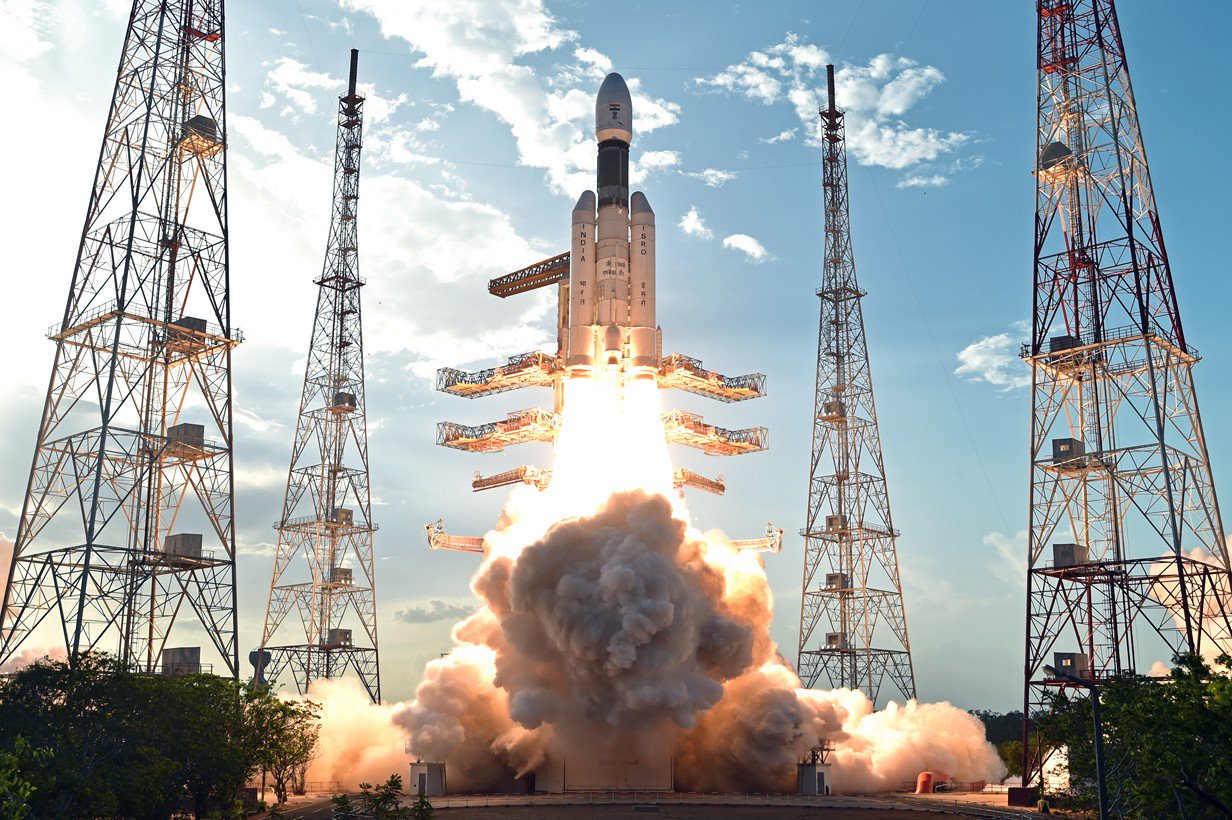
Space Brief 25 Oct 2025
Today's brief covers significant growth forecasts for global defense satellite communications, the integration of hypersonic missiles, cyber authority expansion in the Army, and more pivotal military developments.


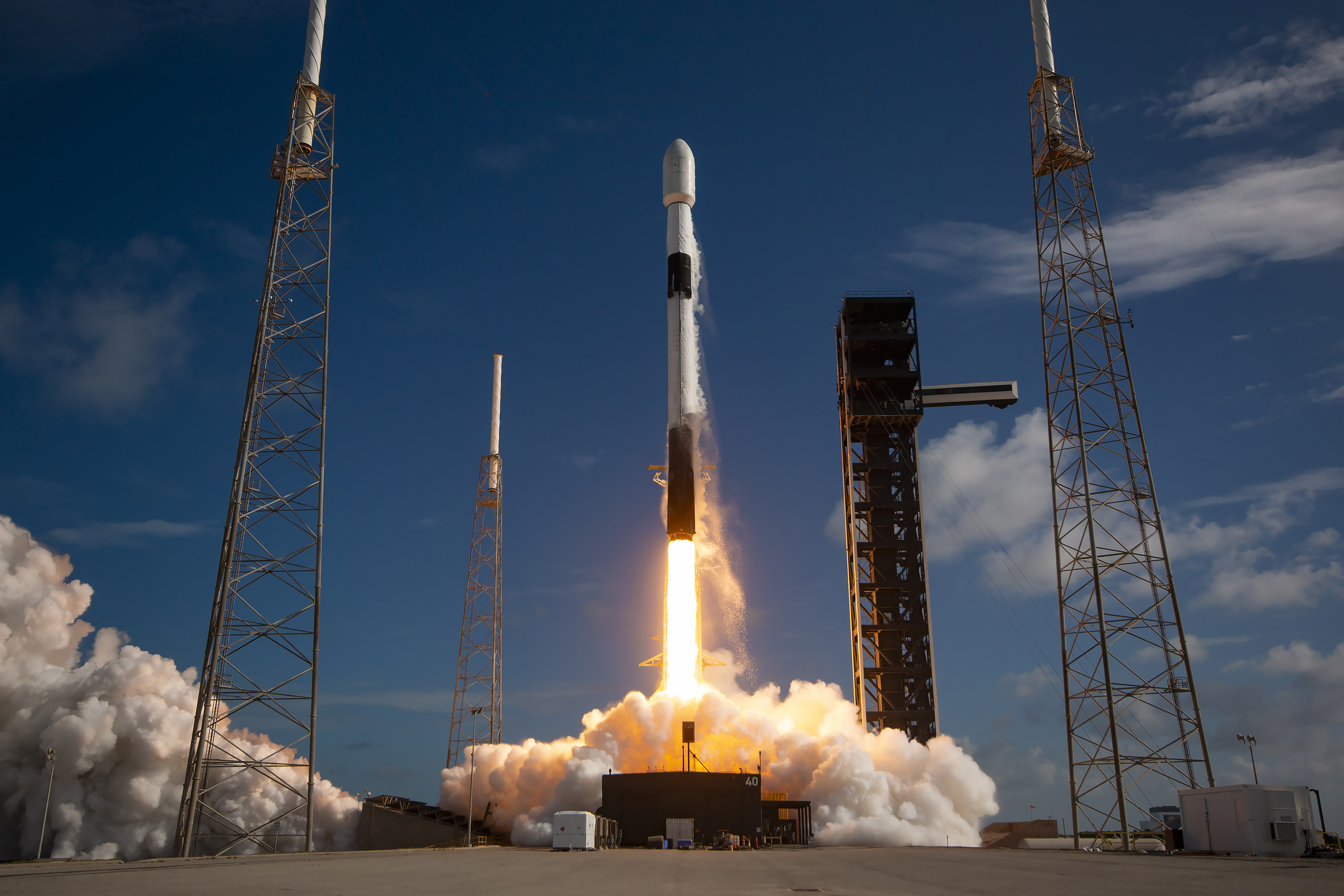
Launch Date
June 20, 2024
Launch Site
Launch Pad
LC40
Launch Vehicle
NORAD ID
60086
International Designator
2024-115A
Epoch
Sun, 19 Jul 2026 13:16:08 GMT
Apogee
Calculating...
Perigee
Calculating...
Inclination
0.07°
Right Ascension
329.03°
Eccentricity
Calculating...
Argument of Perigee
219.38°
Period
1436.16 min
Mean Motion
1.00 rev/day
Latitude
Calculating...
Longitude
Calculating...
Altitude
Calculating...
Velocity
Calculating...
Name
ASTRA 1P (SES-24)
Alternative Name
Astra 1P
Type
Status
Owner
SESSA
Country
Luxembourg
Constellation
N/A
Related Satellites
Major Events
N/A
1 60086U 24115A 26200.55288087 .00000115 00000+0 00000+0 0 9991
2 60086 0.0679 329.0315 0000783 219.3802 327.1603 01.00267390 7524
Source: Celestrak
Length
8
Diameter
3
Span
45
Dry Mass
4030
Launch Mass
5000
Shape
Box + 2 Pan
Radar Cross Section
Unknown
Visual Magnitude
Unknown
Color
Unknown
Material Composition
Unknown
Payload
SES-24
Purpose
Communication (Direct Broadcasting)
Mission
Communication (Direct Broadcasting)
Manufacturer
THALES
Life Expectancy
Unknown
Bus
Spacebus NEO200
Configuration
Spacebus-Neo-200
Motor
XPS/PPS-5000
Equipment
Ku-band transponders
Power System
2 deployable solar arrays, batteries
ADCS
Unknown
Transmitter Frequency
Unknown
Learn more about satellites and other related topics.
Today's brief covers significant growth forecasts for global defense satellite communications, the integration of hypersonic missiles, cyber authority expansion in the Army, and more pivotal military developments.

Space Force contracts Viasat and SES for $437M Protected Tactical Satcom-Global program. Four new GEO satellites replace vulnerable single-satellite systems.
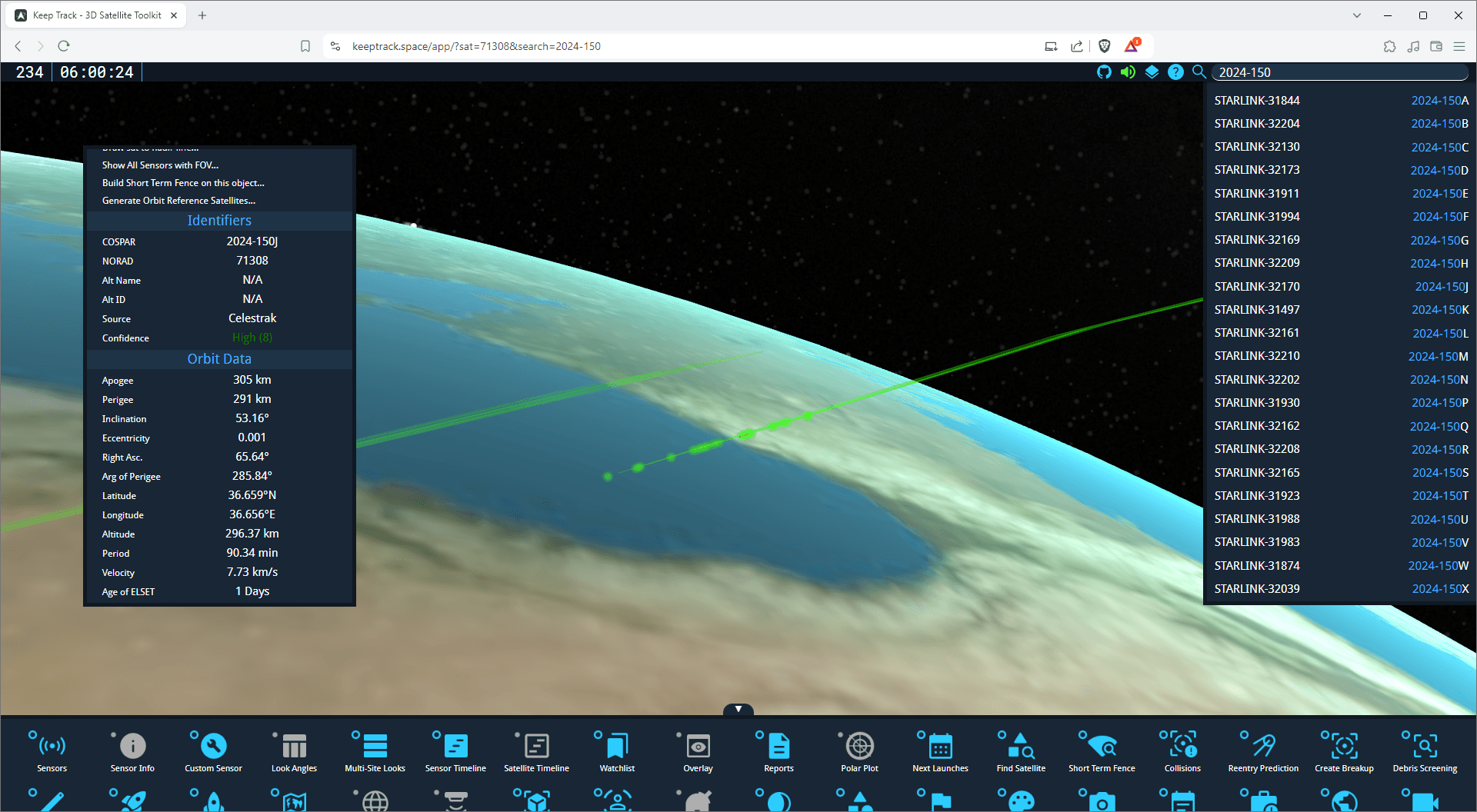
Recent Starlink launches, autonomous navigation for satellite swarms, major funding for asteroid mining, and insights into NASA's various projects and developments.

In 2024, China launched 68 orbital missions. In 2025, the number jumped to 97. In 2026, state media and Western analysts agree the target is 140 or more. Most of that growth is being driven by two state-backed mega-constellations, a half-dozen private launch companies hitting stride, and a deliberate national pivot toward commercial space. Beijing is no longer trying to catch SpaceX. It is trying to build an industrial base that outlasts one.
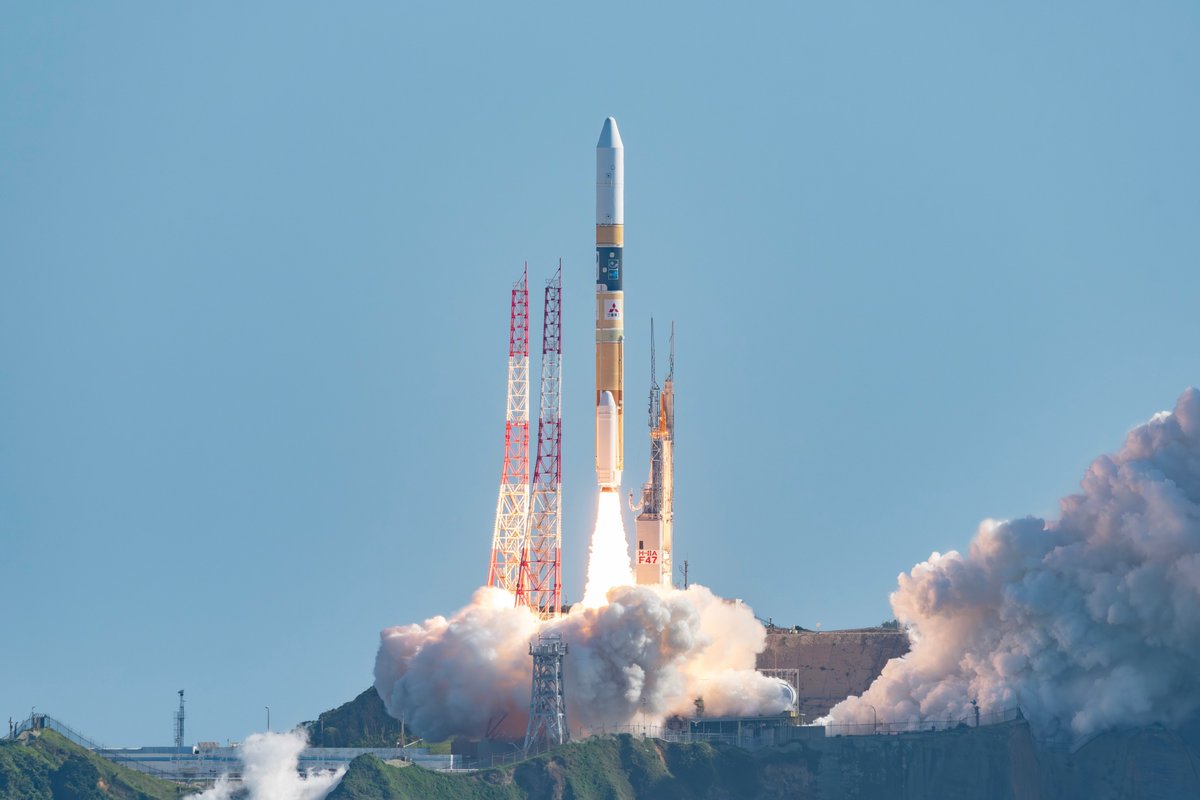
Today’s highlights focus on the launch preparations for the Dragoon Mission, China’s seismo-electromagnetic satellite launch, NASA budget cut impacts, and a major expansion by American Pacific Corporation.
Artemis 2 splashdown marks first crewed lunar flyby since Apollo 17 in 1972. Four astronauts completed historic mission, validating systems for Artemis 3 landing attempt.
SpaceX gears up for its 11th Starship test flight, while Starlink expands connectivity through partnerships with T-Mobile, enhancing app functionality beyond cellular coverage.

SpaceX gears up for a busy week with new Starship testing and enhanced Starlink capabilities on the horizon.