


Space Brief 3 Oct 2025
Today's Space Brief delves into military satellite advancements and significant contract awards for space platforms, alongside pivotal European missile warning systems.



NORAD ID
60075
International Designator
2024-113S
Decay Date
7/10/2024
Name
STARLINK-32116
Alternative Name
Starlink 32116
Type
Status
Owner
SPXS
Country
United States
Constellation
N/A
Related Satellites
Major Events
N/A
Length
0.3
Diameter
4.1
Span
29
Dry Mass
700
Launch Mass
730
Shape
Box + pan
Radar Cross Section
Unknown
Visual Magnitude
Unknown
Color
Unknown
Material Composition
Unknown
Payload
Starlink Group 9-1-17
Purpose
Communication
Mission
Communication
Manufacturer
SPXS
Life Expectancy
Unknown
Bus
Starlink V2M
Configuration
Starlink v2 Mini
Motor
Argon ion thrusters
Equipment
Ku/Ka/E-band payload, optical inter-satellite link
Power System
Solar arrays, batteries
ADCS
Unknown
Transmitter Frequency
Unknown
Learn more about satellites and other related topics.
Today's Space Brief delves into military satellite advancements and significant contract awards for space platforms, alongside pivotal European missile warning systems.
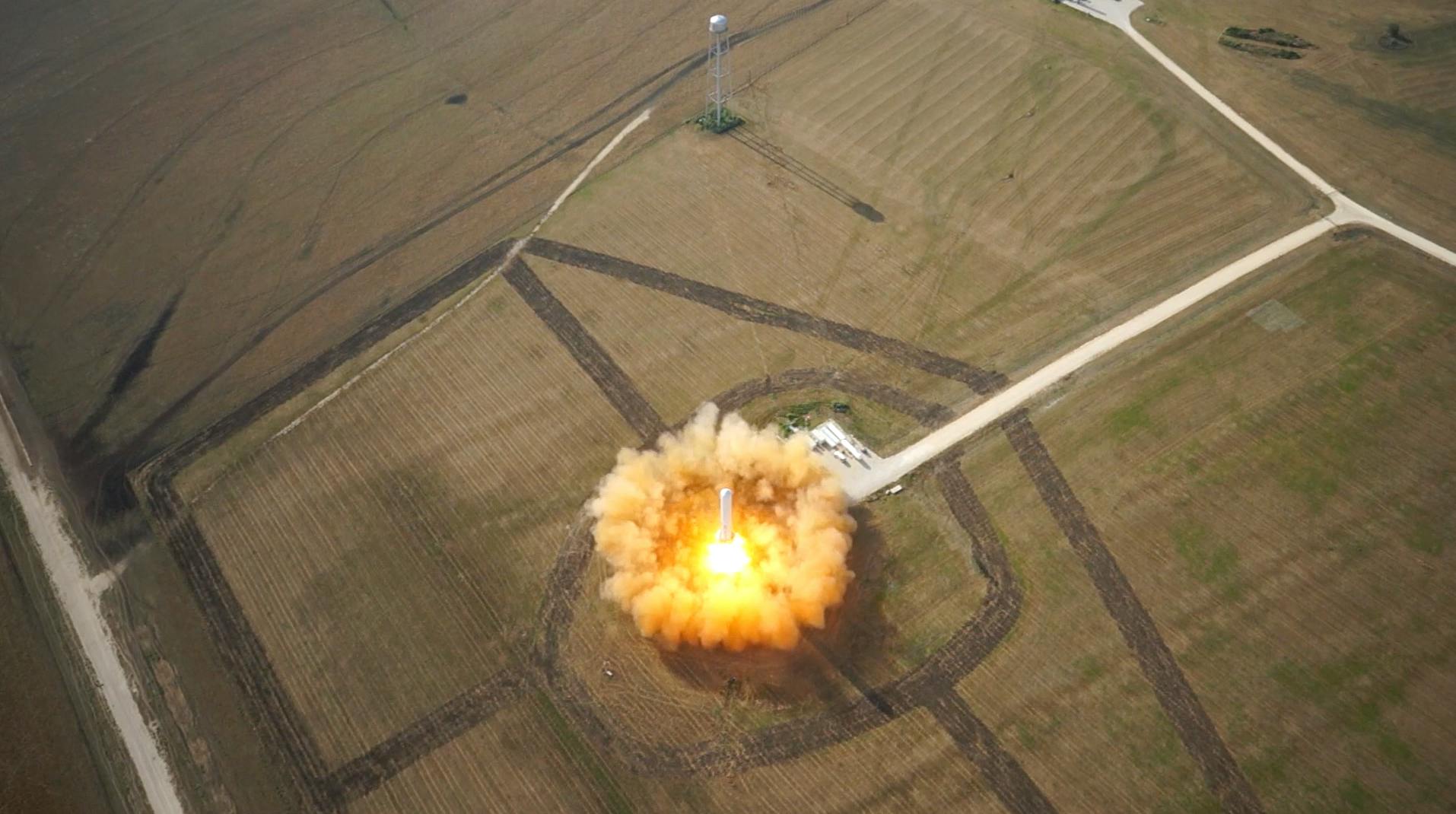
A partial breakup incident involving a Starlink satellite raised concerns, while SpaceX continued its ambitious projects and launches.
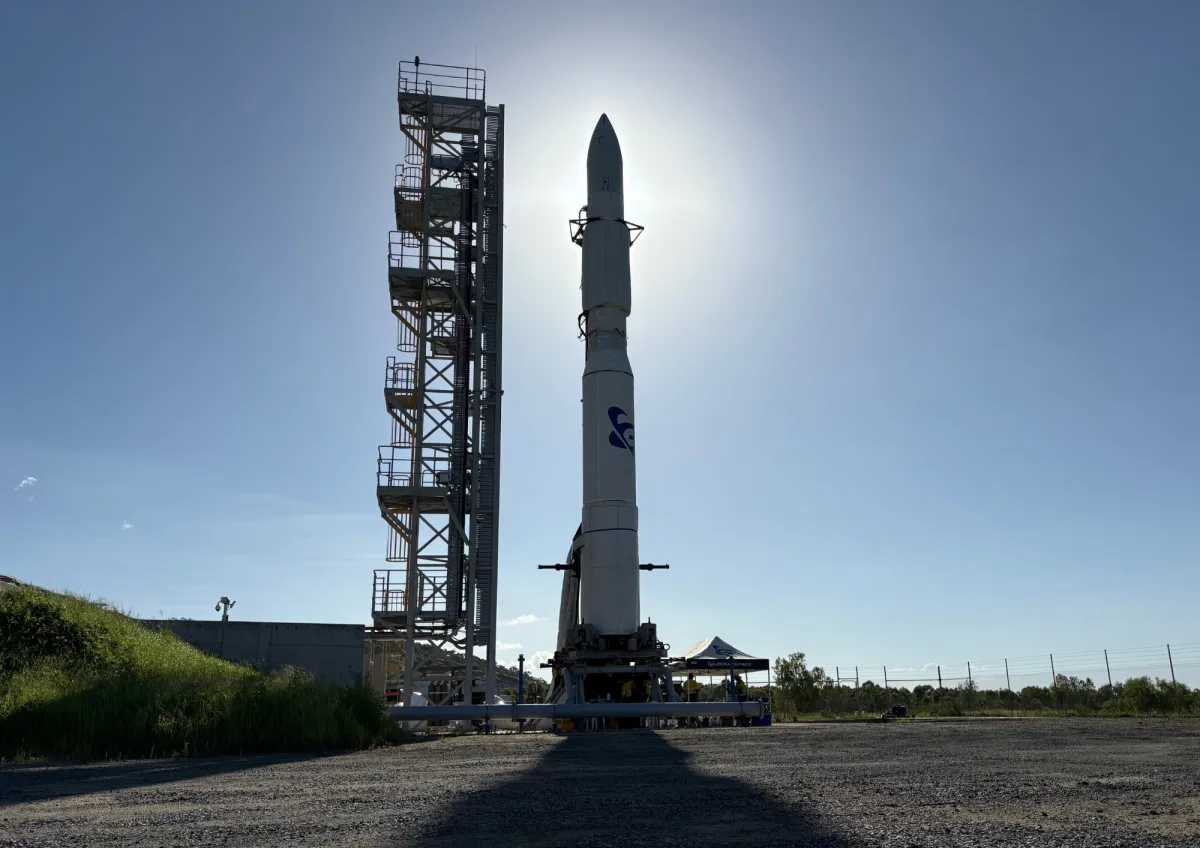
Today's brief covers the historic lunar touchdown by Firefly Aerospace's Blue Ghost lander, highlights in military space activity, and a reflection on Pearl Young's pioneering legacy at NASA.
Today's brief covers China's classified Shijian-28 satellite launch, AI-designed spacecraft records, and upcoming global launch activities.
Today's brief covers the Army's move to create a space career field for enlisted soldiers, Terran Orbital's involvement in a Space Force tech program, advancements in missile warning systems, a first flight test by Inversion Space, and more.

SpaceX lands Falcon 9 in The Bahamas for the second time ever during Starlink 10-34 mission. Scientists measure rocket reentry air pollution in real-time for the first time.

Fifty-four years ago, a Saturn V rocket lifted off carrying three astronauts determined to prove America could still reach the Moon after the near-disaster of Apollo 13

SpaceX Starlink launch cadence 2026: missions 26 and 27 lift off 37 minutes apart on March 13, with 25 and 29 satellites per Falcon 9, 54 in one morning.