


Space Brief 22 Dec 2025
Today's highlights include Rocket Lab's record year, setbacks in Japanese space endeavors, secure communication advancements in orbit, and more updates on martian expeditions.



Launch Date
June 1, 2024
Launch Site
Launch Pad
LC40
Launch Vehicle
NORAD ID
59941
International Designator
2024-106V
Epoch
Mon, 20 Jul 2026 07:44:12 GMT
Apogee
Calculating...
Perigee
Calculating...
Inclination
43.00°
Right Ascension
300.23°
Eccentricity
Calculating...
Argument of Perigee
252.61°
Period
94.27 min
Mean Motion
15.28 rev/day
Latitude
Calculating...
Longitude
Calculating...
Altitude
Calculating...
Velocity
Calculating...
Name
STARLINK-31948
Alternative Name
Starlink 31948
Type
Status
Owner
SPXS
Country
United States
Constellation
N/A
Related Satellites
Major Events
N/A
1 59941U 24106V 26201.32236527 -.00002185 00000+0 -69902-4 0 9999
2 59941 43.0016 300.2318 0001032 252.6114 107.4625 15.27586353120843
Source: Celestrak
Length
0.3
Diameter
4.1
Span
29
Dry Mass
700
Launch Mass
730
Shape
Box + pan
Radar Cross Section
Unknown
Visual Magnitude
Unknown
Color
Unknown
Material Composition
Unknown
Payload
Starlink Group 6-64-20
Purpose
Communication
Mission
Communication
Manufacturer
SPXS
Life Expectancy
Unknown
Bus
Starlink V2M
Configuration
Starlink v2 Mini
Motor
Argon ion thrusters
Equipment
Ku/Ka/E-band payload, optical inter-satellite link
Power System
Solar arrays, batteries
ADCS
Unknown
Transmitter Frequency
Unknown
Learn more about satellites and other related topics.
Today's highlights include Rocket Lab's record year, setbacks in Japanese space endeavors, secure communication advancements in orbit, and more updates on martian expeditions.
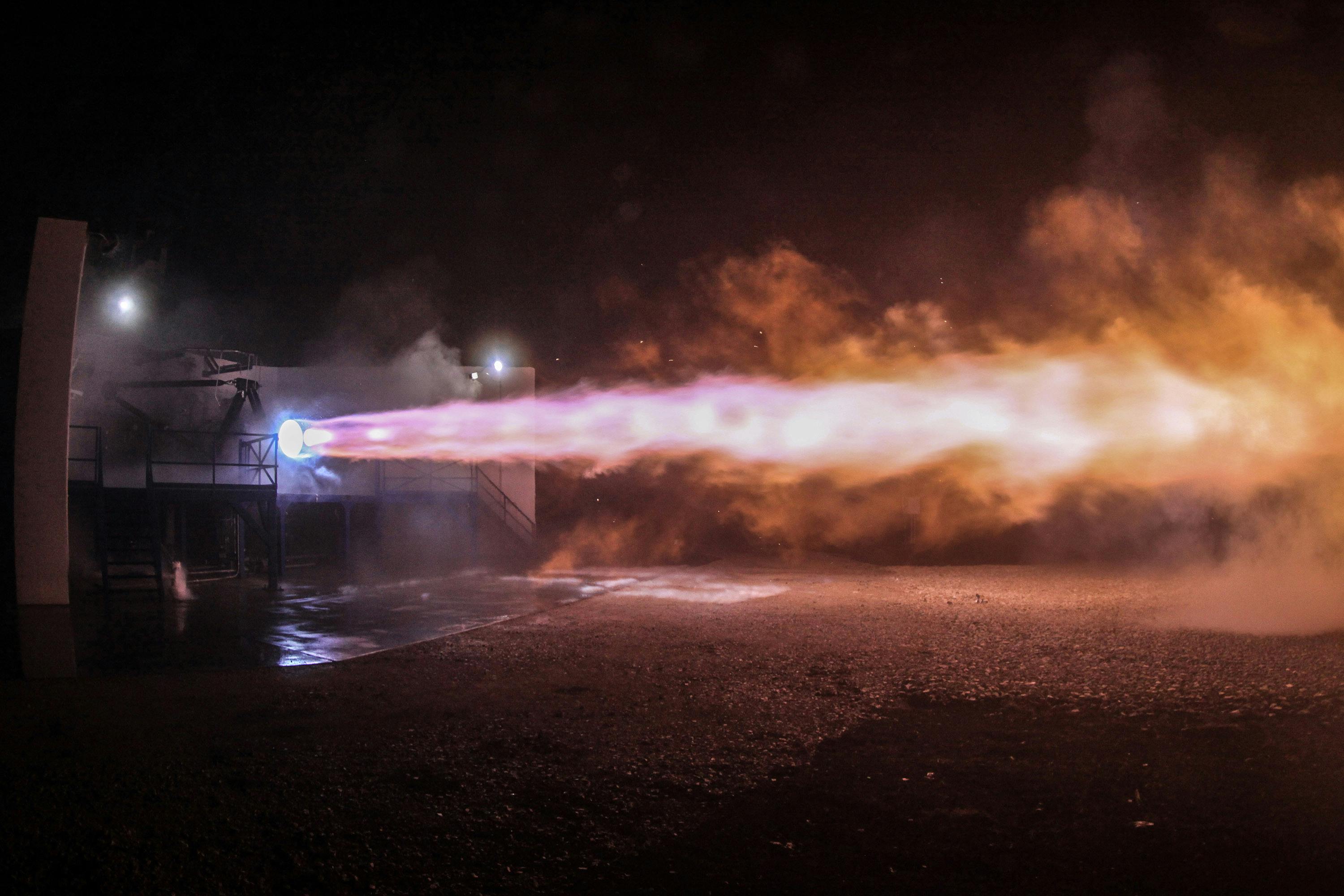
SpaceX has confirmed plans for an IPO and successfully launched multiple batches of Starlink satellites, advancing its mission for global internet coverage.
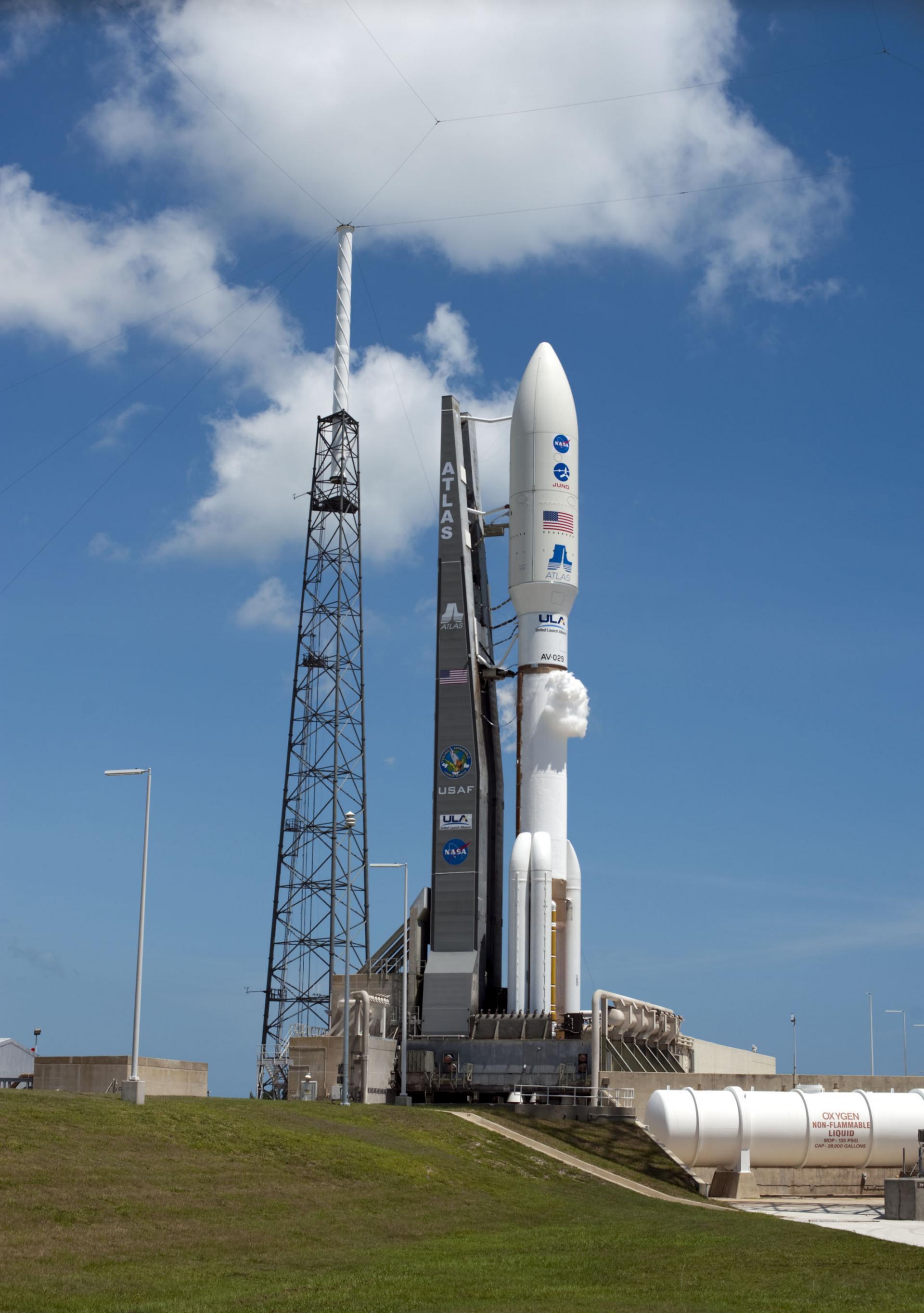
U.S. GSSAP satellites execute coordinated GEO maneuvers for continuous surveillance of Chinese Shijian-29 spacecraft. Handoff approach maintains coverage with zero gaps.
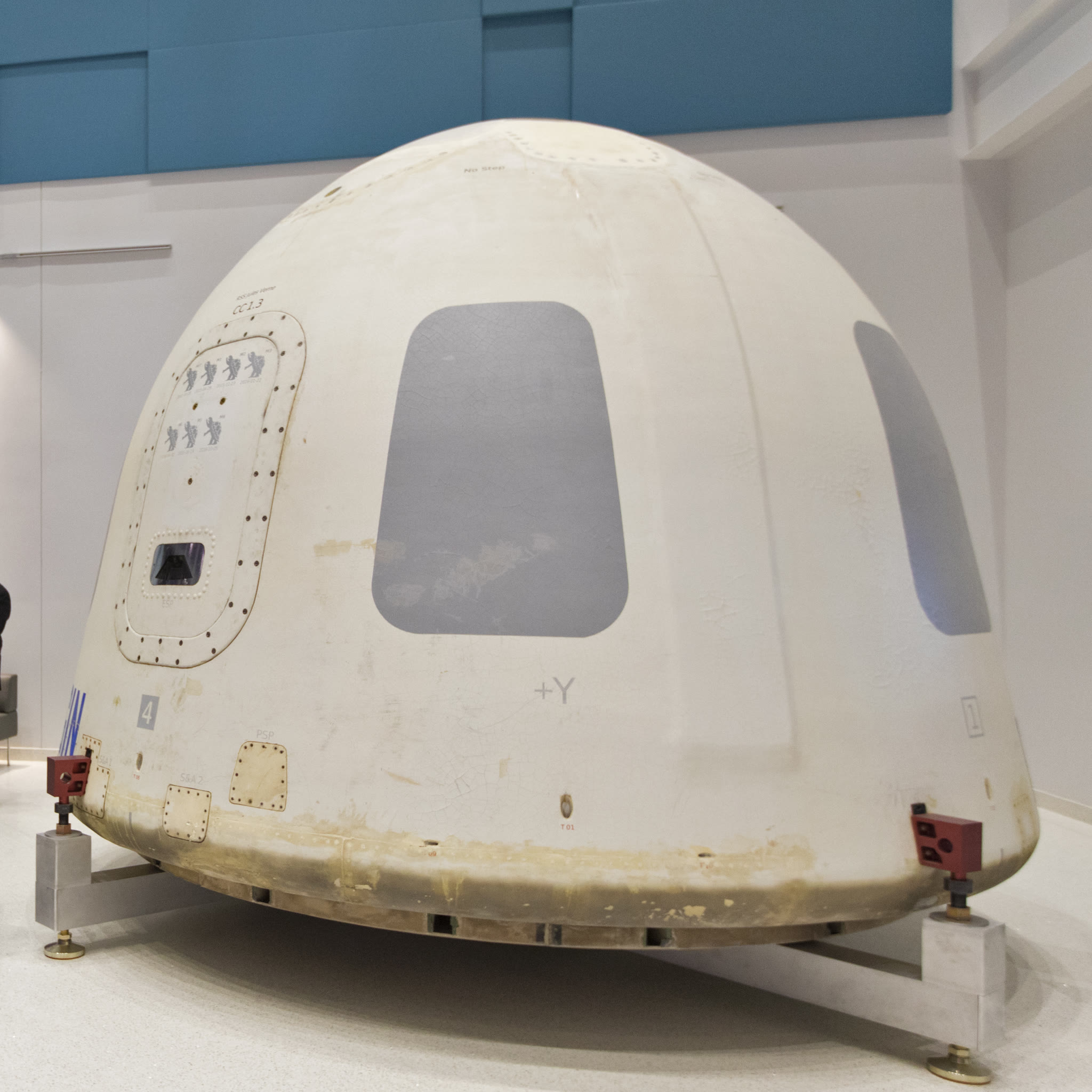
Twenty-two years after SpaceShipOne, the two companies that defined suborbital tourism are both sitting on the ground. Blue Origin parked New Shepard in January, Virgin Galactic has not flown a customer since 2024, and the math behind the whole business is finally getting an honest look.
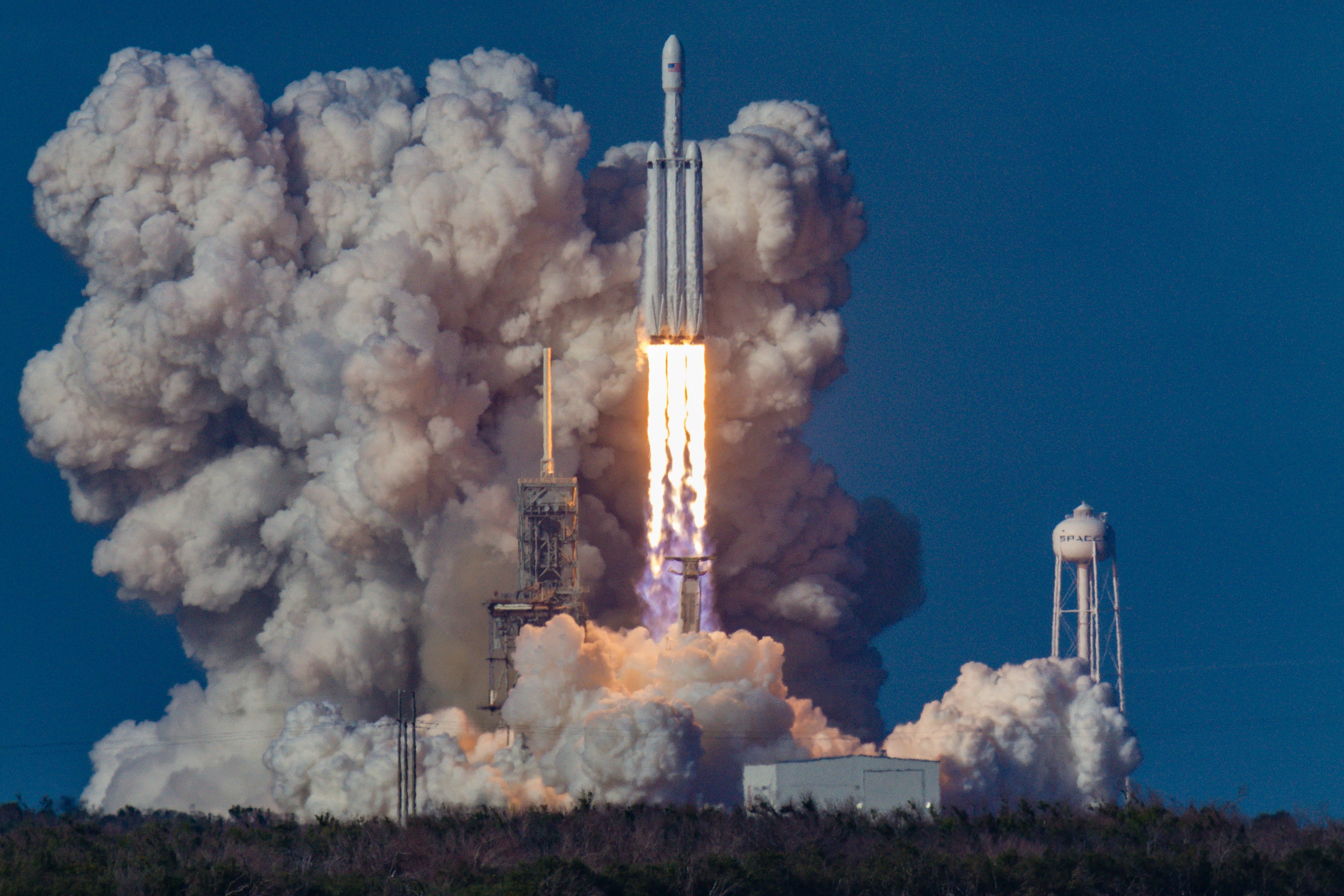
Falcon Heavy completed its 12th flight ever on April 29, ending an 18-month stand-down by lofting the 6-ton ViaSat-3 F3 comsat to GTO.

Today's key space events include a milestone Falcon booster landing, advances in US military satellite operations, and a new missile defense initiative.

Today's brief covers a new Space Force contract for advanced tracking systems, innovative debris removal strategies, pivotal new satellite launches, and significant updates in air quality tracking from orbit.
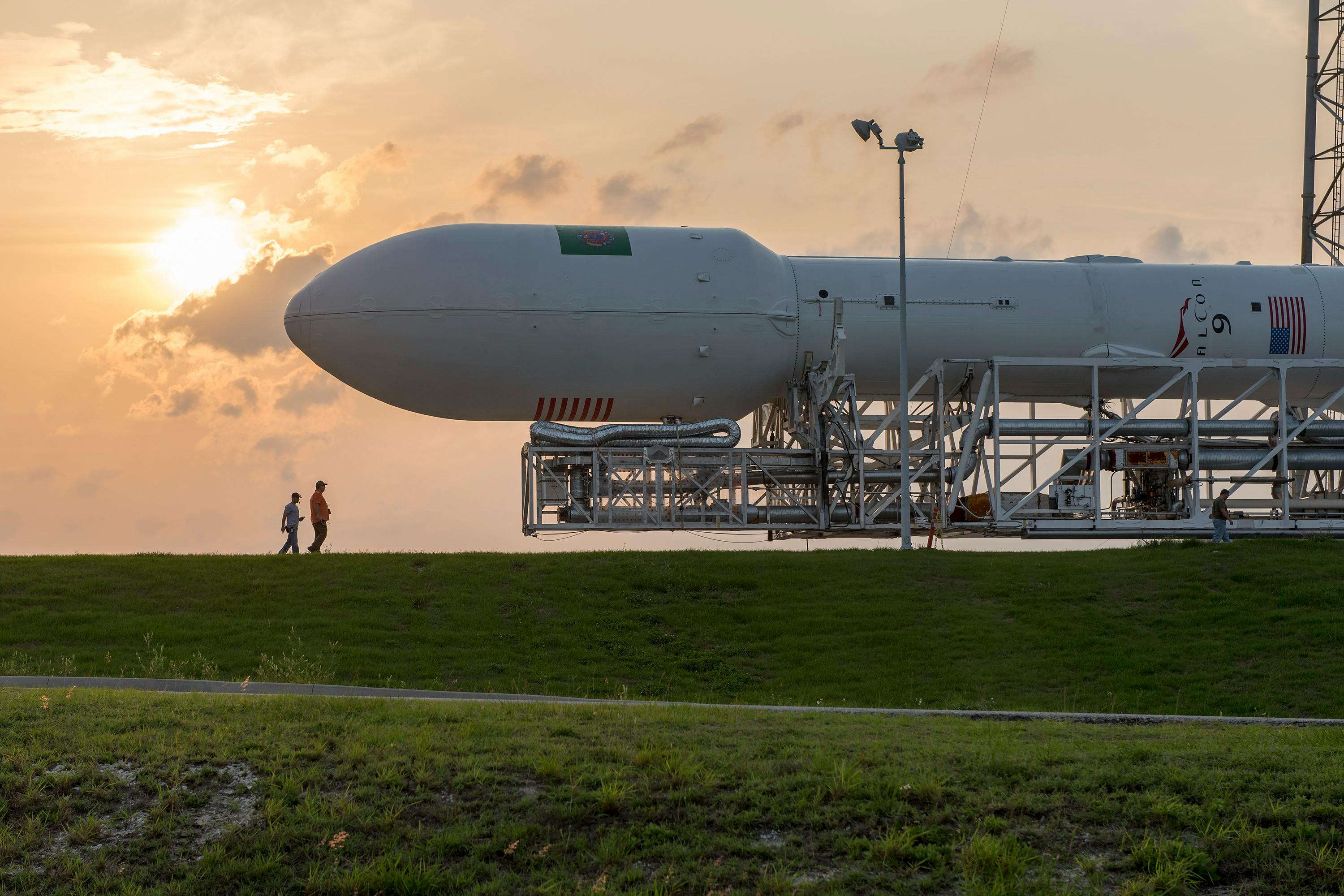
SpaceX successfully launched a batch of Starlink satellites today while introducing new features to enhance user experience. Their rideshare program continues to see increased demand, proving popular among customers.