


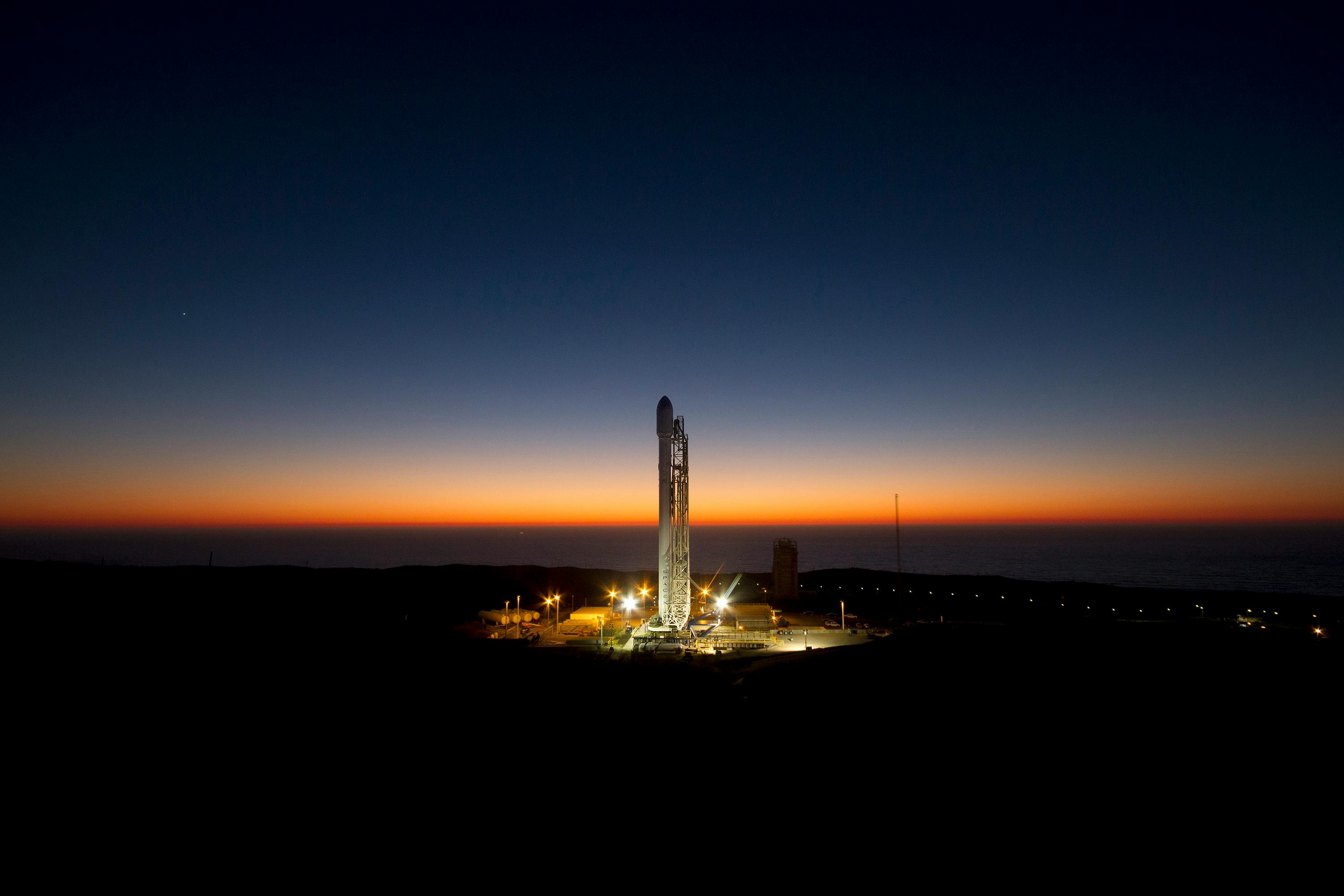
X Report 21 Jan 2025
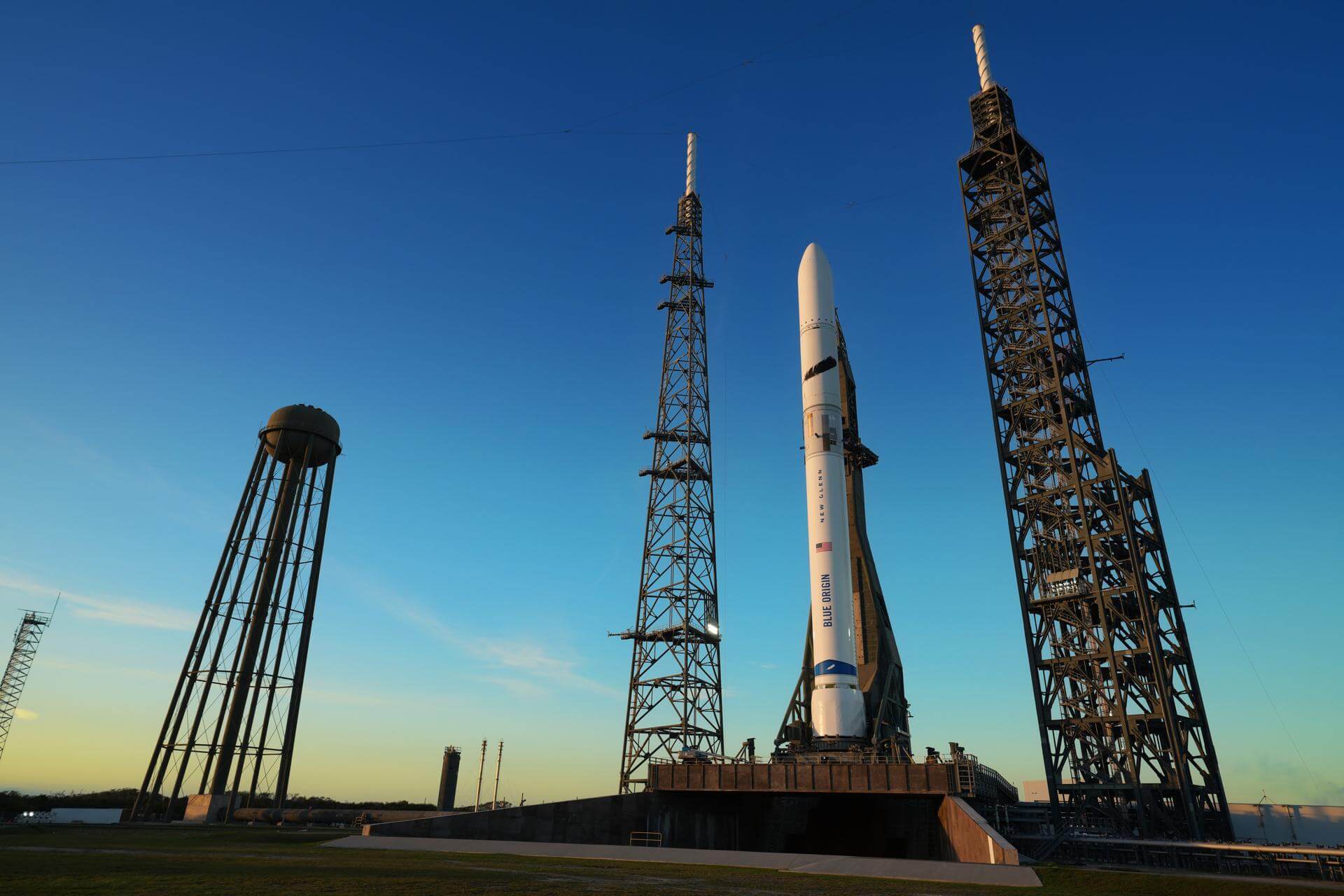
SpaceX successfully launches 21 Starlink satellites, marking their return post-Starship explosion. Starship's recent test flight leaves debris washing ashore, while Blue Origin's New Glenn debut sparks discussion.


Launch Date
January 1, 45405
Launch Site
Rocket Lab Launch Complex 1, Māhia, New Zealand
Launch Pad
LC1B
Launch Vehicle
Electron
NORAD ID
59588
International Designator
2024-077B
Epoch
Sun, 19 Jul 2026 16:48:18 GMT
Apogee
Calculating...
Perigee
Calculating...
Inclination
97.18°
Right Ascension
112.29°
Eccentricity
Calculating...
Argument of Perigee
31.31°
Period
103.19 min
Mean Motion
13.95 rev/day
Latitude
Calculating...
Longitude
Calculating...
Altitude
Calculating...
Velocity
Calculating...
Name
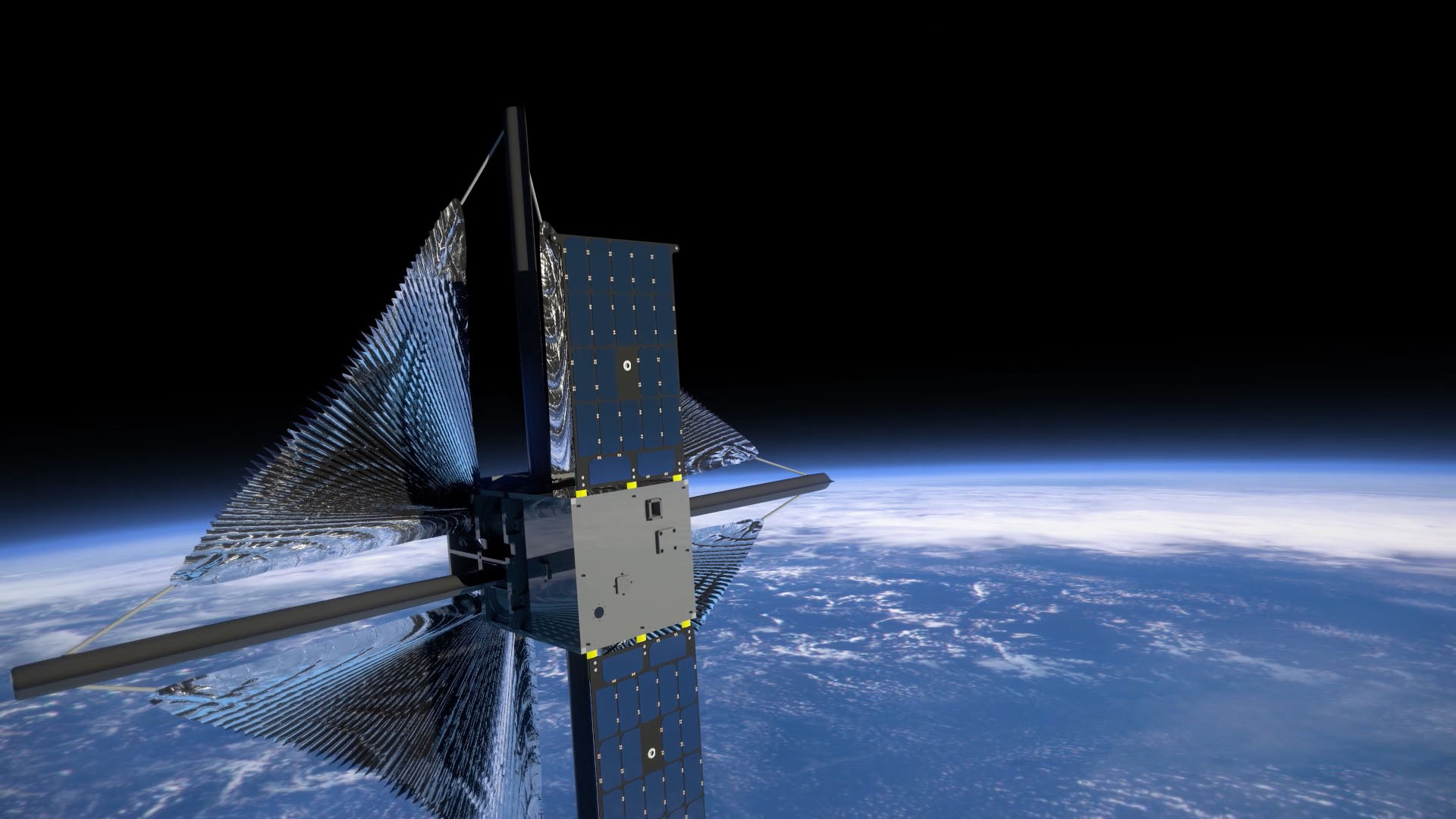
ACS3
Alternative Name
Advanced Composite Solar Sail System
Type
Status
Owner
NASA Ames Research Center
Country
United States
Constellation
N/A
Related Satellites
Major Events
2024-04-23: Launch; 2024-08-29: Successful deployment of solar sail; 2024-10-25: Detection of slight bend in one boom, mission continues.
1 59588U 24077B 26200.70021256 .00003608 00000+0 25000-2 0 9993
2 59588 97.1775 112.2879 0129376 31.3060 329.5729 13.95428126112578
Source: Celestrak
Length
0.3
Diameter
0.2
Span
12.7
Dry Mass
16.1
Launch Mass
16.1
Shape
Box with deployed sail
Radar Cross Section
Unknown
Visual Magnitude
2
Color
Silver (sail) and white (bus)
Material Composition
Polyethylene naphthalate film coated with aluminum and chromium; carbon fiber reinforced polymer booms.
Payload
Advanced Composite Solar Sail System
Purpose
Demonstrate the deployment and functionality of a solar sail using composite booms for future small spacecraft missions.
Mission
Technology demonstration of solar sail propulsion using advanced composite materials.
Manufacturer
Kongsberg NanoAvionics
Life Expectancy
Ongoing; mission operations continue as of February 2025.
Bus
CubeSat 12U
Configuration
CubeSat (12U)
Motor
None
Equipment
Solar sail
Power System
Solar cells and batteries
ADCS
Three-axis stabilization
Transmitter Frequency
401.5 MHz, 2.268 GHz
Learn more about satellites and other related topics.
SpaceX successfully launches 21 Starlink satellites, marking their return post-Starship explosion. Starship's recent test flight leaves debris washing ashore, while Blue Origin's New Glenn debut sparks discussion.

Today's highlights include key advancements for the Dream Chaser, SpaceX's record launches, Moon mission crowding concerns, and updates in European space policy.
Today's highlights include advances in space tracking technology by the US Space Force, SpaceX's infrastructure expansion, and a spectacular birthday landing on Earth. Additionally, we spotlight a significant exoplanetary discovery and satellite updates.

Artemis II SLS/Orion rolls to Launch Complex 39B for first crewed lunar mission since 1972. China suffers dual launch failures on the same day. SpainSat NG 2 declared total loss from debris strike.

Three Chinese rocket bodies have exploded over four years, creating debris clouds that will linger for decades to centuries, according to LeoLabs analysis. Fragmentation events threaten commercial and military operators.

Today's space updates include a new EU space commissioner's priorities, insights from declassified satellite images, and an update on NASA's Europa Clipper mission. A highlight in the Satellite Spotlight features the Russian satellite COSMOS 2070.

Starbase expansion progresses and Germany eyes its own satellite constellation.
Highlighting India's significant military satellite launch, real-time satellite tracking developments in Europe, SpaceX's new rideshare mission, and more space industry news.