


$4.16B Golden Dome Contract Awarded to SpaceX | KeepTrack X Report
SpaceX wins a $4.16B Pentagon contract for missile-tracking satellites, while hitting its 50th Starlink launch of 2026 in a landmark May.



Launch Date
April 17, 2024
Launch Site
Launch Pad
LC39A
Launch Vehicle
NORAD ID
59521
International Designator
2024-073L
Epoch
Sun, 19 Jul 2026 06:13:48 GMT
Apogee
Calculating...
Perigee
Calculating...
Inclination
43.00°
Right Ascension
295.31°
Eccentricity
Calculating...
Argument of Perigee
270.79°
Period
94.27 min
Mean Motion
15.28 rev/day
Latitude
Calculating...
Longitude
Calculating...
Altitude
Calculating...
Velocity
Calculating...
Name
STARLINK-31404
Alternative Name
Starlink 31404
Type
Status
Owner
SPXS
Country
United States
Constellation
N/A
Related Satellites
Major Events
N/A
1 59521U 24073L 26200.25959227 .00001289 00000+0 56345-4 0 9995
2 59521 43.0020 295.3128 0001121 270.7907 89.2817 15.27578015126296
Source: Celestrak
Length
0.3
Diameter
4.1
Span
29
Dry Mass
700
Launch Mass
730
Shape
Box + pan
Radar Cross Section
Unknown
Visual Magnitude
Unknown
Color
Unknown
Material Composition
Unknown
Payload
Starlink Group 6-51-11
Purpose
Communication
Mission
Communication
Manufacturer
SPXS
Life Expectancy
Unknown
Bus
Starlink V2M
Configuration
Starlink v2 Mini
Motor
Argon ion thrusters
Equipment
Ku/Ka/E-band payload, optical inter-satellite link
Power System
Solar arrays, batteries
ADCS
Unknown
Transmitter Frequency
Unknown
Learn more about satellites and other related topics.
SpaceX wins a $4.16B Pentagon contract for missile-tracking satellites, while hitting its 50th Starlink launch of 2026 in a landmark May.

Today's briefing covers the Long March 12A's first launch, a major advance in space radio communication, and highlights from key military developments impacting space operations.
SpaceX launches its 32nd cargo mission to the ISS, and NRO marks a milestone with over 200 satellites deployed.
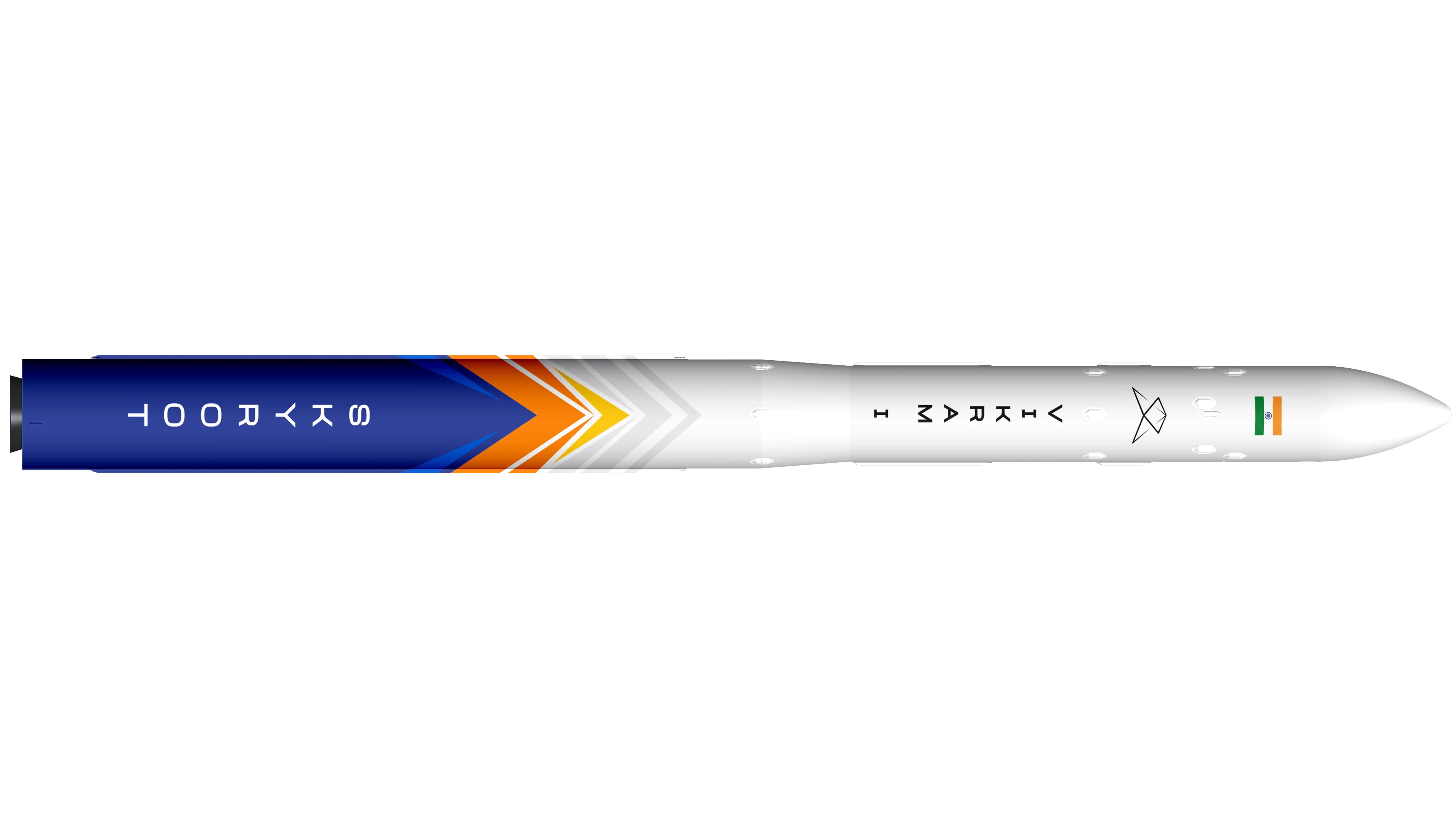
Hypersonica completes Mach 6+ hypersonic missile flight test in Norway covering 300+ km. Pentagon seeks commercial GEO spy satellites. Gilat wins $9M Israeli defense satcom deal.
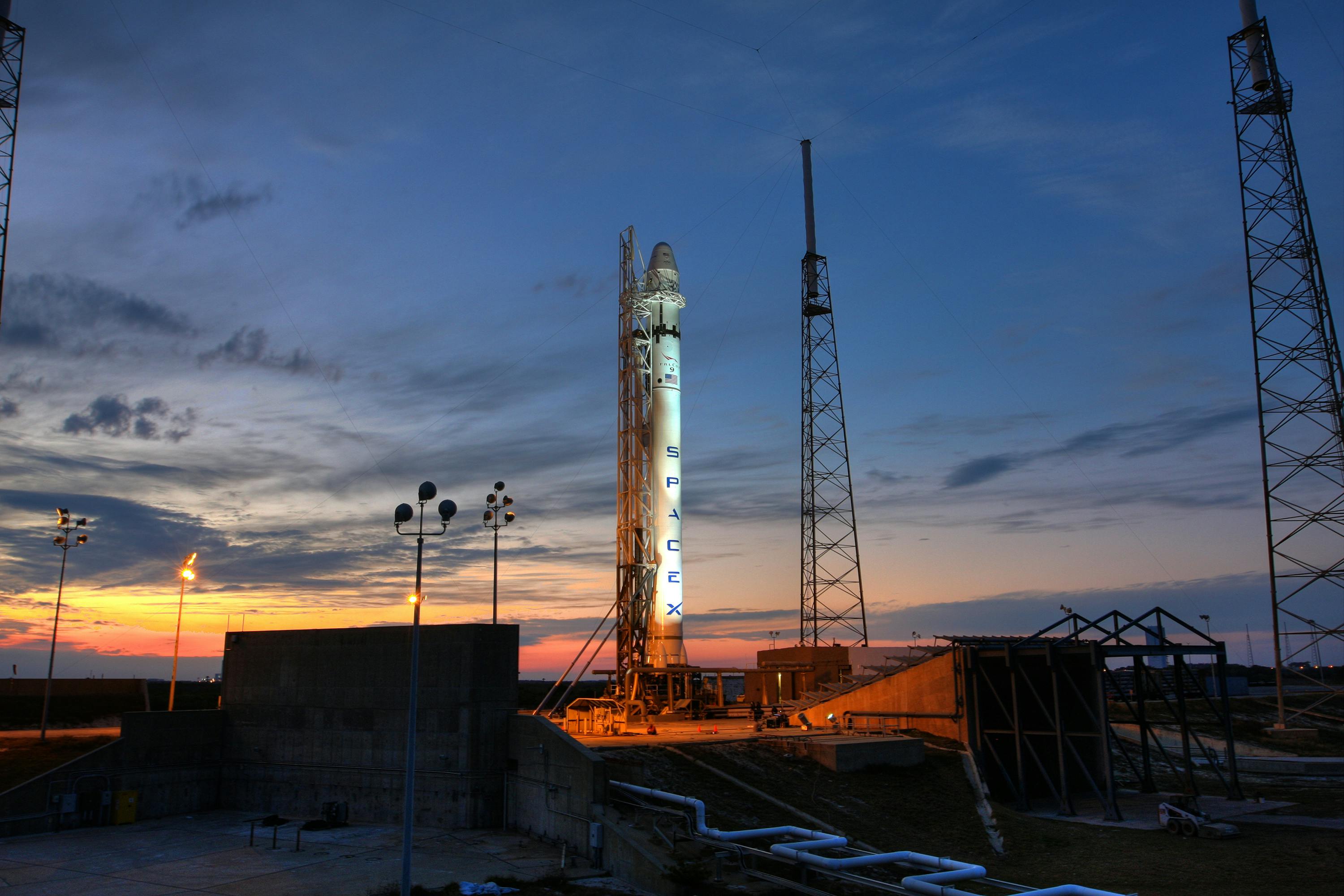
SpaceX launches 29 Starlink satellites in first deployment since recent satellite issues. Falcon 9 also delivers Italy's COSMO-SkyMed CSG-FM3 from Vandenberg. Starship plans solidified for 2026.
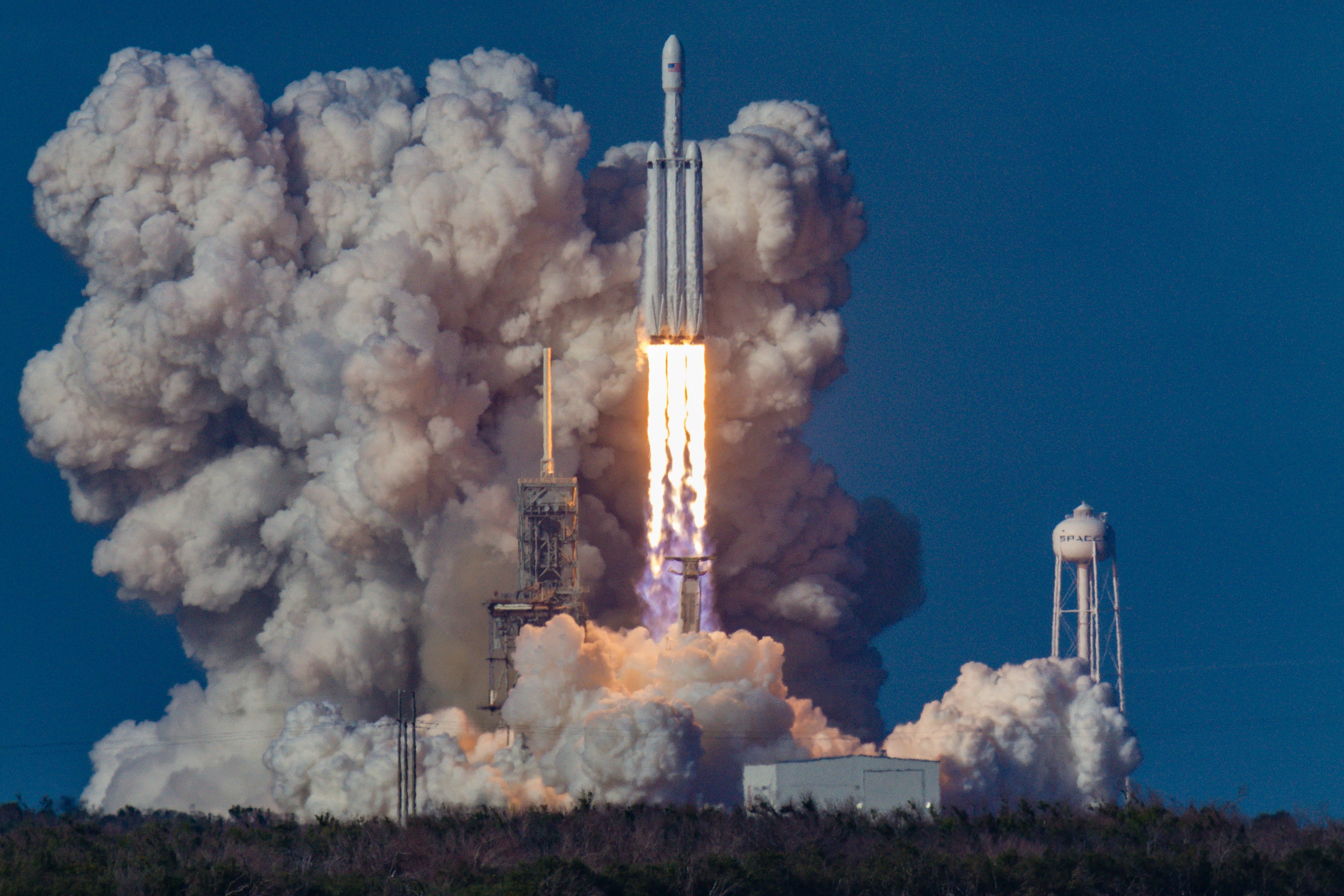
SpaceX gears up for an exciting July with a doubleheader launch planned for the east coast and ongoing advancements in Starlink technology.
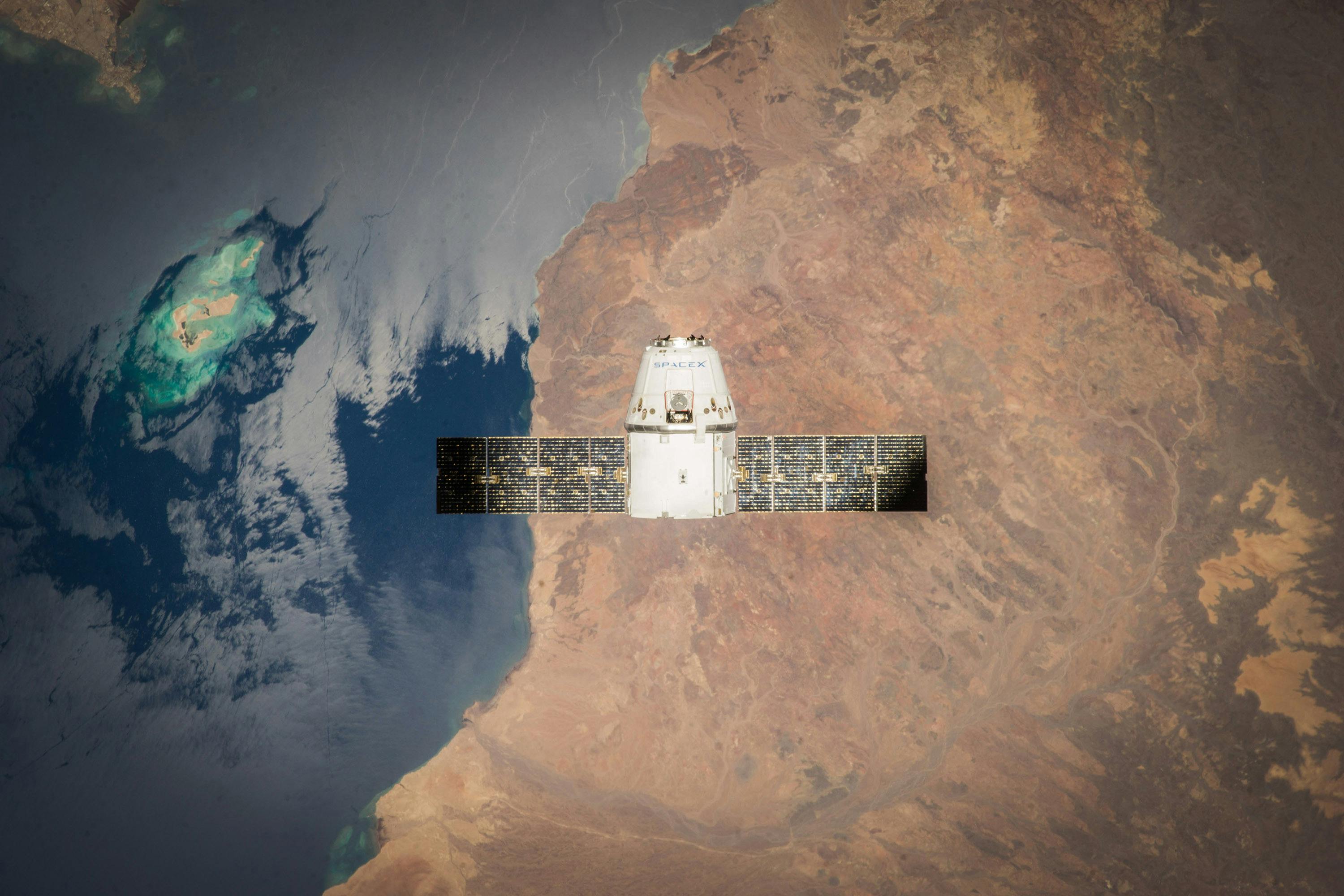
Wall Street analyst Dan Ives predicts a Tesla-SpaceX merger by 2027, while a quantum magnetometer launches March 30 on Falcon 9 rideshare.
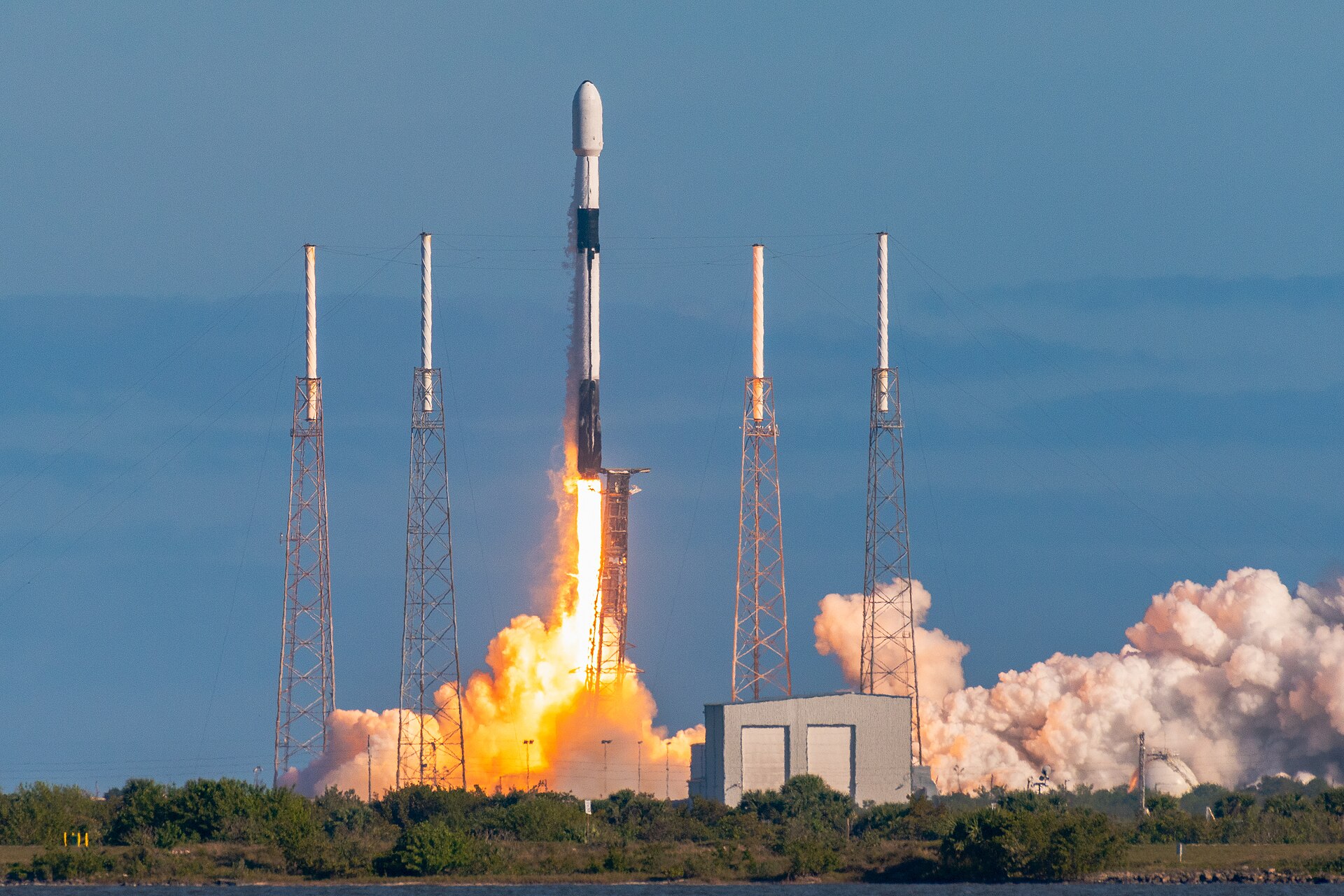
Object 55056 rode a SpaceX rideshare into orbit carrying more than customer satellites. It carried the survival of Momentus, a company that had already lost its founder to a national security review, settled SEC fraud charges, and watched its first space tug die in orbit.