


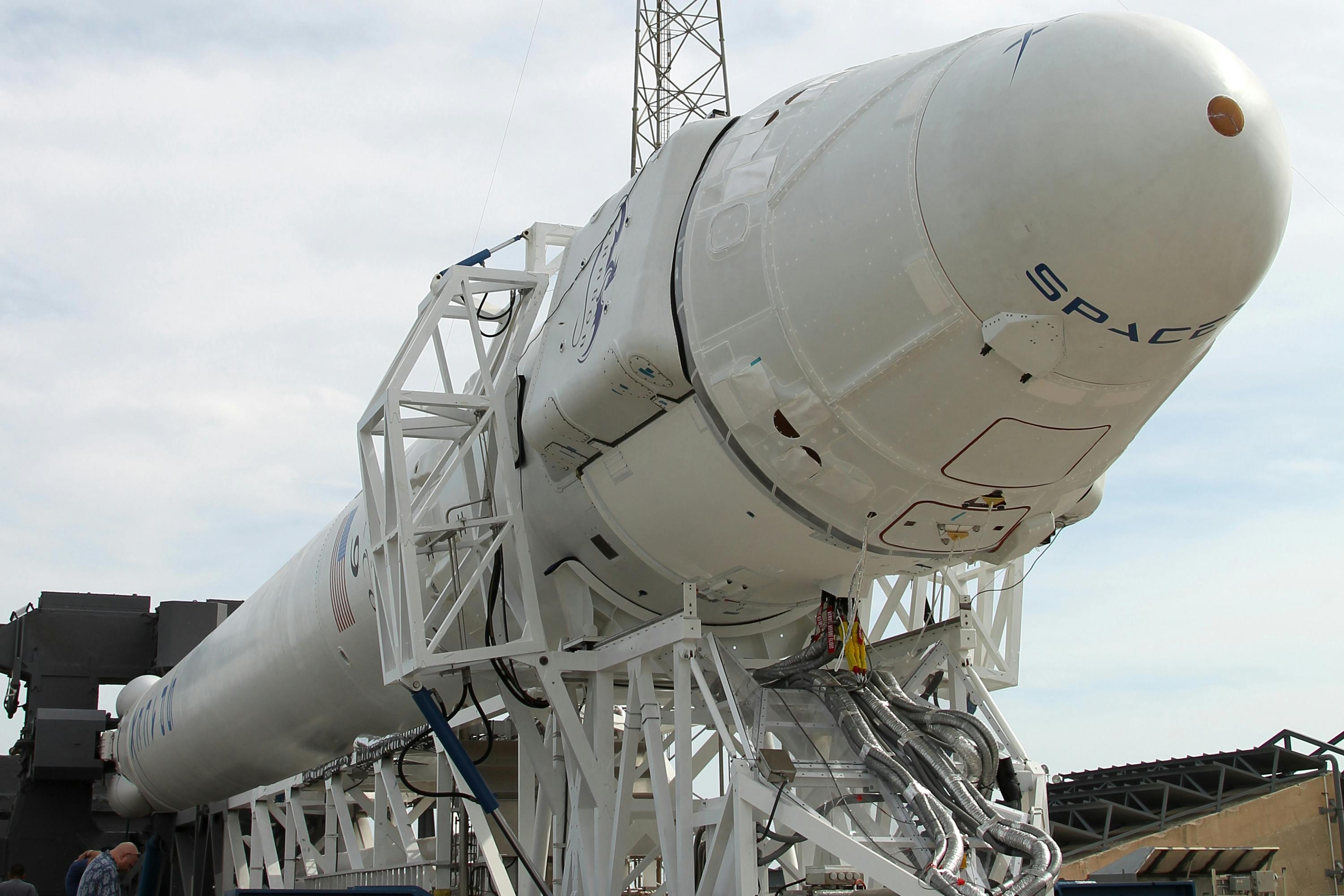
X Report 13 Nov 2024
SpaceX launches more Starlink satellites as Starship prepares for full stack testing, amidst Musk's new governmental role.



Launch Date
April 17, 2024
Launch Site
Launch Pad
LC39A
Launch Vehicle
NORAD ID
59517
International Designator
2024-073G
Epoch
Mon, 20 Jul 2026 06:34:03 GMT
Apogee
Calculating...
Perigee
Calculating...
Inclination
43.00°
Right Ascension
289.17°
Eccentricity
Calculating...
Argument of Perigee
280.98°
Period
94.27 min
Mean Motion
15.28 rev/day
Latitude
Calculating...
Longitude
Calculating...
Altitude
Calculating...
Velocity
Calculating...
Name
STARLINK-31674
Alternative Name
Starlink 31674
Type
Status
Owner
SPXS
Country
United States
Constellation
N/A
Related Satellites
Major Events
N/A
1 59517U 24073G 26201.27365138 -.00000269 00000+0 -25239-6 0 9994
2 59517 43.0002 289.1690 0001046 280.9776 79.0958 15.27575546126456
Source: Celestrak
Length
0.3
Diameter
4.1
Span
29
Dry Mass
700
Launch Mass
730
Shape
Box + pan
Radar Cross Section
Unknown
Visual Magnitude
Unknown
Color
Unknown
Material Composition
Unknown
Payload
Starlink Group 6-51-07
Purpose
Communication
Mission
Communication
Manufacturer
SPXS
Life Expectancy
Unknown
Bus
Starlink V2M
Configuration
Starlink v2 Mini
Motor
Argon ion thrusters
Equipment
Ku/Ka/E-band payload, optical inter-satellite link
Power System
Solar arrays, batteries
ADCS
Unknown
Transmitter Frequency
Unknown
Learn more about satellites and other related topics.
SpaceX launches more Starlink satellites as Starship prepares for full stack testing, amidst Musk's new governmental role.
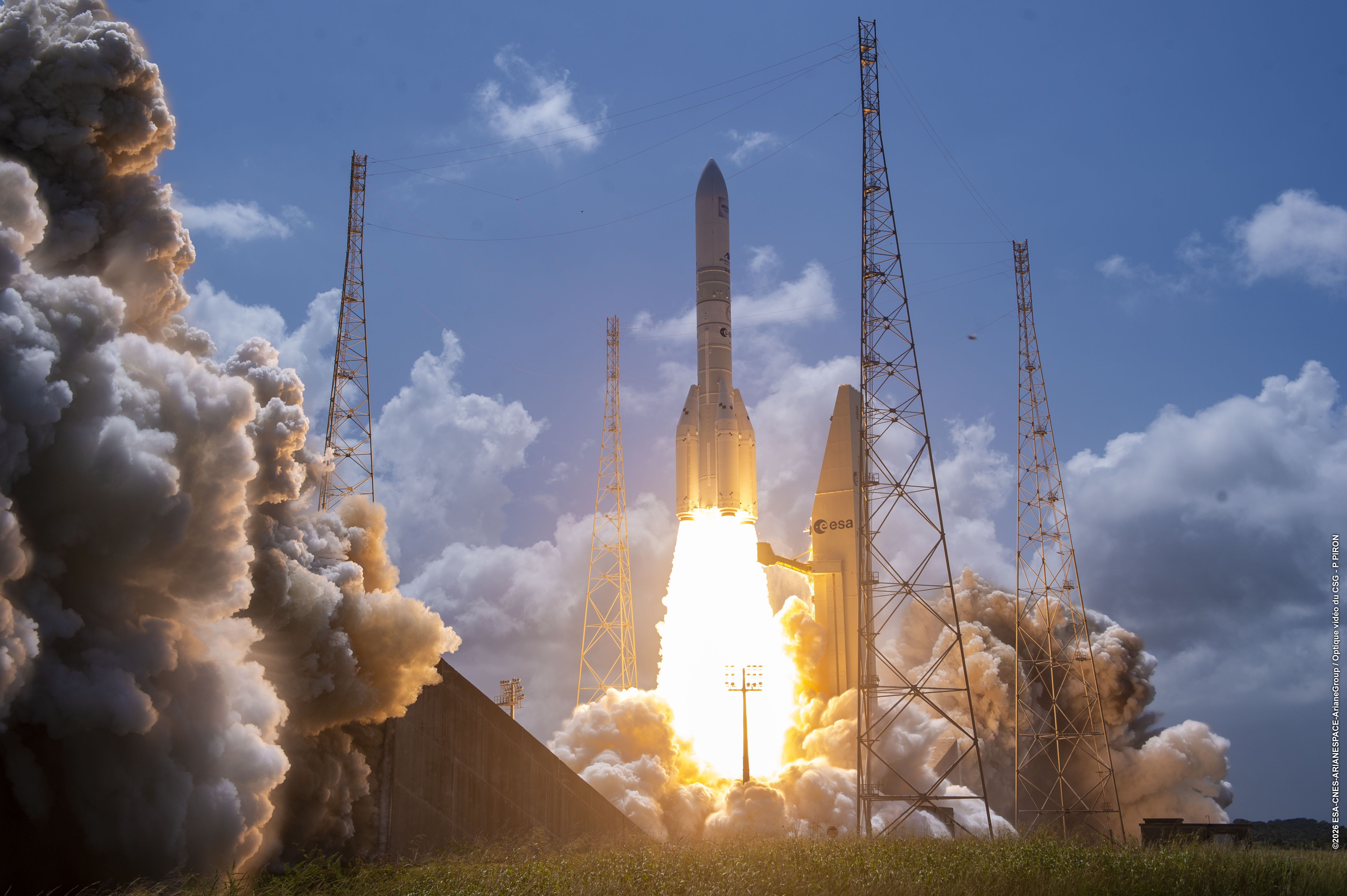
China successfully recovered a Long March 10C first stage booster, positioning the methalox rocket as its primary commercial launcher. Reusable boosters reshape Beijing's LEO constellation strategy.
Space Force RCO awarded SBIR contracts for radar-detection payloads to counter adversary surveillance of U.S. satellites. Follow-on miniaturization effort already planned.
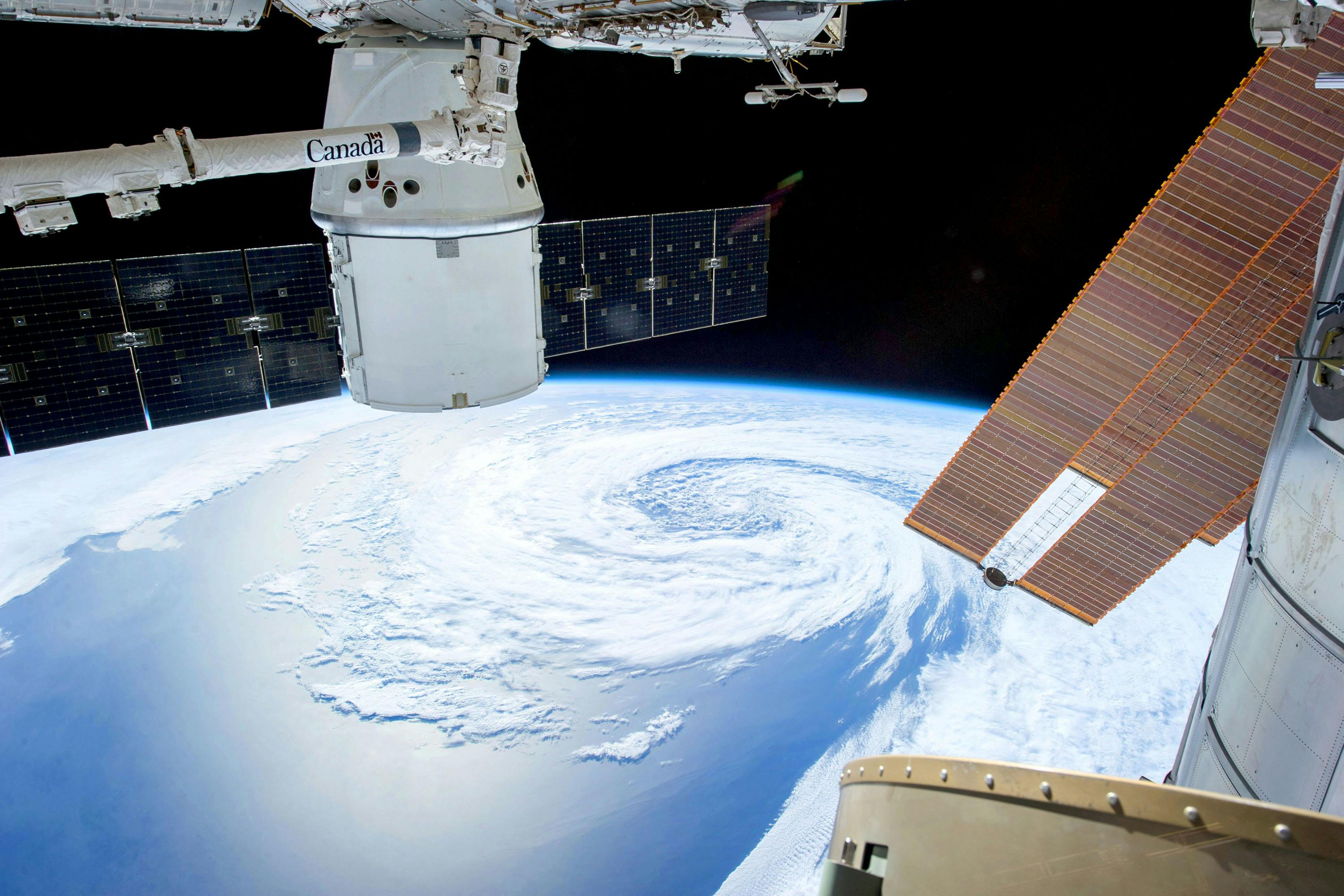
SpaceX launches NROL-105 spy satellite from Vandenberg — first national security mission of 2026. Crew-11 astronauts arrive in Houston after historic first-ever ISS medical evacuation.

Today's Space Brief highlights major developments including NASA's Dream Chaser contract modifications, Germany's significant investment in space capabilities, and advancements in hybrid satcom technology.
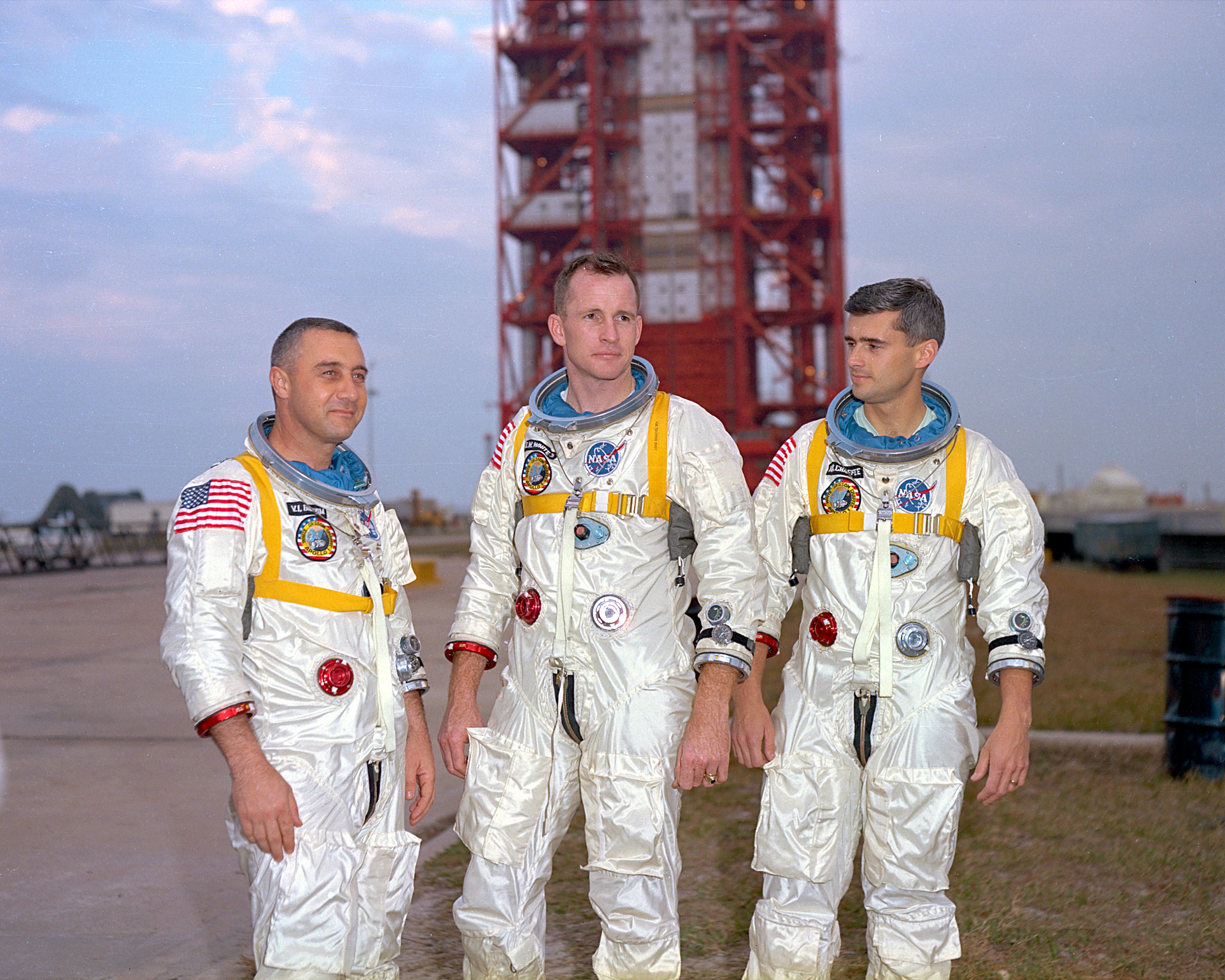
Fifty-eight years ago, a tragic fire during a routine test transformed spacecraft design and created the foundation of modern spaceflight safety culture
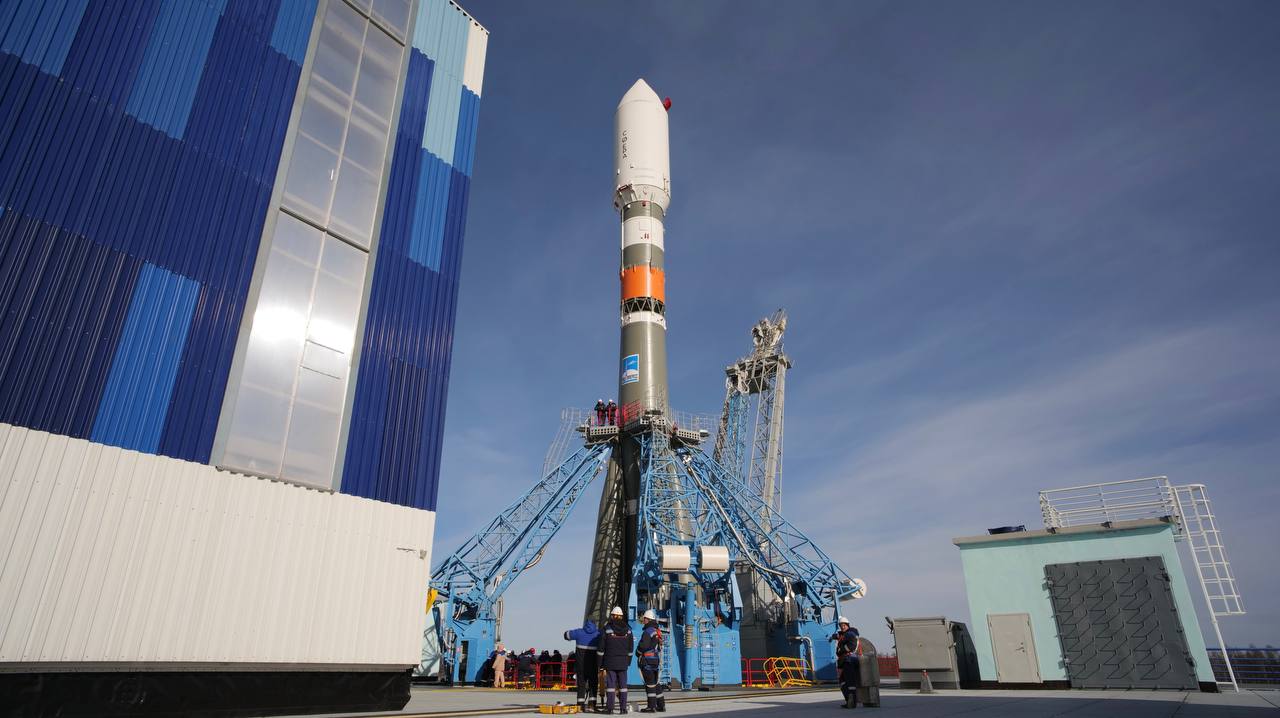
Today's brief covers influential space events including Space Force's interest in Starship, U.S. military constellation advancements, and technological developments in counter-drone capabilities.
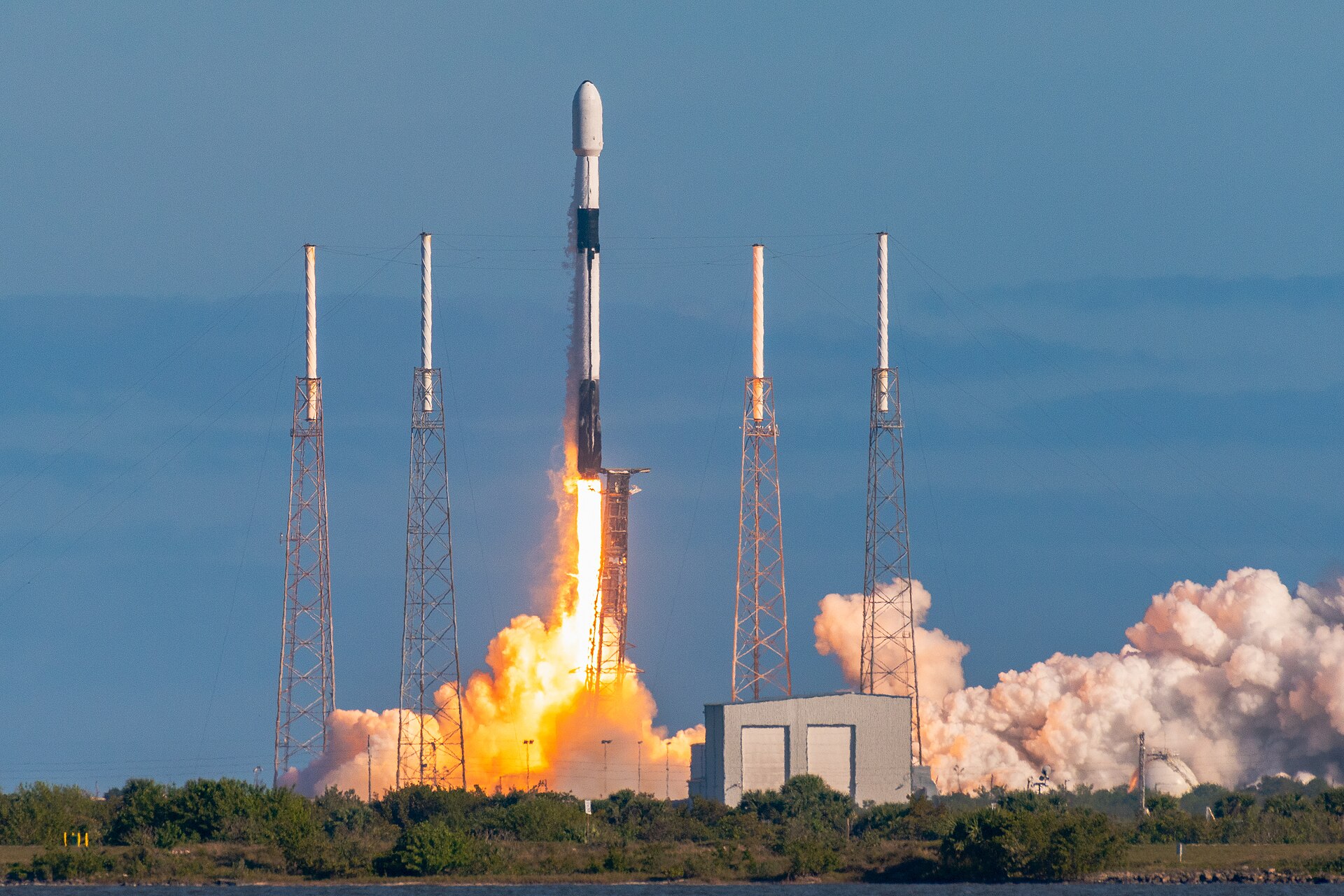
Object 55056 rode a SpaceX rideshare into orbit carrying more than customer satellites. It carried the survival of Momentus, a company that had already lost its founder to a national security review, settled SEC fraud charges, and watched its first space tug die in orbit.