


Space Brief 29 Jun 2025
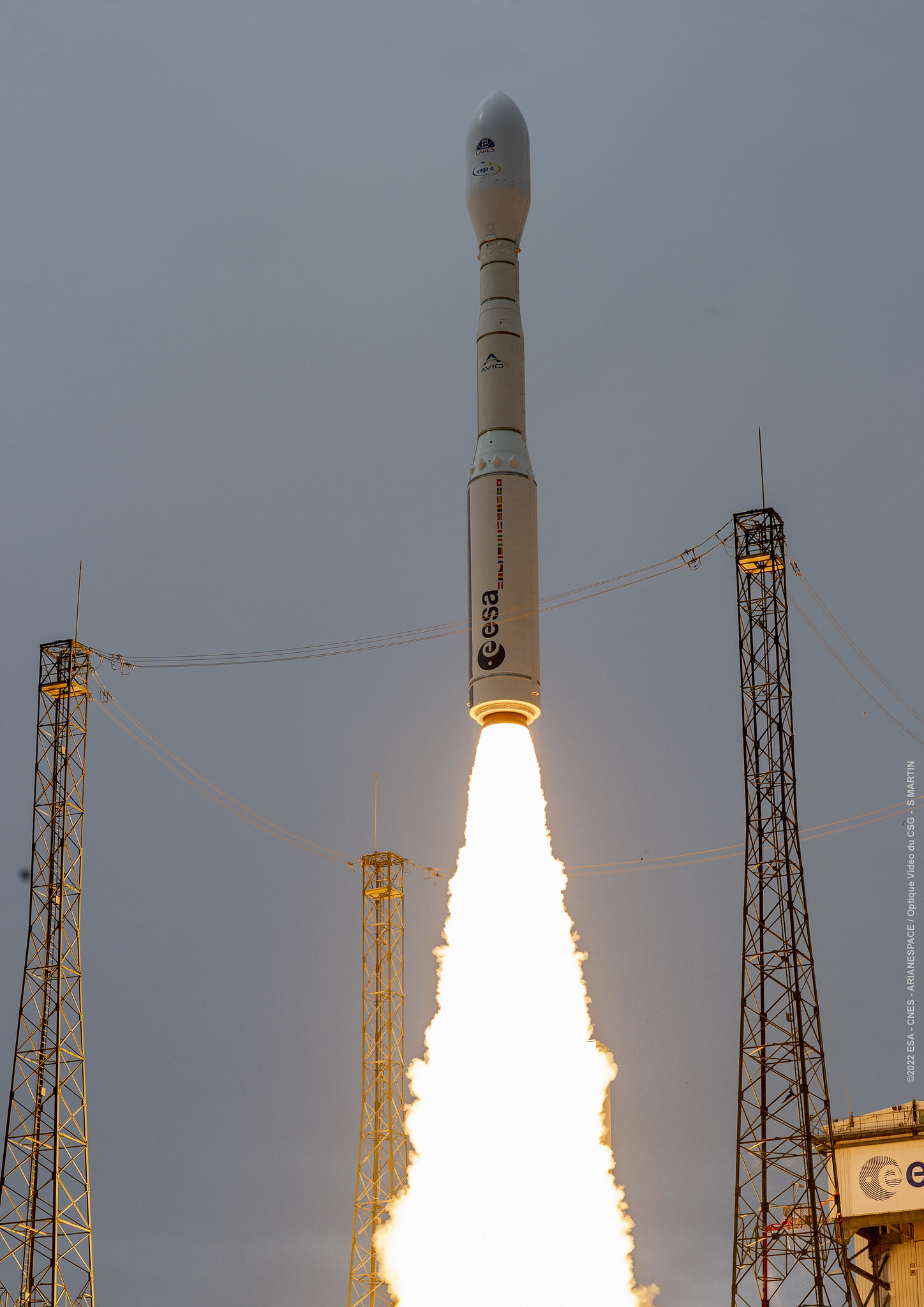
Today's space brief covers SpaceX's new contract with the U.S. Space Force, multiple Starlink launches, Rocket Lab's rapid launch success, and the final mission of Japan's H-IIA rocket.



Launch Date
April 10, 2024
Launch Site
Launch Pad
LC40
Launch Vehicle
NORAD ID
59473
International Designator
2024-068U
Epoch
Sun, 19 Jul 2026 19:52:39 GMT
Apogee
Calculating...
Perigee
Calculating...
Inclination
43.00°
Right Ascension
8.09°
Eccentricity
Calculating...
Argument of Perigee
266.26°
Period
94.27 min
Mean Motion
15.28 rev/day
Latitude
Calculating...
Longitude
Calculating...
Altitude
Calculating...
Velocity
Calculating...
Name
STARLINK-31610
Alternative Name
Starlink 31610
Type
Status
Owner
SPXS
Country
United States
Constellation
N/A
Related Satellites
Major Events
N/A
1 59473U 24068U 26200.82823397 -.00001105 00000+0 -30632-4 0 9996
2 59473 43.0012 8.0917 0001059 266.2588 93.8143 15.27572230128730
Source: Celestrak
Length
0.3
Diameter
4.1
Span
29
Dry Mass
700
Launch Mass
730
Shape
Box + pan
Radar Cross Section
Unknown
Visual Magnitude
Unknown
Color
Unknown
Material Composition
Unknown
Payload
Starlink Group 6-48-19
Purpose
Communication
Mission
Communication
Manufacturer
SPXS
Life Expectancy
Unknown
Bus
Starlink V2M
Configuration
Starlink v2 Mini
Motor
Argon ion thrusters
Equipment
Ku/Ka/E-band payload, optical inter-satellite link
Power System
Solar arrays, batteries
ADCS
Unknown
Transmitter Frequency
Unknown
Learn more about satellites and other related topics.
Today's space brief covers SpaceX's new contract with the U.S. Space Force, multiple Starlink launches, Rocket Lab's rapid launch success, and the final mission of Japan's H-IIA rocket.
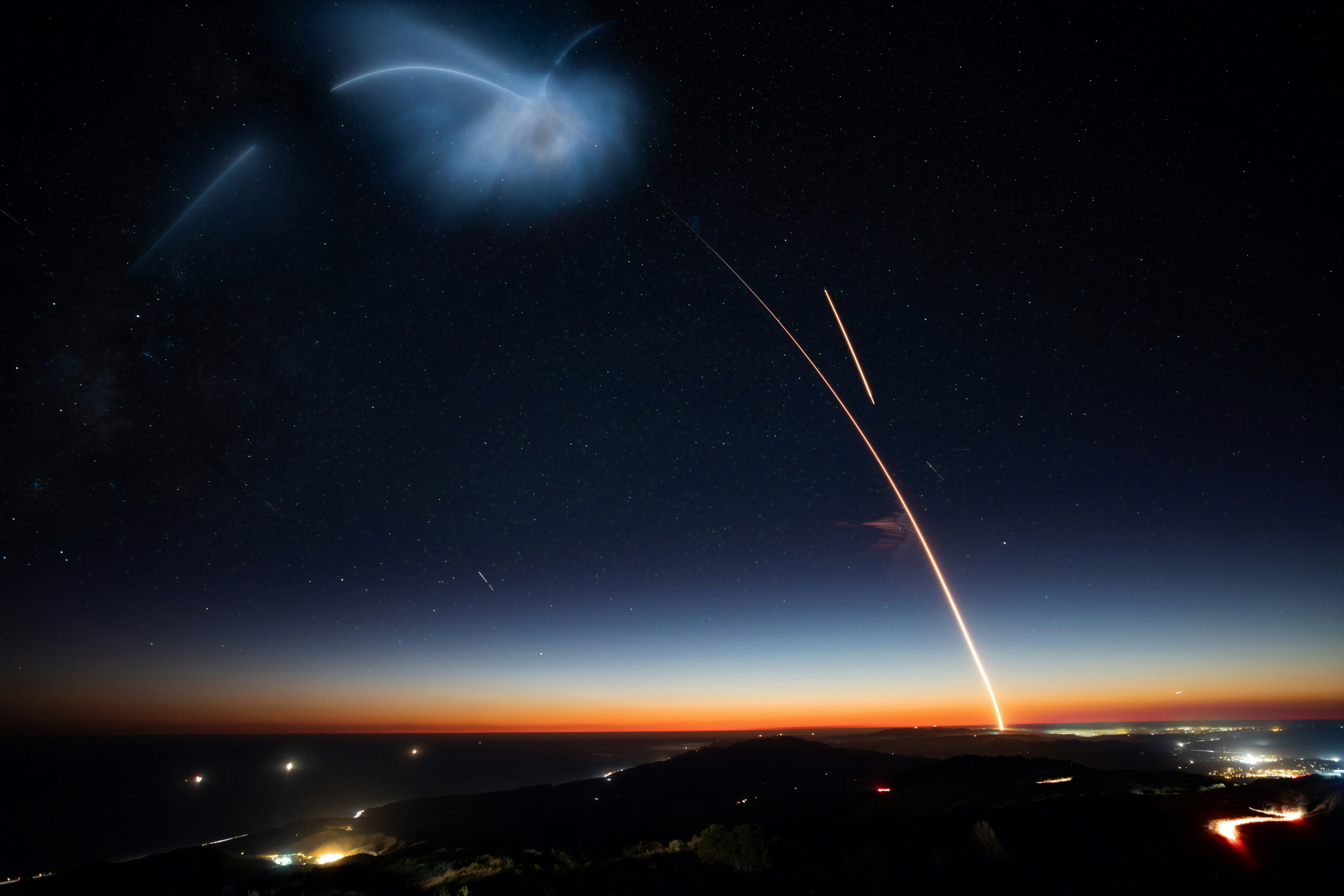
SpaceX launched 21 York Space Systems satellites for Space Development Agency's Tranche 1 Transport Layer, bringing SDA's military data-relay constellation to roughly half its planned size.

China confirms first one-year human spaceflight and Pakistani astronaut for Tiangong. Air Force develops X-68A missile-launching drone. Poland unveils $51B defense spending plan.

Falcon Heavy flew for the first time in eighteen months on April 29, 2026, expending its center core to push Viasat's final ViaSat-3 satellite toward geostationary orbit. The mission is a flagship rocket doing what only it can still do, for an operator betting six tons of high-throughput hardware on a market Starlink is rapidly redefining.
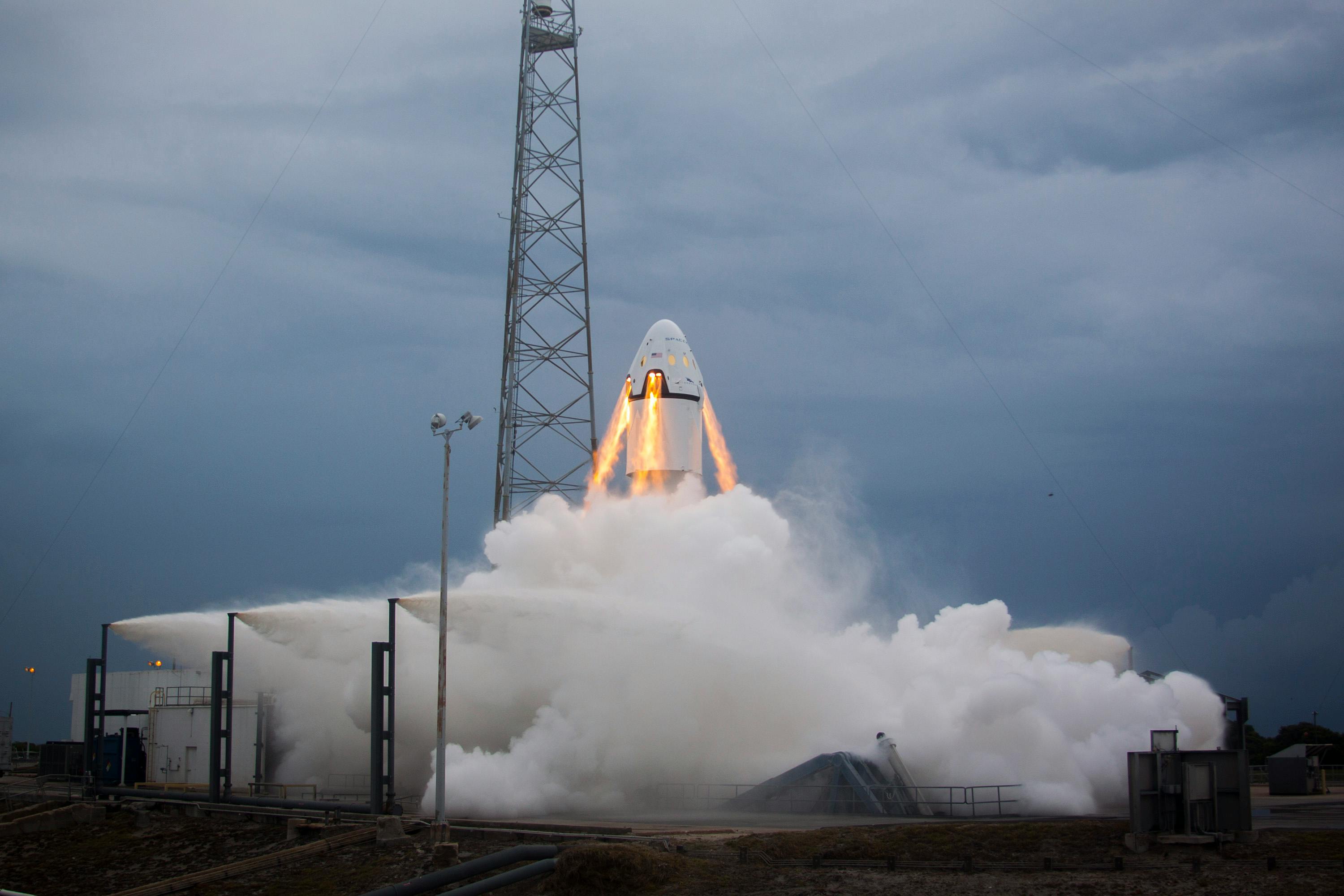
SpaceX achieves a milestone with its 350th successful mission, including a significant Starlink launch, while Starship advances in testing. Meanwhile, SpaceX boosts SiriusXM's satellite fleet and industry competitors make strides.

SpaceX receives FAA clearance for Starship Flight 10 and celebrates its 100th Falcon 9 launch of the year, successfully deploying 24 Starlink satellites.

Four Raptor engines failed to ignite, scrubbing Starship Flight 13 at Starbase; SpaceX also launched 21 SDA satellites from Vandenberg.
FAA greenlights Flight 8 of SpaceX's Starship while senators examine Air Force nominee's ties to the company.