


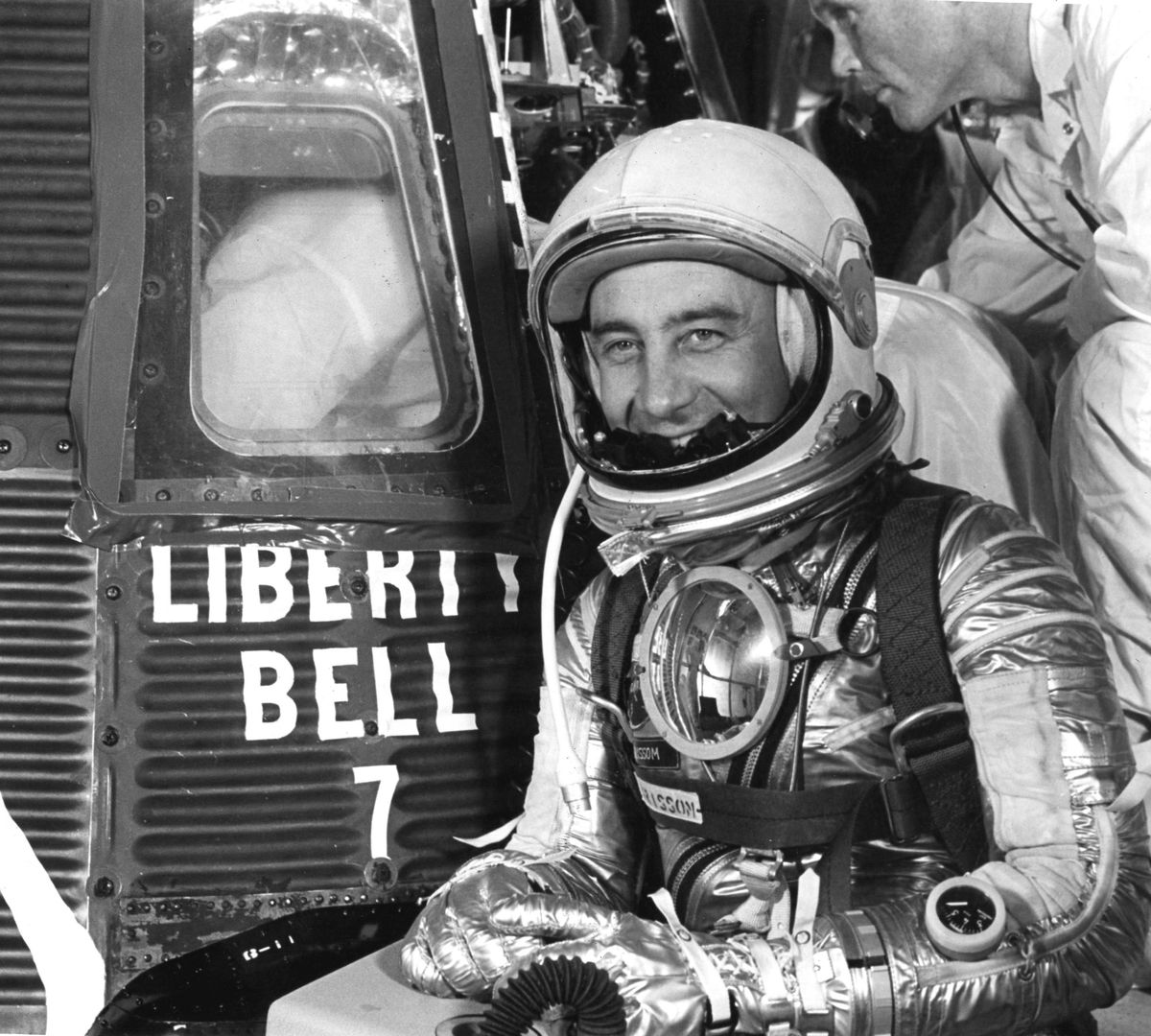
The Day NASA Chose Its First Space Pioneers
Sixty-four years ago, NASA made a decision that would shape the future of human spaceflight by selecting three astronauts to compete for America's first journey into space



Launch Date
March 4, 2024
Launch Site
Launch Pad
LC40
Launch Vehicle
NORAD ID
59169
International Designator
2024-044T
Epoch
Mon, 20 Jul 2026 00:51:39 GMT
Apogee
Calculating...
Perigee
Calculating...
Inclination
43.00°
Right Ascension
79.83°
Eccentricity
Calculating...
Argument of Perigee
267.23°
Period
94.27 min
Mean Motion
15.28 rev/day
Latitude
Calculating...
Longitude
Calculating...
Altitude
Calculating...
Velocity
Calculating...
Name
STARLINK-31329
Alternative Name
Starlink 31329
Type
Status
Owner
SPXS
Country
United States
Constellation
N/A
Related Satellites
Major Events
N/A
1 59169U 24044T 26201.03586866 -.00000405 00000+0 -51948-5 0 9999
2 59169 43.0020 79.8268 0000914 267.2259 92.8488 15.27574835133809
Source: Celestrak
Length
0.3
Diameter
4.1
Span
29
Dry Mass
700
Launch Mass
730
Shape
Box + pan
Radar Cross Section
Unknown
Visual Magnitude
Unknown
Color
Unknown
Material Composition
Unknown
Payload
Starlink Group 6-41-18
Purpose
Communication
Mission
Communication
Manufacturer
SPXS
Life Expectancy
Unknown
Bus
Starlink V2M
Configuration
Starlink v2 Mini
Motor
Argon ion thrusters
Equipment
Ku/Ka/E-band payload, optical inter-satellite link
Power System
Solar arrays, batteries
ADCS
Unknown
Transmitter Frequency
Unknown
Learn more about satellites and other related topics.
Sixty-four years ago, NASA made a decision that would shape the future of human spaceflight by selecting three astronauts to compete for America's first journey into space
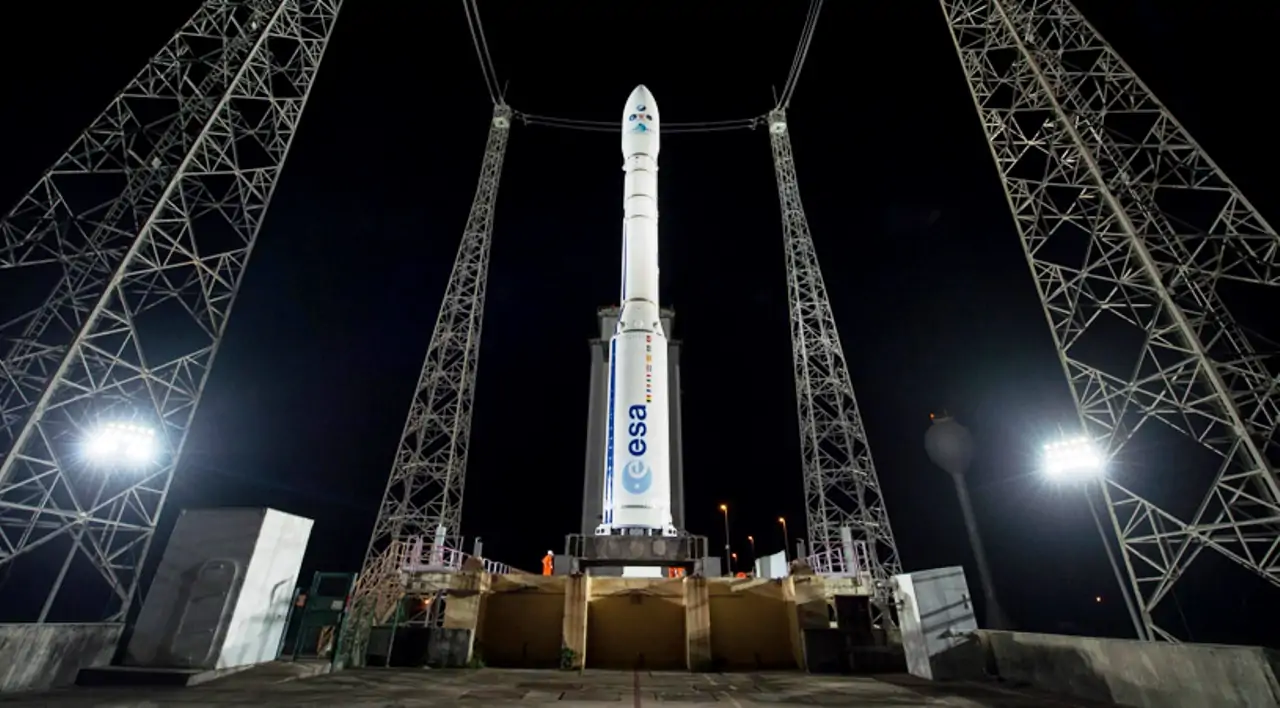
Thirteen years ago, a new rocket lifted off from the edge of the Amazon rainforest, marking Europe's entry into the small satellite launch market and carrying the dreams of university students across a continent
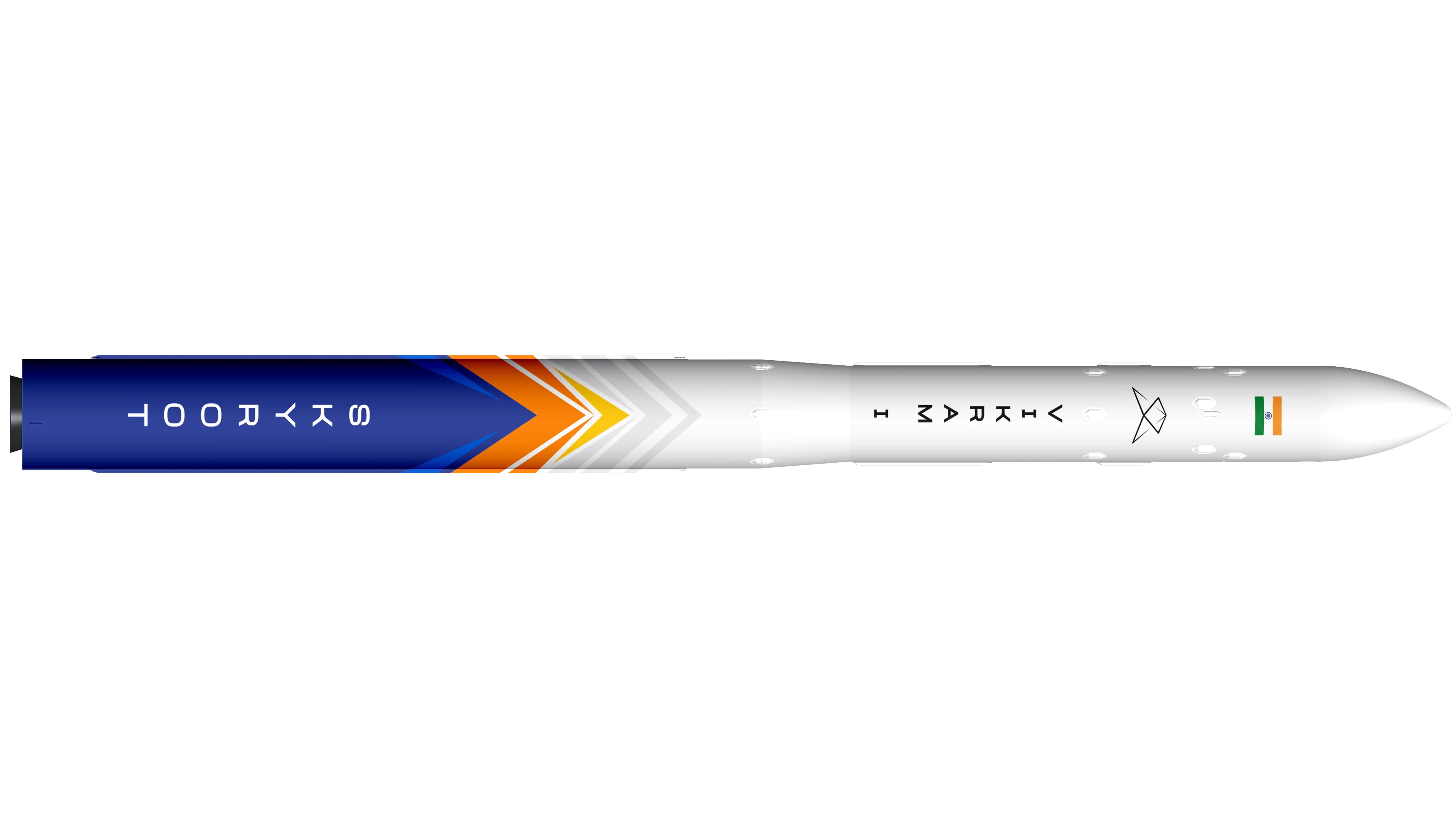
Pentagon's DIU seeks commercial partners for GEO spy satellites. SpaceX unveils space traffic management system. Bahamas rocket landings resume. GPS III falls short in modern warfare.
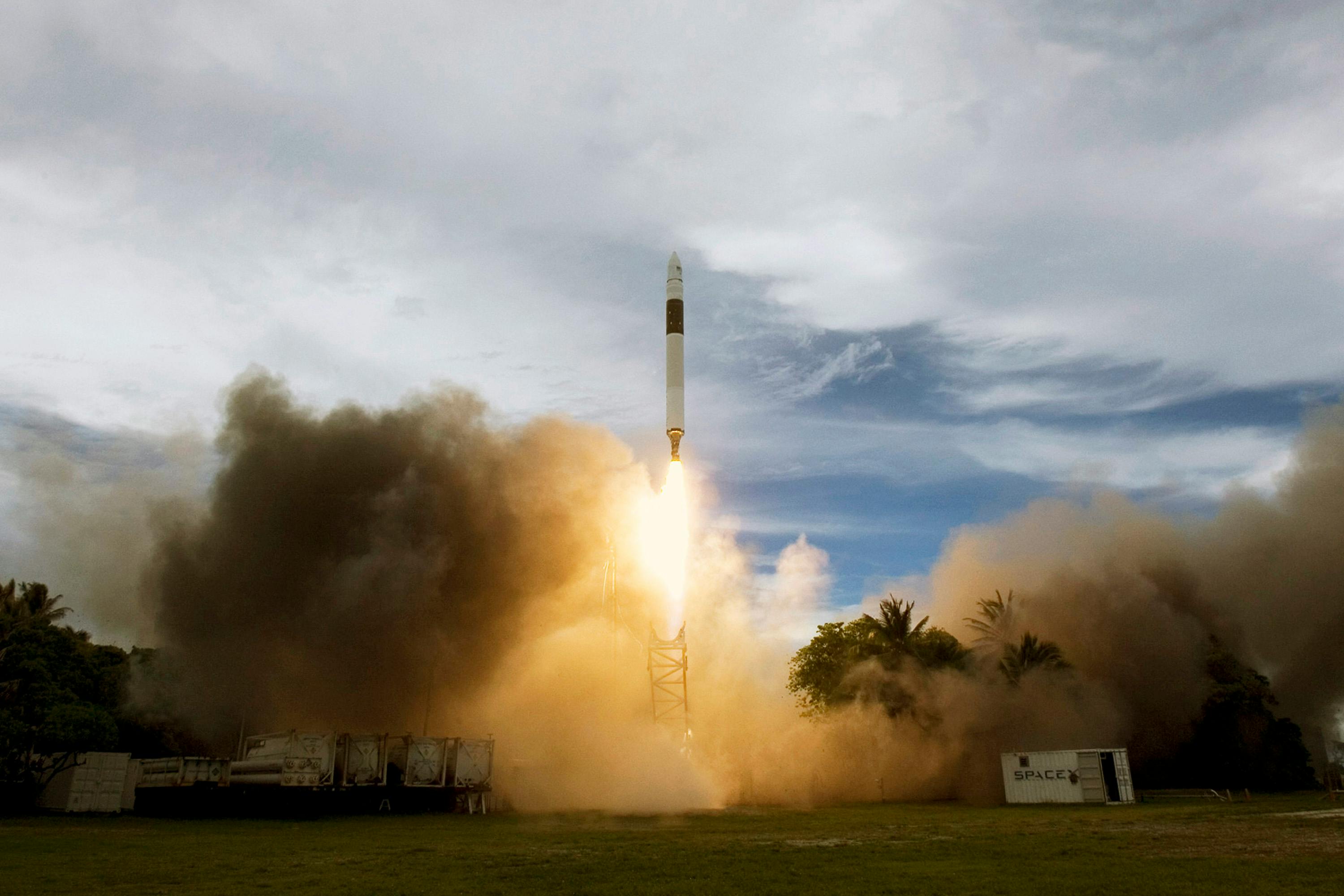
SpaceX successfully launched 28 Starlink satellites, marking a significant milestone with its 500th Falcon rocket landing. Meanwhile, the Starship program reflects on its journey through ten flights, and competition with Amazon's Project Kuiper heats up as JetBlue opts for their in-flight Wi-Fi service.

Today's highlights include delayed satellite launches, SpaceX's Florida Starship expansion, a historic mission by Europe's Ariane 6, and NASA's twin missions to explore the ends of the Earth and the universe.

Today's highlights include the release of a mystery object by Russian military satellites, SpaceX Fram2 mission insights, Amazon's upcoming satellite launch, and more.
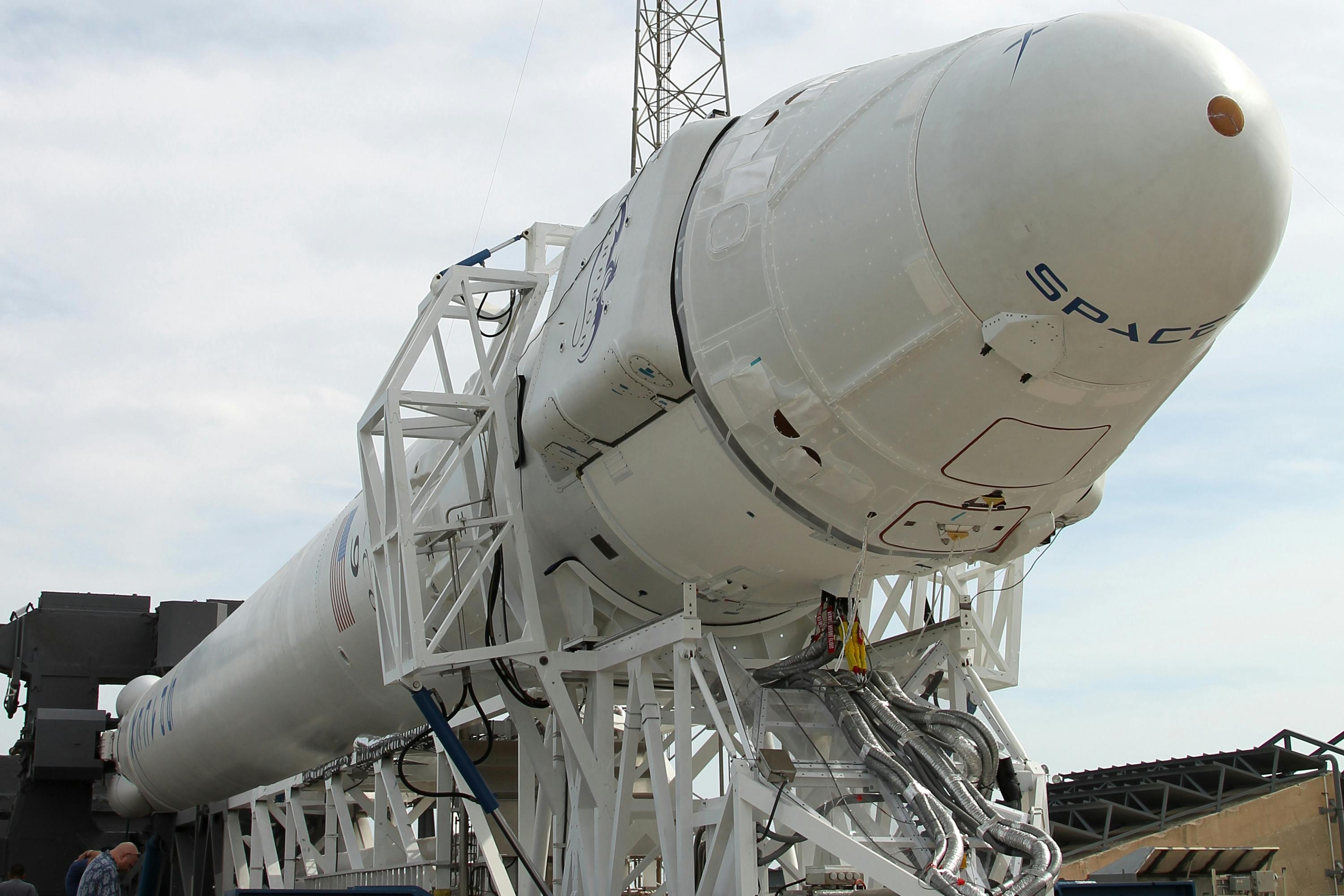
SpaceX launches more Starlink satellites as Starship prepares for full stack testing, amidst Musk's new governmental role.
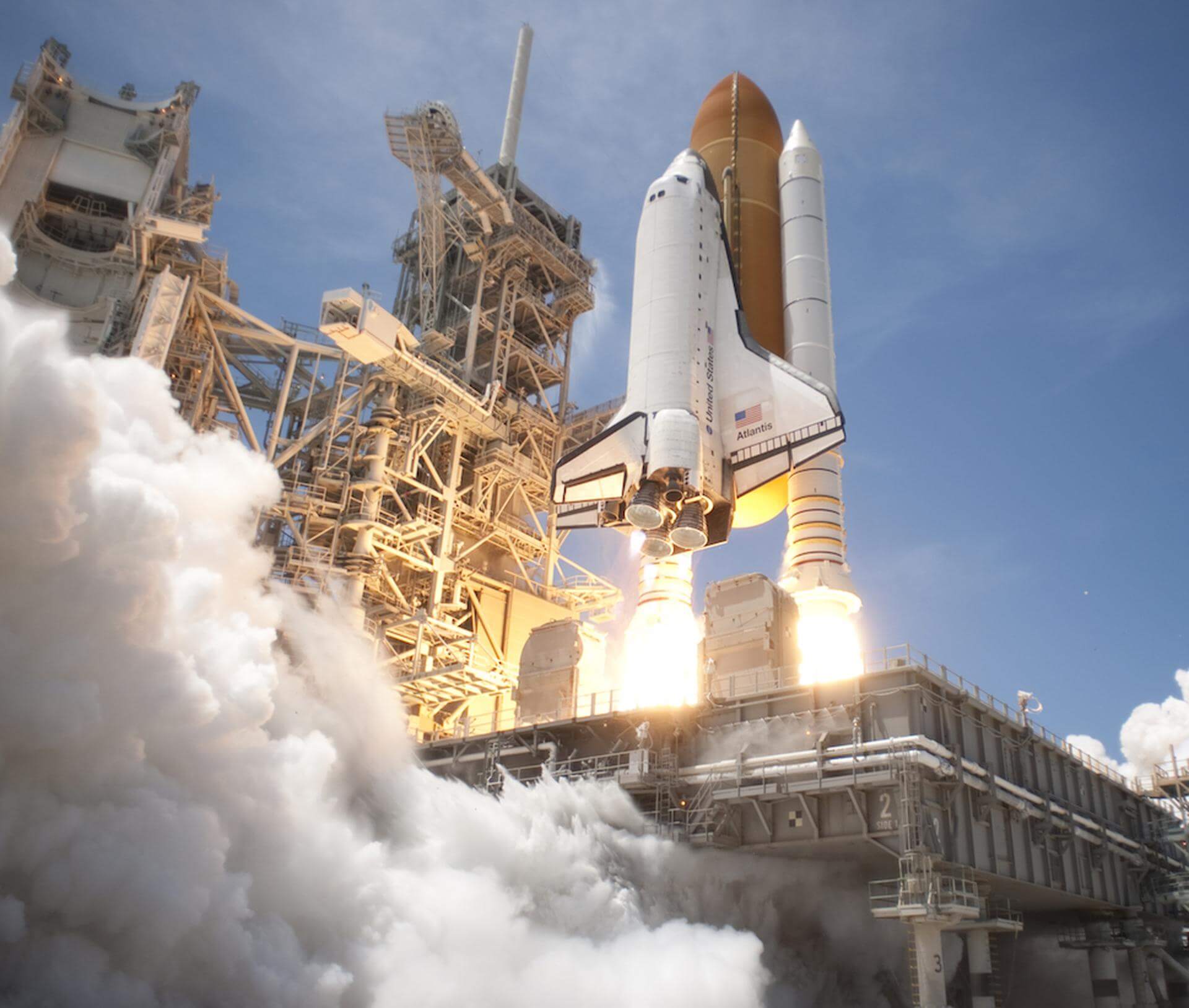
Starcloud files FCC plans for 88,000-satellite orbital data center constellation, matching scale of Starlink and Amazon Kuiper expansions. Massive LEO conjunction risk implications.